Moving to Vietnam as a remote worker costs less than most people assume, but the first month is where budgets fall apart. I moved my base to Da Nang two years ago, and the real monthly spend - visa, housing, food, a local SIM - landed close to $700-900 once I stopped guessing and started tracking every dong.
How Much Does a Vietnam Visa Cost for Long Stays?
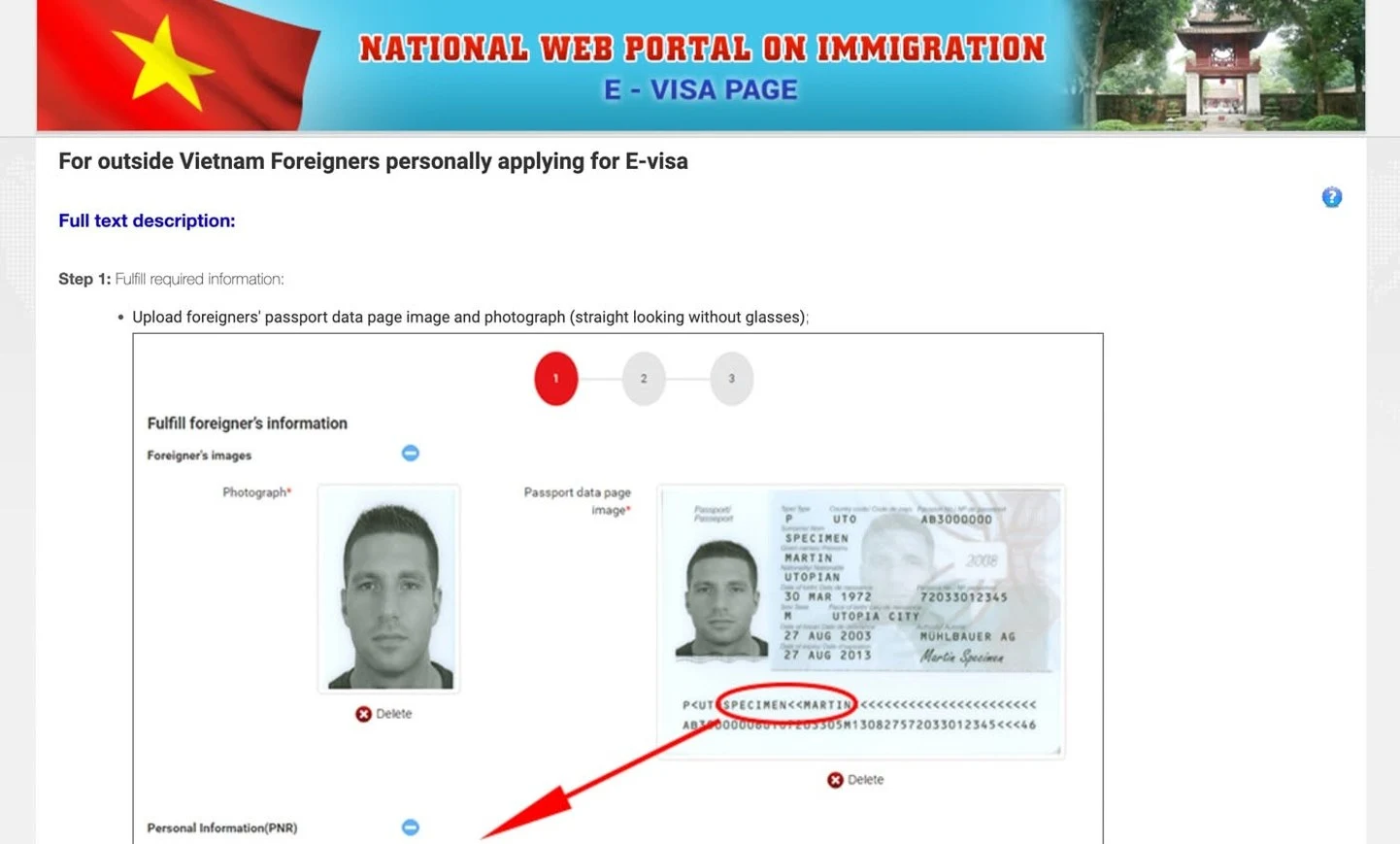
A 30-day e‑visa costs $25 through the official portal and takes 3-7 business days to process; a 90-day business visa on a company invitation runs $250-300. Citizens of Russia and a few other countries can also apply for a 90-day extension at the local immigration office, filed at least 5 days before the current visa expires.

I paid the e‑visa fee with a foreign-issued card the first time and watched the payment bounce twice - the portal rejects a long list of cards, and there’s no error message that tells you why. Borrowing a working card from another expat cost me two days I hadn’t planned for. These days, when I handle e-visas for people moving out here, I pay the government fee with a card the portal actually accepts and file the form myself - all someone needs to send is a passport scan and their travel dates.
What Does Housing Cost in Da Nang and Hoi An?
A studio in Da Nang runs $150-200 a month plus utilities, and electricity is the expensive part of that bill - internet, by contrast, is fast and cheap. A full house in Hoi An starts at $500, with utilities around $100 if you’re running two air conditioners. Facebook rental groups like Property for Rent in Danang beat local agents on price every time - agents commonly quote 2-3x the market rate to foreigners.
Landlords expect one month’s rent upfront plus a deposit equal to another month, refundable on move-out. Negotiating both numbers is normal - I got a Hoi An house for roughly $170 less than the asking price with the deposit waived entirely.
Step-by-step: Setting Up Your First Month
Most of the first-month chaos comes from doing these out of order. Here’s the sequence that actually holds up:

- Apply for the 30-day e‑visa online at least a week before your flight, and confirm your card actually works on the portal before you travel.
- Book a short-term stay for 1-2 weeks on Booking.com to give yourself time to view apartments in person rather than renting sight unseen.
- Join 2-3 Facebook rental groups for your target city and start messaging listings the day you land.
- Buy a local SIM from MobiFone or Viettel at the airport - a 4GB daily plan runs about $6 a month.
- Open a bank account once you have a lease and, ideally, a business or work visa - tourist-visa accounts are possible but require visiting several branches in person.
- File your immigration registration through your landlord within the first few days; it’s free and mandatory for anyone renting to a foreigner.
How Do You Move Money Into Vietnam?
Vietnamese ATMs rarely accept Mir cards, but UnionPay works at a growing number of machines in Da Nang and Hanoi. For larger transfers, expats commonly convert through Binance P2P into a local bank account, provided you have someone on the receiving end you trust to complete the transfer. Cash - post-2006 US dollar bills only - gets the best rate at jewelry shops rather than banks; exchange group chats on Telegram track the day’s going rate better than any bank counter does.

This is the step where I usually see people get stuck longest: banks want a lease and a visa category the tourist e‑visa doesn’t qualify for, so the first transfer often has to route through P2P or a trusted local contact instead. Once you’ve got a Vietnamese bank account open, everything after that gets easier.
So What Should You Actually Budget?
Plan on $700-900 a month if you’re a single remote worker basing yourself in Da Nang. That covers $150-200 for a studio, $150-200 for street food, $50-80 for a scooter or taxi budget, and the rest split between utilities, a SIM plan, and visa costs averaged over the year. Hoi An runs slightly higher on rent but lower on transport since most errands are walkable.
The one line item people underbudget is the visa renewal cycle - miss the 5-day filing window before your visa expires and you’re looking at overstay fines, not just an inconvenient afternoon at the immigration office. I stopped leaving that to guesswork once I started mapping renewal dates against my actual travel calendar instead of my memory.
If you’d rather have someone confirm your visa timeline and file the paperwork for you, message me on WhatsApp and I’ll walk through your dates with you.