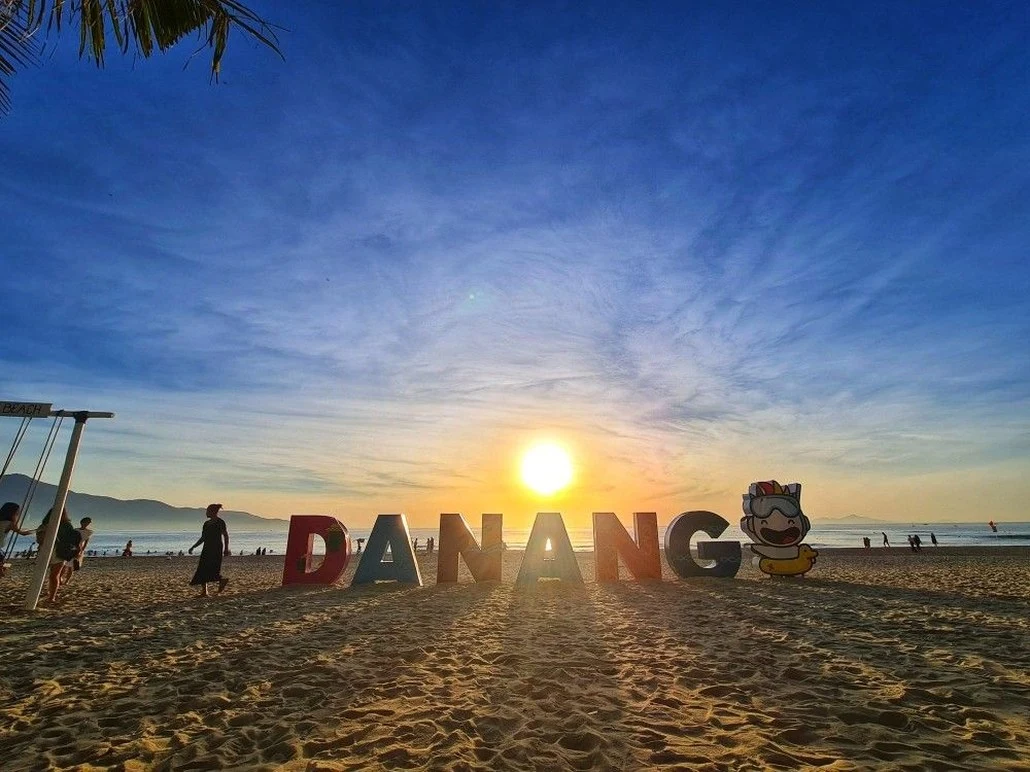
Da Nang works for people who want a warm, cheap base and can live with some daily chaos, and it works badly for anyone who needs a stable local job. One person living sensibly spends roughly $700-800 a month, and a studio is the cheapest way to start.
I’m based in Da Nang and process e-visas for people who relocate here. The numbers below match what newcomers tell me, and the traps are the ones that cost them the most.
Which visa gets you in, and where do people stumble?
An e‑visa comes as single-entry or multiple-entry, and both last up to 90 days. A single-entry visa ends the moment you leave the country, so a border run on it means applying again. That is the mistake I see most: someone picks the wrong type, finds a one-year apartment, and learns two months later that the visa does not match the plan.
After 90 days the usual route is a border run and a fresh e‑visa. An in-country extension is the other route, but it is decided case by case, so do not sign a long lease counting on it.
Most plans break at the application itself. The official portal at evisa.gov.vn is the only site that should see your passport data, and it regularly rejects foreign cards at payment.
If you’d rather not wrestle with that yourself, message me on WhatsApp with your passport and travel purpose. I check the visa type, pay the state fee with a card the portal accepts, and pick the entry point so a border run fits into one day. That is the daily work at BestBus Vietnam. For stays beyond 90 days, how to stay longer in Da Nang without a visa run lays out the options.
Is health insurance worth it in Da Nang?
Yes. A visit to an international clinic costs $100-150, and a night in hospital runs to several hundred dollars, which is a large part of a monthly budget. Local hospitals often have no English-speaking staff, and in the rainy season dengue fever is a real risk, not a guidebook scare story.
Medicine is sold without a prescription almost everywhere, but fakes turn up in small pharmacies, so buy at a clinic pharmacy when it matters. Plans are compared in best health insurance for expats in Vietnam.
What is the first month actually like?
The first weeks wear you out more than the heat. Scooters run red lights when the road is clear, and a horn means “I’m next to you”, not anger. Pedestrians get almost no protection, so you learn to cross at a steady pace without waiting for a gap.
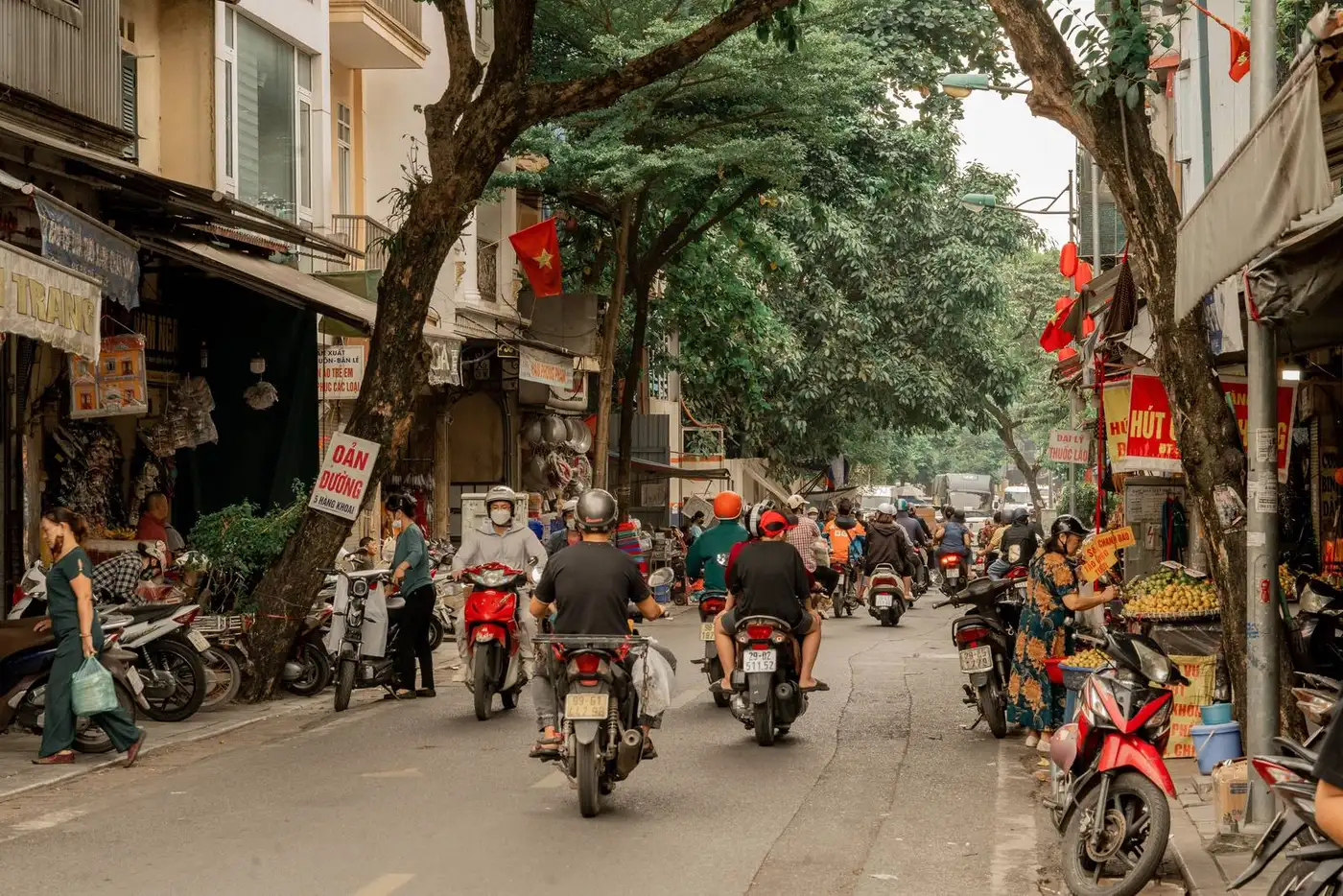
After about six months you stop noticing construction and evening karaoke. Give yourself an adjustment period and skip the comparison with European roads.
What does a normal day cost on top of rent?
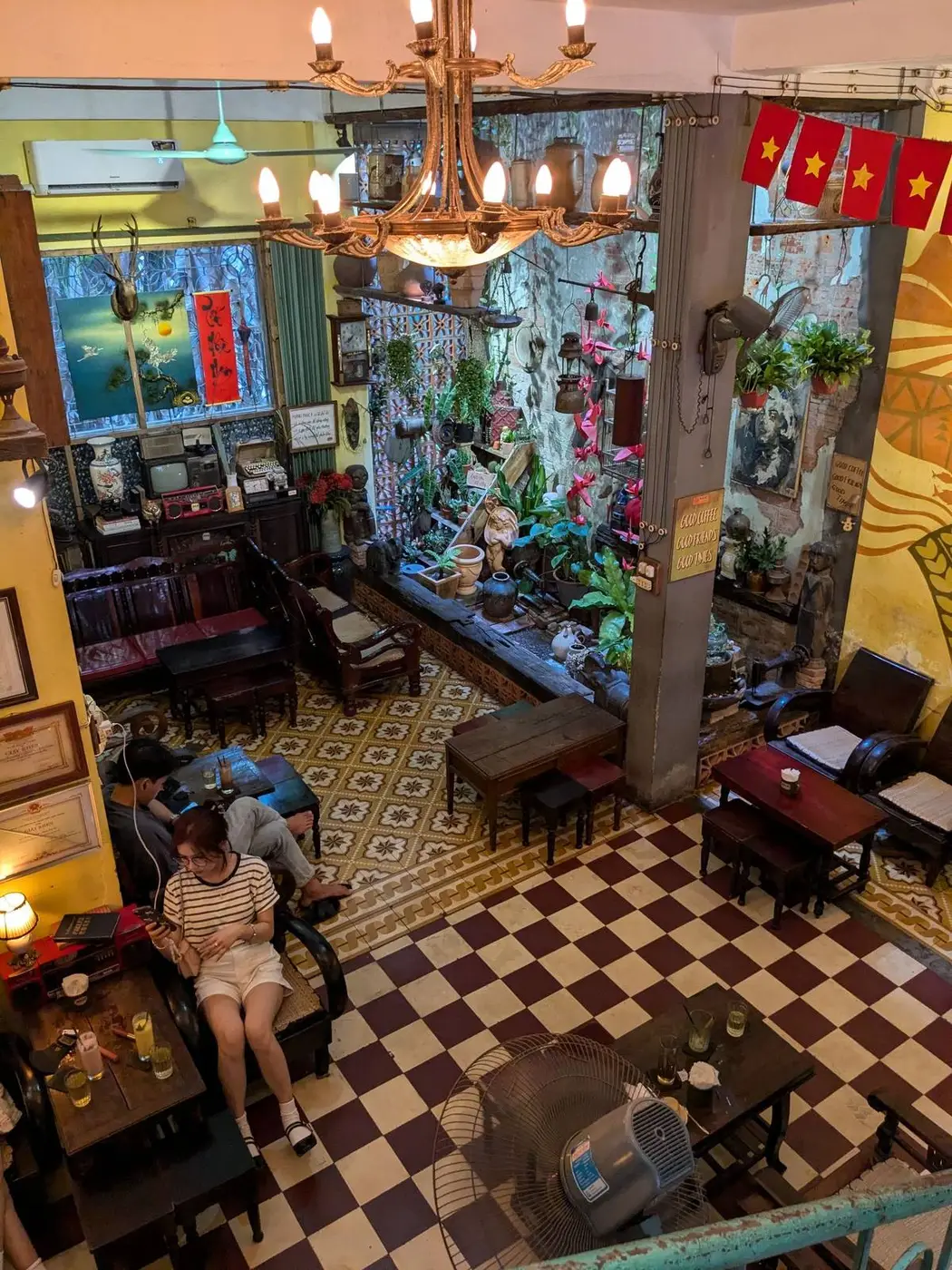
A rented scooter is $40-60 a month, and a street lunch costs $1.50-2.50, so food and transport stay a small line in the budget.
More line items, including cheaper and pricier lifestyles, are in Da Nang cost of living in 2026.
What do rent and bills cost in Da Nang?
Start with the bills, because they hide the one surprise. Electricity averages about $20, but air conditioning in summer can push the bill to $60. Newcomers who budget from a quiet-month bill get caught by that jump, so plan around the $60 figure from month one. Internet is $10-12 a month and an unlimited mobile plan is $4-5.
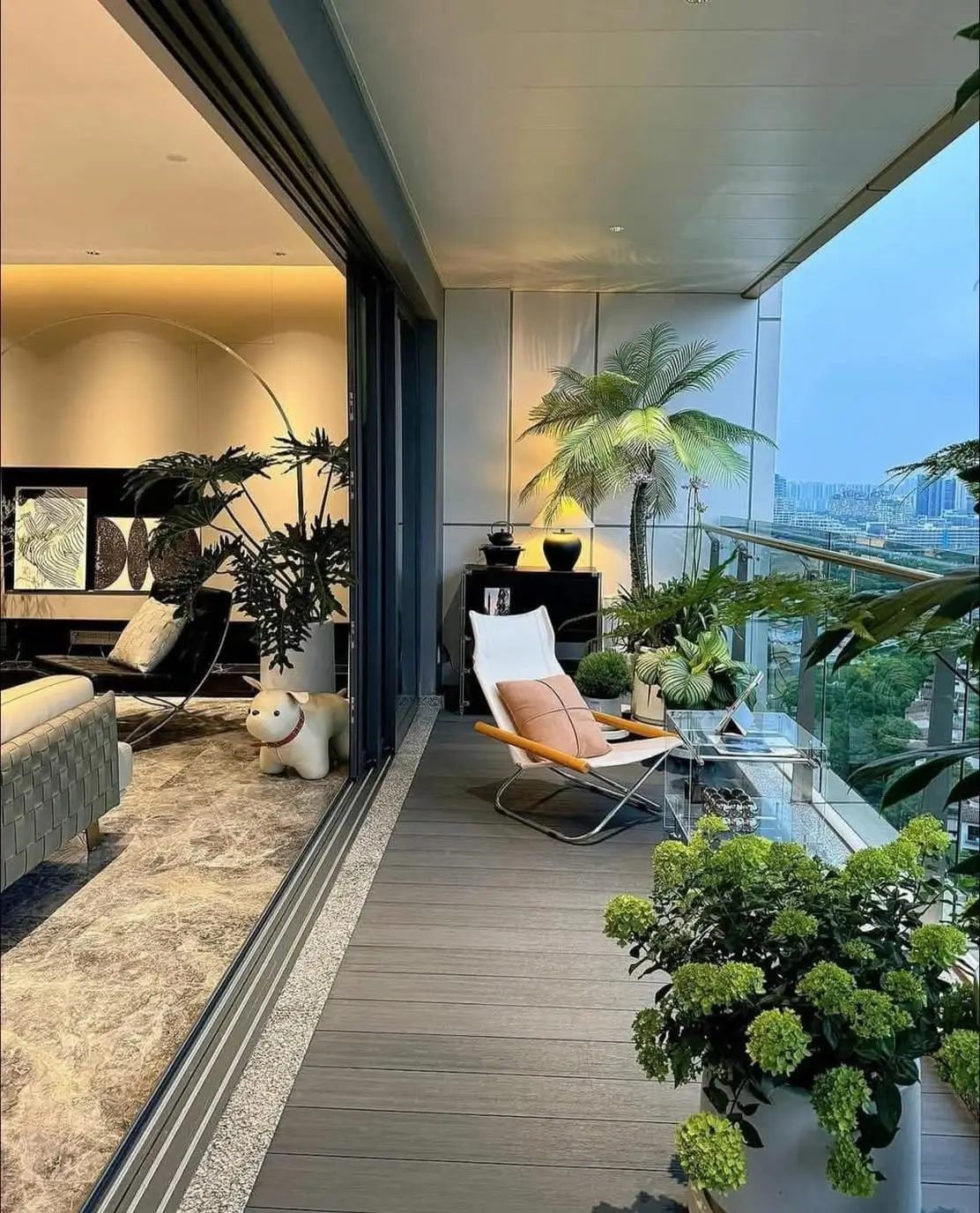
Then the roof. A studio runs $250-400 a month, a one-bedroom costs $450-700, and a house or villa starts around $600 and can pass $1,500 depending on the area and season. Two people who eat out in cafes and take occasional trips land at $1,200-1,500 a month together. For a neighborhood comparison, see best neighborhoods in Da Nang for expats.
Who should skip Da Nang?
Remote freelancers fit well, and so does anyone who accepts messy daily life in return for warm weather and a $2 lunch. The city is a poor fit if you need a steady local career: a work permit needs a sponsoring employer, and local jobs rarely go to newcomers.
Realistic ways to earn are teaching English, working in tourism, or a remote contract paid from abroad. That is neither good nor bad, only something to know before you sign a one-year lease.
If the decision is nearly made and the visa is the open part, send me your planned arrival date on WhatsApp. You can also file the application and plan the border run yourself, and I’ll tell you how to sequence the paperwork and the trip so the visa doesn’t wreck your housing plans.