If you crash a rental motorbike in Vietnam, the first five minutes decide everything that follows: whether you settle in cash on the spot, whether police get involved, and whether your travel insurance will ever pay a claim. For anything minor - no serious injury, both bikes still rideable - the common local practice is a cash settlement between riders, no police report. For a serious injury, a fatality, or a dispute over fault, Vietnamese police are required to step in, and moving the bikes before they arrive can wreck your insurance claim later.
I’ve lived in Da Nang for years and ridden across Central Vietnam more days than I’ve driven a car back home, so most of what’s below is what I’ve actually watched happen at the roadside - not a translated legal brief.
What Do You Do in the First Five Minutes After a Crash?
Stop the bike, move yourself and the bikes out of moving traffic if you can walk, and check for injuries before anything else. If anyone is hurt beyond scrapes and bruises, call 115 for an ambulance and 113 for police immediately - don’t negotiate a cash deal with someone who’s bleeding.
Once everyone is safe, photograph the scene before either vehicle gets moved - insurers and, if it comes to it, police both want to see it as it was. Get these four shots before anything changes:
- Both bikes in their resting position on the road
- Skid marks or debris around the crash point
- Both license plates, clearly readable
- Any visible damage on each bike
If the other rider is local and the damage is minor, they’ll often already be reaching for cash rather than a phone.
Do You Actually Need to Call the Police for a Small Crash?
For a minor accident with no serious injury, Vietnamese riders routinely settle in cash at the roadside instead of calling police - and I’ve seen this resolve in under ten minutes more than once. Vietnamese authorities are legally required to step in only when there’s serious injury, a death, major property damage, or the two sides can’t agree on fault or compensation.
A cash settlement without police has a real gap: for it to hold up later if either side changes their mind, it should be backed by a written note with both signatures and, ideally, two witnesses - a handshake and cash alone carries no paper trail. If you’re at all unsure whether the damage or injury clears that “serious” threshold, call 113 and let police make the call rather than guessing.
Step by Step: Handling a Motorbike Accident in Vietnam
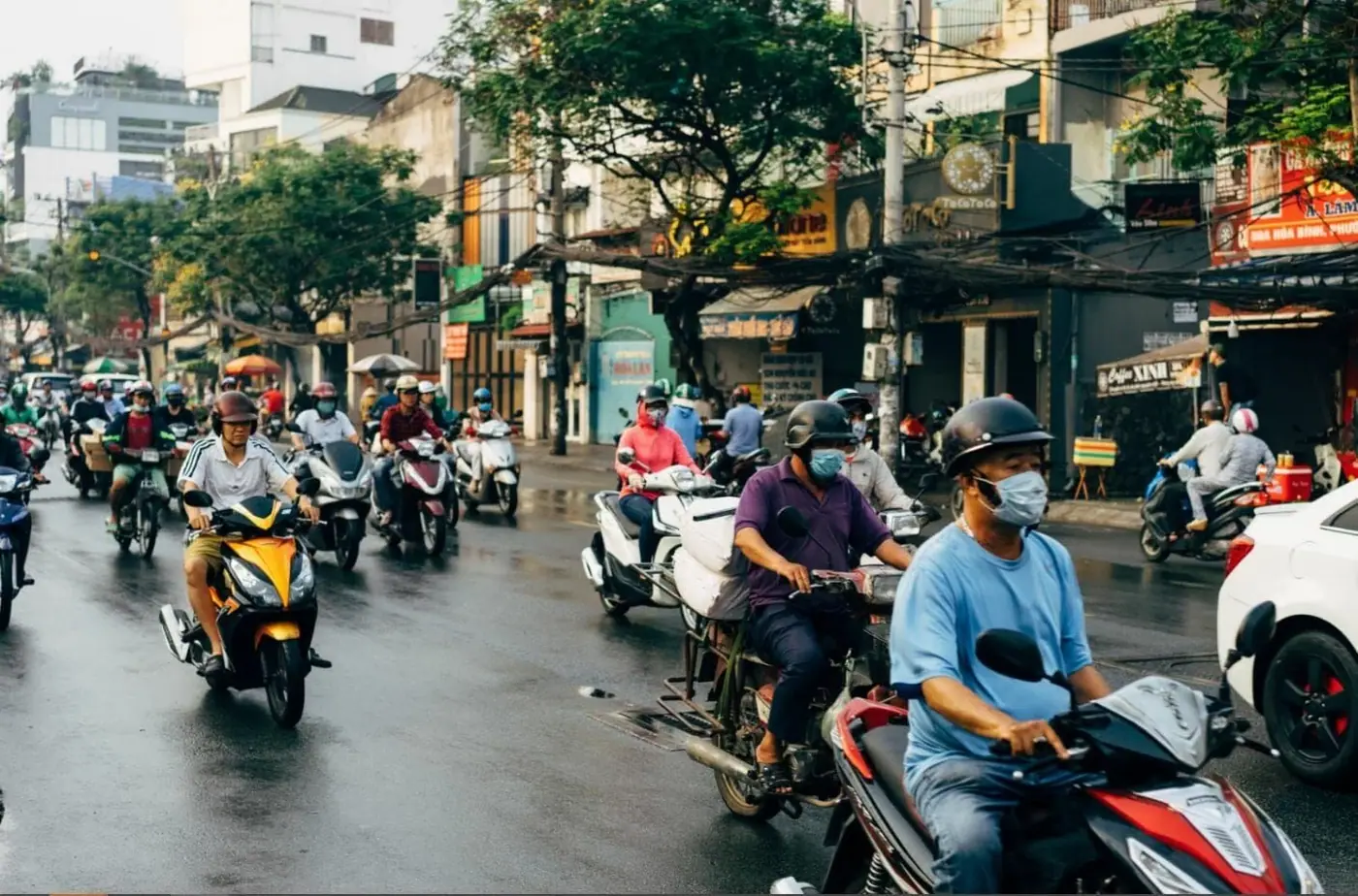
Once the immediate danger is over, everything else follows a fixed order, whether the crash ends in a handshake or a police report. Here’s the sequence I actually follow and tell people to follow.
- Stop safely and check yourself and everyone else for injuries before dealing with the bikes.
- Call 115 for any injury beyond minor scrapes, call 113 if there’s a dispute, a fatality, or major damage.
- Photograph the scene, plates, and damage before anyone moves the vehicles.
- If it’s minor and both sides agree, settle in cash and get a written note with signatures and witness names.
- If police are involved, don’t move the bikes until they arrive and release the scene.
- Keep every receipt, photo, and the police report (if one exists) for your insurer.
- Contact your travel insurance provider the same day, even if you plan to pay out of pocket first.
Does Compulsory Motorbike Insurance Actually Cover You?
Compulsory third-party liability insurance, known locally as CTPL, is required by Vietnamese law for every motorbike over 50cc, including rentals ridden by foreigners, and costs roughly 66,000 VND a year for the rider who’s actually liable.
CTPL only pays out for injuries or property damage you cause to someone else - it does not cover your own injuries or your own bike, and getting a foreign rider’s claim actually processed against a local rider’s CTPL policy in practice takes a police report, translated hospital bills, and enough patience that most people just settle in cash instead.
Will Your Travel Insurance Pay Out If You Crash?
Major travel insurers like World Nomads and SafetyWing will only cover a motorbike accident if you were riding legally: a valid license recognized in Vietnam, within the insurer’s engine-size limit, and wearing a helmet at the time of the crash. Miss any one of those three and a denied claim is the most common outcome, not the exception.
SafetyWing’s Essential plan only covers scooters up to 50cc, and its Complete plan extends to 125cc - check your actual rental against the plan before you sign anything. The license requirement trips up more riders than the engine-size limit: insurers generally want a Vietnam-recognized license or an International Driving Permit issued under the 1968 Vienna Convention, and a rental shop handing you the keys with no license check is not the same as being legally covered if something goes wrong. If your IDP situation is unclear before you even get on a bike, it’s worth sorting out separately - I’ve written a full breakdown of driving license and IDP rules for foreigners in Vietnam.
This is usually where people write to me, not about the bike itself but about the visa clock still running while they’re laid up recovering or fighting with an insurer. If your visa is close to expiring and a border run is the last thing you can manage right now, I handle the extension or a fresh e‑visa without you having to leave Vietnam. From your side, it’s just your passport and your travel dates.
What Does Hospital Treatment Actually Cost?
At a private or international hospital in Vietnam, surgery plus a week of hospitalization after a serious motorbike injury typically runs somewhere between $1,300 and $4,300, and severe cases can climb past $10,000. Vietnamese hospitals generally want a deposit of 30-70% of the estimated bill in cash or by card before treatment starts - direct billing with a foreign insurer at the admissions desk is rare.
That upfront-payment model is exactly why travel insurance with cashless hospital coverage matters more here than in a country where you’d just show an insurance card. If you’re planning to be in Vietnam long enough that a single travel policy doesn’t make sense anymore, it’s worth comparing local versus international health insurance for expats before you need either kind of coverage.
Common Mistakes That Cost Riders the Most
Riding after any alcohol is the costliest mistake on this list: Vietnam applies a strict 0.00% blood alcohol limit for all drivers, fines run from roughly 2 to 10 million VND depending on the level detected, and any alcohol in your system voids both CTPL claims and most travel insurance policies outright. The second most common mistake is assuming a rental shop’s damage waiver covers a crash - most only cover mechanical failure or theft, not an accident you caused, so read what you actually signed before you need it.
The third mistake is moving the bikes to “be helpful” after a serious crash, before police arrive - it feels considerate, but it destroys the physical evidence an insurer or the police report will later need to establish fault.
Bottom Line: Sort Insurance Before You Ride, Not After
The single decision that determines whether you’re covered isn’t how carefully you rode - it’s whether your license, your engine-size limit, and your sobriety matched what your insurer required before you got on the bike. Sort that out before your next ride, not after a crash.
Sorting through insurance fine print and license requirements after you’ve already had a bad day on a rental bike is exactly the kind of paperwork I end up untangling for people who write to me. Message me on Telegram and I’ll tell you straight whether your current setup would actually hold up if something went wrong.
Frequently asked questions
What if the other rider drives off after hitting me? In most hit-and-run reports I’ve heard from other expats, Vietnamese police don’t actively chase down the other rider for a minor collision, so you’re usually left covering your own hospital bill and rental bike repair. This is the main reason a damage waiver from the rental shop and a travel policy with your own injury coverage matter more here than in places where police follow up.
Can I be criminally liable if I injure a local rider? If you’re found at fault in a serious crash that seriously injures or kills a local rider, Vietnamese authorities can pursue criminal liability and, in some cases, restrict your ability to leave the country until the case and compensation are resolved. This is on top of any civil claim, not instead of it.
What if I was hit as a pedestrian, not on a bike? CTPL from the at-fault rider’s policy is meant to cover exactly this, injury to anyone hit by an insured motorbike, not just another rider. In practice the same collection hurdles apply, so a pedestrian is just as likely to end up settling in cash as another rider would.
Does it matter if the crash happens at night instead of during the day? Vietnamese traffic law doesn’t set a separate liability standard for nighttime accidents, but insurers and police both weigh visibility and whether your bike’s lights were working when assessing fault. A dead headlight or taillight can shift blame onto you even if the other rider caused the collision.
What if the family of someone I hit asks for far more cash than the damage seems worth? There’s no fixed formula for a roadside cash settlement, so the amount is whatever both sides agree to, and families of a badly hurt person often ask for more than the visible damage alone suggests. If the number feels unreasonable or you sense pressure, that’s exactly when calling 113 and letting police document things protects you more than negotiating alone.