Vietnam doesn’t drain long-term residents through one dramatic scam - it’s small recurring markups: a realtor quoting double the local rate, a bank changing dollars at a worse rate than the shop next door, a border officer hinting for “coffee money” on the way out. None of it is catastrophic on its own, but over a year it adds up to real money. If you’d rather hand the visa-run part off entirely, I’ll get to that, but first here’s each pattern on its own.
Why Rental Prices Jump the Moment a Realtor Hears You’re Foreign
Realtors working Telegram expat chats know the gap between rents back home and local Vietnamese rates, and they price accordingly - a studio through an agent can run triple what the same unit costs renting directly from a Vietnamese landlord through Chotot or local Facebook groups. A gap of a few million dong a month isn’t unusual when you book “turnkey” through a middleman without comparing anything first.

Can you skip the markup entirely by renting without an agent? Mostly yes, if you’re willing to negotiate in broken Vietnamese through a translation app - landlords listing directly usually price closer to local rates, since they’re not pricing against a foreigner’s assumed budget.
Landlords also tend to show up unannounced to check on the unit, on their own schedule rather than yours - that’s a cultural norm here, not a scam, but it’s worth expecting before you sign rather than discovering it afterward.
Where Your Exchange Rate Actually Disappears
Money transferred from abroad usually lands in dollars - the conversion into dong happens locally, and banks tend to offer a noticeably worse rate than jewelry shops and dedicated exchange counters. A bad bank rate on a routine transfer can quietly cost you more than the $25 e-visa fee you just paid, which is why most residents route around bank counters entirely once they know where the better rates actually are.

Opening a local account without long-term residency status is usually off the table too, which is why cash exchange and transfer apps end up covering the first several months instead of a direct bank transfer. Keeping a small dollar cash buffer on top of whatever transfer app you use is worth doing - if the transfer channel stalls for a day or two, you’re not stuck waiting on it to eat or pay rent.
The Border “Donation” Racket - What It Actually Costs You
At land border crossings, some officers hint for “coffee money” on the way out - a request, not an official fine or fee. Based on how it plays out for people who cross regularly, it runs around $4-5 per person if you pay, versus the actual official exit process, which is free and just requires a stamp.
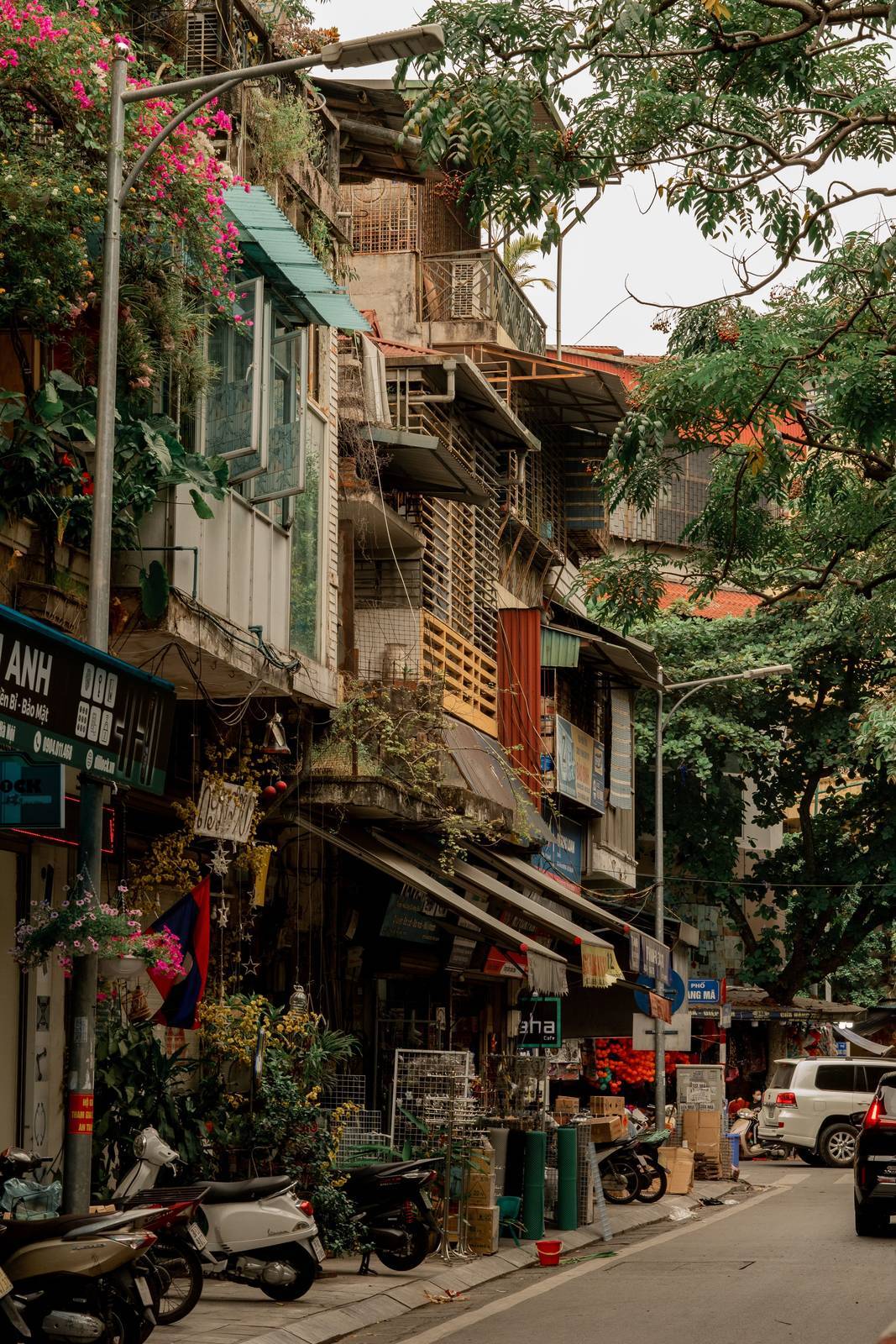
Younger officers usually wave people through without comment. An older officer might set your passport aside, walk off for coffee, and come back a few minutes later - the bet being you’ll pay just to stop holding up the line behind you. Standing and waiting for the stamp is within your rights; paying isn’t required.
If dealing with the crossing yourself isn’t worth the hassle, that’s exactly what I handle - I take your passport details, pay the government fee on a card evisa.gov.vn actually accepts, and walk the crossing so there’s no pause for a “donation” request. All it takes from your side is passport details and travel dates. What we cover beyond the border itself is listed on our services page.
Step-by-Step: A Pre-Move Checklist to Avoid the Common Traps
- Photograph any existing scratches or dents on a rental bike before you take it, which settles most damage disputes at return.
- Find out ahead of time where locals actually get a fair exchange rate - usually a jewelry shop, not a bank counter.
- Compare the asking price on Chotot or local Facebook groups before accepting a realtor’s first offer.
- View any apartment in person or on a video call directly with the landlord, not just photos from a middleman.
- At the border, stay quiet and wait for your stamp - it’s a free process, and paying isn’t required.

If that whole list sounds like more hassle than you want, and what you actually need is just the visa run handled, that’s exactly the piece I take off your plate - routes and current dates are on danangvisarun.com.