For a Russian passport holder, a winter in Da Nang (23 to 25°C by day) is warmer than on the Montenegrin coast (11 to 14°C) and costs about the same in rent. Visa-free entry to Montenegro ends on 31 October 2026; Vietnam’s runs to 14 March 2028. I file Vietnam e-visas, so I lean that way.
What does winter rent and heating cost in each country?
A one-bedroom in Montenegro costs €420 to €920 a month on a long lease, depending on the town. Podgorica and Bar are the cheapest, Tivat and Budva the most expensive. On the coast in winter a yearly contract is around €400 to €500 a month, and the same flat costs 1.5 to 2 times more in summer.
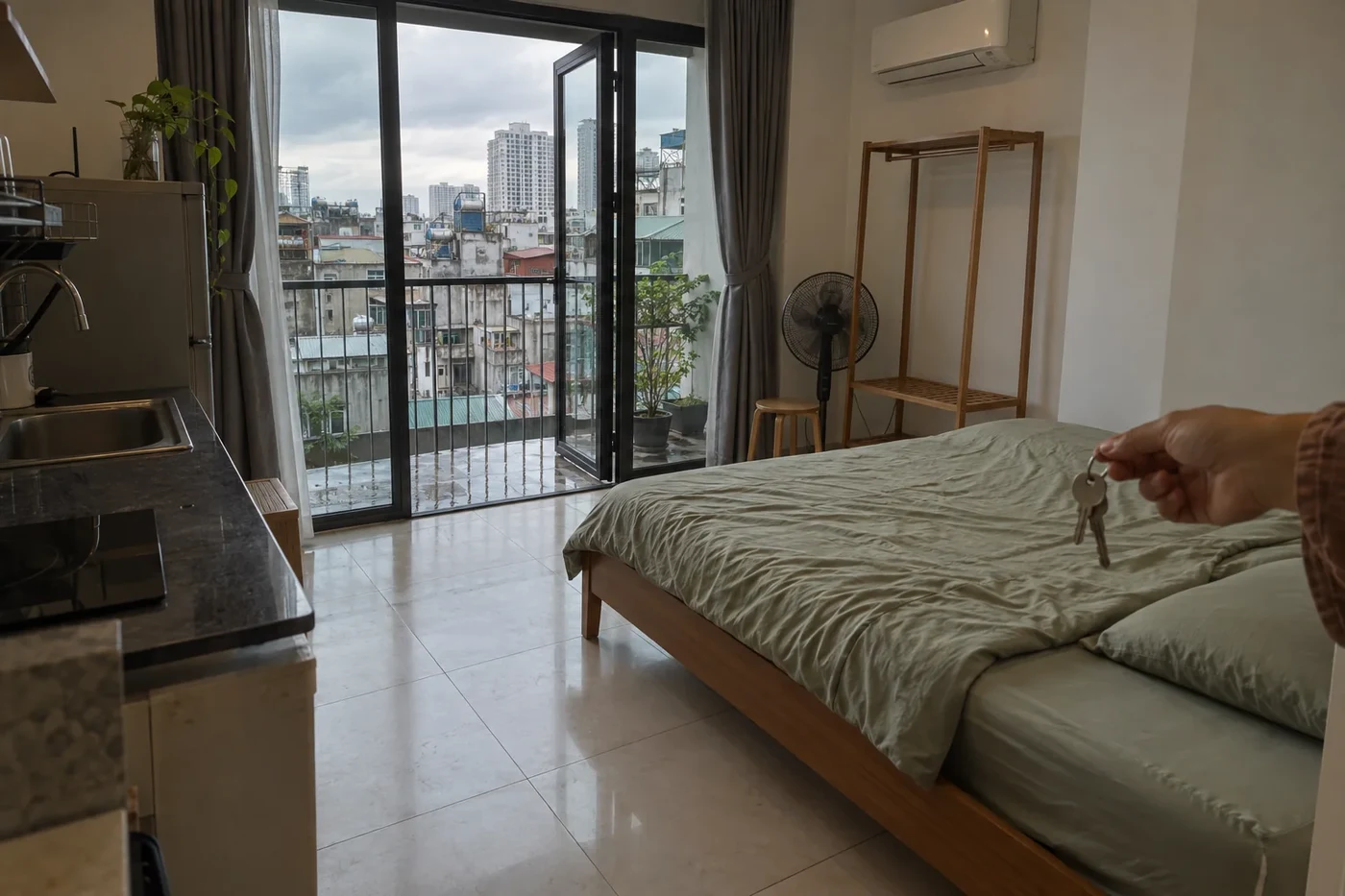
Flats in Montenegro heat with electricity, and there is no central gas. In Budva the winter electricity bill can reach €100 a month, and €100 to €170 for all utilities together is a reasonable planning estimate. With rent, a winter month on the coast comes to roughly €500 to €670.
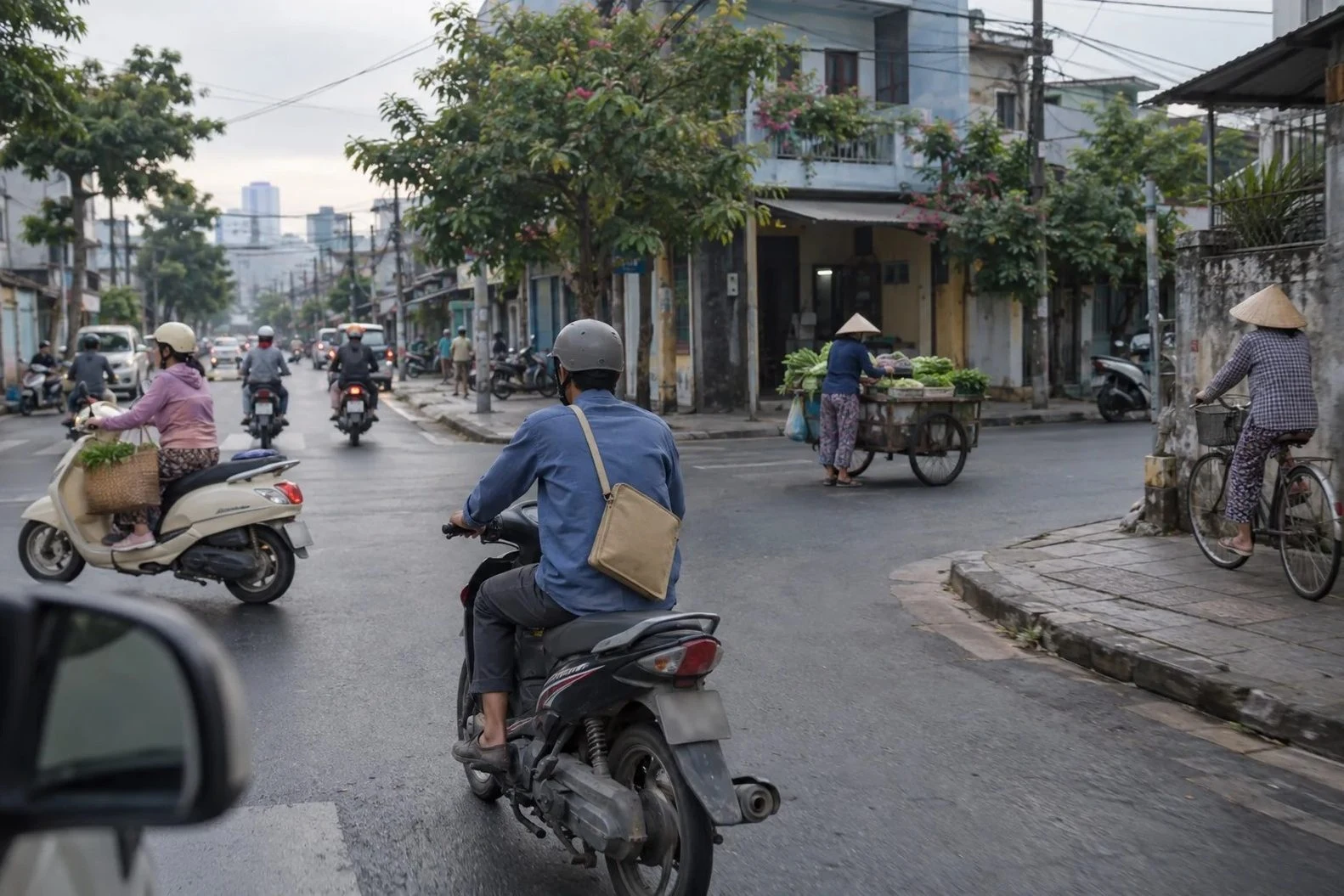
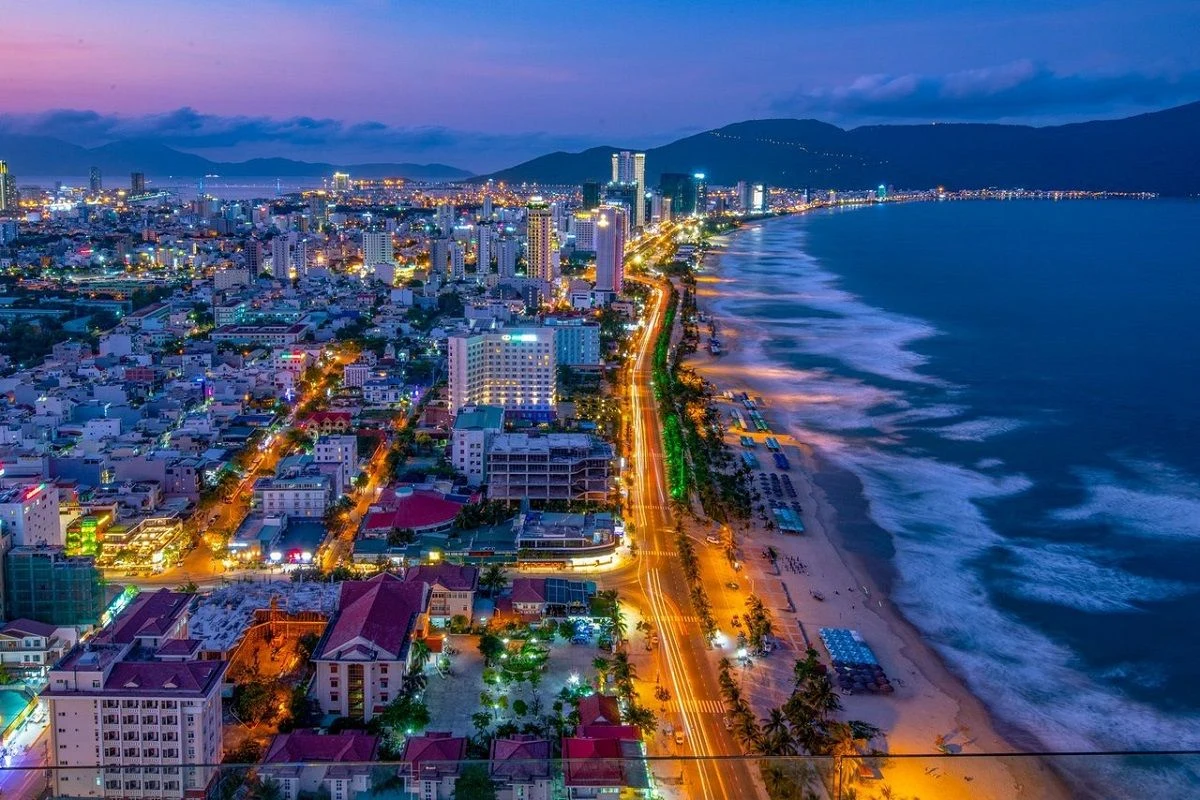
A one-bedroom in Da Nang costs about $300 to $700 a month. Vietnamese listing sites mostly show $300 to $340, English-language sites for foreigners show $385 to $690. Nha Trang runs $320 to $480, and Ho Chi Minh City starts at $250 on the outskirts and reaches $1,200 in District 1. Landlords often bill electricity at a flat rate above the state tariff (3,500 to 4,000 dong per kWh against 1,984 to 3,460 dong), so check the rate before you sign. All utilities in Vietnam average $20 to $90 a month depending on air-conditioning use, so a Da Nang month with utilities runs from about $320 to $790. Typical numbers for the city are in the guide to Da Nang rent prices.
How warm is winter in Montenegro compared with Da Nang?
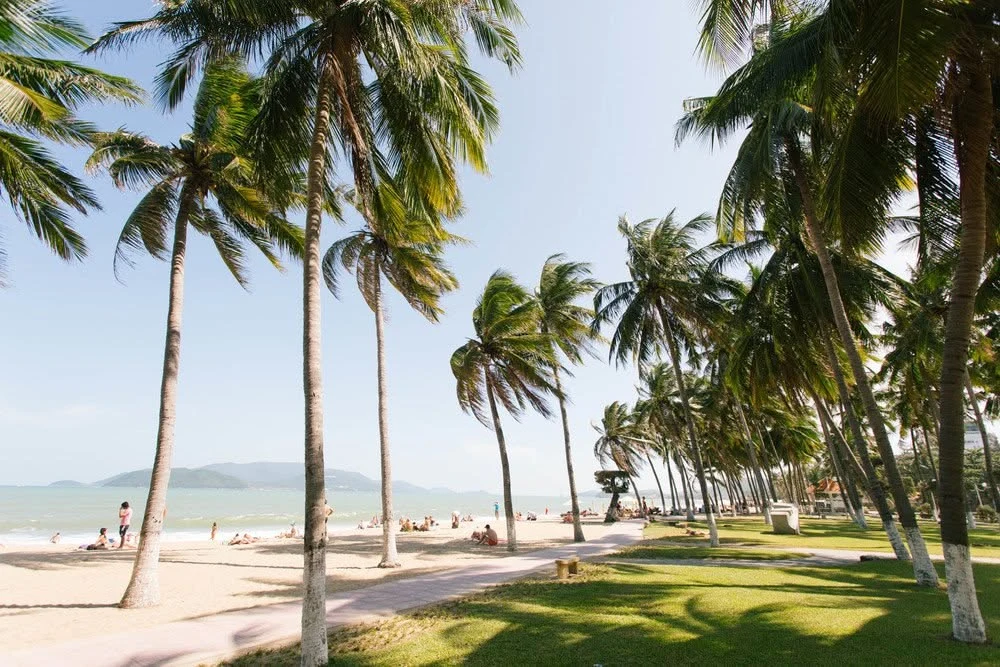
Da Nang is warmer: from December to February daytime highs are 23 to 25°C, while the Montenegrin coast reaches 11 to 14°C by day. Budva averages 6.4°C in December, 4.6°C in January and 6.0°C in February, with 11 to 15 rainy days a month.
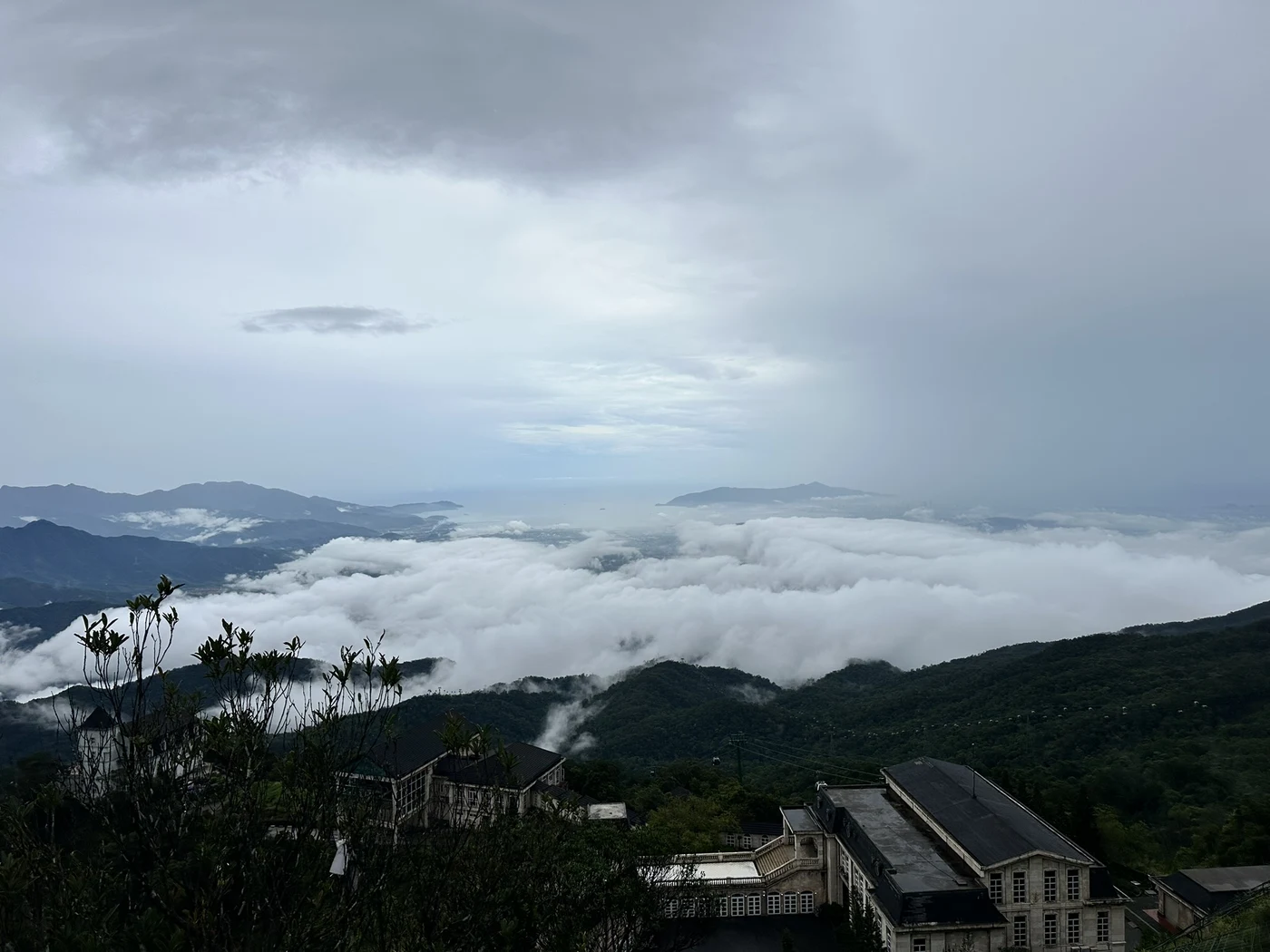
Da Nang is not dry in winter either. Rain falls through January, with 150 to 250 mm in December and 80 to 100 mm in January, and February is dry at 22 to 28°C. Typhoons run from September to December and peak in October. Montenegro has one advantage here: snow lies in the mountains from November to March, with temperatures down to −9°C, which matters if you ski.
How long can you stay without a visa after 1 November 2026?
In Montenegro you cannot stay without a visa after 1 November 2026, while in Vietnam Russian passport holders get 45 days visa-free until 14 March 2028, whatever the purpose of the trip. Until 31 October 2026 Russians enter Montenegro visa-free for 30 days with an international passport. The change follows the Montenegrin government decision of 23 July 2026, published on the government portal. The authorities have not yet explained what applies to people who already hold a residence permit.
The Montenegrin short-stay visa, category C, allows 90 days in any 180-day period and costs €35 for an adult in consular fees.
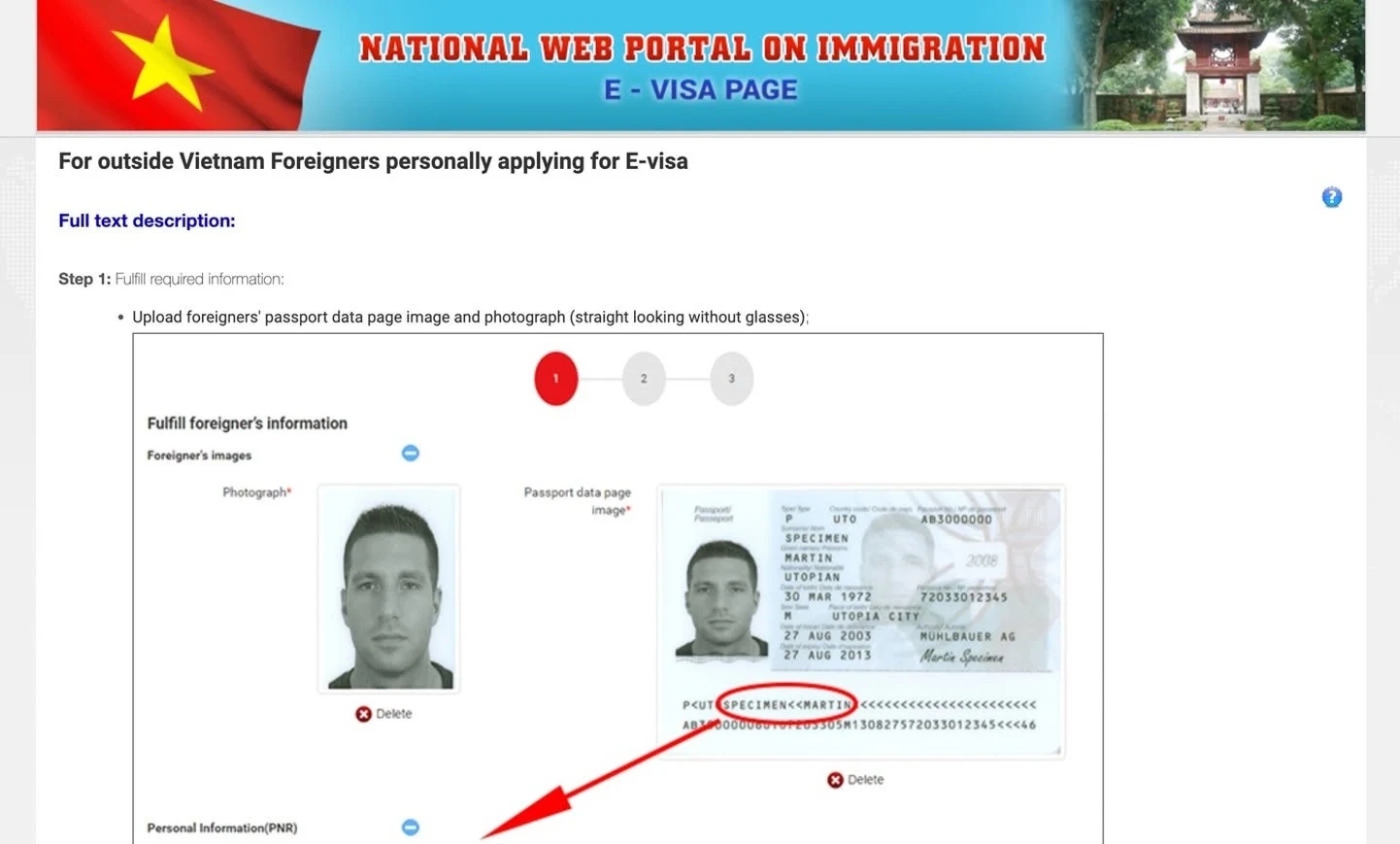
For longer than 45 days in Vietnam you need an e‑visa for up to 90 days: $25 for a single entry and $50 for multiple entries on the official portal, under Circular 28/2026/TT-BTC. What happens at the end of the 45 days is explained in the guide to leaving Vietnam after the visa-free stay.
Can you get a one-year permit in either country?
In Montenegro yes, in Vietnam only through work or marriage. Montenegro issues a temporary residence permit under the new law on foreigners, in force since 17 January 2026, on five grounds: property, a company, an employment contract, family reunification and Digital Nomad. Vietnam has no digital nomad visa, and its residence card goes mainly to workers and spouses.
Property now requires a tax-office valuation of at least €150,000, and permits issued before 17 January are renewed on the old terms. Renewing a company-based permit takes taxes and contributions of at least €5,000 a year. Digital Nomad gives 2 years plus a 2-year renewal, and you may not work for a Montenegrin employer. The law names no minimum income, and relocation services advise showing about €1,800 a month, so confirm the figure with the authorities before you apply.
A Vietnamese temporary residence card (TRC) is issued for up to 2 years on a work basis and up to 3 years through marriage. Everyone else repeats a cycle: 45 days visa-free or 90 days on an e‑visa, then a border exit and a new entry, which is a visa run. Extending an e‑visa inside the country almost never works: law 23/2023/QH15 allows it through an inviting party, but the immigration office decides. That is the main downside of Vietnam: without a job or marriage you get no permit, and the visa logistics stay with you every few months.
Here is where Russian passport holders usually get stuck in Vietnam: evisa.gov.vn declines Russian bank cards, so the $25 fee fails, and without a granted e‑visa you cannot stay past the 45 days. The form takes one evening on the portal if you hold a foreign card. At BestBus Vietnam I file the 90-day e‑visa myself: I fill in the form, pay the fee with my own card and choose the right entry point. Message me on WhatsApp with your trip dates, and I will tell you which e‑visa fits and when it can be ready.
Do Russian bank cards work in Montenegro and Vietnam?
Russian Mir, Visa and Mastercard cards do not work in Montenegro, and local banks open an account for a Russian citizen almost only with an employment contract from a local company, even if the person holds a Digital Nomad permit.
In Vietnam Russian Visa and Mastercard cards do not work, and Mir works in a limited way at the ATMs of the Vietnam-Russia Bank. You need dong in cash and a card issued by a foreign bank. UnionPay is not accepted in Montenegro, while in Vietnam UnionPay and QR payments through a bank app work only in some places. The details of cash, cards and QR payments are covered in the guide to paying in Vietnam.
How do Montenegro and Vietnam compare at a glance?
Vietnam is warmer and keeps visa-free entry longer, while Montenegro offers the more direct route to a residence permit. Montenegro prices are in euros and Vietnam prices in dollars, so read each country’s column on its own.
| Factor | Montenegro | Vietnam |
|---|---|---|
| Visa-free entry | Ends with October 2026, then category C visa for €35 | 45 days, valid until 14 March 2028 |
| Long visa | Category C, 90 days in 180 | E‑visa up to 90 days, $25 or $50 |
| Staying a year | Residence permit on five grounds | TRC through work or marriage, or an e‑visa cycle |
| One-bedroom per month | €420 to €920 | $300 to $700 in Da Nang |
| Winter daytime | 11 to 14°C | 23 to 25°C |
| Cards | Mir, Visa, Mastercard fail | Visa and Mastercard fail, Mir limited |
Which one should you pick for the winter?
For two or three winter months Vietnam is the easier choice: 45 days visa-free, an e‑visa for 90 days, warm days, rain that eases through January and a dry February. Montenegro fits when the goal is a residence permit for years, so price the property threshold and company taxes first and travel on a visa after 1 November. Pick Da Nang if you want a season, Montenegro if you want a permit.
You can count the days yourself from the entry stamp and file the e‑visa on evisa.gov.vn with a foreign card; the risks are a wrong exit date and a wrong entry point. Counting the exit date, the new e‑visa and the border day together is the step I handle: write to me on WhatsApp with the date your visa-free stay ends and the city you leave from, and I will work out the dates.