For a visa run from Ho Chi Minh City, Moc Bai is the easier Cambodia crossing, and Ha Tien wins only from Phu Quoc. Moc Bai sits 70-80 km from Saigon and is open 06:00-22:00, so you are back the same evening. Ha Tien, open 07:00-18:00 and 330 km away, works as a day trip only by ferry.
Both checkpoints accept the Vietnamese e‑visa, but the port of entry printed on it has to match the crossing you return through. Land borders give no visa on arrival, so unless your passport has a visa exemption (Russians get 45 days), a missing e‑visa turns a routine day into a wasted one.
Moc Bai vs Ha Tien at a glance
The table puts the two crossings side by side for someone leaving from Saigon or from Phu Quoc. The rest of the guide explains each row and what it means for your day.
| Moc Bai - Bavet | Ha Tien - Prek Chak | |
|---|---|---|
| Natural starting point | Ho Chi Minh City | Phu Quoc |
| Road to the border | 70-80 km, 2.5-4 hours by road | About 330 km (8 hours) from Saigon; from Phu Quoc a 1 h 20 min ferry plus 5-12 km by taxi |
| Hours (Vietnam Tourism) | 06:00-22:00 | 07:00-18:00 |
| Time at the checkpoint | 45-90 minutes on a normal day | 15-30 minutes of immigration, longer from December to February |
| Cambodian visa on arrival | $30 cash | $30-35 cash, sources differ |
| Same-day return | Yes, from Saigon | Yes, from Phu Quoc if you catch a morning ferry |
| Typical total cost | $50-100 | $60-120 |
Is Moc Bai the right crossing from Saigon?
Yes, for almost everyone based in the south. City bus 703 leaves the Ben Thanh station for the checkpoint and costs 40,000 VND, about $1.6. A taxi or Grab runs $35-45 one way, and direct coaches from Saigon to Phnom Penh stop at the border and cost roughly $10-20 depending on the company.
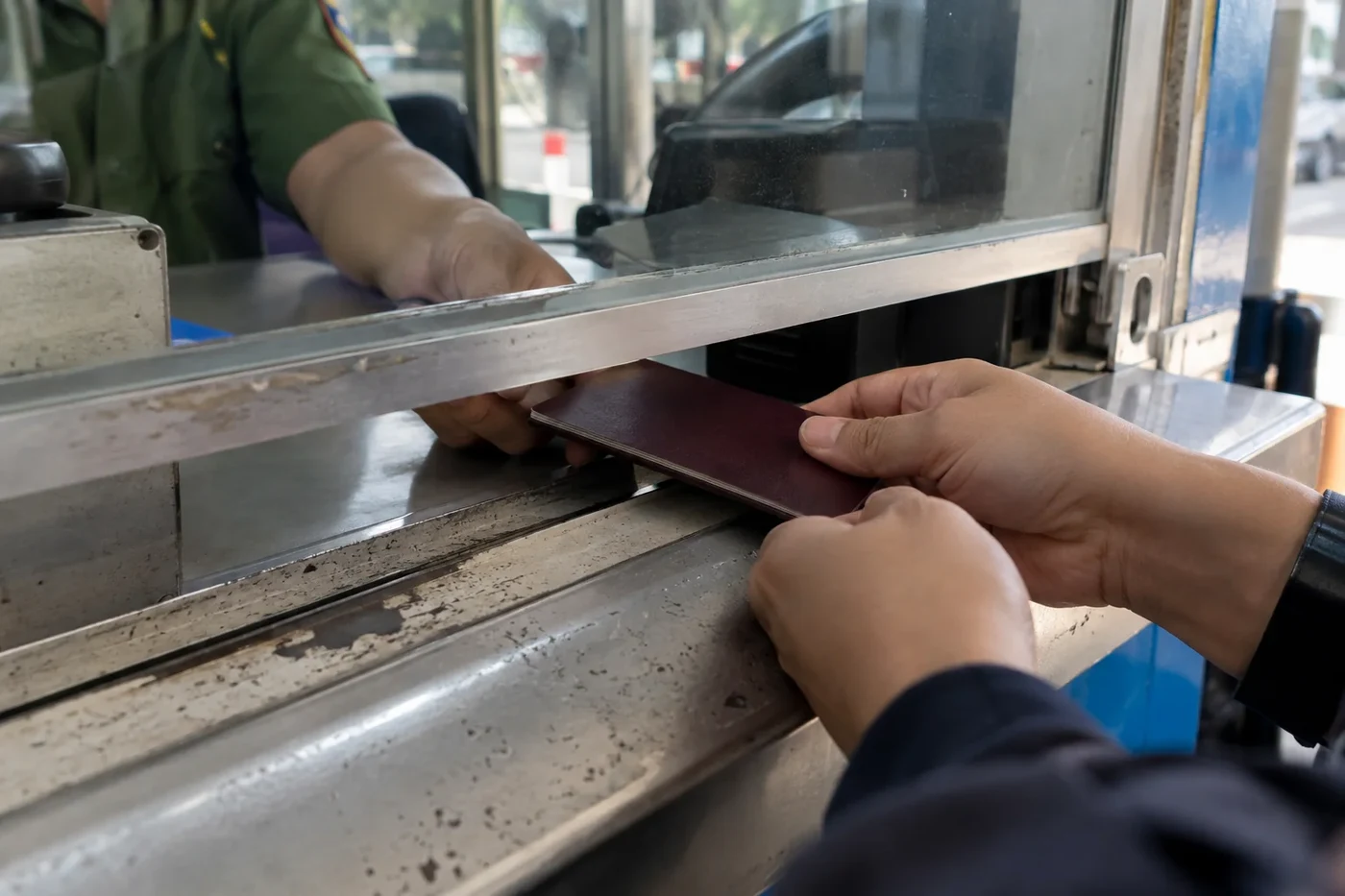
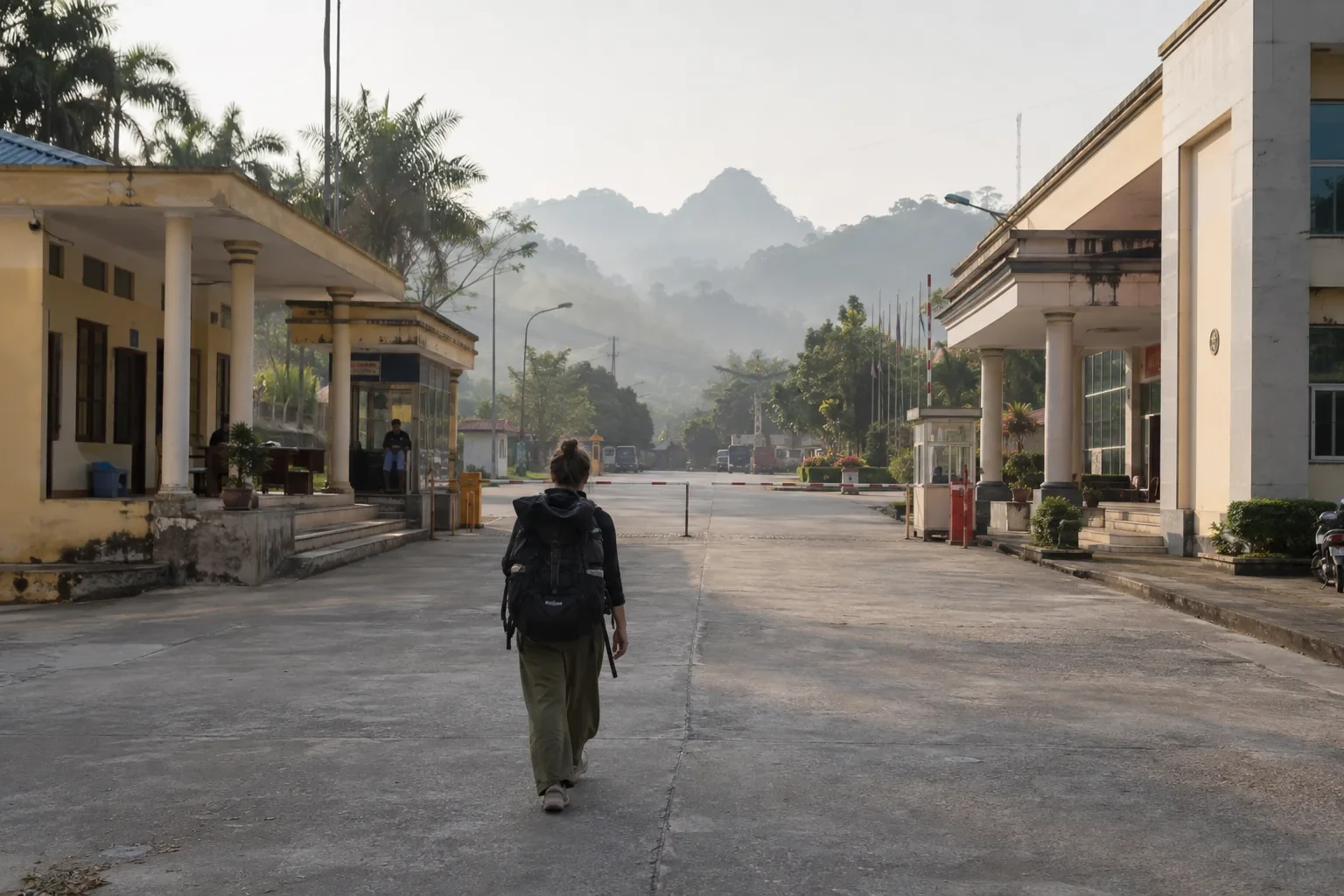
On the ground it is simple. You leave Vietnam in one building, walk about 300 m of neutral strip, and enter Cambodia in a second building. Touts wait on the approach and offer to “help” with forms; you do not need them. The Vietnamese exit queue usually takes 10-15 minutes, and the Cambodian side takes 15-45. Forum reports of 2-3 hours exist, mostly for travellers whose e‑visa was still pending. One traveller who took the 06:00 bus was back in Saigon around 13:30.
Living in Da Nang instead? Lao Bao into Laos is the closer border, and the full border comparison covers it. If Moc Bai is busy, the Xa Mat crossing about 60 km further north is quieter, though public transport there is thin.
What must be ready before you cross?
Before you cross, work out what lets you back in: a visa exemption for your nationality or an approved Vietnamese e‑visa. Vietnam does not issue visa on arrival at land borders, and a traveller with neither is turned back into Cambodia. This is where most failed runs start. The e‑visa costs $25 for a single entry and $50 for multiple entries, is valid for up to 90 days and takes 3-5 working days; you apply only on evisa.gov.vn. The port of entry you pick in the form must match the crossing you use, otherwise the officer refuses entry. A wrong port or a late approval means a new application and another 3-5 working days, which you then spend in Bavet or Kampot.

You can file the application yourself and check the port twice. At BestBus Vietnam we take that part off your hands: we pay the state fee, set the entry port for your crossing and confirm the e‑visa is live before you leave. The visa services page lists what is included. If you are leaving soon, send me your travel dates on WhatsApp.
Money and small things at the border
Bring cash in US dollars: the Cambodian visa is paid in cash, takes one photo and about 10-15 minutes. Unofficial “tips” of a few dollars are sometimes hinted at on dry-land crossings such as Moc Bai. They are not a fine and not mandatory, though arguing can slow the line, so keep your papers in order and stay polite.
What does a realistic same-day plan look like?
From Saigon, take the first bus around 06:00. With the ride and the border together, you can be back in the city in the early afternoon, as that 13:30 traveller was. My advice is to leave early: by midday you know whether the e‑visa was accepted, and you still have the afternoon in hand if a queue is slow.
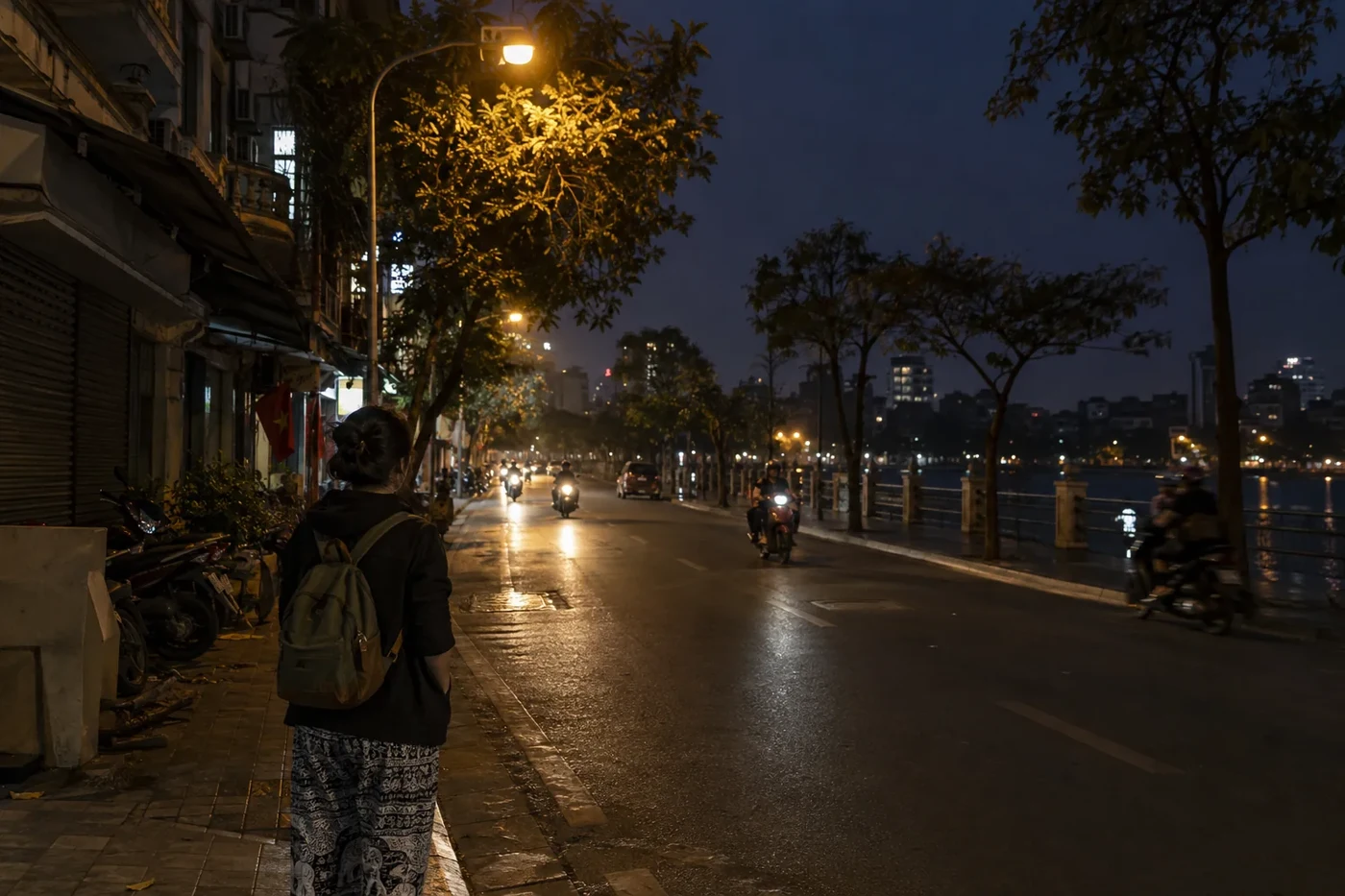
From Phu Quoc, the plan runs backwards from 18:00. Take a morning ferry from Bai Vong, count about 1 h 20 min on the water, 5-12 km to the checkpoint and 15-30 minutes of immigration, then keep an hour in reserve for the return boat. Treat the ferry timetable, not the border hours, as your real deadline.
Is Ha Tien worth it from Phu Quoc?
If you already live on the island, yes. The fast ferries of Superdong and Phu Quoc Express sail from Bai Vong in the north of the island; Duong Dong, the main town, is not a departure port. The crossing takes about 1 h 20 min, and an adult ticket is around 185,000-230,000 VND depending on the departure. Timetables change by season, so check superdong.com.vn the day before; our guides to the Ha Tien ferry and to visa runs from Phu Quoc have the rest.
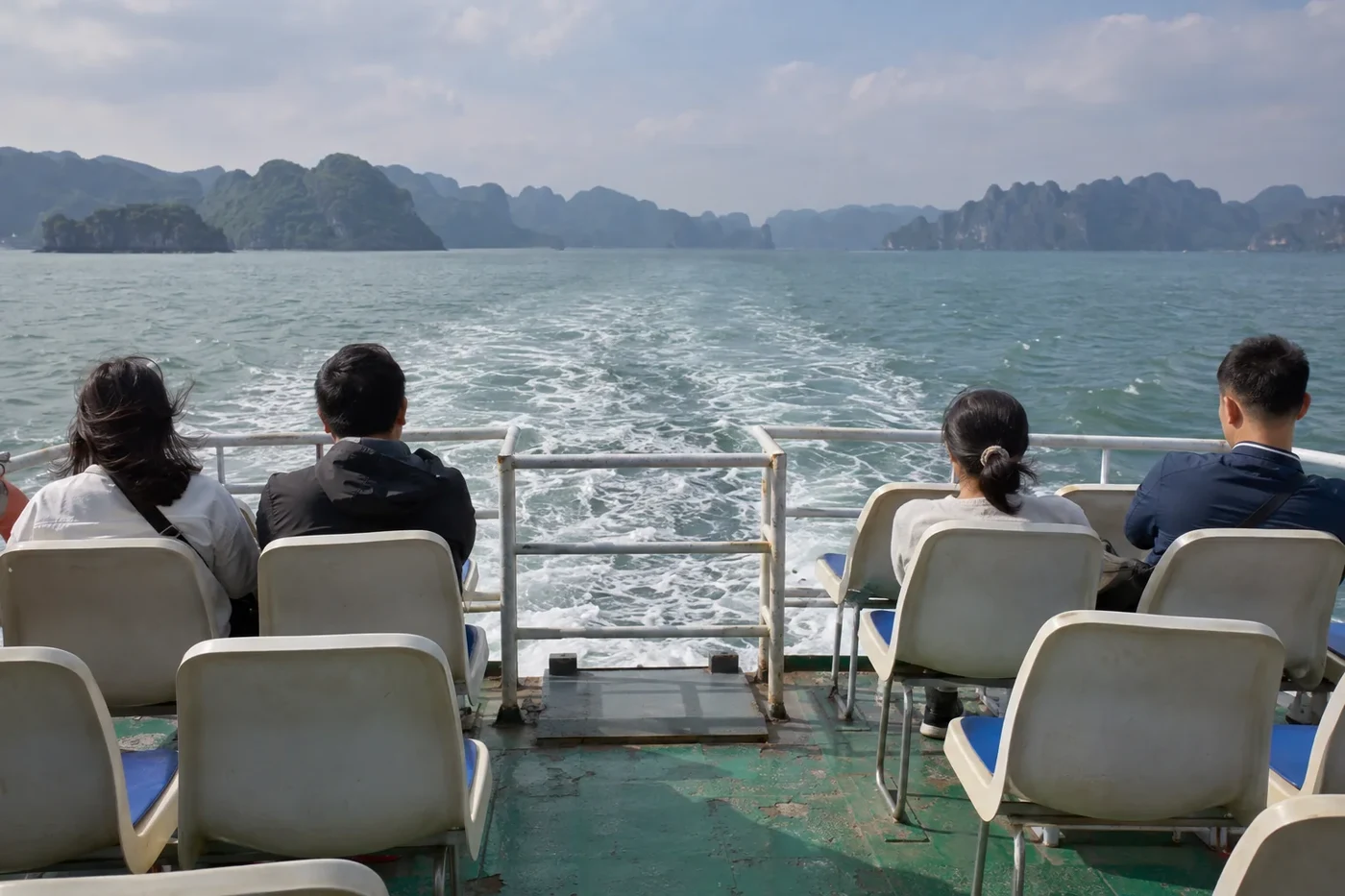
From the Ha Tien pier the checkpoint is 5-12 km away, a $4-6 taxi or a $2-3 motorbike ride. Immigration takes 15-30 minutes, and Kampot lies about an hour beyond the border if you want to stay a night. A late morning boat leaves little room for a long queue.
The Cambodian visa on arrival at Prek Chak is quoted at $30 in some sources and $35 in others, so carry small US bills and a few extra dollars; acceptance of Cambodia’s own e‑visa at Prek Chak is reported inconsistently, so do not plan the day around it.
How do you choose between the two?
Choose Moc Bai from Saigon and Ha Tien from Phu Quoc; four things decide it, in this order.

- Where you sleep tonight. Saigon points to Moc Bai, Phu Quoc points to Ha Tien. The 330 km road from Saigon to Ha Tien takes about eight hours, which makes it an overnight trip.
- The clock. Moc Bai stays open 16 hours, Ha Tien 11. A delayed e‑visa or a slow queue costs you far more at the smaller crossing.
- Budget. Moc Bai is usually $50-100 in total, Ha Tien $60-120 once ferry and transfers are counted.
- Tolerance for waiting. Moc Bai carries more traffic and more touts; Ha Tien is calmer outside December to February.
Your next step
Pick the crossing by your starting city, get the e‑visa approved with the right entry port before you book anything, and bring $30-40 in small US bills. If you would like the whole day built for you, from the ride out of Saigon or the ferry from Phu Quoc to the return, message me on WhatsApp with the date and the city you leave from and I will tell you what fits that week. A missed last ferry or a wrong entry port on the e‑visa is what usually ruins the day, and both are cheap to prevent in advance. Runs from both cities are arranged on request, so the earlier I see the date, the better the slot.
Frequently asked questions
How many visa runs in a row can I do?
Vietnam sets no official limit on the number of runs. Officers do start asking questions after a series, such as a return ticket, a hotel booking or proof of income, and the risk grows with every run.
Do I need a Cambodian e‑visa, or is visa on arrival enough?
Visa on arrival is enough at Moc Bai and costs $30 in cash, with $30-35 quoted at Prek Chak. The e‑visa at evisa.gov.kh costs $36 for 30 days and takes about three working days, so it mainly saves queue time, and its use at Prek Chak is unclear.
How many empty passport pages does a run use?
The Cambodian visa takes a full page. Keep three or four free pages if you plan several runs, and make sure the passport is valid for at least six months.
Do I have to wait between two Vietnam entries as a Russian citizen?
No. The 45-day visa exemption for Russians runs from 15 March 2025 to 14 March 2028 with no waiting period, so you can exit and re-enter on the same day and receive a fresh 45 days.
Does the closed Cambodia-Thailand border affect a visa run from Vietnam?
No. The closed crossings lie between Cambodia and Thailand, and no closure of the Vietnam-Cambodia border has been reported in 2026. Moc Bai and Ha Tien operate as usual, and the upgraded Chrey Thom - Khanh Binh crossing opened on 3 October 2026.