Moc Bai is Vietnam’s busiest land border with Cambodia, and most travelers cross it as part of a Ho Chi Minh City-based visa run rather than from Da Nang. The gate area runs roughly 7 AM to 6 PM daily, a Cambodia visa on arrival costs $30 cash, and the whole HCMC-Moc Bai-Bavet-HCMC round trip usually takes 3-5 hours if you leave before 9 AM.
I run visa services out of Da Nang, on the other side of the country from this crossing, so I’ll be upfront about that before anything else: everything below is verified against multiple 2026 travel-industry sources, but I have not personally driven this specific route. If you’re Da Nang-based, read to the end for why Lao Bao usually makes more sense for you, and why Moc Bai still matters if you’re already in Saigon.
What Time Is the Moc Bai Border Open in 2026?
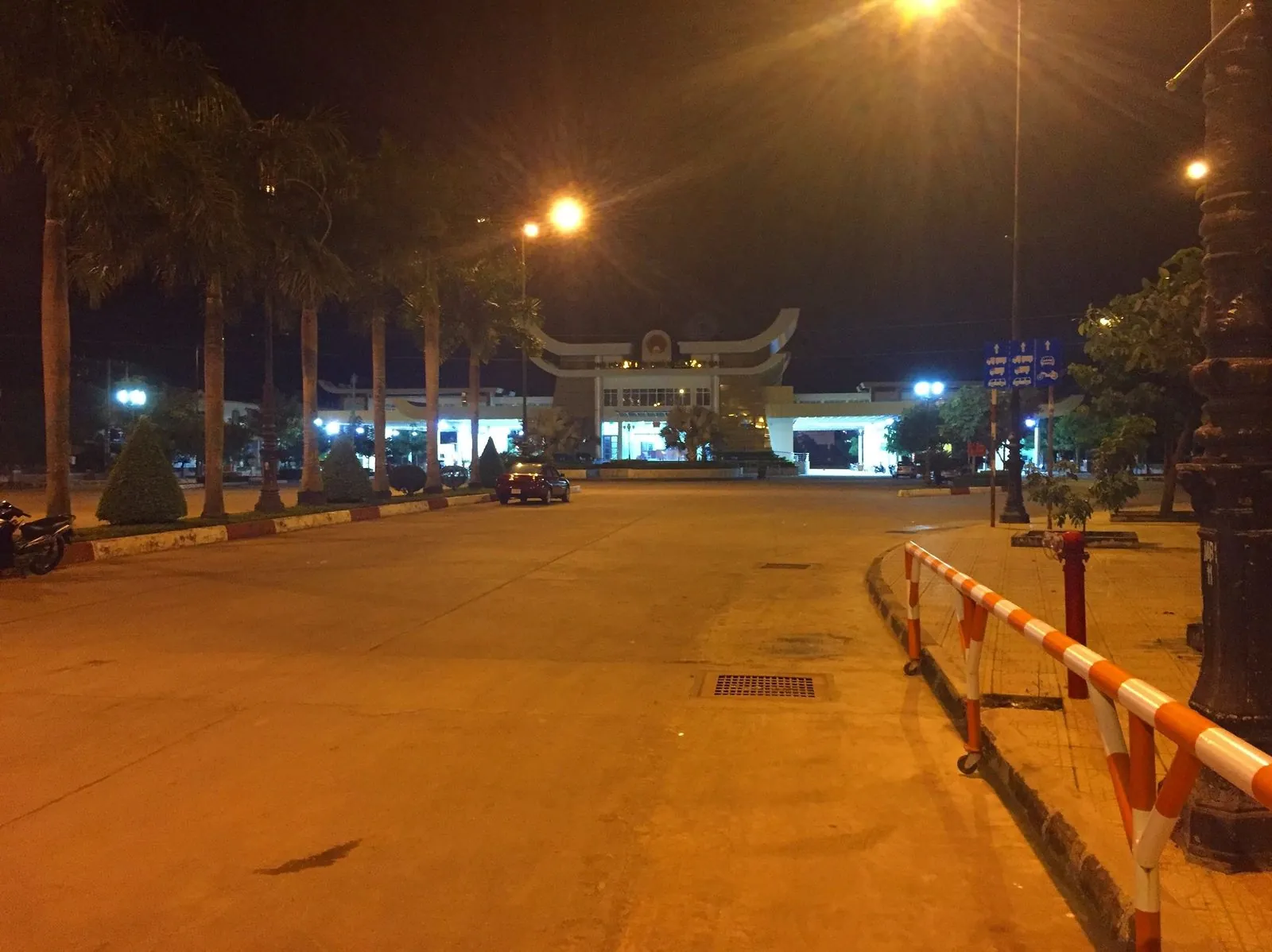
The Vietnam side of Moc Bai runs daily with no weekly closing day, and the gate area is generally open from around 7:00 AM to 6:00 PM, with immigration processing effectively stopping closer to 5:00 PM.
Sources disagree here, and it’s worth saying so plainly rather than pretending there’s one clean answer. Some travel guides list the closing time as 6 PM, others say 8 PM, and a few claim 10 PM. No official Vietnamese government page states hours definitively in the sources I checked. The practical guidance that every source agrees on: don’t plan to arrive in the late afternoon or evening. If you show up after 3 PM, you’re gambling with a border that might already be winding down for the day.
How Do You Get From Ho Chi Minh City to Moc Bai?
Moc Bai sits about 70 km from central Ho Chi Minh City, roughly 34 km south of Tay Ninh City, and a private car or motorbike covers it in 2 to 2.5 hours in light traffic, though 2.5-4 hours is realistic once you account for congestion and the border queue itself.
Public bus route 703 leaves Ho Chi Minh City from the Pham Ngu Lao / Park 23/9 bus station every 30 minutes, costs 40,000 VND (about $2) one way, and takes around 3 hours to reach the border. If you’d rather not deal with a public bus, private bus operators sell direct Pham Ngu Lao-Moc Bai tickets for roughly $10-12 per person, and most tourist-facing sleeper coaches heading into Cambodia use this same crossing.
What Visa Do You Need to Enter Cambodia at Bavet?
You need either a Cambodia e‑Visa purchased in advance for about $36 total, or a visa on arrival paid in cash for $30 at the Bavet checkpoint itself, and both give you a single-entry 30-day tourist stay.
The e‑Visa (tourist) runs about $36 all-in (a $30 visa fee plus a $6 processing charge), is single-entry, valid for a 30-day stay, and usually issued within about three business days when applied for at the official evisa.gov.kh portal. If you’d rather not wait, the visa on arrival costs $30 flat, paid in clean US dollar bills, and officers typically ask for a passport photo (some will waive it for a small extra charge). Either way, your passport needs at least 6 months of validity remaining and a blank visa page.
One warning worth repeating from more than one source: unofficial “helpers” hang around land crossings including Bavet offering to speed up your paperwork for a fee. The official fee is $30, you should get a receipt, and you should never hand your passport to anyone who isn’t in uniform behind an official counter.
Do You Need a New Vietnam Visa to Re-enter?
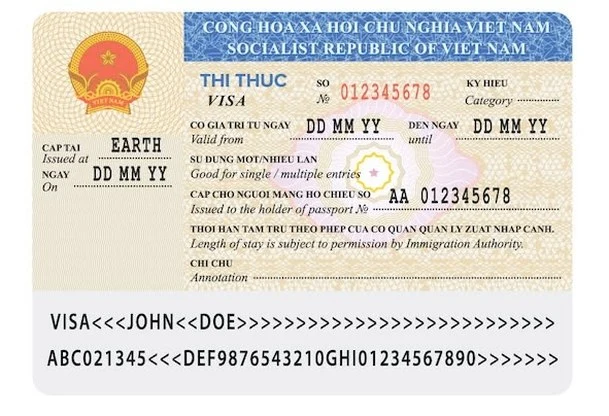
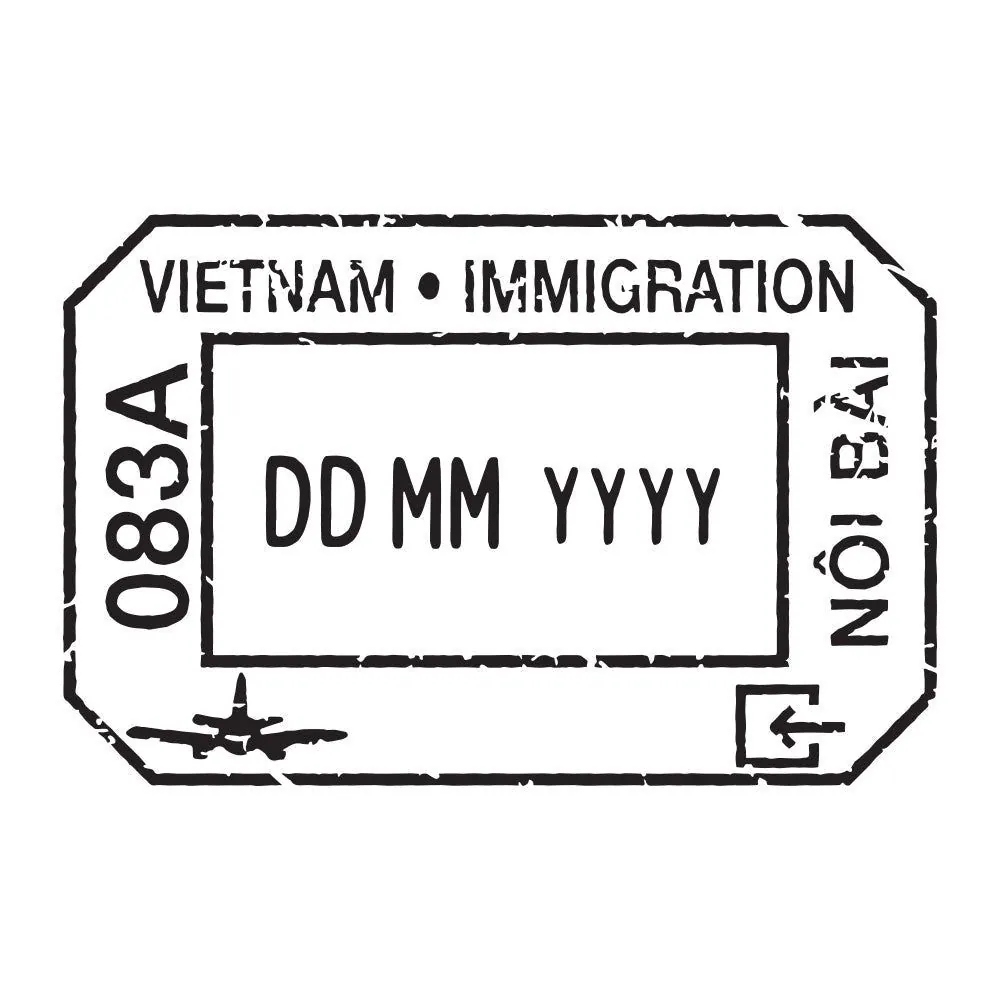
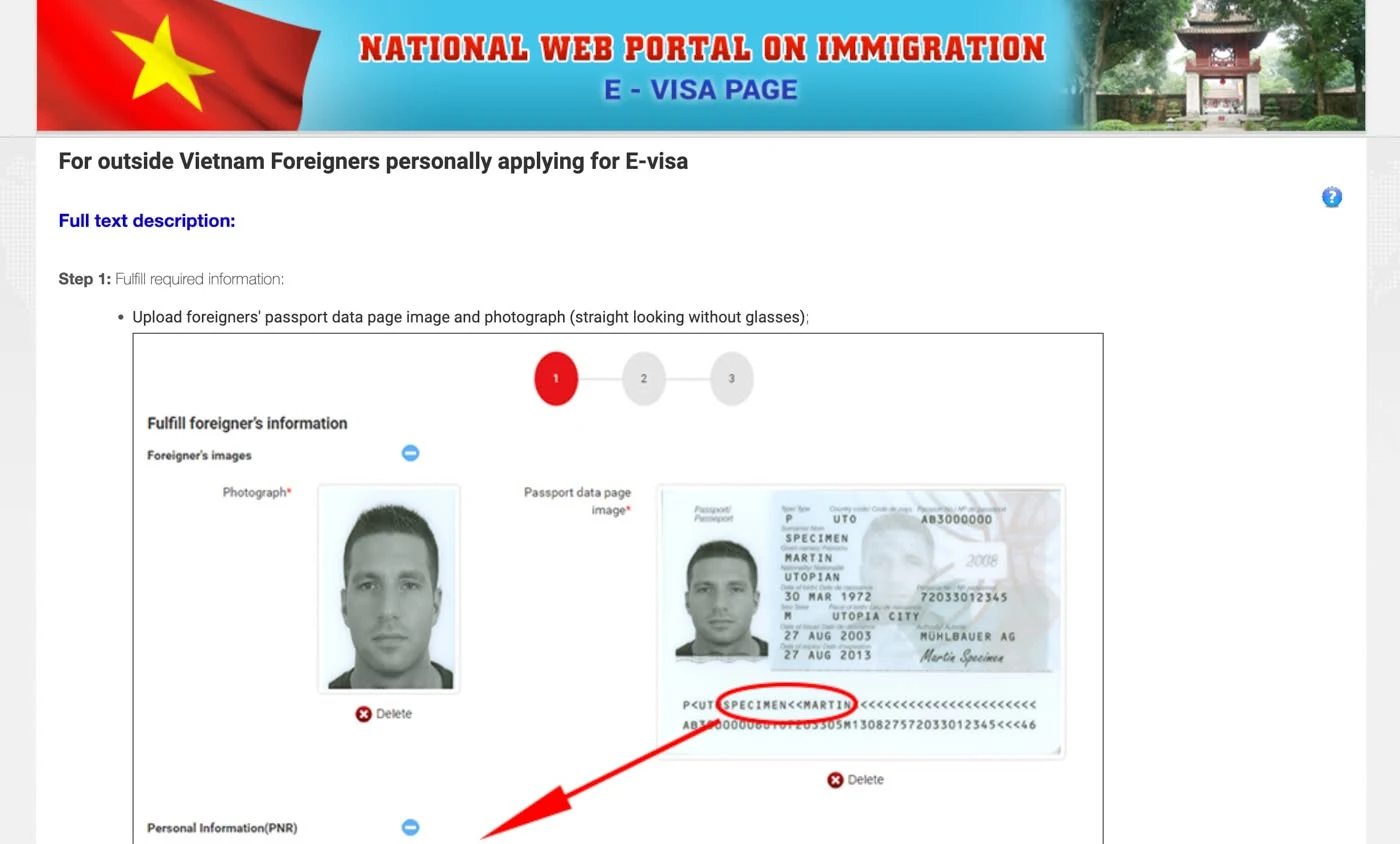
Most people crossing at Moc Bai for a visa run are re-entering Vietnam on a fresh e‑visa rather than getting a stamp at the counter, and that e‑visa has to name Moc Bai as your entry port before you leave Cambodia.
Under current Vietnamese law, e-visas can be issued for up to 90 days, single or multiple entry depending on what’s approved, and you select your exact entry/exit port when you apply. You cannot change that port after the e‑visa is issued, so if your paperwork says a different crossing, Moc Bai will turn you back. One older figure still circulating online quotes a $25 (single-entry) or $50 (multiple-entry) land-border stamping fee, but that comes from a 2019-era article and describes a visa-on-arrival mechanism that’s largely been replaced by the e‑visa system. I’d treat that number as outdated rather than something to budget around.
Step-by-Step: Crossing From Vietnam Into Cambodia at Moc Bai
- Arrive at the Moc Bai checkpoint before mid-afternoon, ideally between 8:30 and 10:30 AM on a weekday, when queues tend to be shortest and large sleeper buses haven’t clogged the counters yet.
- Join the Vietnam exit line and hand your passport to a uniformed Vietnamese immigration officer; a firsthand account puts the wait here at around 30 minutes on a normal day.
- Walk across the no-man’s-land stretch between the two checkpoints. Estimates vary by source, from roughly 200 meters to several hundred meters depending on which segment is measured, and an electric shuttle cart is available for about 25,000 VND (roughly $1) if you’d rather not walk in the heat.
- At the Cambodian side in Bavet, present your e‑Visa printout or apply for a visa on arrival, paying the $30 fee in cash if you haven’t pre-arranged an e‑Visa.
- Complete Cambodia’s e-Arrival declaration before you travel if it applies to your crossing. This free digital form replaced paper arrival cards for air travelers and is being extended to land crossings, though its coverage at Bavet specifically wasn’t confirmed as fully mandatory in the sources I checked, so bring a pen in case you’re still handed a paper form.
- Clear Cambodian immigration and continue to your onward transport, or turn around and repeat the process to head back into Vietnam on your new e‑visa.
Total processing on both sides, door to door, typically runs 30-60 minutes depending on crowding and officer efficiency.
Can You Do a Moc Bai Visa Run in a Single Day?
Yes, but only if you leave Ho Chi Minh City before 9 AM, because the last public bus 703 departure from Moc Bai back toward Saigon runs around 4-5 PM.
Add up the pieces and a full same-day round trip usually lands somewhere between 3-5 hours if everything goes smoothly, and 6-7 hours if you’re relying on slower public transport or hit a busy queue. That math only works from a Ho Chi Minh City start point. There’s no verified route or timetable connecting Moc Bai directly to Da Nang, which sits roughly 900 km to the north, so anyone starting from central Vietnam is looking at a domestic flight to Ho Chi Minh City first, not a direct day trip.
What Mistakes Cost People the Most Time at Moc Bai?
The two most common mistakes are showing up in the late afternoon and applying for an e‑visa with the wrong entry port listed, and both are fixable before you ever leave home.
Arriving after 3 PM risks running into a border that’s already scaling down for the day, given how much the stated closing hour varies between sources. Listing any port other than Moc Bai on your Vietnam e‑visa application means immigration can legally refuse entry, since the port can’t be changed after issuance. Beyond those two, bringing anything less than 6 months of passport validity, showing up without US dollar cash for the Cambodian visa fee, and accepting help from an unofficial “fixer” near the checkpoint are the other ways this trip goes sideways. If you’d rather not handle this yourself, our Da Nang visa run page shows the timings and what’s included.
Moc Bai or Lao Bao: Which Border Actually Works From Da Nang?
If you’re based in or near Da Nang, Moc Bai isn’t the crossing I’d point you to. Lao Bao, on the Laos border, is a direct drive from Da Nang and doesn’t require a domestic flight first, and it’s the route my team actually runs day in, day out. I’ve written up the full comparison of visa run options from Da Nang if you want to see how Lao Bao stacks up against flying south.
Moc Bai matters if you’re already in Ho Chi Minh City, or if a Cambodia visa run specifically is what your situation calls for and you’re willing to fly down for it. Where I can help either way is the part that has nothing to do with which border you use: filing your Vietnam e‑visa correctly, with the right entry port, paid through a card the government portal actually accepts. That last part trips up a lot of travelers on their own, because evisa.gov.vn rejects a surprising number of foreign cards outright - see my breakdown of how to fill out the Vietnam e‑visa form if you want to see exactly where it trips people up.
I handle the e‑visa paperwork and payment for clients regardless of which border they’re crossing, and for anyone near Da Nang I usually walk them through the Lao Bao run directly rather than sending them south. If you’re planning a Moc Bai crossing from Saigon, I’ll still sort your Vietnam e‑visa so the port and dates match exactly before you leave, and get you a fresh one waiting when you’re ready to come back. Message me on WhatsApp with your travel dates and I’ll tell you what’s realistic on your timeline.