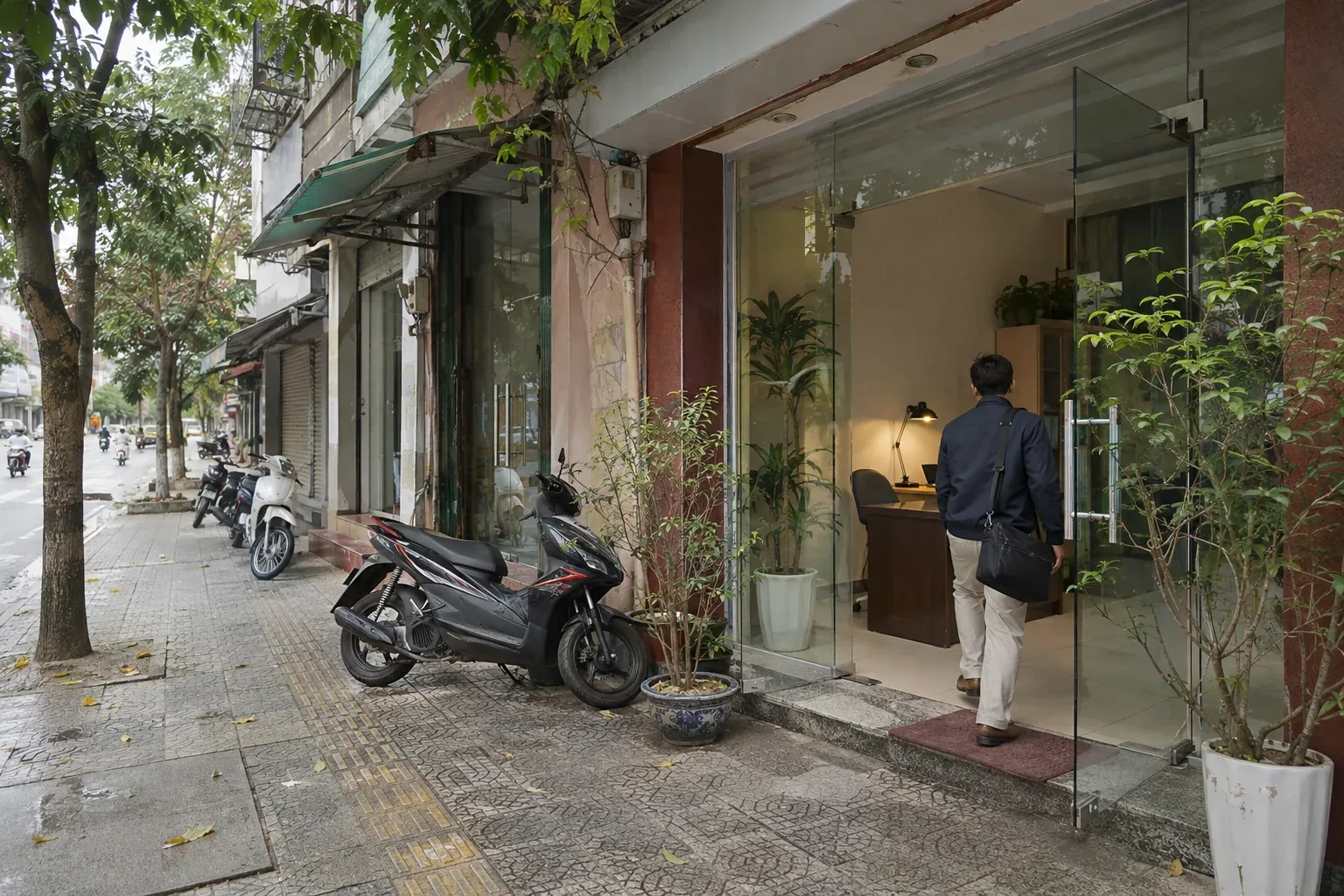
A foreigner marrying a Vietnamese citizen files with the People’s Committee of a commune or ward, which has 5 working days to decide, or 10 if it verifies the file. You bring a status certificate and a health certificate, your partner brings an ID, and both of you attend in person.
I am Sergey, and I handle visas and border runs for foreigners in Vietnam. Marriage registration is not my service, so this page sticks to what legal texts and official pages support. Fees and small details differ by province, so check each one with your commune office.
Who registers a marriage with a Vietnamese citizen now?
Since 1 July 2025 the People’s Committee of the commune, ward or special zone registers a marriage with a foreign element, under Decree 120/2025. Before that the job belonged to the district level, which is why many English guides and forum posts still send you to a district justice office. You can file where either partner has permanent or temporary registration, and the national and provincial service portals accept online filing.
Phone the office before you start, because practice differs between provinces. For the visa and residence card side of a mixed marriage, my marrying in Vietnam guide goes through it.
What papers does the foreign partner bring?
The foreign partner brings an application form, a passport copy, a certificate of marital status from their own country, a health certificate, and translations. The form is one joint sheet that both partners can fill in. The papers below come from Article 30 of Decree 123/2015 as amended by Decree 07/2025.
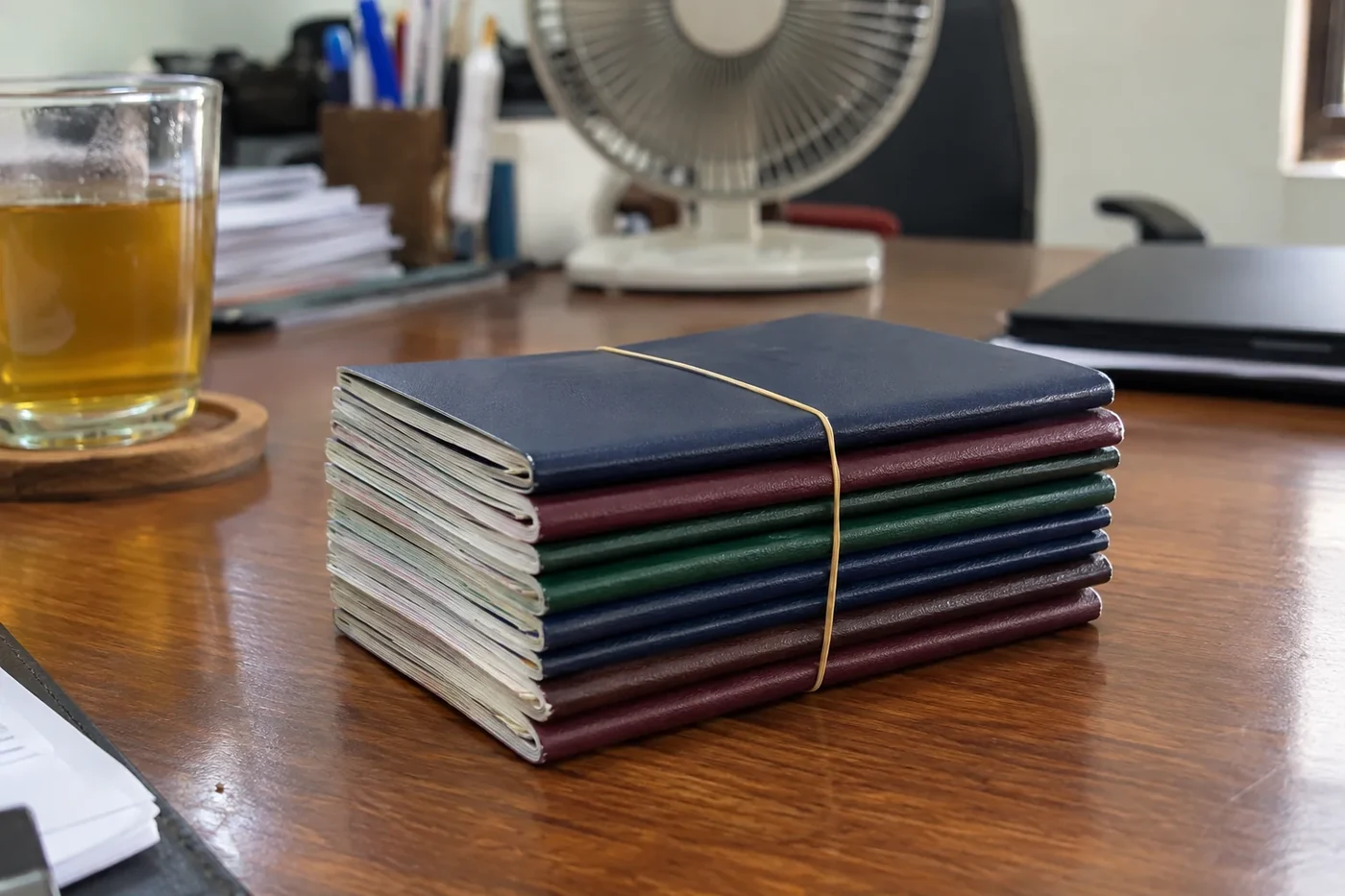
- A passport copy, or a residence permit if you have no passport.
- A certificate from the authority of your country saying you are currently unmarried. If your country issues no such paper, a document saying you may marry under your own law replaces it.
- A health certificate, covered below.
- Vietnamese translations, notarised, with legalisation or an apostille on the foreign originals.
Both the status certificate and the health certificate count as valid for 6 months from issue when the paper shows no date of its own. Some embassies tell you to file within 3 months, which is their own rule. If you were married before, the status paper must show that you are free now, and it helps to keep your divorce decree at hand.
What does the Vietnamese partner bring?
The Vietnamese partner brings the form and a citizen ID card or a passport, and in the usual case nothing more. Under Decree 07/2025, in force since 9 January 2025, the office checks marital status itself in the civil status and population databases, so a separate status certificate is no longer asked for. A Ministry of Justice letter of 4 February 2025 says the same.
There are two exceptions. A person divorced abroad whose divorce is missing from the database first has it recorded in the Vietnamese register, and only then can the marriage file be accepted. A civil servant or a member of the armed forces also needs a letter from their organisation.
Do you really need a health certificate?
Yes. Article 38 of the Civil Status Law asks for a certificate from a medical organisation, in Vietnam or abroad, that the person does not suffer from a mental illness or another condition that prevents them from understanding and controlling their actions.

Which hospital you use is where people lose days. One expat forum thread describes a clinic that tested the foreigner in a short conversation, and another a hospital with English signs that refused foreigners entirely. Get the hospital’s name from the commune office before you book or pay for anything.
How do translations and the apostille work after 11 September 2026?
Since 11 September 2026 an apostille can stand in for consular legalisation on papers from other Hague Convention states, but the Vietnamese translation with notarised certification is still required. Vietnam deposited its Hague Apostille instrument on 31 December 2025, and the Convention entered into force for Vietnam on 11 September 2026, as the HCCH announcement states.

Austria, the Czech Republic and Germany objected to Vietnam’s accession, so for papers from those three the Convention does not apply and consular legalisation stays. An apostille does not replace the translation or the notary stamp, and communes may treat an apostilled status certificate differently from consular legalisation. Order the stamp only after the office has told you which form it takes.
How long does registration take, and what does it cost?
Under the 2025 rules the office decides within 5 working days of a complete file, and within 10 if it needs to verify something. The older Civil Status Law gave 15 days, so you will still see that figure online.
The fee is set by each provincial council. The usual range is 1,000,000 to 1,500,000 VND, and a council resolution in Lang Son province sets it at 1,500,000 VND. Ask your commune for its current fee.
The order that saves money:
- Ask the commune office for its current document list and its hospital, in writing if you can.
- Request your status certificate at home, so that it is under 6 months old on filing day.
- Do the health check, then order translations and the apostille or legalisation.
- File, in person or online, and wait out the 5 to 10 working days.
- Both partners attend to sign, and each receives one original certificate.
Will your home country accept the Vietnamese certificate?
Usually after a few extra steps. A Swiss consulate information sheet from January 2026 asks for an extract from the marriage register issued by the People’s Committee, legalisation by the Ministry of Foreign Affairs in Hanoi or the Foreign Affairs Department in Ho Chi Minh City, and a notarised translation, all under 6 months old. Other countries differ, so ask your own civil registry what it wants before you file.
Which visa should you hold while the file is pending?
The registration texts do not name a visa, and Vietnamese legal sites disagree on whether a tourist entry is enough, so enter on a valid visa and keep it valid until the certificate is in your hand. Overstaying brings fines and trouble at exit, which I cover in the overstay and entry ban guide. My visa services page lists the ways to stay lawful meanwhile.
After the wedding the foreign spouse can get a TT (family) visa of up to 12 months, and then a temporary residence card of up to 3 years, which I explain in my TRC guide. To bridge the weeks of paperwork you can apply for a new e‑visa on the government portal yourself or cross the border by bus and re-enter. If you would rather have it done for you, the 90-day e‑visa service covers the gap.
Start with two questions to your commune office: which documents it wants and which hospital it takes. The two real risks are a status certificate older than 6 months and a visa that expires before the certificate is signed. If the visa worries you, at BestBus Vietnam I extend visas in-country or arrange a border run around your dates: message me your visa expiry date on WhatsApp and I will tell you what fits.