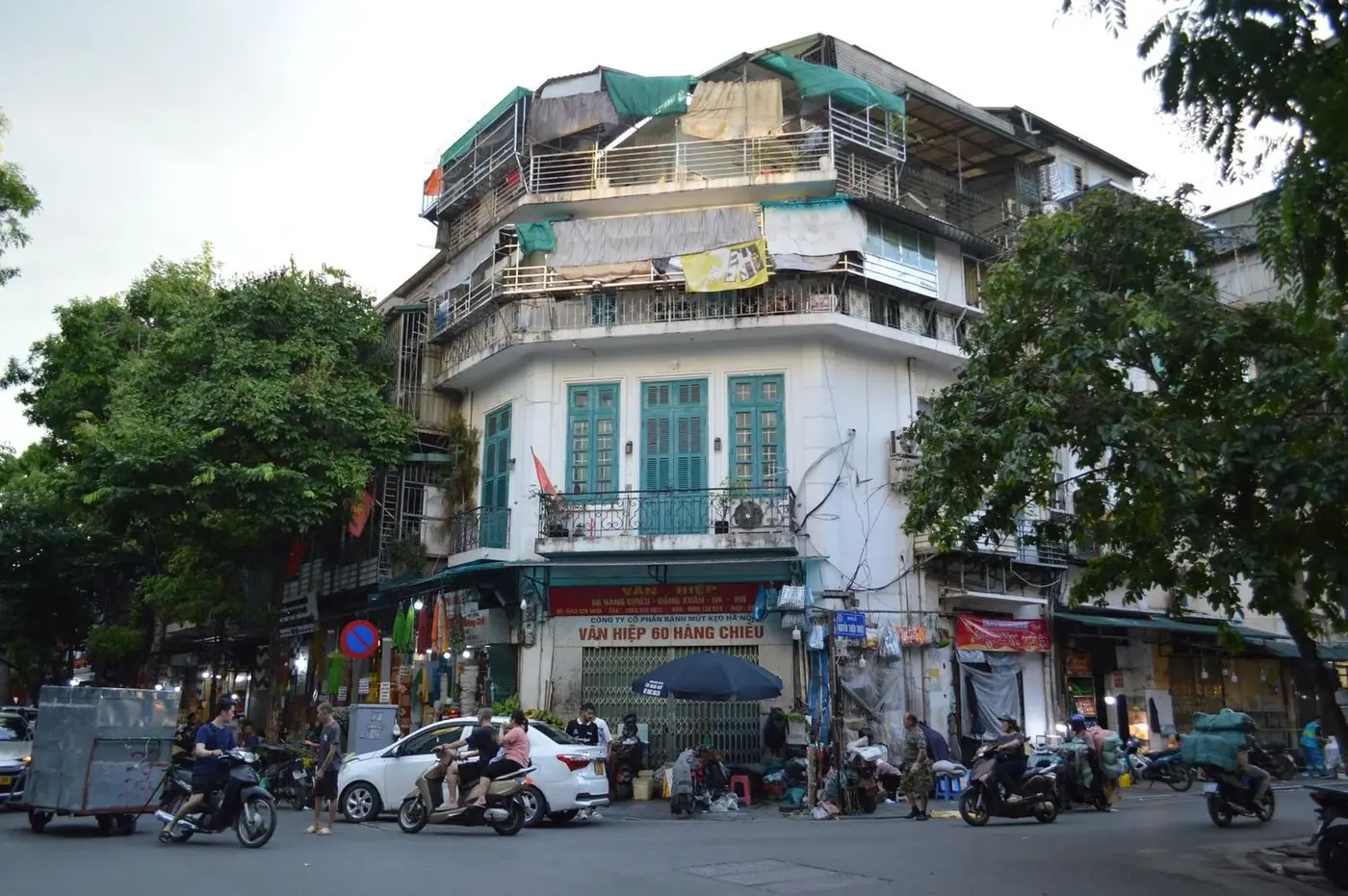
Vietnamese law does not explicitly ban a marriage between two foreigners, and since 1 July 2025 marriages with a foreign element are registered by the People’s Committee of the commune or ward, in 5 working days or up to 10 if the file is checked. What I could not find in any official source is confirmation that the committee accepts a file from two non-Vietnamese applicants, so call before you pay for translations. Whichever route you choose, your visa has to stay valid for the whole process.
I am Sergey, and I handle visas and border runs for foreigners in Vietnam. Marriage registration is not my service, so this page sticks to what official pages and the legal texts support, and every gap is marked as unconfirmed.
What does Vietnamese law say about two foreigners marrying?
Article 37 of the 2014 Law on Civil Status lets a foreigner who lives in Vietnam apply at the office where they reside, and nothing in the text I checked forbids two foreigners from applying together. Practice may differ: an English-language expat forum states that two foreigners cannot legally marry in Vietnam, and a Russian-language travel site calls the route impractical.
The 2014 Law on Marriage and Family removed marriages between foreigners with permanent residence in Vietnam from the definition of a foreign element. How that interacts with Article 37 is not explained in any official clarification I found. Treat the answer as open until the committee confirms it for your case.
Who accepts the file after the 2025 reform, and how fast?
Decree 120/2025 took registration of marriages with a foreign element away from the district level and gave it to the People’s Committee of the commune, ward or special zone. The Can Tho city justice department gives the timeline: 5 working days from a complete file, and up to 10 when verification is needed.
You file where one of the partners lives. Guides that send you to a district justice office describe the system before 1 July 2025. The fee is set by each provincial council, and I could not confirm any current figure after the reform, so ask the committee for the amount.
Which documents will the committee ask for?
Guidance from Vietnam’s Ministry of Justice, repeated by legal portals, asks a foreigner who does not live in Vietnam permanently for the items below. The list has changed over the years, so request the current version in writing.
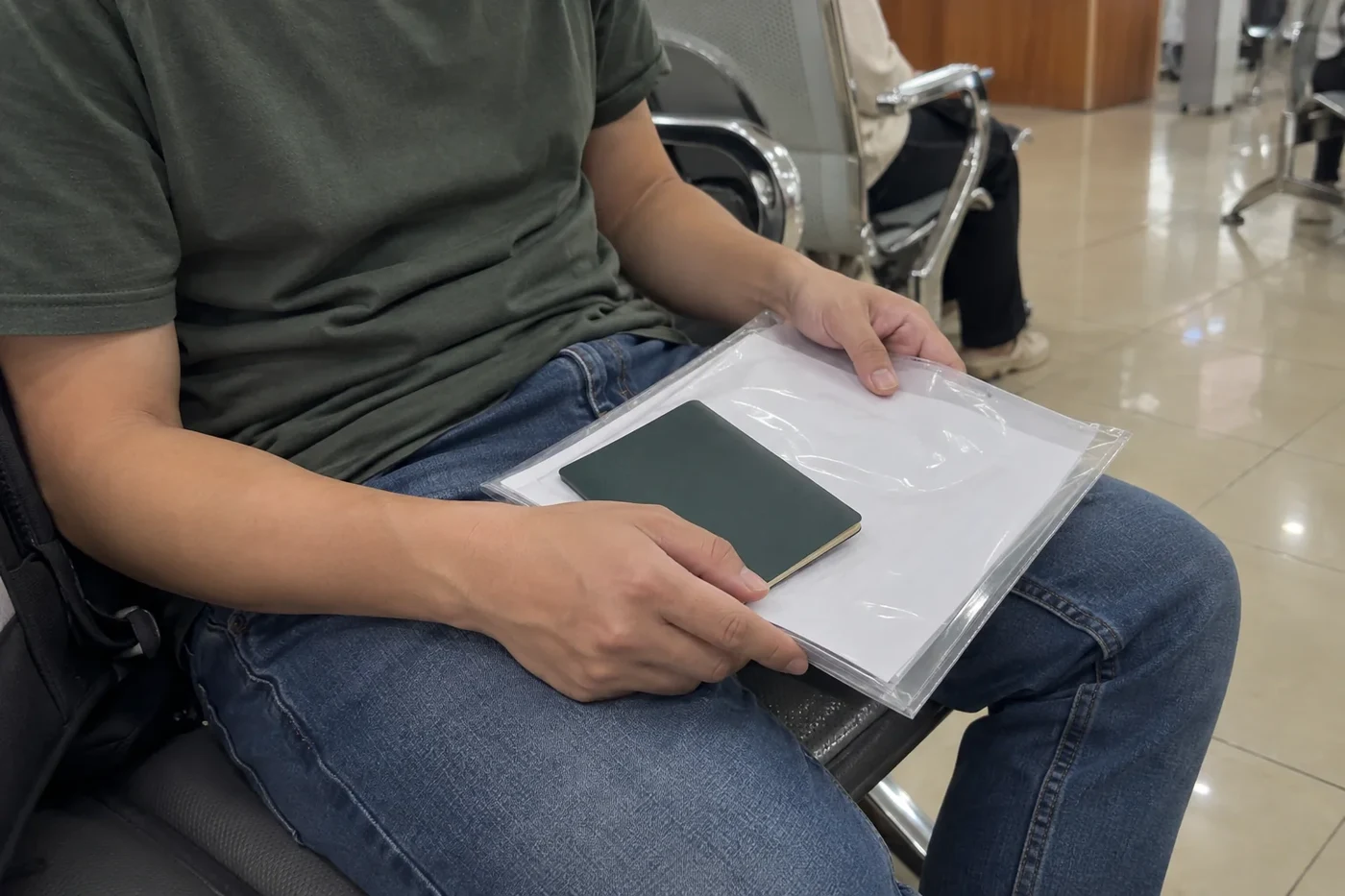
- Passport.
- Certificate of marital status from the country of citizenship or residence, which legal portals put at 6 months of validity.
- A document confirming you may marry under your home country’s law, where that country issues one.
- A copy of a temporary residence card or a tạm trú temporary residence registration certificate.
- Vietnamese translations with certification, plus legalisation of foreign documents.
For how a residence card works in practice, see my Vietnam TRC guide.
Does the apostille change anything from September 2026?
Yes, for documents from Convention countries. Vietnam acceded to the Hague Apostille Convention on 31 December 2025, and it entered into force for Vietnam on 11 September 2026, as the HCCH status table shows. An apostille now replaces consular legalisation between Vietnam and states that did not object.

Germany, Austria and the Czech Republic objected, so the Convention does not apply between them and Vietnam. Papers from those countries still go through consular legalisation. The expensive slip here is ordering the apostille out of habit, because for these three the stamp buys nothing in Vietnam. I found no Russian objection in the excerpts I checked, but confirm with a notary before ordering stamps.
How do you test the route before spending money?
The order matters more than the paperwork itself: until the committee confirms it takes a file from two foreigners, translations and apostilles are a gamble.

- Visit or call the People’s Committee of your commune or ward and ask whether it accepts an application from two foreign nationals, then request the current document list.
- Request your certificate of marital status from your home authority or embassy, and make sure it is less than 6 months old on the day you file.
- Get certified translations, and an apostille where the issuing country is a Convention state.
- Prove residence with a tạm trú certificate or a temporary residence card, and check that your visa covers the registration date.
- File, then wait out the 5 working days, or up to 10 if the committee verifies the file.
Gathering the papers takes weeks, and a tourist visa or a 90-day e‑visa can expire in the middle of it. An overstay brings fines and trouble at exit, which is covered in the overstay fine guide. You can track the dates yourself, but if you would rather not, at BestBus Vietnam I extend visas in-country or set up a border run around your dates: message me your visa expiry date on WhatsApp and I will tell you what fits.
Will your home country recognise a Vietnamese certificate?
I can vouch for one country: Russia. Article 158 of the Russian Family Code recognises marriages concluded abroad under the law of the place of marriage, including marriages between foreign citizens, and no repeat registration in Russia is needed. In practice Russian registries usually expect an apostille on the certificate plus a notarised Russian translation, so confirm with your registry office.
Russia and Vietnam also signed a legal assistance treaty on 25 August 1998. Its Article 15 accepts documents certified by a justice institution of one side without legalisation, and Article 24 sets the form of marriage by the law of the place. Whether a Vietnamese marriage certificate counts as such a document is unclear to me, so get the apostille anyway. For any other country, ask your own civil registry before you file.
What can Russian citizens do at their own consulate?
Article 157 of the Russian Family Code lets Russian citizens living abroad marry at a Russian embassy or consulate, with a one-month wait after the complete file is submitted and no later registration in Russia. Russia has an embassy in Hanoi and consulates general in Da Nang and Ho Chi Minh City, listed on the Russian foreign ministry site.
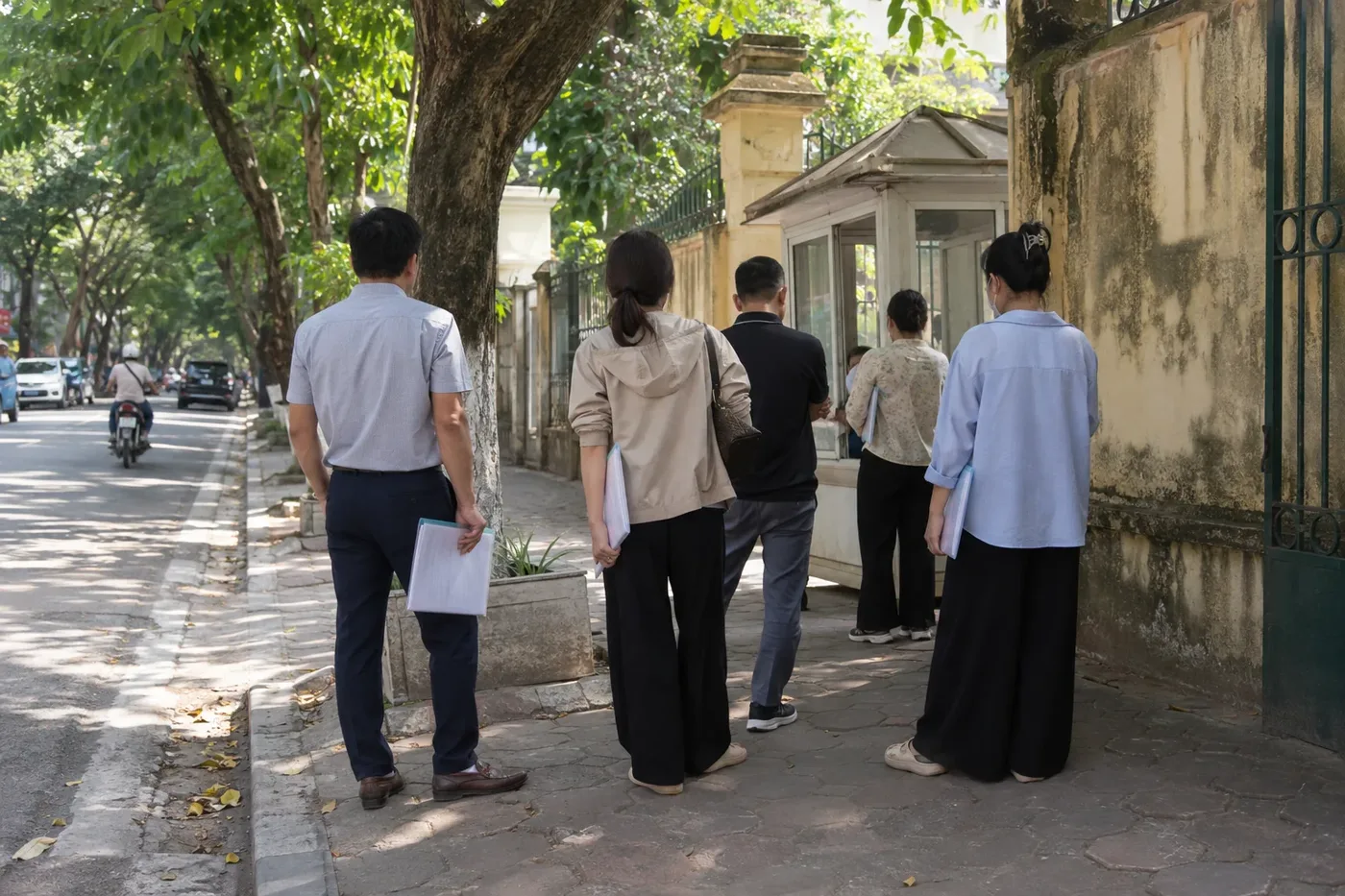
I could not confirm the consular fee, the document list, or whether these missions register such marriages in practice, because the official pages did not open during my check. One tourism site claims one partner needs permanent registration in Vietnam; Article 157 contains no such condition. Ask the mission before you book.
What should you choose?
Start with the People’s Committee where one of you lives. If it takes the file, you get an answer within days. If it refuses and both of you hold Russian passports, ask the consulate, where the wait is one month. I lean towards the committee call first for a plain reason: it costs nothing, while the consulate’s month starts only once your file is complete. If neither works, hold a symbolic ceremony in Vietnam and register in your home country. Keep the visa valid until the registration date in every scenario.
You can assemble the papers without me, since translators and notaries exist for that. The hard part is the calendar: a certificate that expires, a committee with its own turnaround, a consulate with its month, and a visa with its own end date. If you want help lining those up, tell me where you are in the process on WhatsApp with your city, your visa end date and where you are with the papers, and I will map the dates so the visa outlives the registration.
Frequently asked questions
Does a beach ceremony have legal force in Vietnam?
No. Under Article 9 of the 2014 Law on Marriage and Family, a marriage is valid only after registration with a state body, so a ceremony without a certificate is symbolic. A hotel or restaurant cannot issue that certificate, only the registering body can.
Is there a dedicated marriage visa?
I found none in the sources I checked. Whether a tạm trú certificate is enough or a temporary residence card is required, and whether a tourist visa or e‑visa suffices for it, is not confirmed. The committee decides.
How old do we need to be?
Legal portals report that Vietnamese law requires men to be at least 20 and women at least 18, and the law of each partner’s citizenship applies as well. Confirm with the committee.
What if one of us is Vietnamese?
A mixed couple is also a marriage with a foreign element, so since 1 July 2025 the file goes to the same commune-level People’s Committee, but the conditions differ and are not covered here. Check them separately before you start.