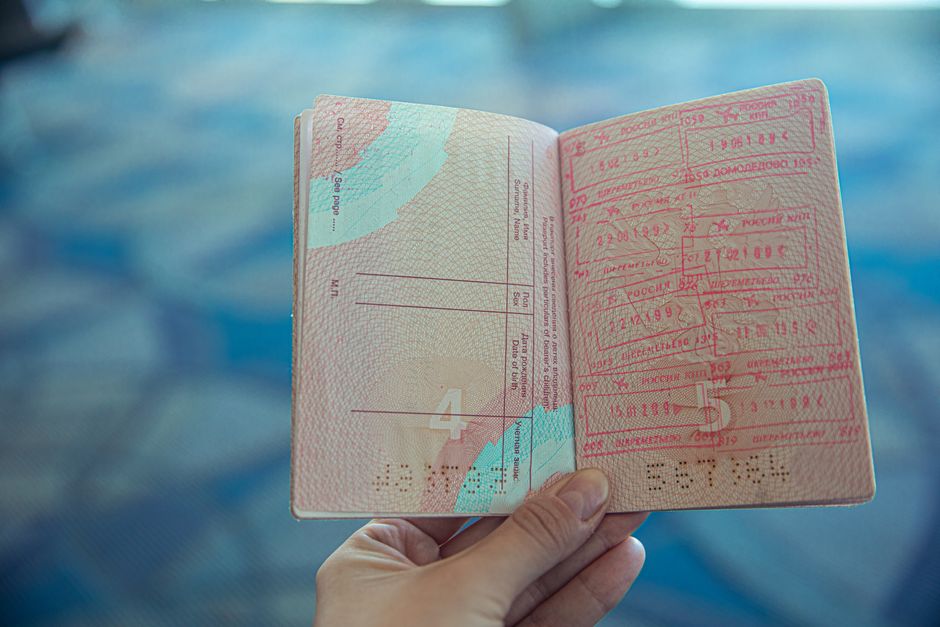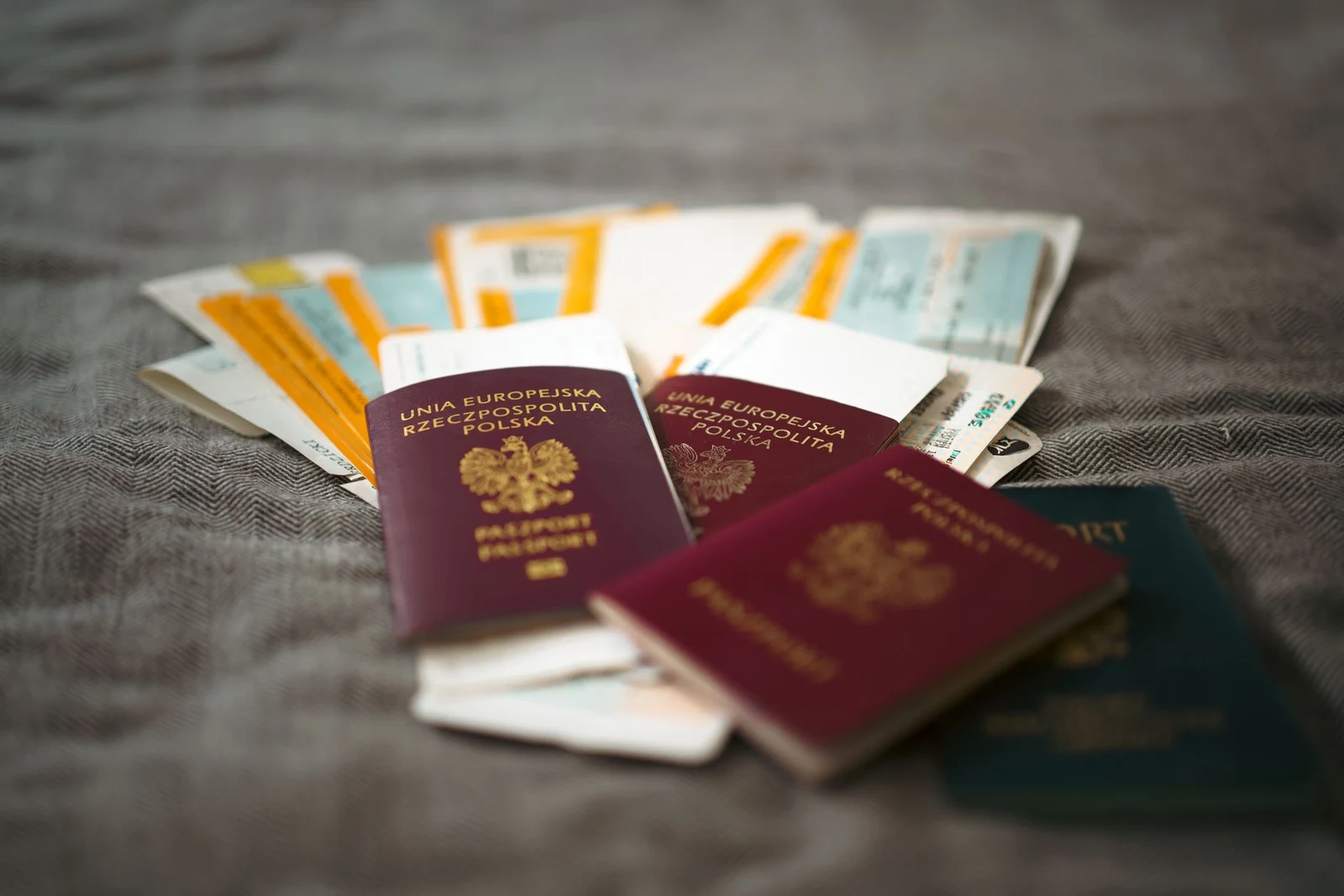
Losing your passport in Vietnam means two separate processes, not one: an emergency travel document from your own embassy, and a Vietnamese exit visa from local immigration. Most travelers underestimate the second part. Budget 7 to 10+ days total before you can legally fly out, and about $25 in Vietnamese government fees on top of whatever your embassy charges.
I run visa runs out of Da Nang and I’ve walked three or four clients through this exact process - usually after a bag theft on the beach or a sleeper bus. Here’s what actually happens, step by step, based on verified consulate and immigration procedures.
Why a police report has to come first
Before anything else, you file a report with the local police (công an) in the district where you lost the passport, not the district where your hotel is. I’ve seen a client get turned away from the wrong station and lose a full day going back to the district near the beach where the theft happened.
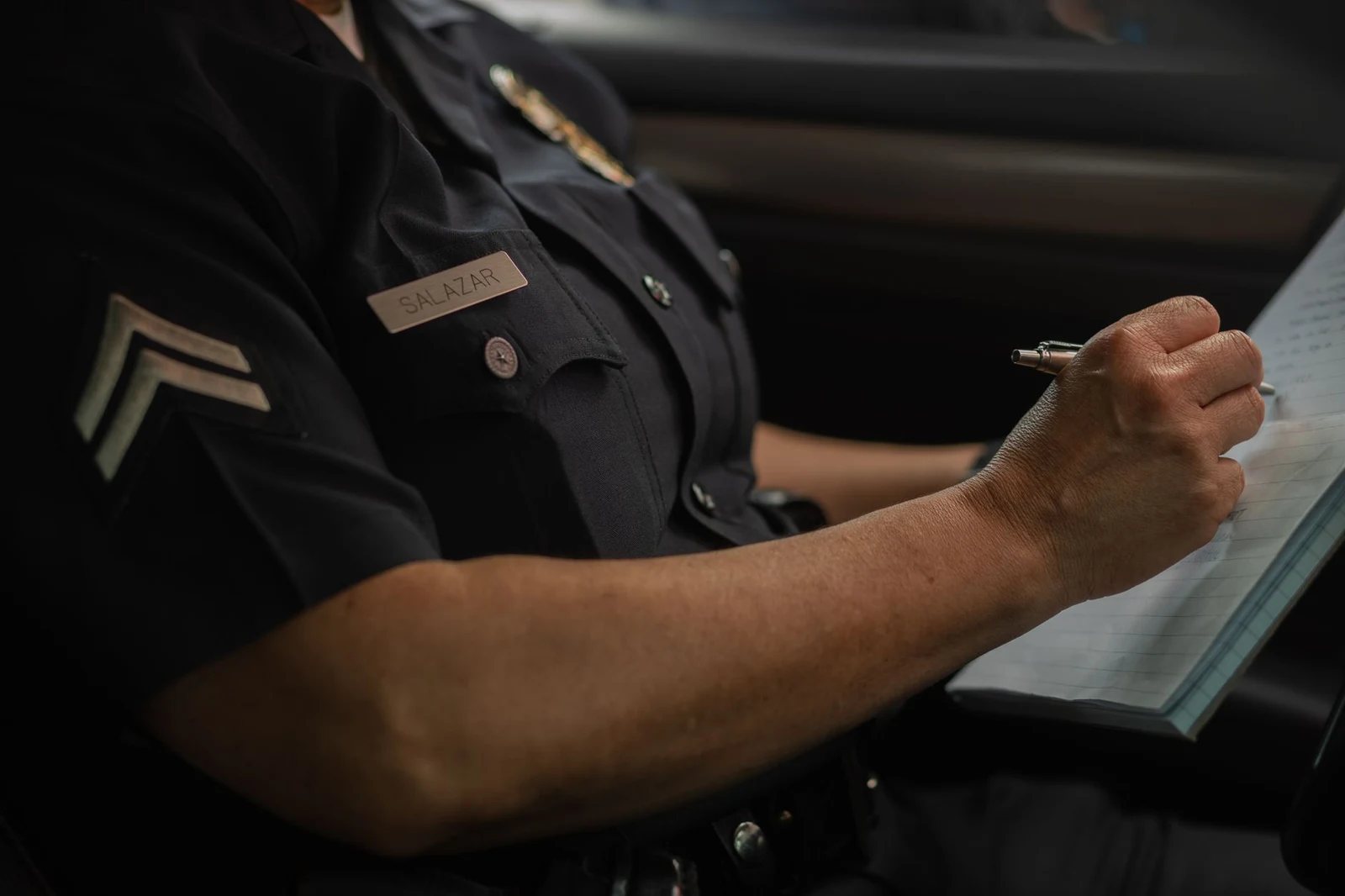
Vietnam uses a standard form, TK05, for these reports, and the police typically issue the confirmation within one working day. That confirmation is the document both your embassy and Vietnamese immigration will ask for next - nothing else moves without it.
What can your embassy actually issue?
Most embassies issue a temporary emergency travel document (called different names by different countries - Russia’s version is a “свидетельство на возвращение,” a return certificate) that confirms your identity and nationality for the sole purpose of getting you home. It is not a replacement passport, and you generally can’t use it to travel onward to a third country.

For Russian citizens specifically, this document is free, takes 2-3 working days, and stays valid for only 15 days from issue - no extensions. You’ll need a filled application, a copy of the police report, a photocopy of the lost passport if you have one, your internal ID, and 2-3 passport photos. Other nationalities should expect a similar timeline through their own consulate, though fees and exact paperwork vary by country.
Why does Vietnam require a separate exit visa?
Here’s the part that surprises people: your passport carried your entry stamp, and that stamp is gone too. Vietnamese immigration (Cục Quản lý xuất nhập cảnh) requires a separate exit visa before you can leave the country through any port, airport or land border, regardless of your nationality.
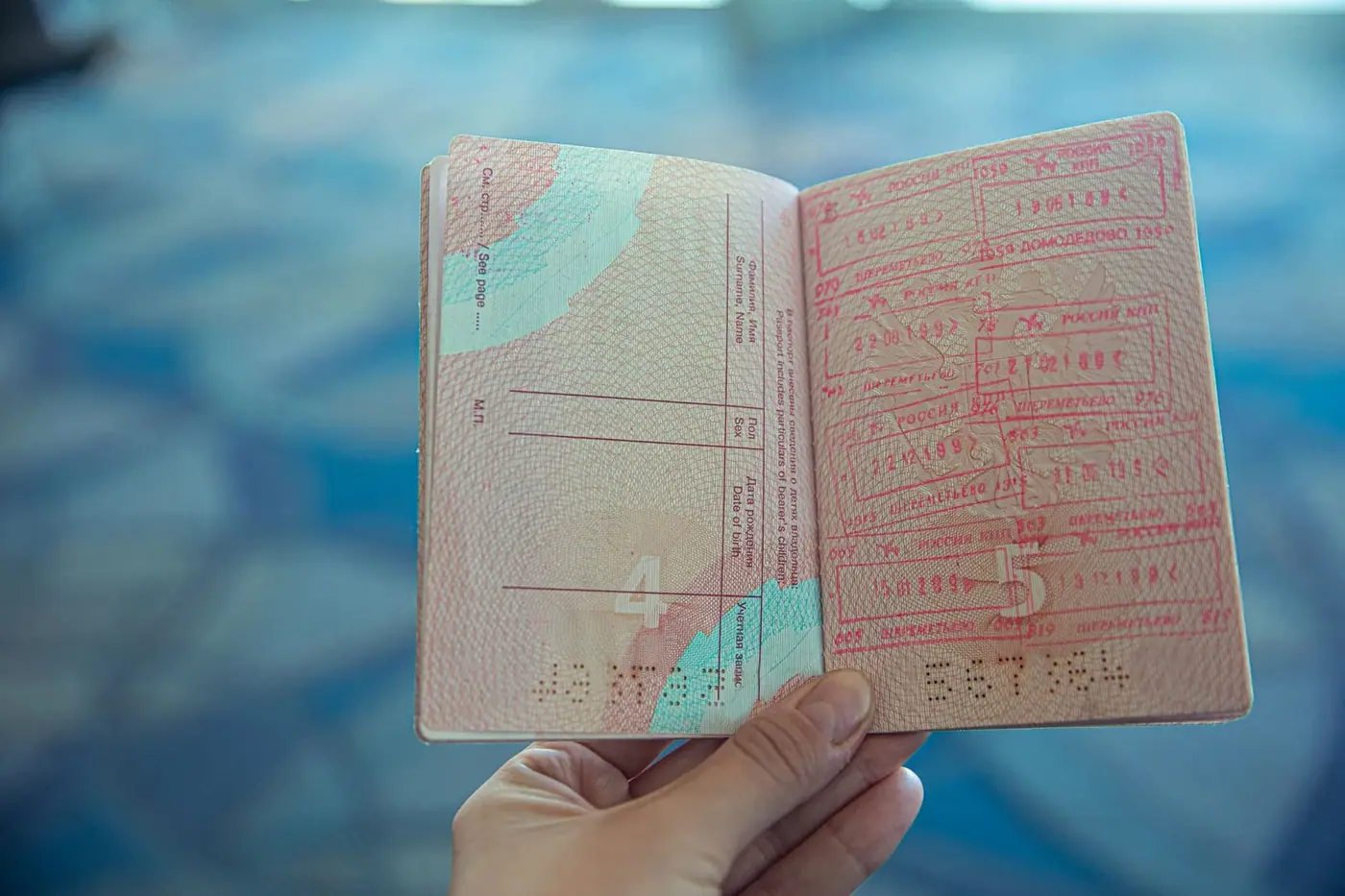
Processing time depends on the region: Hanoi runs 3-5 working days, while Ho Chi Minh City and Da Nang typically take 5-7 working days, and immigration rarely expedites even for genuine emergencies. The official fee is roughly $25, paid in cash in Vietnamese dong. In Da Nang, the immigration office sits at 7 Tran Quy Cap Street, Hai Chau district.
Where to go if you’re based in Central Vietnam
If you’re anywhere near Da Nang, Hoi An or Hue, you don’t need to travel to Hanoi or Ho Chi Minh City for consular help - most embassies with a presence in Vietnam maintain some form of representation or referral for the central region, and Russia specifically runs a full Consulate General in Da Nang at 22 Tran Phu Street, covering Da Nang, Hue and five nearby provinces. Check your own embassy’s website for the nearest office before assuming you must fly to a capital city.
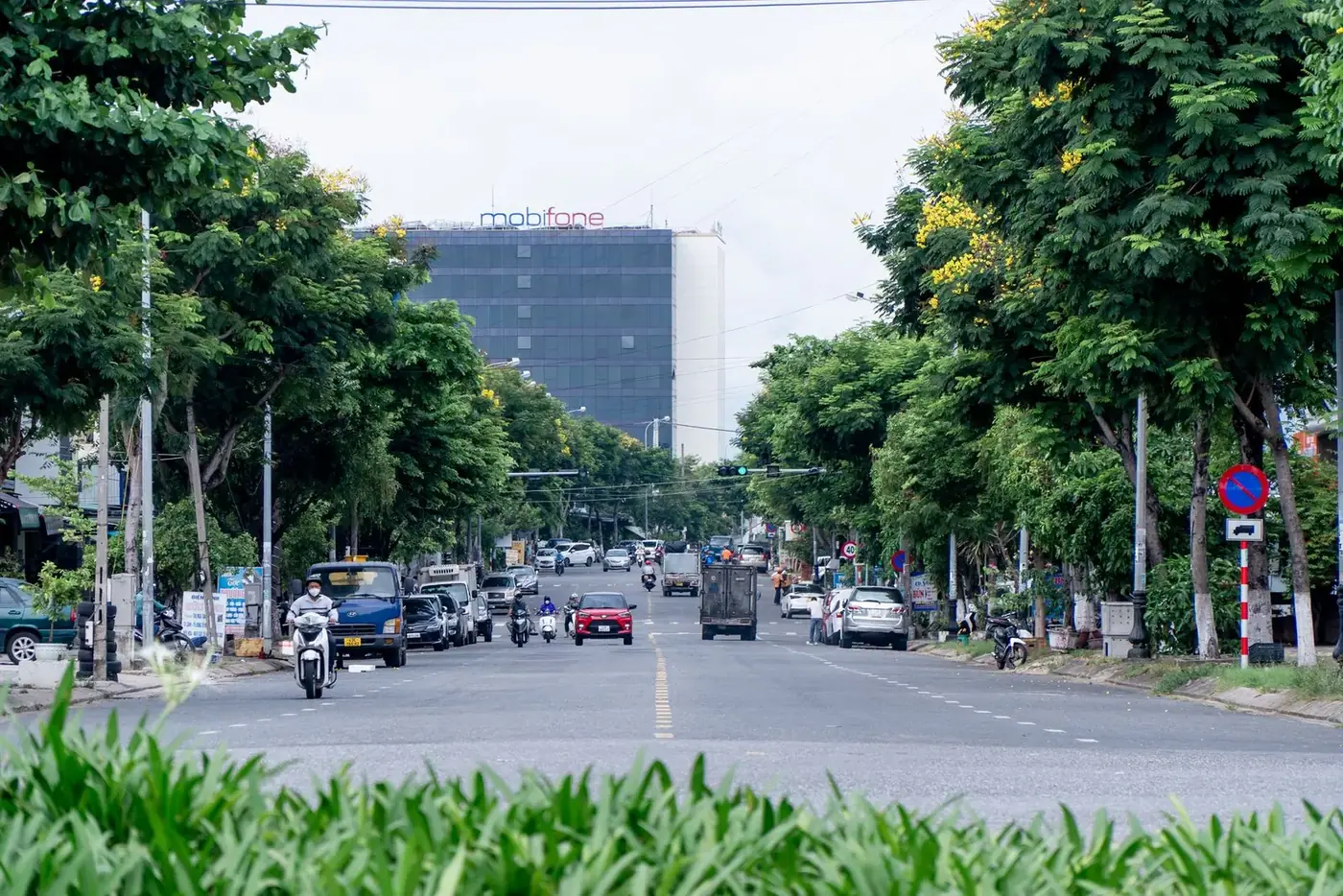
For the immigration side of things, the Da Nang office at 7 Tran Quy Cap Street handles exit visas for the whole central region - you’ll need to go there regardless of which embassy issues your travel document.
How much time and money the whole process takes
| Step | Time | Cost |
|---|---|---|
| Police report | ~1 working day | free |
| Emergency travel document | 2-3 working days (varies by embassy) | free for Russian citizens |
| Vietnamese exit visa | 5-7 working days in Da Nang | ~$25 cash |
| Total before departure | 7 to 10+ days | ~$25 plus photos/copies |
If you need to keep traveling in Vietnam or move on to another country rather than fly straight home, a full replacement passport is sometimes possible through your embassy while abroad, but for Russian citizens the official timeline runs 1-3 months and often stretches closer to six once documents are mailed to Moscow and back. For most travelers, flying home on the temporary document and applying for a full passport once you’re back is the faster path.
How to handle it: step by step
- On the day you notice the loss, go to the police station in the district where it happened and file the TK05 report - get the confirmation slip before you leave.
- The next day, book an appointment with your nearest embassy or consulate, bringing the police report, any ID you have left, and passport photos.
- Submit your emergency travel document application and expect 2-3 working days before it’s ready.
- As soon as you have the travel document, submit your Vietnamese exit visa application at the local immigration office - allow 5-7 working days in Da Nang.
- Once both documents are in hand, book your flight within the travel document’s validity window and depart.
Mistakes that cost travelers extra days
This whole process is separate from an expired visa, which comes with its own overstay fines and exit bans - worth checking if your visa is also close to running out while you sort out the passport.
If this whole ordeal adds an unplanned extra week, it’s worth checking what a Vietnam border run actually costs in 2026 before your next trip, since delays like this can push your next visa run closer than planned.
The most common mistake is filing the police report in the wrong district - officers can and do turn people away if the loss happened somewhere else, and that resets your first day. The second is assuming the police report alone lets you board a flight; immigration does not treat it as an exit document on its own, only as the basis for the exit visa application. The third: if your original passport turns up after you’ve already reported it lost, don’t use it to cross the border - once reported, it’s cancelled in the system, and traveling on a cancelled passport reads as using an invalid document. Hand it in to your embassy instead.
When the timing gets tight
If this collides with a visa or visa-run deadline that’s already close to expiring, I usually step in directly: I go with clients to the immigration office, keep the paperwork moving so nothing stalls on a formality, and track both approvals until the exit visa is actually in hand. All you need to bring is the police report and show up for the two appointments - I handle the rest because I already know the immigration staff in Da Nang and don’t waste days figuring out what’s still missing.
And once you’re set to travel to Vietnam again, I handle e‑visa applications too, so you’re not doing this alone a second time. Message me on WhatsApp and I’ll walk you through exactly what your situation needs and how long it will realistically take.