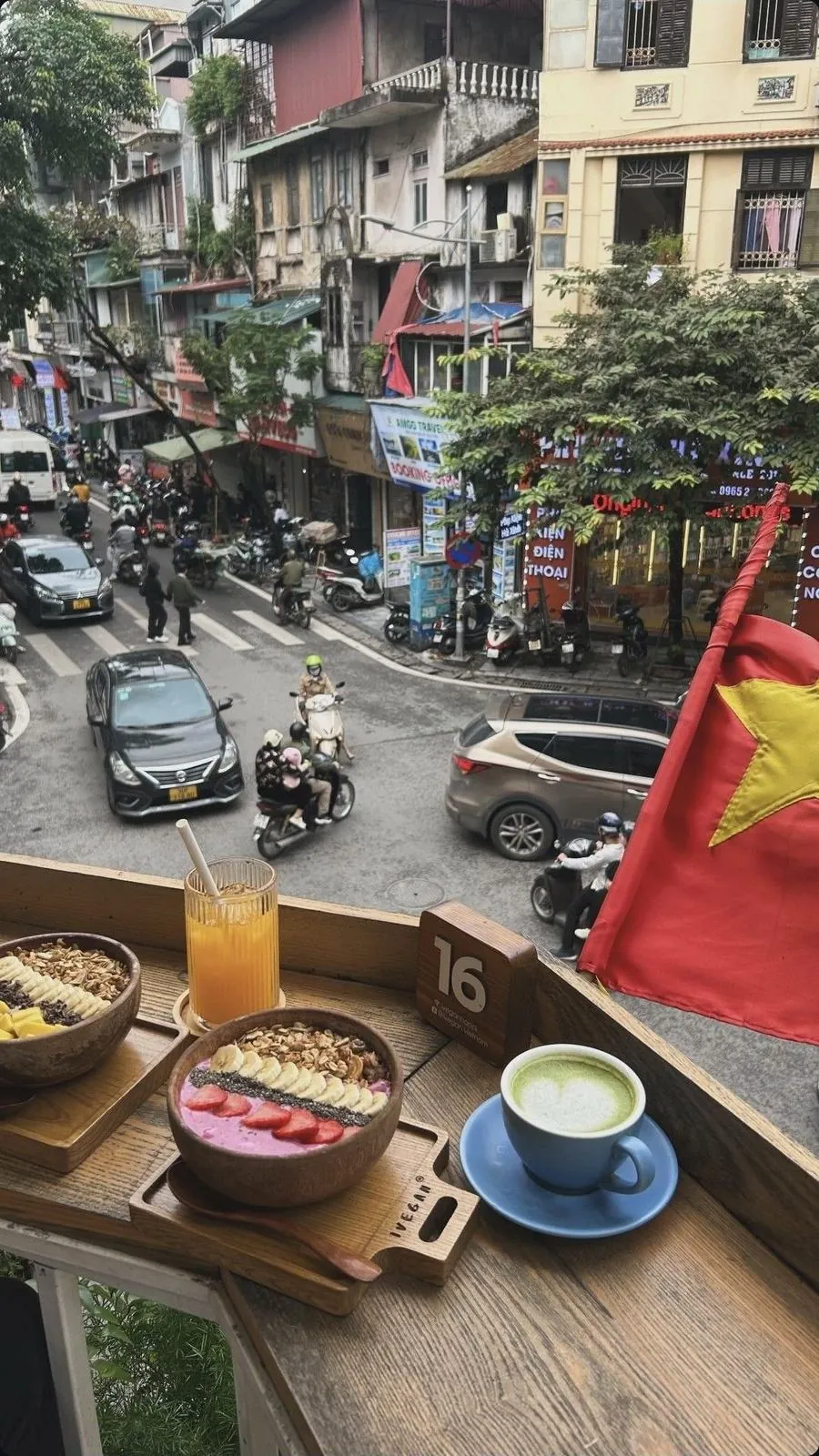
Living in Vietnam long-term in 2026 starts with 45 visa-free days for Russian nationals — no application, no fee, just a stamp at the border. After that, you have three legal paths to stay longer. I’ve been here three years and made most of the common mistakes so you don’t have to.
How long can you stay in Vietnam without a visa?
Russians and Belarusians get 45 visa-free days on entry as of 2026. The clock starts the moment you land. Kyrgyz nationals get 15 days; Kazakhs get 30 days on Phu Quoc Island. Everyone else needs a visa from day one.
Use those 45 days wisely: rent a motorbike ($60–100/month), buy a Viettel SIM (about $7 for 5GB per day), and scout apartments. Da Nang studios start at $200/month; one-bedrooms at $300–500. Minimum lease is 3 months with a one-month security deposit. For cash, VRB (Vietnam Russia Bank) ATMs accept MIR cards at roughly 4.33 rubles per 1,000 VND — the best rate for new arrivals without a local account.
What are your options when the visa-free period ends?
Three legal paths exist, from simplest to most involved:
Visa run to Laos. Cross at the Lao Bao checkpoint, about 2 hours from Hue. Russians get a free entry stamp on the Lao side. Same-day organized visa runs from Da Nang to Laos leave early morning and return by evening — no paperwork, one day off your schedule.
90-day e-visa. Apply at evisa.gov.vn — $25 for single entry, $50 for multiple. The catch: most Russian and many international cards are declined by the payment portal. Either use a local Vietnamese bank card (opened after 90+ days of residency) or get someone with a working card to pay on your behalf. See e-visa processing times to plan ahead. If neither option is available to you yet, our visa services pay the fee on a card that already works.
Work Permit + TRC (Temporary Residence Card). If you’re employed by a Vietnamese company, this is the proper long-stay route. A Work Permit is typically valid for 2 years; the TRC mirrors that duration. With a TRC, you cross borders freely — no e-visa, no visa runs.
The declined-card wall is where most people get stuck, and it’s the easiest part to hand off. I fill in the e-visa form, pay the $25 government fee with a card evisa.gov.vn actually accepts, and confirm the right entry point so you’re not stopped at the border — usually sorted in a day. Message me on Telegram with your dates and passport and I’ll get it moving.
How much does long-term life in Vietnam actually cost?
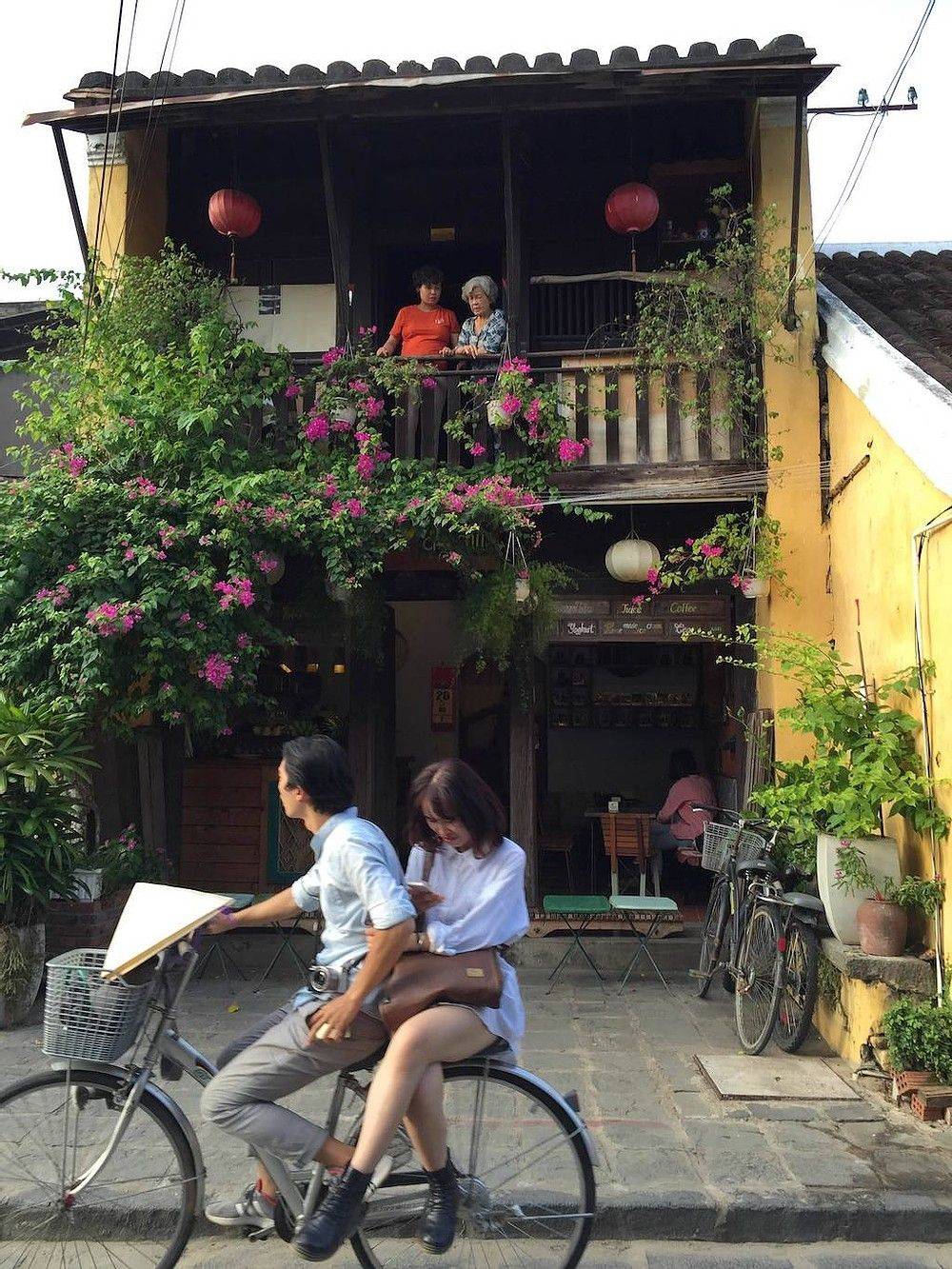
Startup budget for one person: flights from Moscow or a transit hub roughly $600, first week in a hotel $150, two months’ cash buffer $1,000. Comfortable arrival total: around $1,750.
Monthly running costs in Da Nang or Nha Trang (prices are nearly identical in both cities):
- Rent + utilities: $200–400 studio, $300–500 one-bedroom
- Food: $150–300 (local restaurants charge $1.50–3 per meal; cooking at home is cheaper)
- Motorbike + fuel: $90–100 ($1 per liter gasoline)
- SIM + home internet: $7
- Entertainment and misc: $100–200
Realistic monthly total: $500–1,000. On a tight budget — shared room, cooking most meals — you can manage $450.
How do you get a Work Permit and TRC in Vietnam?
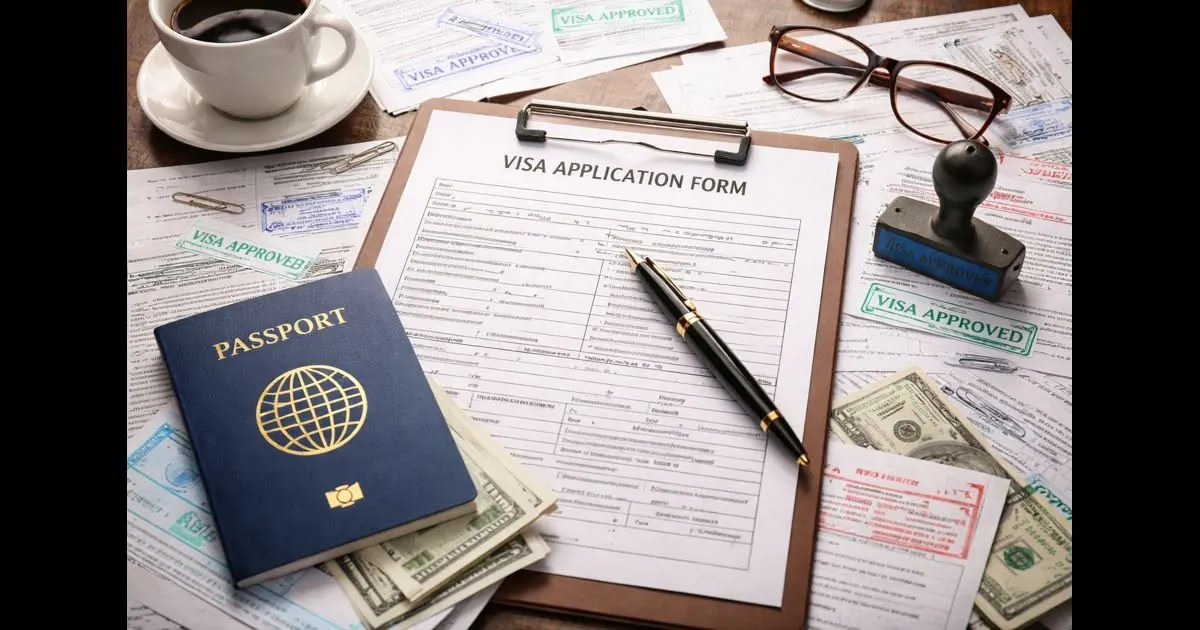
You need four documents, most of which are easier to prepare before leaving home:
- University diploma with apostille + notarized Vietnamese translation
- Criminal record certificate (no older than 6 months) with apostille + Vietnamese translation
- Medical examination from a licensed Vietnamese clinic
- Employment contract with a registered Vietnamese company
Translations are faster and cheaper inside Vietnam (1–2 days vs. weeks abroad). Once the Work Permit is approved, the TRC follows automatically through Immigration. The path to Permanent Residency runs: e-visa → Work Permit + TRC → 3 years of documented residency → PRC (10-year Permanent Resident Card, $100 fee). Vietnamese citizenship requires 5 more years, or 3 years if married to a Vietnamese national.
Vietnam’s Golden Visa program launched in May 2025 with a $70,000 investment threshold — lower than Thailand’s LTR or Malaysia’s MM2H. An alternative for those with capital who don’t want the Work Permit track.
Which bank cards work for Russians in Vietnam?
MIR cards work at VRB ATMs in Da Nang, Nha Trang, and Ho Chi Minh City. Exchange rate: approximately 4.33 rubles per 1,000 VND. Limit your withdrawals to larger amounts to minimize per-transaction fees.
After 90+ days’ residency with an e-visa, BIDV and Vietcombank will open a local account — you walk in with your passport, e-visa approval, and a confirmed address. Processing takes 10–15 business days. The local Visa or Mastercard solves the evisa.gov.vn payment problem for future applications.
USDT is also widely used: find trusted local traders in expat Telegram groups in Da Nang for cash-to-USDT exchanges at fair rates.
For the rest of what long-term life here involves — taxes, housing, insurance, work — see our relocation guide, which groups everything we’ve written on the subject by topic.
If you want your visa sorted in one day without figuring out all of this yourself, reach out:
- Site: danangvisarun.com — book visa runs and e-visas directly
- Telegram: @learnx1000 — message in English or Russian