A studio in Da Nang runs $190 to $300 a month once you move a few streets back from the beach strip, and that single number decides more about long-term life here than any vlog does. I’ve run bus and visa runs out of Da Nang for years, and the questions I get from people planning a longer stay are always the same: what does it actually cost, is it safe, and what do you do about the visa. Here’s what I’ve seen work.
How Much Does Rent Cost If You Stay in Da Nang Long-Term?
A one-bedroom outside the tourist core costs $190-$300 a month (5-8 million dong), and the price swings hard with season and distance from the beach. A friend of mine locked in a one-bedroom near My An in the off-season for about $210 a month, electricity extra; three months later the same unit was listed at $285, but her landlord kept the old rate because she paid on time. That’s normal here - long-term tenants get quietly protected, new ones pay the listed price.
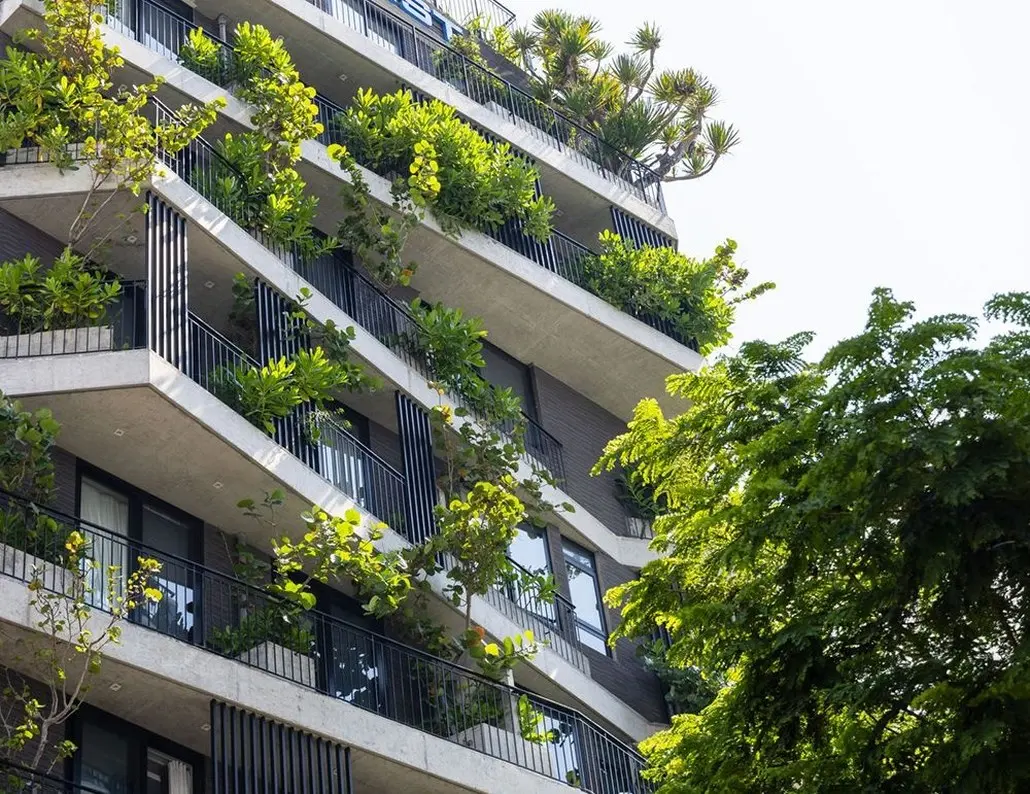
You don’t need an agent fee to find a place. Post in one of the Da Nang expat housing groups on Facebook and landlords message you directly - the commission comes out of their side, not yours. Expect the price to move with proximity to the beach, room count, and season.
Are Local Markets Actually Cheaper Than Tourist Spots?
Yes, and the gap is bigger than most guides admit: the same kilo of watermelon that costs $0.45 at a market near the tourist strip goes for about $0.19 at a market three or four kilometers inland. I buy from the same vendor at the far market every week - she remembers regulars, and regulars get the honest price. If you only ever shop where the taxis drop you, you’re paying the tourist markup on produce, not just on tours.

What Does the Weather Do to Your Plans?
Da Nang’s hot season runs from March through October, with midday heat that phone weather apps read as 45°C or higher - you plan errands for before 11am or after 4pm, not the middle of the day. Rain starts in November and can run into December. After a full year of that cycle, plenty of long-stayers relocate north for a season: northern Vietnam’s hot months run May through October, but winter drops to 7-10°C, which is a real trade-off, not an upgrade. If you want consistent heat, stay south; if you want a proper cool season, the north delivers one.

Is Da Nang Actually Safe for a Long Stay?
Petty theft here is rare enough that leaving a phone on a café table or a bag on the beach while you swim is normal local behavior, not a risk you’re taking. That doesn’t mean zero incidents happen in a city this size, but the stories about theft in Da Nang or Ho Chi Minh City are usually one-off, not a pattern you need to plan around. The bigger adjustment is driving culture - traffic here runs on shared intuition rather than strict lane discipline, and it takes new arrivals a few weeks to stop flinching at intersections.
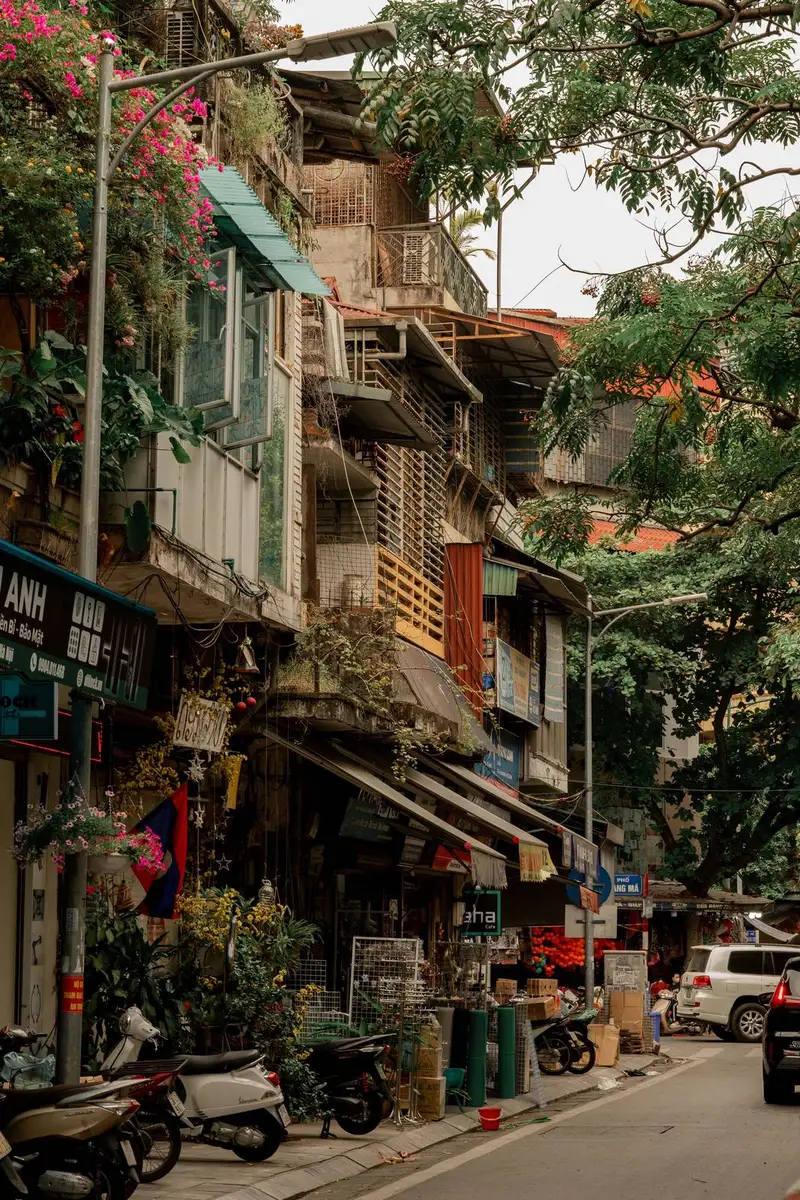
How Do You Test Long-Term Life Before You Commit?
Five checks before you sign anything long-term will save you more than any packing list:
- Book a short-term rental for your first month instead of signing a year lease - you’ll learn the neighborhood before you’re locked in.
- Shop at one inland market for two weeks and compare receipts against a tourist-area market.
- Pick your season on purpose: arrive outside March-October if peak heat isn’t for you.
- Join a local Facebook housing group before you land, so listings are already coming in when you arrive.
- Sort out your visa timeline before the excitement of moving takes over - this is the step people skip and regret.
Da Nang or the North: What Should You Choose?
If you want warm weather most of the year and don’t mind the March-October heat spike, Da Nang and the south are the easier long-term base; if a real winter matters more to you than 45°C afternoons, the north is worth the trade. Either way, the visa clock doesn’t pause while you’re deciding - e-visas and visa runs both have hard windows, and I’ve watched people get so absorbed in comparing apartment rent prices that they miss the point where a visa extension without leaving the country was still an option. If you want someone to handle the paperwork and border run while you focus on settling in, message me on Telegram and I’ll walk you through the timeline for your situation.