Living in Da Nang for a month costs less than most people expect, but the real surprise is how much of that budget goes to logistics - visas, SIM cards, deposits - rather than daily spending. I tracked three months of receipts, and the pattern held: rent and food stayed predictable, the visa paperwork was the only part that ate unplanned time and money.
If you’re weighing a short trip against an extended stay, the maths and the mistakes below should save you both.
What a month actually costs, item by item
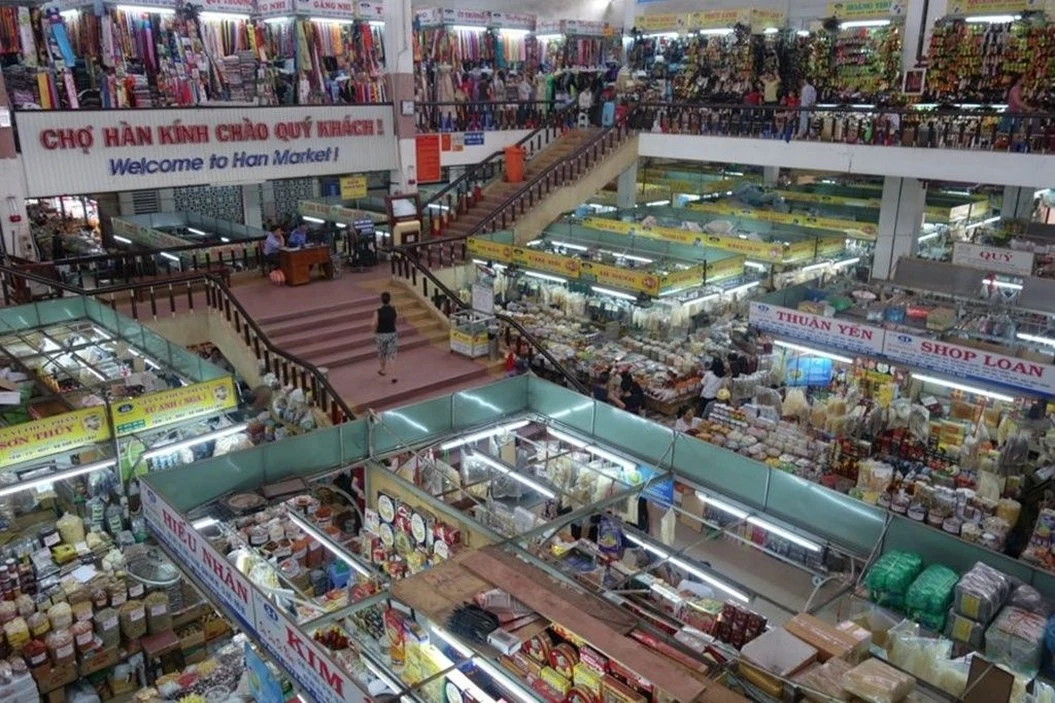
A studio apartment within riding distance of the beach runs $250-400 a month, depending on how close to My Khe you want to be and whether the building has a pool. Food is where the real savings show up: a bowl of pho or banh mi at a local spot is $1-3, a sit-down meal at a mid-range restaurant is $5-8, and cooking at home from the wet market cuts that further.
A rented motorbike costs $40-60 a month, and a local SIM with data runs $8-11 for 30 days. Add utilities and the occasional weekend trip, and a comfortable single-person month sits well under what the same lifestyle costs in most Western cities - the gap is biggest on food and transport, smallest on imported goods and Western-brand groceries.
The one line item people underestimate is the security deposit: most landlords ask for one to two months’ rent upfront, refundable at checkout if the apartment is left in good shape. Budgeting for that deposit on arrival, on top of the first month’s rent, avoids a cash crunch in week one - it’s the most common first-timer mistake I see, not the daily spending itself.
Why the visa is the part that trips people up
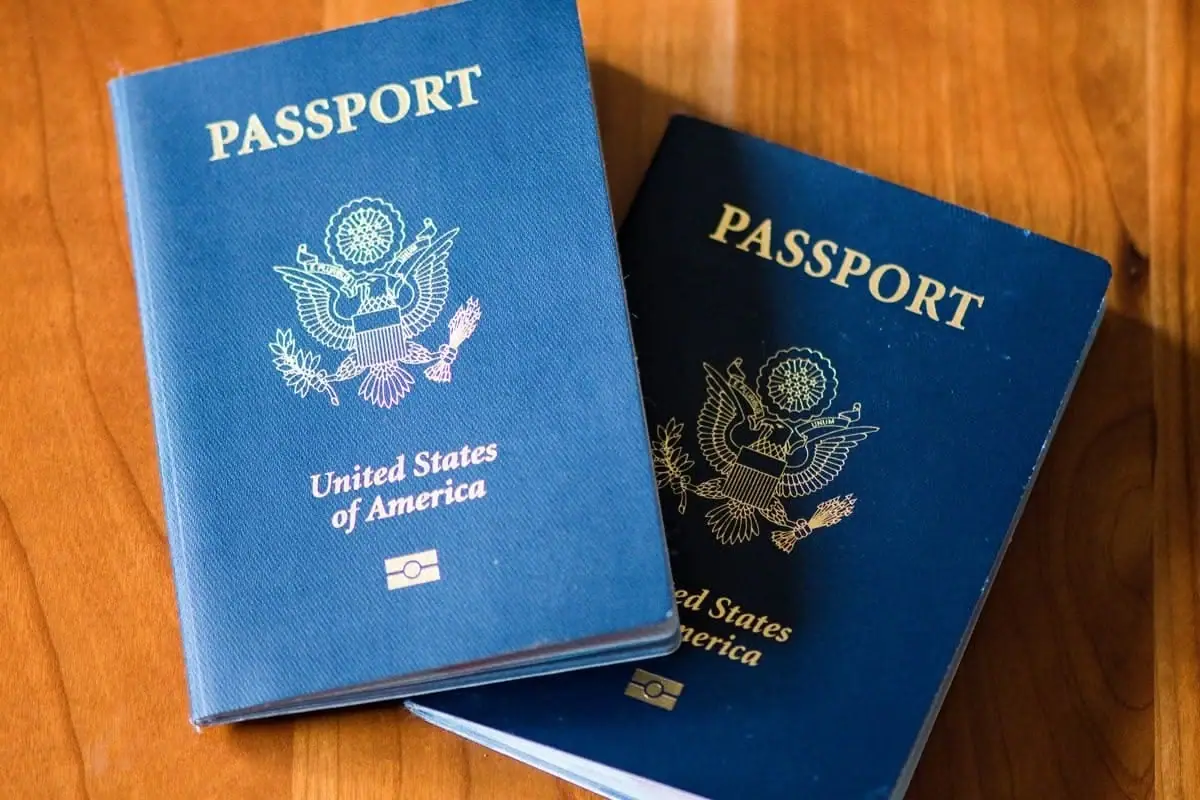
Most travelers assume the visa is a formality they handle at the airport. For stays under 45 days, many passports do get visa-free entry - but that window is fixed, and it doesn’t extend just because you decide to stay longer. Anyone planning 1-3 months needs an e‑visa arranged through the official evisa.gov.vn portal before departure, and the application only accepts specific card types - a detail that catches a lot of first-timers off guard. I broke down what to do when the payment or the application itself goes wrong in a separate guide.
If you’re already in the country and want to keep staying, the alternative is a visa run to a land border and back, timed around your current visa’s expiry. Getting that timing wrong means either a rushed border crossing or an overstay fine, so it’s worth mapping out before your current visa runs low, not after.
This is usually the point where people ask for help instead of untangling it alone. I handle the paperwork end for people staying longer - sorting the right visa category for the length of stay, paying the government fee through a card the portal actually accepts, and mapping out the border-run timing if a run is the better option. From your side, the only inputs needed are your passport details and travel dates.
Setting up the basics in week one
The first week sets the tone for the rest of the stay, and it goes faster with a fixed order of operations:

- Book short-term housing for the first two weeks only - inspect the neighborhood in person before committing to a longer lease.
- Get a local SIM card and set up mobile banking on day one - most ride-hailing and delivery apps assume you already have both.
- Confirm your visa status covers the full length of your planned stay, not just the first few weeks.
- Join a local expat group chat - they’re the fastest way to find longer-term housing, reliable mechanics, and English-speaking doctors.
- Open a local bank account or card if staying past the first month - it simplifies rent payments and cuts foreign transaction fees.
Is 1-3 months in Da Nang worth it
The decision usually comes down to one question: are you testing whether you could live here longer, or just want a change of scenery for a few weeks? A short trip works fine without any of the visa planning above. A longer stay pays off financially and socially, but only if the visa and housing groundwork is done before you land, not improvised on day three.
If the visa timeline is the piece holding you back, that’s exactly where I can save you the guesswork - message me on Telegram with your dates and I’ll map out the right visa and timing for your stay.