To take a dog or cat out of Vietnam you need a microchip, a rabies shot given after the chip, and Form 13a from the airport animal quarantine station, applied for 3 to 7 days before the flight. Your destination adds the rest, so plan on about 1 month, or 4 to 7 months for the EU and Japan.
Vietnam itself asks for very little, your destination asks for much more, and the airline has the final word at check-in; getting the steps in the right order is most of the work.
What Vietnam Actually Requires When a Pet Leaves
Four things appear in every export file, whatever the destination. First, a microchip record for an ISO 11784/11785 chip, implanted before or on the same day as the rabies vaccine. Second, a vaccination booklet with the rabies shot, its date, product and batch. Third, a copy of your passport. Fourth, Form 13a, Vietnam’s export animal health certificate.
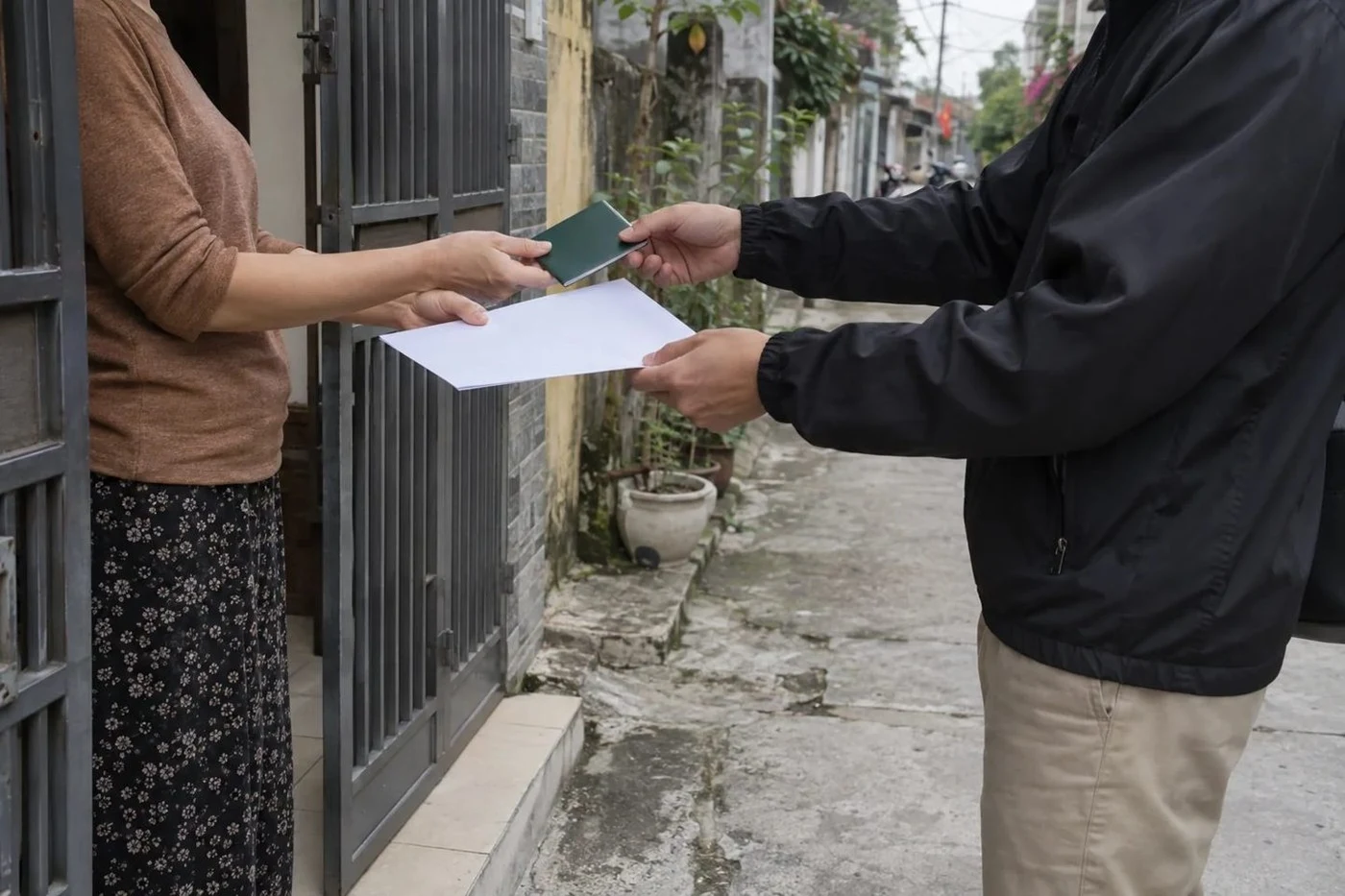
People search for an “export permit”, and that is where the confusion starts. For a pet dog or cat, Vietnam does not issue a separate permit. Form 13a is the export document, and it is issued by the animal quarantine station at the airport after a government vet checks the pet. The Department of Animal Health publishes the forms on dah.gov.vn. You apply with Form 2a about 3 to 7 days before the flight. Any permit in your file comes from the destination country.
One more thing that surprises owners: Vietnam does not issue pet passports. Your pet travels on Form 13a plus whatever the destination adds.
What the Destination Adds on Top
The destination usually adds up to four groups of requirements, and they decide how long you wait, so check them before you book anything.
A rabies antibody test shows the vaccine worked, at 0.5 IU/ml or more. The EU, the UK, Japan, Taiwan, Singapore, South Korea and the UAE ask for it for pets coming from Vietnam. Some of them also set a waiting period after the blood draw, around 90 days for the EU and up to 180 days for Japan. That waiting period is the part I’d never try to squeeze, because no amount of paying more shortens it.
An import permit or advance notice is the destination’s approval before the pet flies. The EU issues none for pets at all. The UAE issues a permit valid for 90 days, Taiwan wants the application at least 20 days before arrival, and Japan wants a notification at least 40 days ahead.
The destination’s own certificate form is signed by the Vietnamese government vet at the same time as Form 13a. Parasite treatment is the last group, and some countries set a short window before entry.
Australia is a special case: it does not accept pets flying directly from Vietnam. The pet has to live in an approved country first. If your move is the other direction, our guide to bringing a dog or cat into Vietnam covers the reverse list.
What the Airline Checks at the Counter
The airline checks a confirmed booking for the animal on that exact flight, whether it travels in the cabin, as checked baggage or as cargo. It also checks a crate that follows the IATA Live Animals Regulations and, for cargo, an air waybill from the cargo terminal. Government papers can be perfect and the pet can still be refused without these.
Rules differ by carrier and route, and they change, so confirm the current ones with the airline and the destination’s veterinary authority. Some airlines do not carry flat-faced breeds such as bulldogs and pugs, and several set weight limits for the cabin. Confirm the pet’s place with the airline before you pay for your own ticket, and keep that confirmation. If your route has a connection, check the transit country too, because a transit stop can require its own notification.
For what the departure day itself looks like, see what happens at the airport with a dog.
The Order That Keeps the Flight Date
Start with the microchip and finish with Form 13a: each document depends on the one before it, and a step done out of order can cost months. The sequence:

- Microchip first, or on the same day as the rabies vaccine.
- Rabies vaccine, recorded with the chip number.
- Blood draw for the antibody test, if your destination requires it, after the gap it sets.
- Import permit or advance notice, as soon as the test result allows.
- Destination form and vet check, about 10 days before the flight.
- Form 2a, then Form 13a, in the final days before the flight (3 to 7 days out).
Form 13a closes the file, which is why it always comes last. As a rough guide, a destination with no blood test takes about a month. The EU takes 4 to 5 months, and Japan 7 months or more.
Mistakes That Delay a Pet’s Departure
The most expensive mistake is booking the flight before the permit or notice is approved. A delay on either side moves the date, and airline change fees add up quickly. Wait until the destination has approved and the airline has confirmed the pet.
The second is a chip number that does not match across documents. The same number must appear on the vaccine record, the test report and every certificate, and the owner’s name should match the passport.
The third is vaccinating before chipping. A rabies shot given before the chip may not count, and you start the clock again.
The fourth is treating fitness to fly as a paperwork question. A pet can have every stamp and still be unfit for a long journey, so a vet check on the animal itself is worth doing.
Your Own Visa Clock Matters Too
A long export file stretches over weeks, and your own stay keeps running while you wait for a blood test result or a permit. Owners often plan the pet’s timeline carefully and forget that their own e‑visa or extension ends before the flight.
If the dates do not fit, you can extend your stay without leaving. For a gap of a few days I lean toward extending, because a border trip eats a day of travel for very little gain. A longer gap is where a fresh entry makes sense, and the visa run from Da Nang is the usual way to get one.
For scale, the government e‑visa fee is $25 for single entry and $50 for multiple entry on the official e‑visa portal. Our complete e‑visa service costs $55 for the standard week of processing and $110 for next-day, which is the figure to compare with doing it yourself.
BestBus Vietnam works from offices in Da Nang and Nha Trang. For a visa gap like this, the team fills in the application, checks your data, pays the government fee and follows the file until the result arrives, in about a week or a day for the urgent option. To start, write to the team with your passport details.
The destination sets the timeline, so count backwards from it: fix the flight date last, and check that your visa covers every week until then. Send me your dates on WhatsApp and I will work out whether your visa covers the pet’s schedule.
FAQ
What if the antibody test comes back below 0.5 IU/ml?
The result does not meet the threshold, so the file cannot go forward on that sample. Your vet will usually advise a booster and a repeat test, and the destination’s waiting period may restart, so add several weeks to the plan.
Can a puppy or kitten leave Vietnam?
Rabies vaccination is only given from a minimum age, around 12 weeks in most schemes, and strict destinations add waiting periods on top. Very young animals often cannot qualify yet, so ask the destination authority before you plan the date.
What if the flight moves after Form 13a is issued?
The certificate is issued for a specific trip, and it is short-lived. Ask the quarantine station whether it needs reissuing before you rebook, and do not assume the old one still works.
Do I need papers for a transit country?
Sometimes. A connection can require its own notification, so check the transit country’s rules when you pick the route, and keep a route with no stop in mind if the pet is large.
Is the paperwork different for the cabin and for cargo?
The government documents are the same. What changes is the airline’s side: the booking type, the crate and, for cargo, the air waybill.