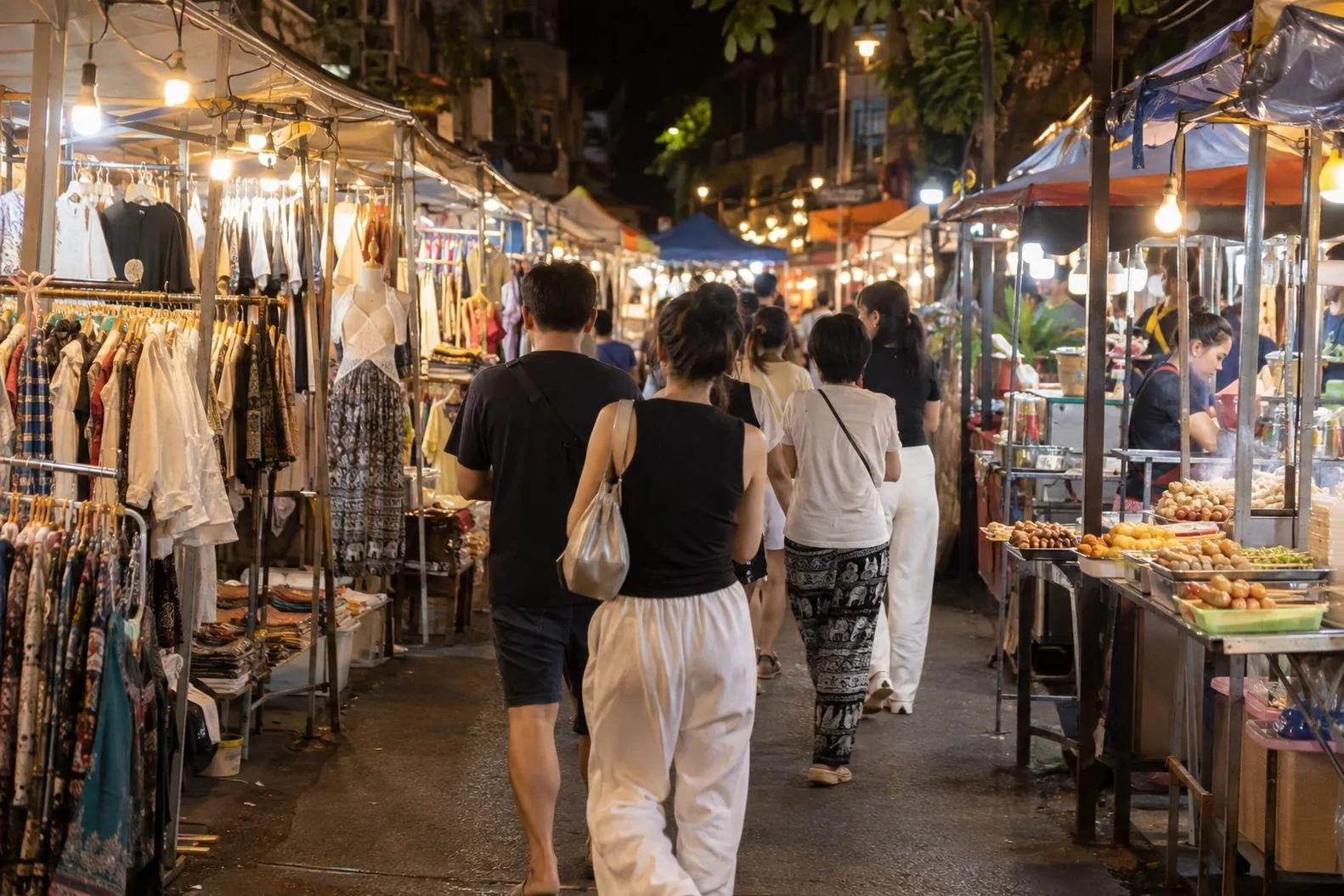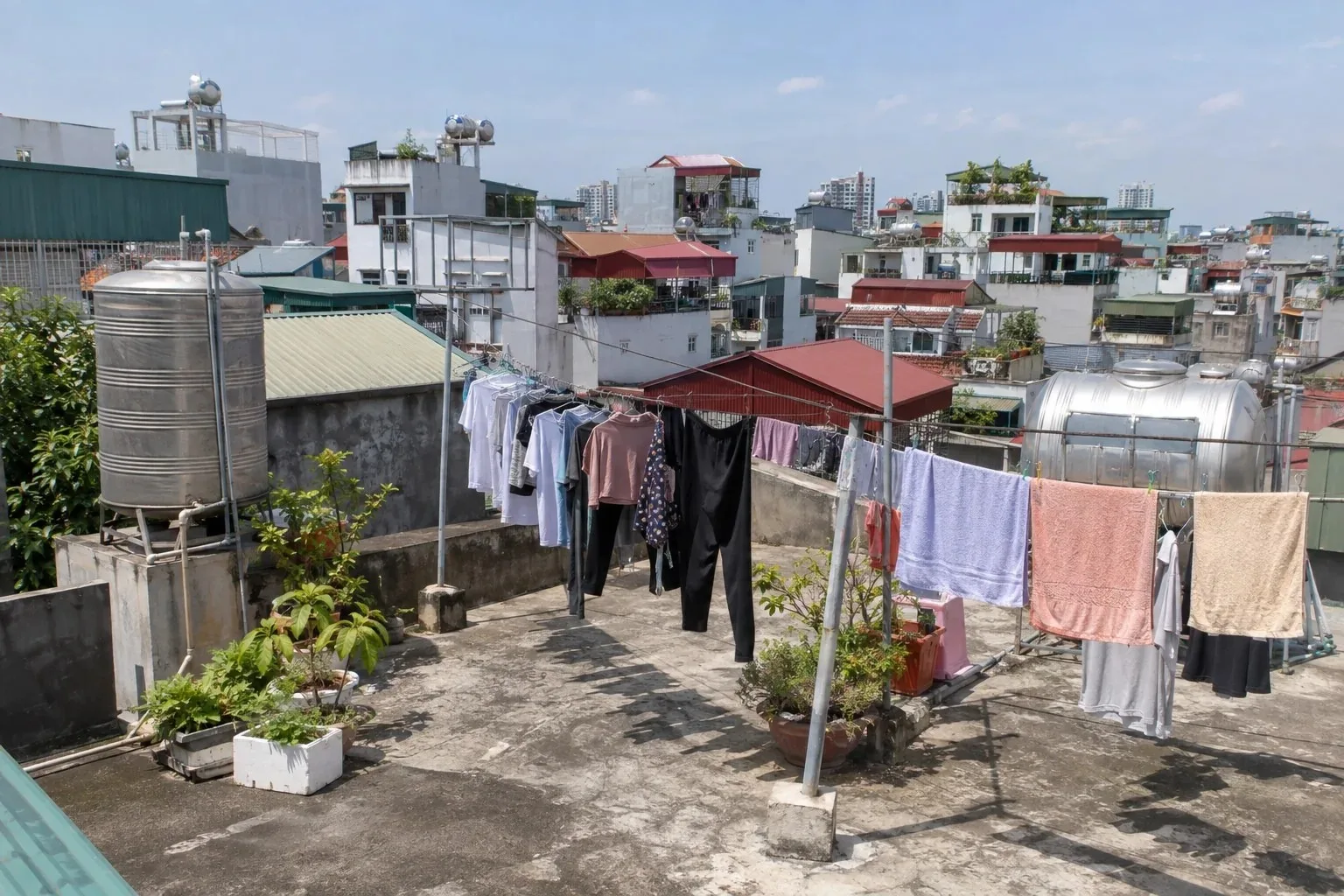
Laundry in Vietnam costs 30,000-50,000 VND per kilo, about $1.20-2, at a street shop, and the bag usually comes back the next day. A hotel charges per item, 20,000-50,000 VND, and a five-star can ask three to four times that. One person’s week of clothes weighs 2-3 kilos, so plan on $2.40-6 a week, or $10-24 a month.
I run a visa service in Vietnam and answer questions from people who stay for months, so I know that laundry is one of the first daily chores they ask about. The prices below are ranges from hotel price lists, travel guides and expat reports in 2026, so read the board in the shop before you hand over the bag.
What a street laundry shop charges per kilo
A street shop charges by the kilo, and the price follows the street: a tourist centre in Hanoi, Hoi An or Da Nang sits near 40,000-50,000 VND per kilo, while a side street or a resort town like Mui Ne can fall to 15,000-35,000 VND. Walk two blocks away from the main road before you hand over the bag, because the same machine and the same detergent cost less there.
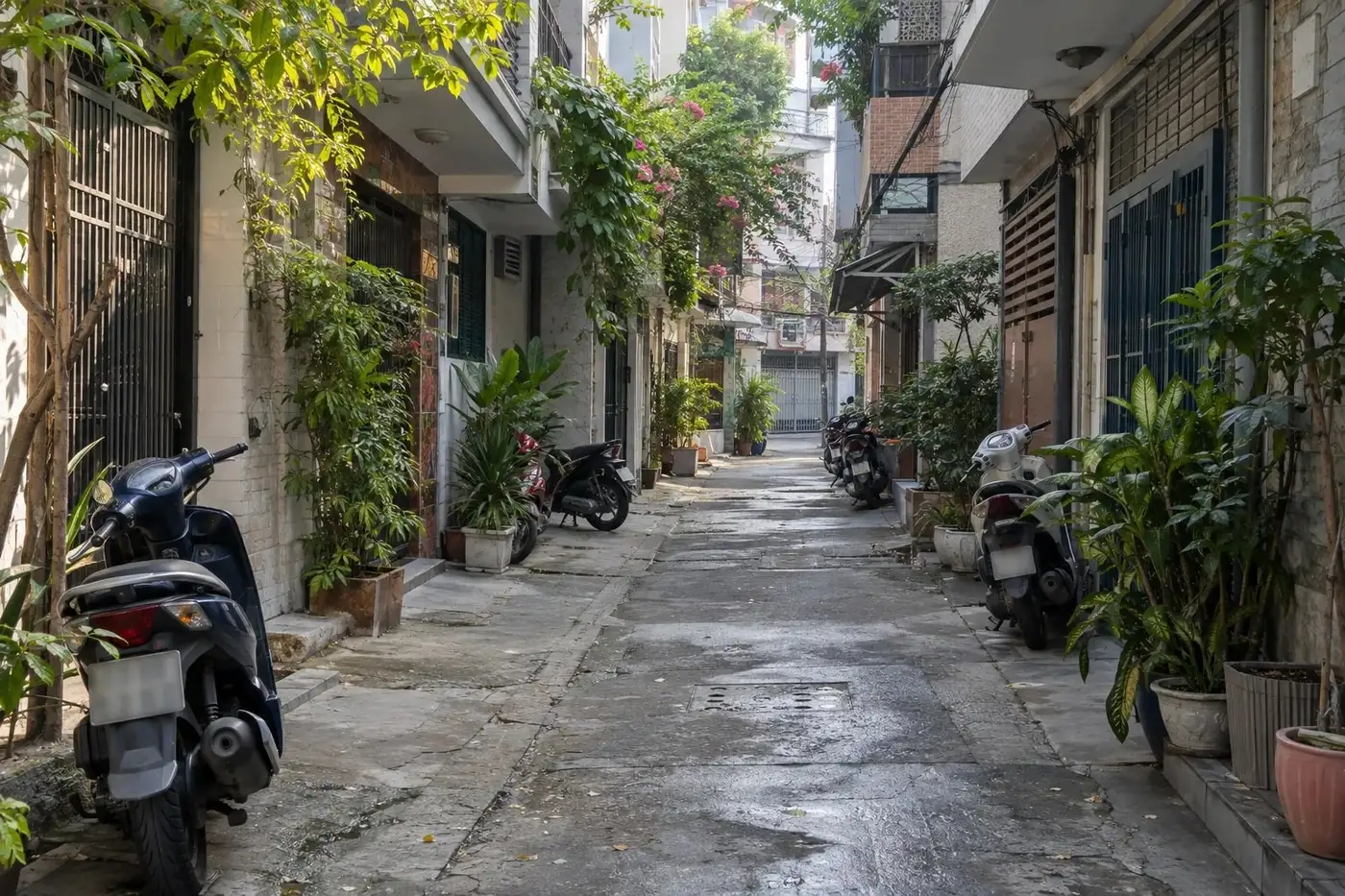
Look for a sign reading giặt ủi (wash and iron) or giặt sấy (wash and dry). These shops work for local families and restaurants and take walk-in customers too. They weigh the bag, and one kilo is roughly four or five T-shirts or a pair of jeans plus a few small things.
For a long stay the shop is the cheapest option. At the typical 30,000-50,000 VND rate, one person who sends a 2-3 kilo bag a week spends 240,000-600,000 VND, about $10-24, a month, and less on a side street. The same bag at a hotel costs several times more.
Why hotel laundry costs more and when it still makes sense
Hotels price per item and print the list on a card in the wardrobe. A T-shirt costs 20,000-30,000 VND, jeans 40,000-50,000 VND, and socks or underwear are often sold in sets of three to five pieces for about 20,000 VND. Express service in 4-6 hours adds around 50%.
Luxury hotels are the pricey end: a five-star in Hoi An or Da Nang asks 80,000-150,000 VND for one item, and clothes come back pressed with tissue paper. I would use that only for a suit before a meeting. Many small hotels simply pass the bag to a shop down the road and add 50-100%, so ask reception whether an outside laundry works for them and what it charges.
How to hand over clothes and get them back clean
The routine takes two minutes. Weigh the bag with the owner, check that your name goes on the ticket, keep the stub and ask when to come back. If you want ironing, ask Có ủi không? (“Do you iron?”), because some shops only wash and dry and your shirts come back folded but creased.
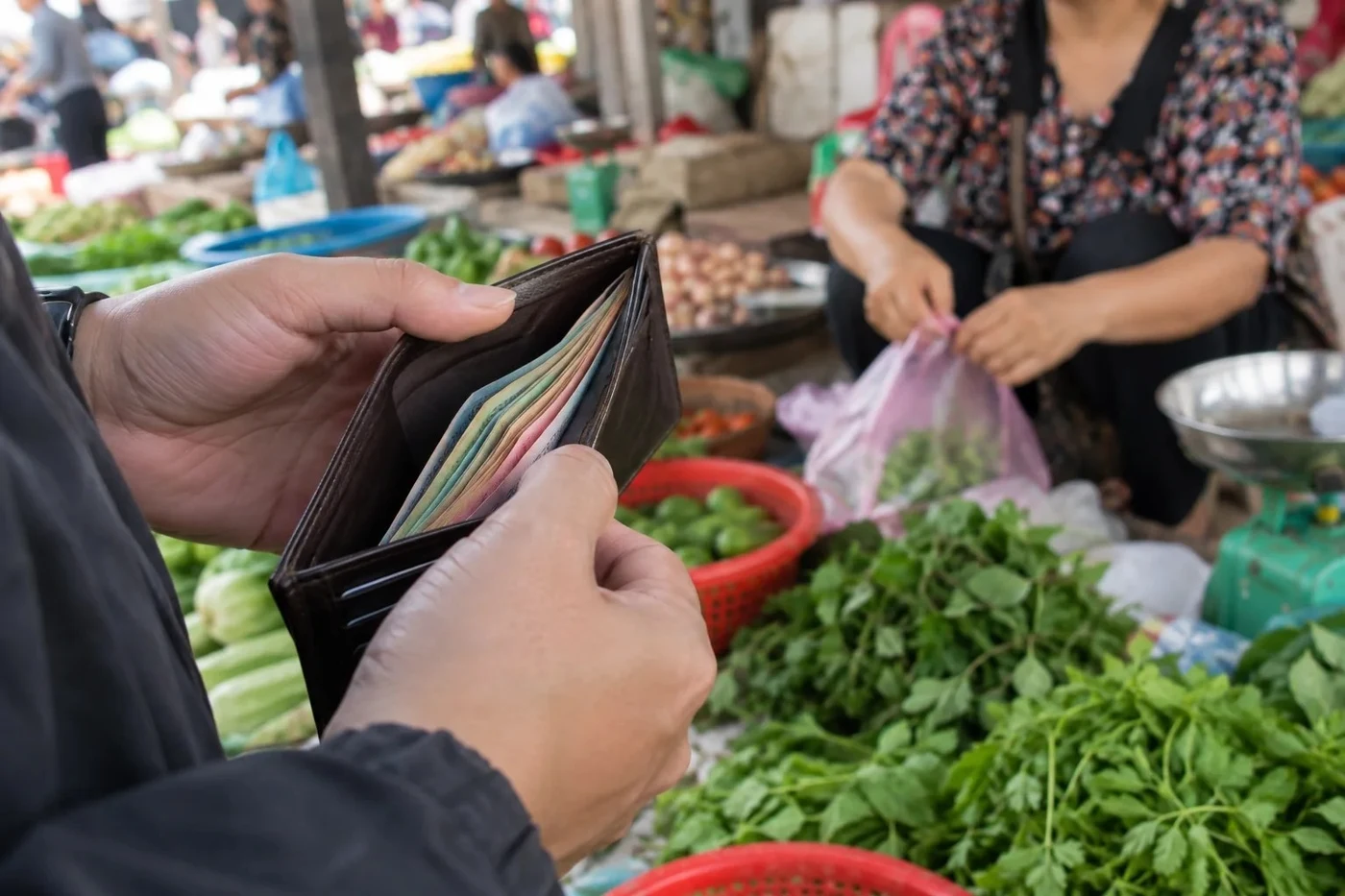
Three habits save trouble:
- Keep delicate or expensive clothes out of the bag. Travel guides note that shops often wash in cold water, and several customers’ loads can share one machine.
- Take a photo of the shop front or a business card. Many shops answer on WhatsApp or Zalo and tell you when the bag is ready.
- Drop the bag in the morning. Before 10:00 many shops return it the same evening at no extra charge.
For me a shop on my daily route beats a cheaper one across town, because then I can collect the bag the next afternoon before any trip out of town.
Drying in Vietnamese humidity
Washing is cheap; drying is where clothes go wrong. Winter humidity in the north hovers around 80-90%, the central coast has days without sun in the rainy season, and most budget hotels have no dryer. Damp cotton starts to smell musty after a day. The mistake that ruins a bag is packing it still slightly damp for a trip, so I squeeze the corner of a shirt at the counter before paying.
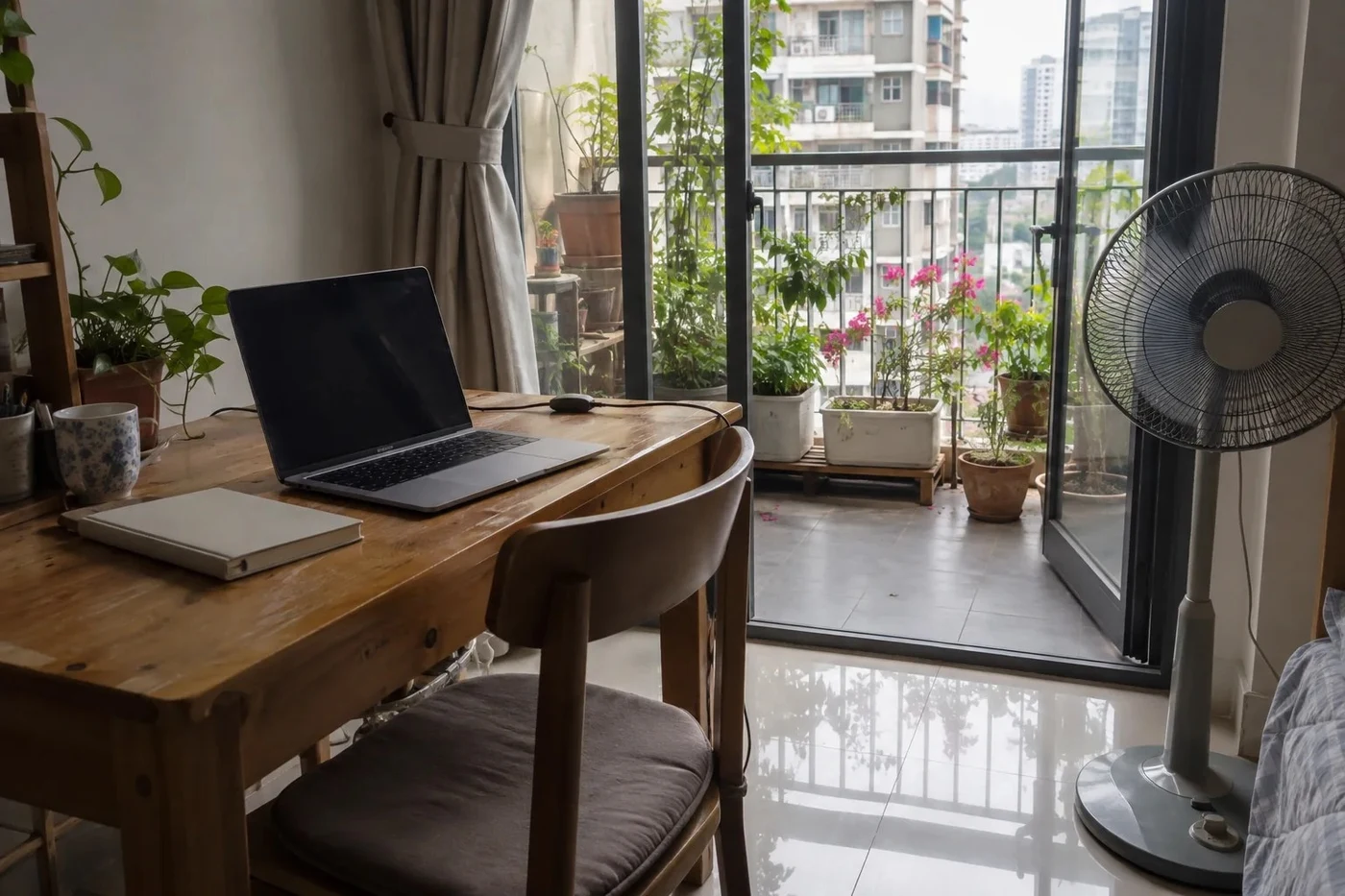
Local households iron the clothes, because the heat kills the bacteria that cause the smell. That is why a shop that advertises ironing returns better results than one that only dries. If your bag comes back smelling damp, iron it or ask the shop to do it again. In an apartment, a fan in front of the rack and quick-dry fabrics cut the drying time to a few hours.
Laundromats, hostels and washing at home
Self-service laundromats exist in Hanoi, Ho Chi Minh City and Da Nang, at 40,000-80,000 VND per load, and a cycle takes 30-45 minutes plus up to an hour of drying. They make sense for delicate fabrics or sensitive skin and little else.
Hostels often let guests use a machine for free or for 20,000-30,000 VND a load, but drying happens on a rooftop line and can take one or two days in the rainy season. Many serviced apartments and rentals have a machine in the flat, which shifts the cost to detergent and electricity. If you are choosing a flat for a long stay, ask whether the machine is inside and where the clothes dry. I rank a machine inside above a slightly lower rent. Read the cost of living in Da Nang before you compare rents.
A good routine for a stay of several months: one bag to the shop each week, a fan and a rack at home for small items, and a local SIM so the shop can message you when the bag is ready. The long-term SIM guide covers that part.
A long stay also runs into the 45 visa-free days, and that is where plans break. The e‑visa for up to 90 days is filed on the official portal evisa.gov.vn, and you can do it yourself when you have a card the portal accepts. The portal declines Russian bank cards, and a wrong port of entry can end in a turn-around at the border, so at BestBus Vietnam I pay the state fee from my own card and set the entry point to match your flight. The 90-day e‑visa service page says what is included, and you can send me your arrival date if you want it checked.
Which option to choose before you settle in
For most people the plan is one bag a week to a street shop, a hotel only for a rush job and a laundromat for delicate things. The part worth settling before you rent a flat is the visa: the e‑visa is a form you can file yourself on evisa.gov.vn if you have the card and time. When the flight is under two weeks away or the entry point has to be right the first time, tell me your arrival date on WhatsApp, and I will say which e‑visa length covers your stay.