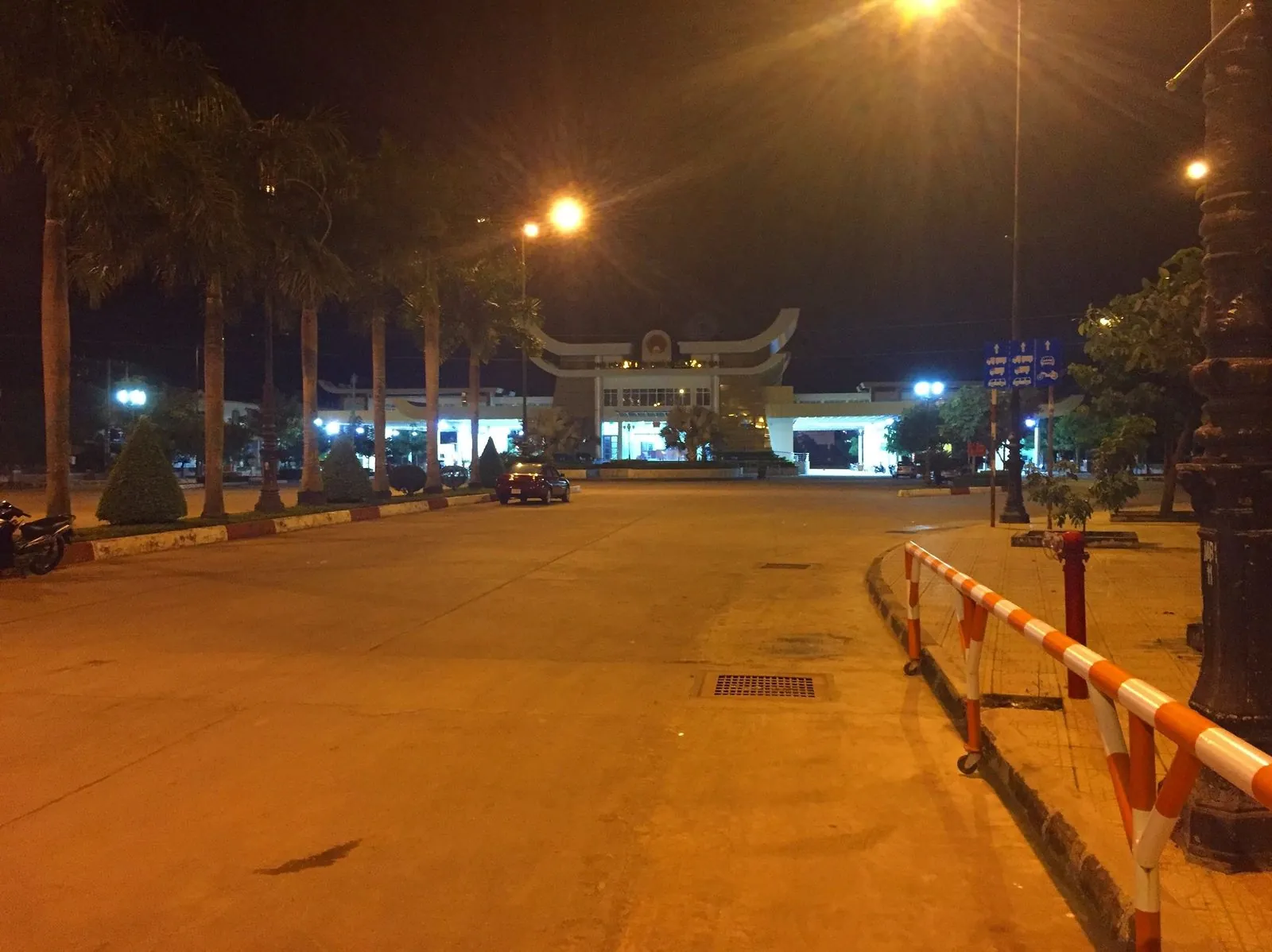
Three land crossings on the Vietnam-Laos border take e-visa exits: Lao Bao (Quang Tri), Cau Treo (Ha Tinh), and Nam Can (Nghe An). From Da Nang, only one of them is actually practical - Lao Bao, at 244-253 km and roughly 4.5-5 hours by car, with a scheduled bus and confirmed Laos visa-on-arrival. Cau Treo (463 km) and Nam Can (691 km) exist, but neither has a Da Nang-origin bus, and both leave you guessing whether Laos will even issue a visa on arrival.
I’ve been running visa-run transfers out of Da Nang for years, and this question comes up constantly from people who found all three crossings listed side by side on a generic visa site with no mention of where they actually start from. So here’s the honest version, sourced from the crossings themselves - not a copy-pasted checkpoint list.
Which Border Crossing Is Closest to Da Nang? A Side-by-Side Comparison
Lao Bao wins on every axis that matters for a Da Nang-based visa run: distance, transport options, and a confirmed Laos visa-on-arrival process. Cau Treo and Nam Can are both valid e-visa checkpoints on paper, but the practical gap is enormous once you account for how you actually get there.
| Lao Bao | Cau Treo | Nam Can | |
|---|---|---|---|
| Province | Quang Tri | Ha Tinh | Nghe An |
| Distance from Da Nang | 244-253 km | ~463 km | ~691 km |
| Travel time from Da Nang | ~4.5-5 hrs by car to the checkpoint; ~11-12 hrs by bus through to Xeno, Laos | Full day drive (no stated hours found) | Full day+ drive, not recommended |
| Da Nang-origin bus | Yes, ~1.2M VND to Savannakhet | None found - Hanoi-origin only | None found - Vinh-origin only |
| Laos side | Dansavan (Densavanh), Savannakhet | Nam Phao, Bolikhamxai | Nong Haet, Xiengkhuang |
| Laos visa-on-arrival | Confirmed reliable | Disputed - confirm before travel | Disputed - confirm before travel |
| E-visa checkpoint | Yes | Yes | Yes |
All three appear on Vietnam’s official e-visa land-border checkpoint list under Resolution 389/NQ-CP, so the visa mechanics work at all of them in theory. The difference is everything around the stamp - how you get there, and whether Laos actually lets you in on the other side.
Lao Bao: The Practical Choice From Da Nang
Lao Bao is the border crossing every visa-run guide in central Vietnam defaults to, and the distance explains why. At 244-253 km from Da Nang, it’s a 4.5-5 hour drive to the checkpoint itself if you’re being transferred directly. The public sleeper bus takes longer because it doesn’t stop at the border - it leaves Da Nang around 8:00 AM from the Hoang Van Thai junction and runs straight through to Xeno/Savannakhet in Laos, about 11-12 hours, for roughly 1,200,000 VND (about 1,100,000 VND, 22 hours total, if you’re continuing on to Vientiane).
On the Laos side, you land at Dansavan (Densavanh) International Border Gate - the one crossing on this list where visa-on-arrival is consistently confirmed for most nationalities. Expect $30-42 depending on your passport, plus a $4-6 after-hours or weekend surcharge, and bring two passport photos. If you’re self-driving a motorbike instead of taking the bus, budget a full day: it’s roughly 540 km round trip and guides recommend leaving by 6:00 AM.
This is where I usually get involved. I run the transfer from Da Nang, handle the new e-visa application with a card that evisa.gov.vn actually accepts (a real headache if you’re paying from a Russian or certain other foreign cards), and get you back into Vietnam the same day instead of losing a week to logistics. If you’d rather have it handled than plan the bus timetable yourself, what’s needed from you is your passport nationality and preferred travel date - the transfer, the new e-visa, and the same-day return get built around that. Full pricing and what’s included sits on the Lao Bao visa-run service page.
Cau Treo: Why It Rarely Makes Sense From Da Nang
Cau Treo sits about 463 km from Da Nang - call it a full day’s drive each way before you’ve even crossed. It’s a legitimate e-visa checkpoint and the busiest of the Laos-Vietnam crossings by freight volume, running along National Highway 8 through the transit town of Lak Sao to Nam Phao on the Laos side in Bolikhamxai province.
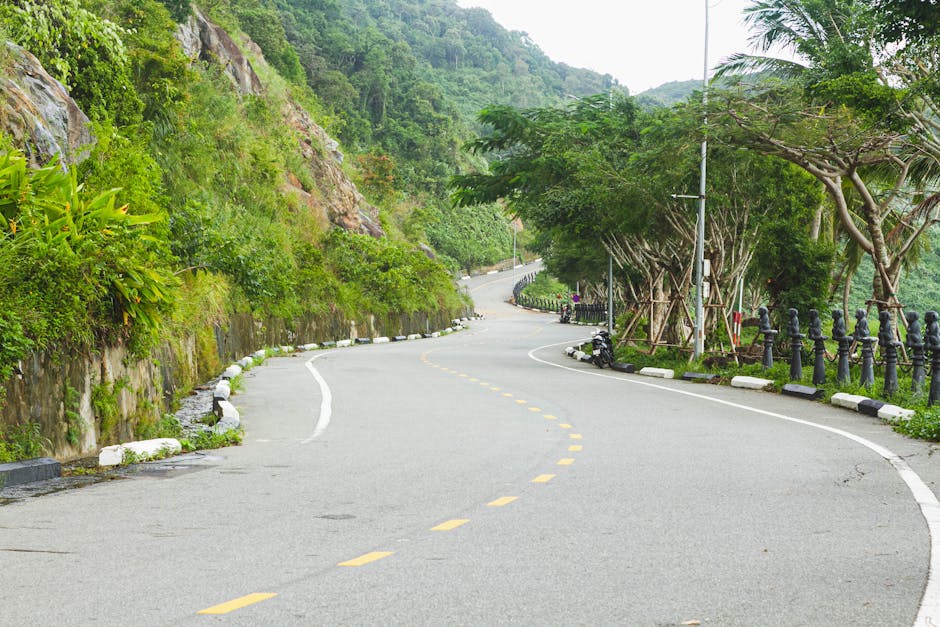
The catch: I couldn’t find a single scheduled bus route from Da Nang to Cau Treo. Every commercial bus product I found serving this crossing originates in Hanoi, which tells you who it’s actually built for. If you’re in Da Nang and want to use Cau Treo anyway, you’re looking at a private car or a long self-drive on a mountain road with a documented history of rainy-season landslide closures (the last confirmed one was February 2024; I found nothing indicating a 2026 closure, but that’s not the same as confirmation the road is currently clear).
There’s also a real question mark over whether Laos issues visa-on-arrival at Cau Treo at all - sources disagree, and I’d rather tell you that plainly than repeat a “yes” I can’t back up. If you’re actually planning a trip that starts near Vinh or Hanoi, Cau Treo is a reasonable choice. From Da Nang, it’s hard to justify over Lao Bao.
Nam Can: When (If Ever) Should You Use It?
Nam Can is the furthest option at roughly 691 km from Da Nang, crossing into Nong Haet in Laos’ Xiengkhuang province. Multiple visa-run guides explicitly call it impractical for Da Nang-based travelers, and the transport confirms it: the only scheduled bus I found connecting to this crossing runs from Vinh to Phonsavan, not from Da Nang. The checkpoint itself operates roughly 7:00 AM to 5:00 PM.
Like Cau Treo, Laos visa-on-arrival availability at Nam Can is disputed rather than confirmed. Realistically, this crossing makes sense if you’re based in Nghe An or already traveling in the north - not as a visa-run destination from central Vietnam. If someone recommends Nam Can for a Da Nang-based run, ask them if they’ve actually made the trip.
How Do I Choose the Right Border Crossing?
If you’re based in Da Nang, Hoi An, or Hue, the decision is close to automatic once you weigh distance, transport, and confirmed Laos entry against each other - the same five checks I run through with every client before booking a border run:
- Distance from your actual location. Lao Bao is roughly half the distance of Cau Treo and a third of Nam Can from Da Nang - that alone should settle it for most people.
- Confirmed transport. Only Lao Bao has a Da Nang-origin scheduled bus. The other two require you to arrange your own transport, which adds cost and risk.
- Confirmed Laos entry. Dansavan is the one crossing where visa-on-arrival is reliably reported. Showing up at Cau Treo or Nam Can without confirming in advance is a bad way to find out the answer is no.
- Same-day feasibility. Lao Bao supports a same-day round trip from Da Nang for travelers who don’t want to lose two days to a border run. The other two don’t, given the drive alone.
- Where you’re actually headed after. If your onward travel plan is Vientiane or Savannakhet, Lao Bao lines up naturally. If it’s genuinely Xiengkhuang or Bolikhamxai, that changes the math - but check that against your starting point in Vietnam first, not just your destination in Laos.
For nearly everyone reading this from central Vietnam, that’s Lao Bao.
What Happens If You Get the Border Wrong
A failed or delayed visa run has real consequences. Vietnam’s 2026 overstay fines, enforced by the Immigration Department, scale by days: 500,000-2,000,000 VND for 1-15 days, 3,000,000-5,000,000 VND for 16-29 days, 5,000,000-10,000,000 VND for 30-59 days, and up to 40,000,000 VND (about $1,520) for the longest overstays, with deportation risk starting past 16 days.
That’s the real cost of picking a crossing that doesn’t have a bus, doesn’t have confirmed Laos entry, and eats your entire travel day before you’ve even reached the booth.
Read more on what Lao Bao, Moc Bai and Ha Tien look like if you’re weighing the Cambodia-side crossings too, or check current Vietnam e-visa processing times by country before you plan the trip. If your visa is already close to the wire, our guide on overstay fines at Lao Bao breaks down exactly what’s at stake.
I keep coming back to the same answer with clients: unless you’re already up north, Lao Bao is the border crossing worth your day. If you want the whole run - transfer, new e-visa, government fee paid on a card that actually clears, same-day return - book it through danangvisarun.com.
Frequently asked questions
What if I have a lot of luggage or a suitcase - does that change the border crossing itself? Not for the paperwork, but sleeper buses and private transfers usually have limited luggage space, so check with whoever’s arranging your transfer before you show up with more than a backpack and one bag.
Can I use my Vietnam e-visa to exit and re-enter at Lao Bao, Cau Treo, or Nam Can? Yes, all three are on Vietnam’s official e-visa land-border checkpoint list under Resolution 389/NQ-CP. The difference is getting there and what happens on the Laos side, not the Vietnam e-visa mechanics.
Do I need a new e-visa every time I do a border run? Yes. Tourist e-visas generally can’t be extended in-country, so a border run means applying for a fresh $25 single-entry (or $50 multiple-entry) e-visa on the official evisa.gov.vn portal to re-enter with renewed time.
What if my e-visa payment gets declined on the government portal? Retry with a different card first - foreign cards clear more reliably than Russian-issued ones on evisa.gov.vn - and keep a backup card ready before you start the border run so a declined payment doesn’t strand you mid-trip.
What if you want to continue overland into Laos instead of just doing a same-day border run? Lao Bao’s bus continues straight through to Xeno and on to Savannakhet without stopping at the checkpoint, so if onward travel is the actual goal rather than a fresh stamp, that same route works - you just don’t get off partway through like a same-day visa run does.
Do you need to show a return or onward flight ticket to get the Laos visa-on-arrival at Dansavan? Typically not for a short visa-run crossing at Dansavan, but bring proof of your Vietnam re-entry plan just in case - officers occasionally ask, and it’s a two-minute problem to solve if you already have the e-visa confirmation on your phone.