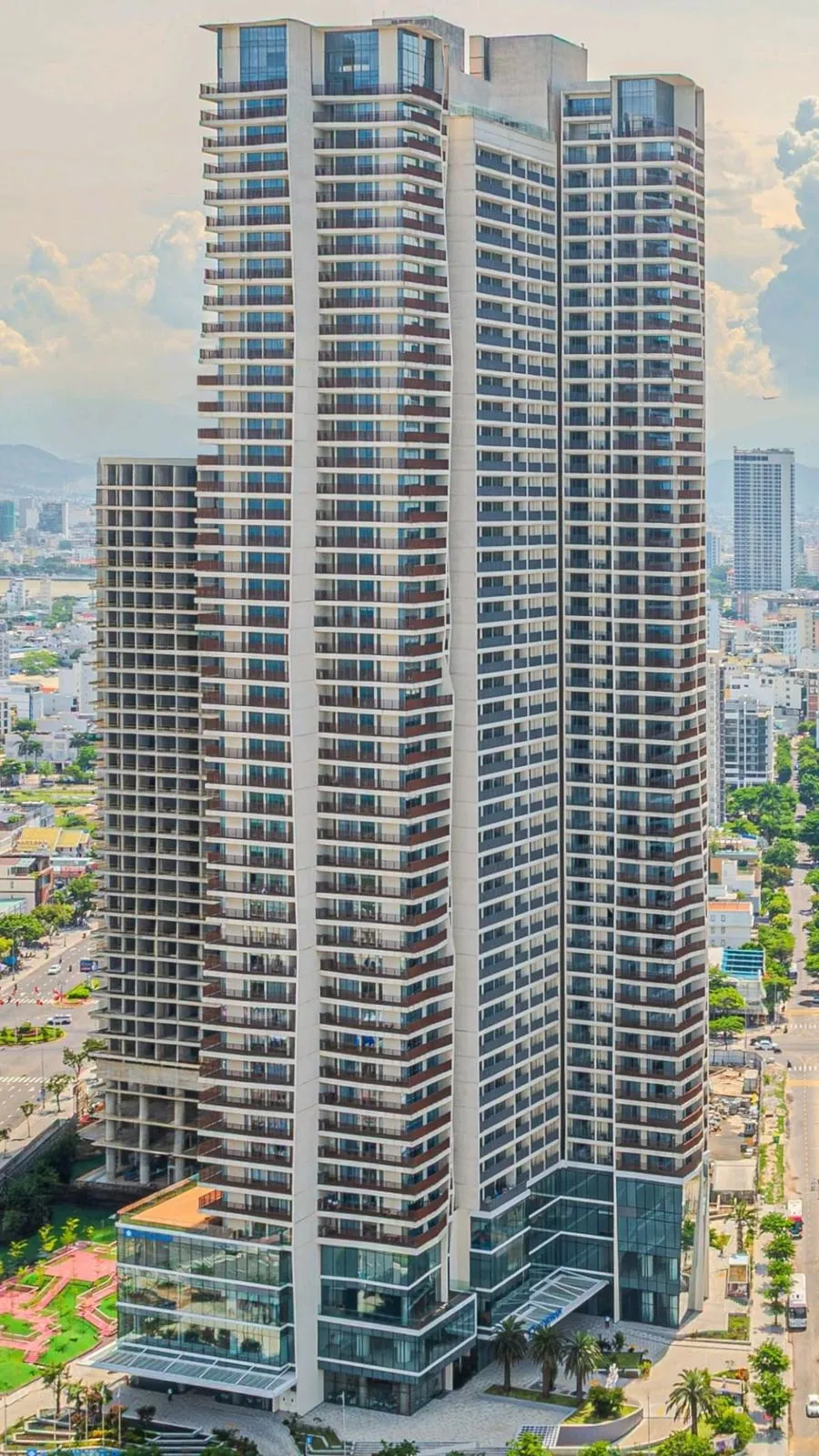
Foreigners can legally own an apartment in Vietnam for 50 years, with one renewal for another 50 if conditions are met - but only the unit itself, never the land underneath it. I looked into buying in Nha Trang after three years of renting in Da Nang, and the fine print changes the math more than the price tag does.
Step by Step: How the Purchase Actually Works
- Pick a unit and confirm with the developer that the foreign quota isn’t full.
- Pay a booking deposit - typically 50-100 million VND ($2,000-4,000), refundable or not depending on the developer. This locks in the price.
- For units still under construction, pay in installments, usually 5-10% every couple of months as building progresses.
- Withhold the final 5% of the price until the Pink Book is actually issued - your only real leverage if the developer drags its feet.
- Wire funds through a bank rather than handing over cash on signing day - you’ll need that paper trail later to legally repatriate money if you ever sell.
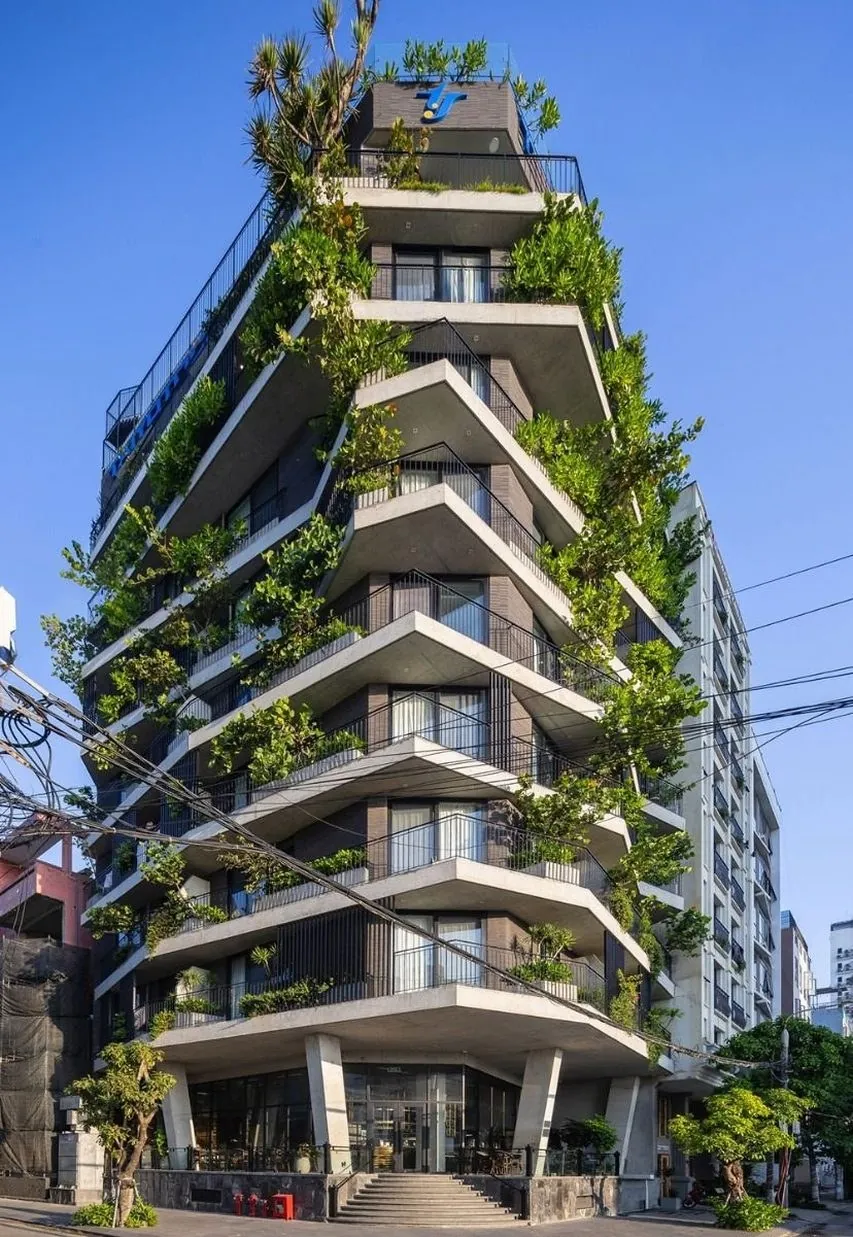
What Happens When the Building’s 30% Quota Is Full?
Every residential building caps foreign ownership at 30% of total units. I checked this directly with developers on two Nha Trang projects - one had only 4 units left out of its full foreign quota, out of dozens of floors.
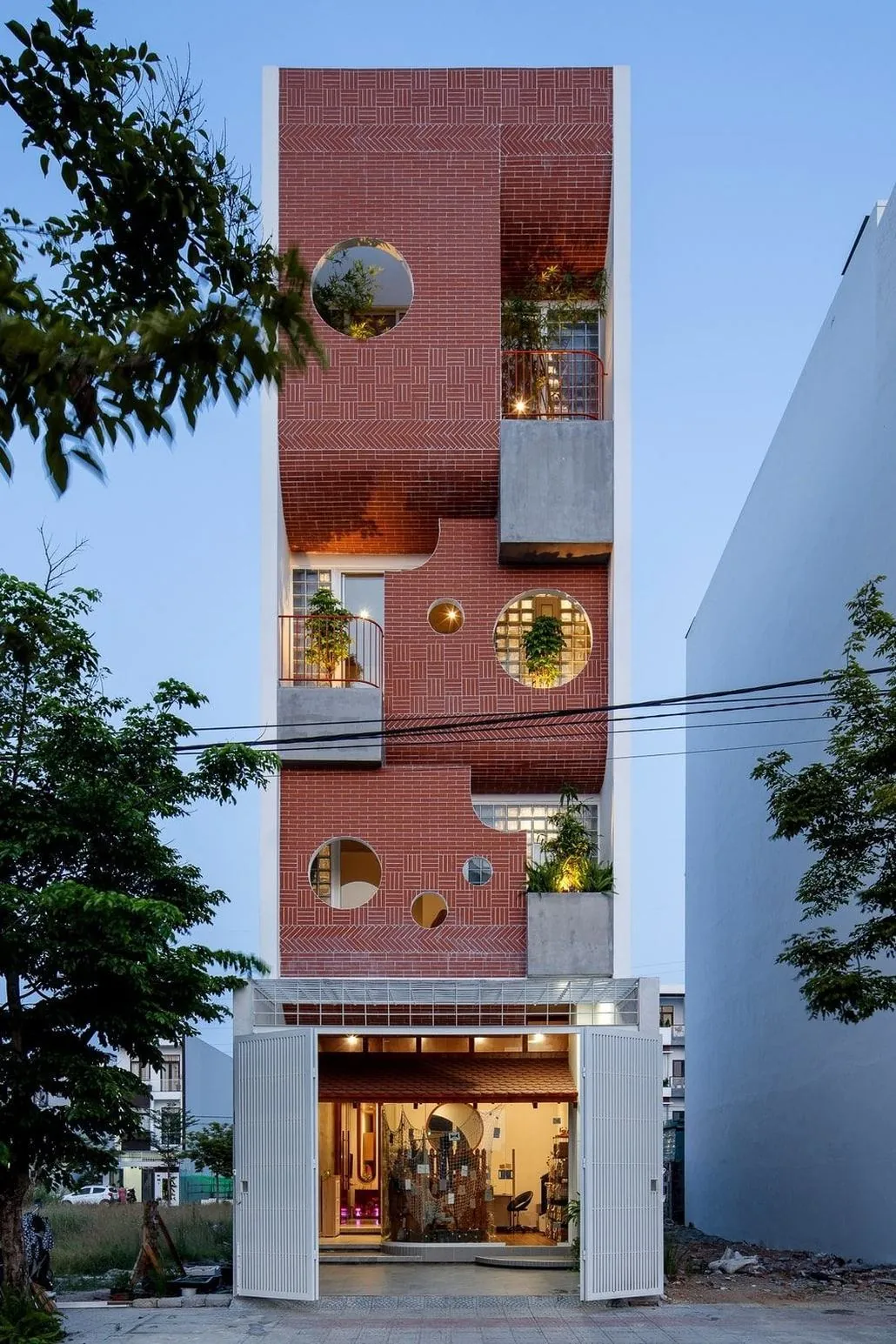
Once that quota’s gone, developers offer a Long-Term Lease (LTL) instead of a Sale and Purchase Agreement (SPA). The LTL still runs up to 50 years, but it does not come with a Pink Book - legally you’re a long-term tenant, not an owner, even at full market price. Ask which contract you’re signing before you hand over a deposit - clearing that up afterward is a much harder conversation.
What Costs Show Up After You’ve Already Committed?
The listed price is rarely the final number. On the resale market specifically, insist on meeting the current owner in person and cross-checking their paperwork with the developer directly - not through a broker who says it’s “all good.” Some projects flatly prohibit sales to foreigners altogether, and that only surfaces once you’re mid-deal if nobody checked earlier.
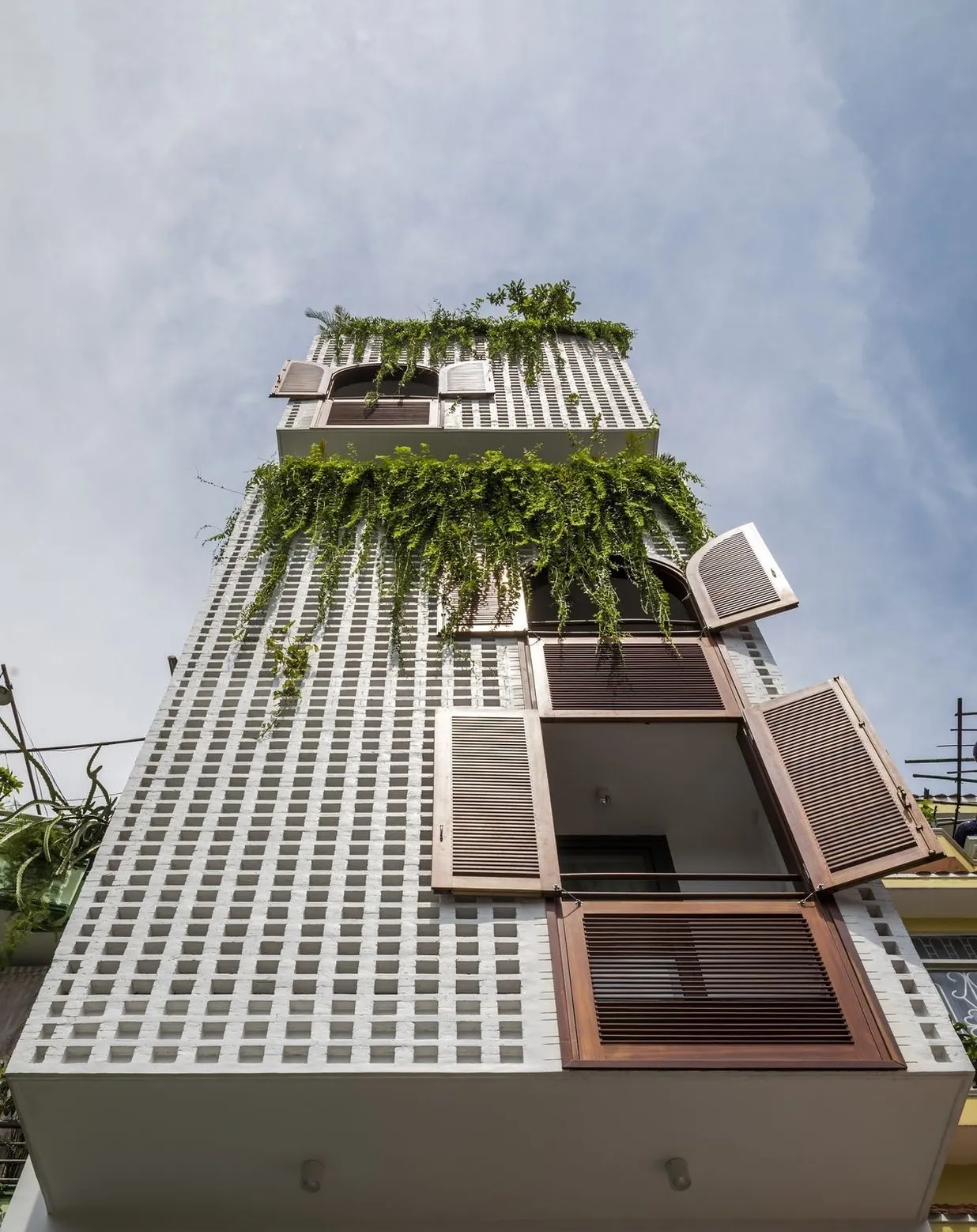
How Long Can a Foreigner Actually Own a Vietnamese Apartment?
Under the 2023 Housing Law and the 2024 Land Law, land in Vietnam belongs to the state - you’re never buying the ground, only the structure on it. Ownership runs 50 years from the date the certificate is issued, with a single 50-year extension available if you still qualify at renewal time. That caps out at roughly a century in the best case, well short of the indefinite freehold most Western buyers expect.
To even qualify, you need to be legally present in Vietnam at the time of the transaction, with a currently valid visa or e-visa. I watched a friend try to close on a unit the same week his visa lapsed; he ended up sorting a visa run and the contract in the same seven days, a genuinely rough week. What that visa side covers end to end is on our services page.
How Long Does the Pink Book Really Take?
This is the part nobody mentions upfront. Friends who bought in Nha Trang in 2023 only got their Pink Book in spring 2026 - three years later. You live in the unit under the purchase contract the whole time, waiting on a document that has no fixed timeline.

That gap matters more than it sounds: your legal right to stay in the country doesn’t automatically extend just because you’ve bought property here. If the Pink Book is still pending years after signing, you still need an active visa or TRC to be in the country at all - buying an apartment doesn’t buy you residency.
That’s usually where I end up getting involved with people going through this: sorting the e-visa or a Lao Bao visa run so you’re not stuck scrambling for a border crossing while a developer sits on your paperwork. Message me on Telegram and I’ll check what fits your passport and timeline. You can also book directly at danangvisarun.com.
Renting vs. Buying: What I’d Actually Tell a Friend
Fifty years of ownership sounds long until you compare it to renting month to month with zero legal exposure. I’m still on a long-stay visa rather than a TRC, so renting keeps me flexible - I’m not betting a five-figure deposit on getting my visa status renewed on a timeline that matches a developer’s paperwork.
If you’re leaning toward buying anyway, sort your visa status first and the purchase second. A stable long-term visa or TRC before you sign is worth more than a discount on the unit - otherwise you can end up holding a contract with nowhere legal to live while you wait for it to clear.