
Moving to Da Nang in October looked fine on paper. Then 392mm of rain and 12 wet days arrived, and I understood that timing a Vietnam move matters as much as choosing the city. Vietnam stretches 1,800km from north to south across three distinct climate zones — the south, centre, and north are never in the same season at once. The month you arrive shapes your first weeks, your apartment search, and how much you pay.
Does the Season You Move to Vietnam Actually Matter?
Yes, more than most relocation guides admit. When Phu Quoc is bone-dry in February, Da Nang is still finishing its four-month rainy period. When Ho Chi Minh City gets daily afternoon showers in July, Nha Trang has barely one wet day. Planning around the country’s average is the fastest way to pick a bad arrival date.
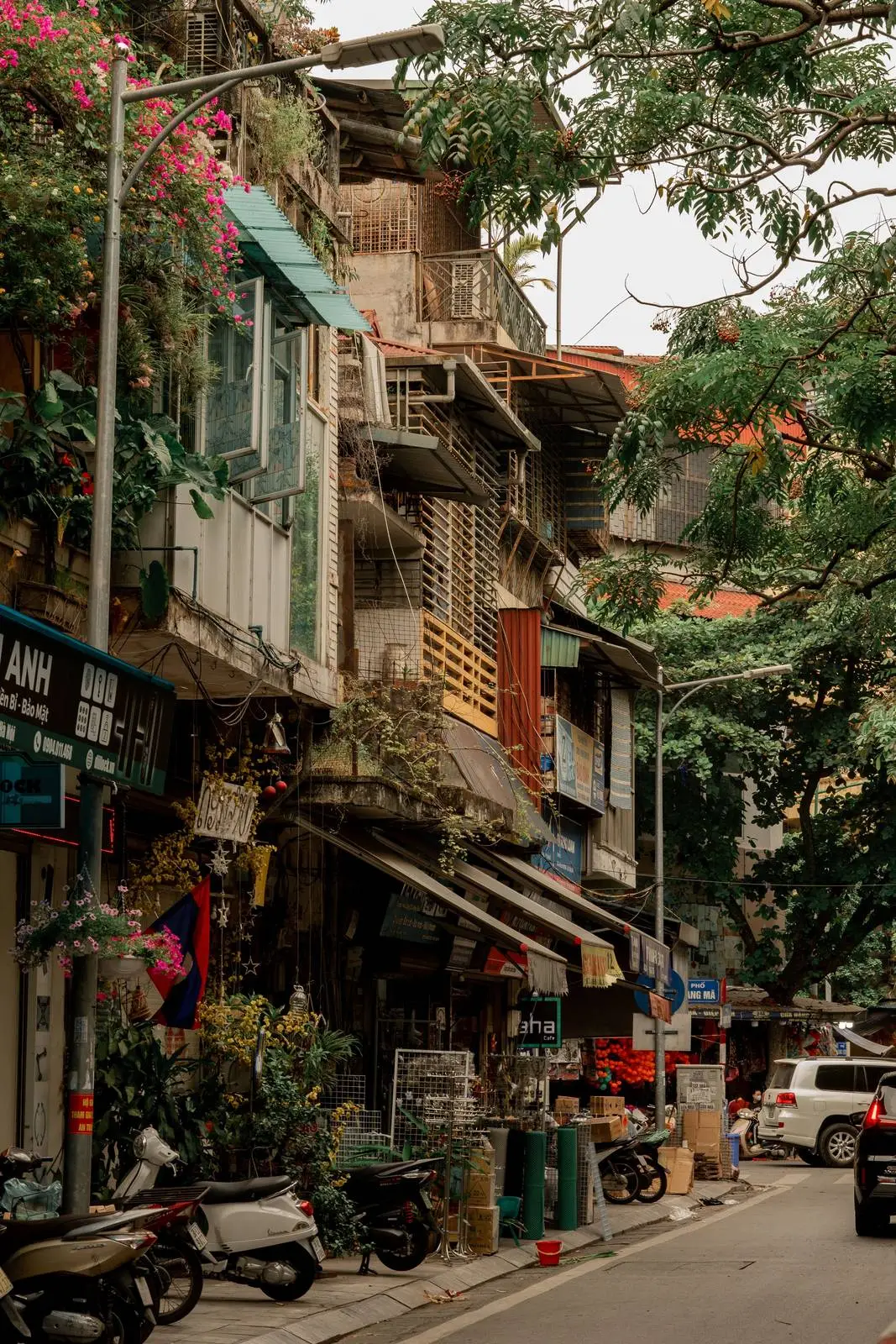
“Rainy season” in Vietnam also doesn’t mean the same thing everywhere. In Nha Trang, October rains are mostly overnight and manageable. In Ho Chi Minh City, they’re brief afternoon downpours. Da Nang in November is different — 13 wet days, typhoon warnings, and power cuts.
Da Nang: The Move Window Is March Through September
Da Nang runs a clean dry season from March to September. March averages 3 wet days and 53mm of rain: solid conditions for apartment hunting without time pressure. April through August is the sweet spot: daytime highs of +31–35°C, water temperature +25–30°C, and minimal rainfall.
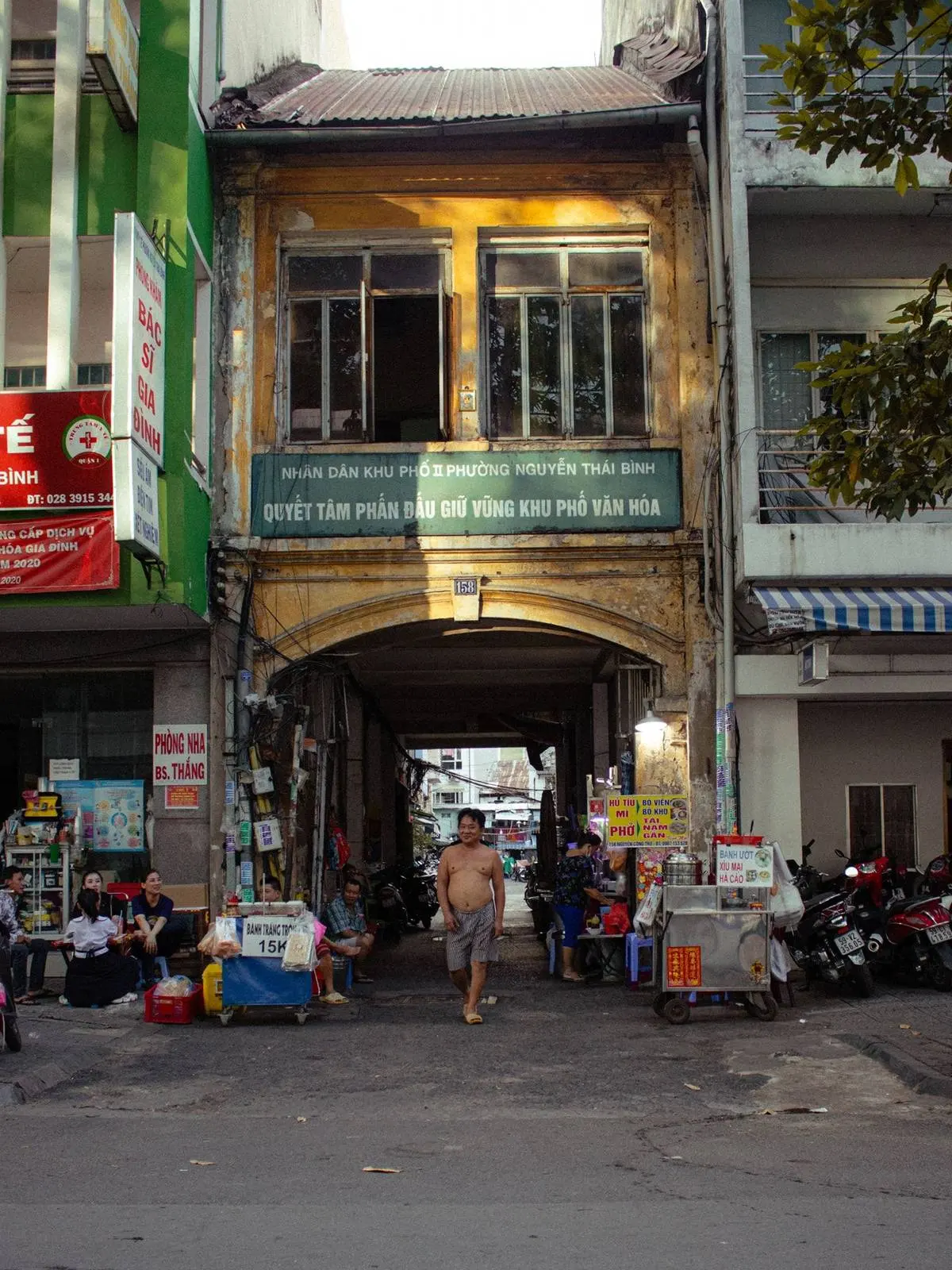
October shuts the window. The numbers: 12 wet days and 392mm in October; 13 wet days and 368mm in November. These aren’t passing showers. Central Vietnam’s autumn storms are some of the most intense in Southeast Asia.
Best Da Nang arrival: April or May. The dry season is established, tourist prices haven’t fully peaked, and you have six stable months ahead to settle in. Studio apartments at direct-rental rates run $250–400/month. For a full picture of long-term options, read the Vietnam long-term move guide.
Does Nha Trang Have a Year-Round Season?
Nearly. Nha Trang is Vietnam’s most forgiving city for timing flexibility. January through August: 1–4 wet days per month, water temperature +25–29°C, daytime highs reaching +30–33°C from March onward. The sea warms to +26°C by February and stays there through September.
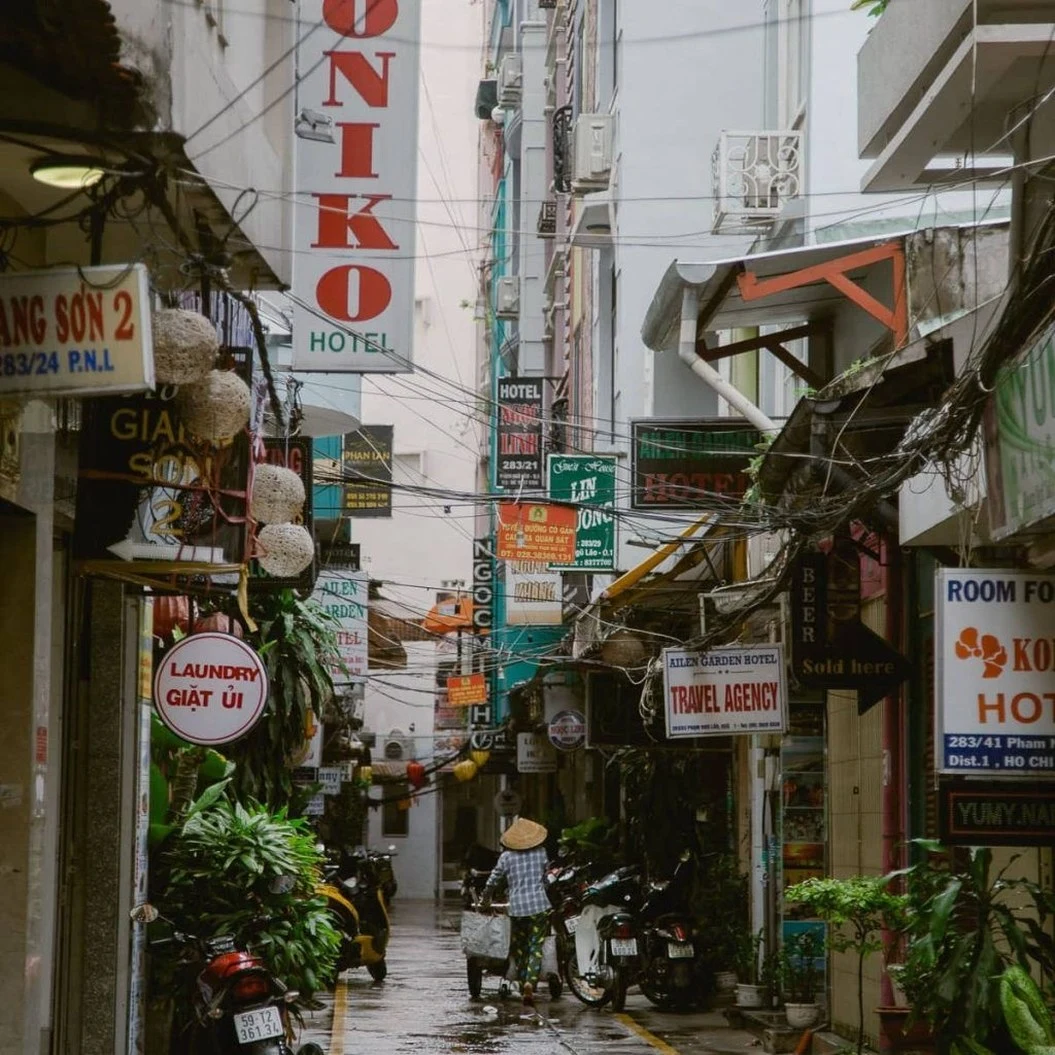
October through December is the rainy period: 7 wet days in October, 7 in November (313mm), 8 in December (181mm). Unlike Da Nang, Nha Trang’s rains are predominantly overnight, which makes the wet season more liveable.
Nha Trang hosts Vietnam’s largest Russian-speaking expat community (600+ permanent residents), a Russian-language school, and Russian-language shops and cafes. Monthly budget for one person runs $700–1,200; studio apartments at direct rates start at $250–400/month.
Best Nha Trang arrival: February or March. Dry season fully established, landlords willing to negotiate before the spring surge.
When Is Vietnam’s Rental Market Cheapest?
Southern Vietnam’s off-season (May–October) is an underrated entry point. Tourists leave, landlords become flexible, and apartments that normally fill instantly sit empty for weeks. If you’re signing a 6–12 month contract and can handle brief afternoon showers, October in Ho Chi Minh City or Phan Thiet is often a strong deal.
Central Vietnam is the opposite. Da Nang’s October–November rainy season is a genuine disruption, not a discount opportunity. The rain keeps apartment viewings difficult, and moving logistics get complicated.
Wherever you arrive, plan the first 2–3 weeks in a hotel or short-term rental. Walk the neighbourhoods, find a flat you’d actually want to live in, then sign direct. Direct contracts run 2–3x cheaper than Airbnb for stays over three months. Never leave your original passport as a deposit — a copy or cash deposit is what’s legally accepted.
Ho Chi Minh City and Phu Quoc: South Vietnam’s Seasonal Logic
The south runs inverse to the centre. Rainy season: May through October. Dry: November through April. Temperatures stay at +29–32°C year-round regardless of rainfall, so “rainy season” doesn’t mean cold.
November is the move sweet spot for the south. Phu Quoc drops from 16 wet days in July to 9 in November. Ho Chi Minh City goes from 17 wet days in July to 7 in November. Tourist arrivals haven’t peaked, landlords are more flexible, and you have the entire dry season ahead.
Ho Chi Minh City costs 20–30% more than Da Nang or Nha Trang ($1,000–1,500/month all-in), but offers Vietnam’s best hospitals, a metro line (since late 2024), and the widest range of international options. See the Vietnam city comparison guide for a full breakdown.
What About Hanoi?
Hanoi runs a rainy season from May through October (peak: July–August, 9–12 wet days and up to 222mm). Winter is genuinely cool: January nights reach +14°C. This surprises people expecting tropical heat year-round.
Best Hanoi window: October through April. The city is drier, temperatures drop to a pleasant +20–27°C in spring and autumn. Hanoi is more international and faster-paced than coastal cities — worth experiencing before committing if you’ve only seen Da Nang or Nha Trang.
For e-visa help before your move — the official portal evisa.gov.vn charges $25 (single-entry) or $50 (multiple-entry), but many foreign cards get rejected at checkout. I handle the full application so clients skip the card headaches. Message me on Telegram @learnx1000 for a quote on your dates.