Moving to Vietnam long-term in 2026 runs on two visa tracks: a 45-day visa-exempt stamp for eligible nationalities, or a 90-day e-visa ($25 single entry / $50 multiple entry) through the official evisa.gov.vn portal. Everything else - which city, how much rent costs, how you handle the visa-run cycle - is logistics you can plan before you land, and the border-crossing part is the one piece you can hand off entirely if you’d rather not deal with it.
Which Vietnamese City Should You Base In?
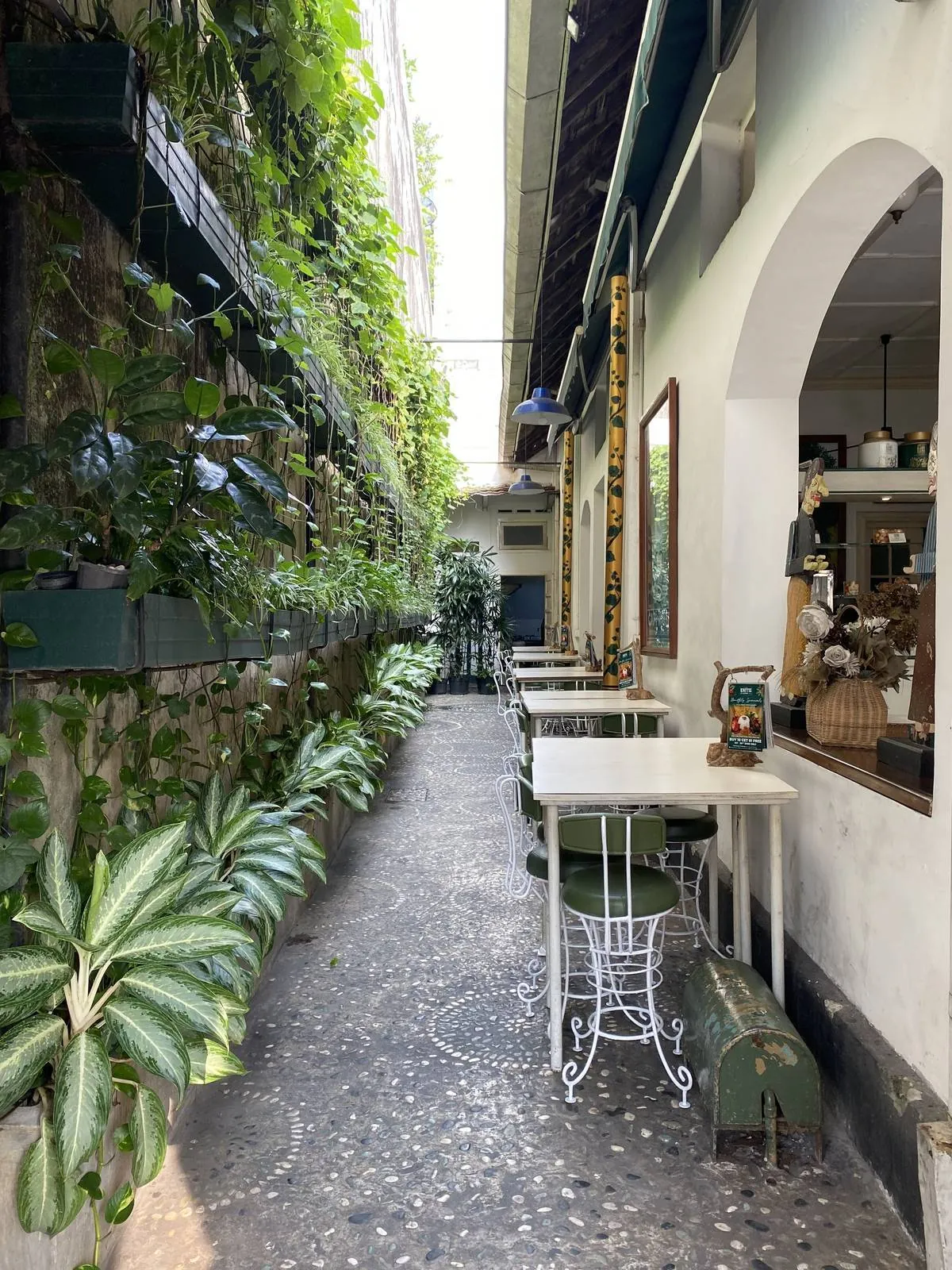
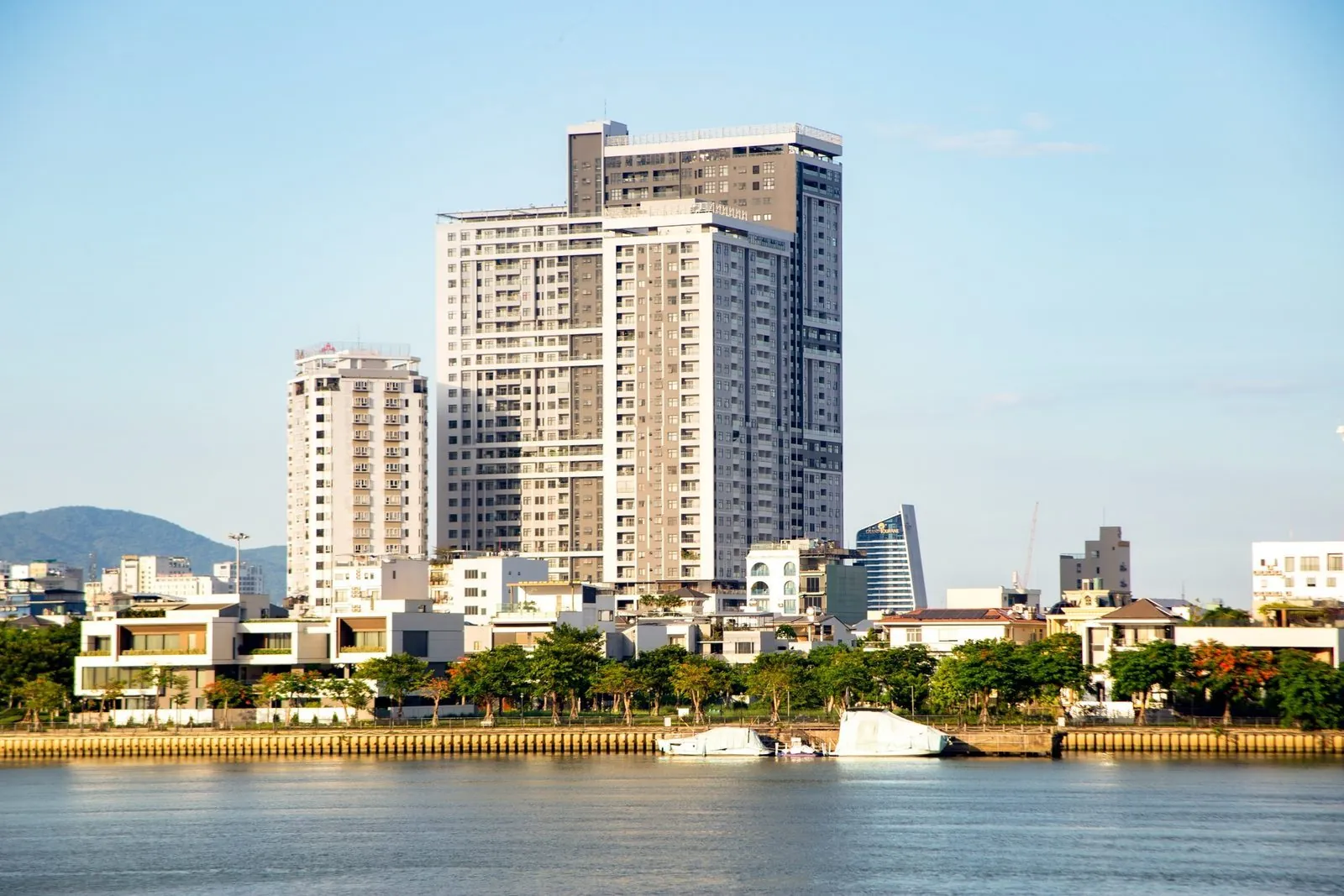
Coastal cities like Da Nang and Nha Trang give you infrastructure, an established long-term expat community, and studio rent starting around $100-110/month if you find a place directly instead of through a tourist-facing agent. A one-bedroom in a building with an expat community runs $270-300/month. Ho Chi Minh City has more freelance and remote-friendly work opportunities but starts $100-150/month higher on rent for comparable space. If you don’t already have a reason to pick a specific city, a mid-size coastal city is the easier first base - smaller, walkable, cheaper to test for a season before committing longer.
Step by Step: Setting Up a Long-Term Stay
- Apply for a multiple-entry e-visa on evisa.gov.vn 1-2 weeks before departure, using a card the portal actually accepts - this is where a surprising number of applications stall.
- Book your first week in short-term housing, not a month-long lease, so you can walk the neighborhood before signing anything.
- Get a local SIM and sort out money transfer in the first 3 days - Wise and similar services work for most nationalities into a Vietnamese bank account.
- Find your actual apartment through local rental groups rather than the first agent who messages you in English - direct listings run 30-50% cheaper.
- Mark your visa expiry date three weeks out, not three days out, so the visa run isn’t a last-minute scramble.

How Does the Visa Run Cycle Actually Work?
Even a 90-day e-visa eventually runs out, and you either extend locally or make a visa run. The cheapest overland option from central Vietnam is the Laos border crossing - an overnight sleeper bus, slower than flying but noticeably cheaper. Some travelers report informal “donation” requests of $5-10 at the land checkpoint on the Vietnamese side; it’s unofficial, unregulated, and depends entirely on which officer is on duty that day. That unpredictability is the exact piece our Da Nang visa-run service is built to remove — a fixed price and a driver who already knows the checkpoint.
This is the part I usually get pulled into: I handle the e-visa paperwork on a card the portal will actually take, pick up in Da Nang, and get the whole round trip - border crossing included - done in a single day instead of an overnight bus with unpredictable costs at the checkpoint. If that’s the piece you’d rather not deal with, check dates and routes on the site or message me directly.
What Does Renting an Apartment Actually Cost?
Beyond the base rent, budget for a deposit equal to one month (sometimes two), plus separate water (~$4/month per person) and electricity, which can climb to a quarter of your rent in the hot season if you run AC constantly. Your first month - flight, deposit, and setup costs - typically runs $700-900 above your ongoing monthly budget, so plan for it as a one-time hit, not part of your regular spend.
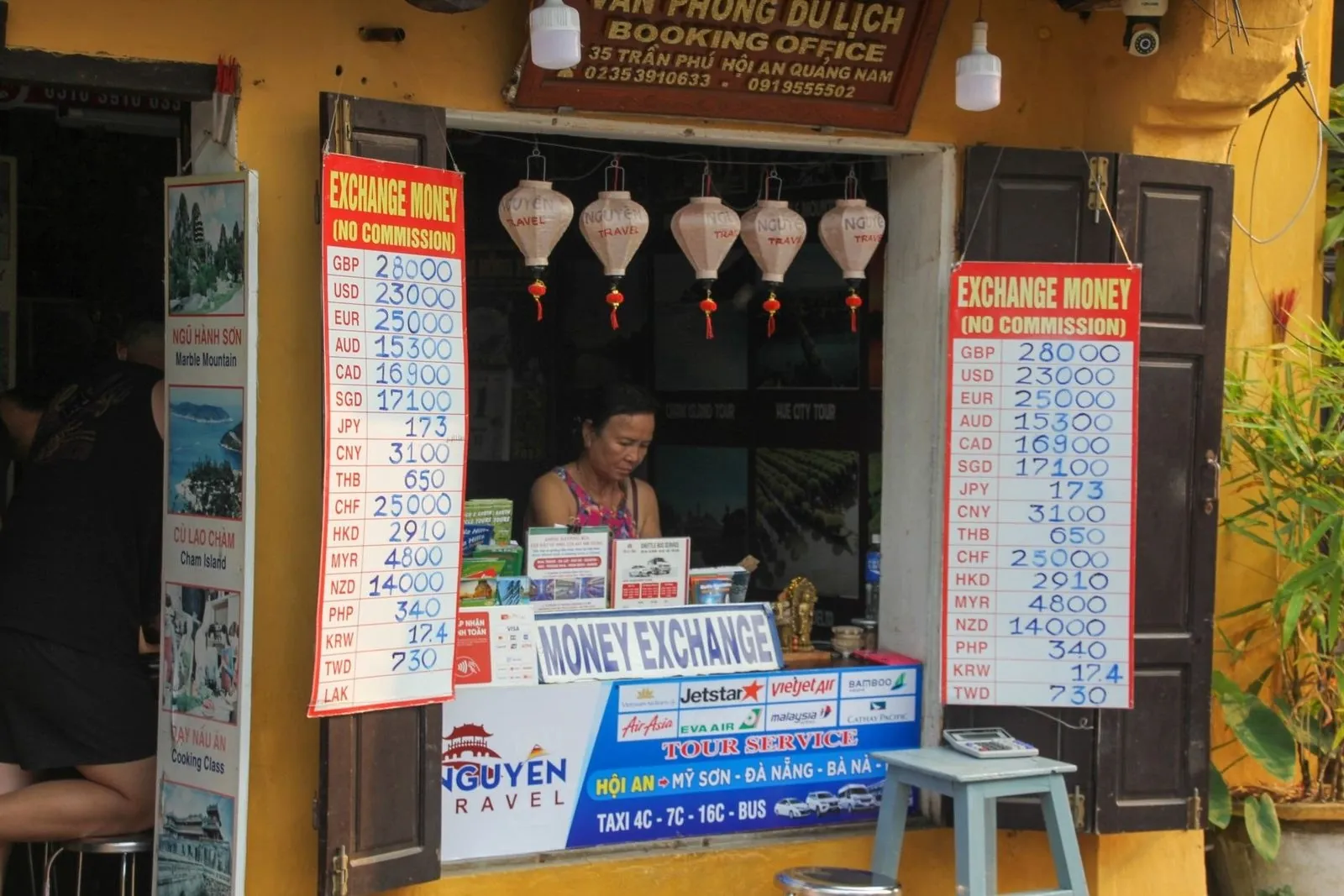
A local SIM with a daily data package runs about $3-4/month, and most people prepay six months to a year at once since it’s noticeably cheaper than paying monthly. Basic outpatient care at a private clinic - a GP or specialist visit - costs roughly $20, with English-speaking staff at clinics in areas with an established expat population; dental cleanings and fillings are routinely cheaper than back home, though complex procedures like crowns are still worth comparing prices on.
How Much Should You Actually Budget Per Month?
Rent, food, a local SIM, and one visa run averaged out puts a single person around $400-500/month in a mid-size coastal city, or $700-900/month for two people with home cooking mixed with eating out a few times a week. That’s without a car, without international schools, and without a Western-standard gym membership - those categories add meaningfully on top.
The logistics - not the lifestyle - are what trip people up: a visa application that stalls on a card the portal won’t accept, or a visa run that eats a full day of uncertainty at the border. If you’d rather have that part just handled, message me on Telegram and I’ll check dates for your passport. Either way, danangvisarun.com has the full breakdown of routes and pricing.