International school fees in Vietnam for 2026-27 run from about $9,600 a year in the youngest classes at APU in Da Nang to $39,870 in the last two grades at UNIS Hanoi. One-off charges add $110 to $1,900 each, and a ten-month school year needs its own visa plan.
How much does an international school cost in Vietnam in 2026-27?
The cheapest seats are in Da Nang’s youngest classes, at about $9,600 a year. Flagships in Hanoi and Ho Chi Minh City reach $37,300 to $39,870 for older pupils, while Da Nang’s SIS peaks near $25,500 and APU near $23,000. All prices below are 2026-27 list prices in dollars, converted at about 26,000 dong per dollar where a school quotes dong.
Ho Chi Minh City schools raised prices by 3% to 6% for 2026-27, according to Tuoi Tre. For a wider view of costs outside tuition, my guide to moving to Vietnam with kids covers housing and health.
What do the Ho Chi Minh City schools charge?
Annual tuition for 2026-27 spans about $18,800 at BVIS primary to $38,300 at BIS Year 13. ISHCMC runs the IB, BIS teaches a British programme with the IB Diploma and BVIS teaches a bilingual British programme in English and Vietnamese. BIS and BVIS belong to Nord Anglia.
ISHCMC
International School Ho Chi Minh City runs the full IB from early years to Grade 12 in Thao Dien. Tuition for 2026-27 is about $26,900 in Grade 1 and $37,900 in Grade 12, plus an annual development fee of about $2,600, according to the school’s price list and Tuoi Tre. It suits families who want one IB school for a child from age 2 to 18.
BIS HCMC
British International School HCMC teaches the British curriculum with the IB Diploma in the final years. Year 2 costs about $28,400 and Year 13 about $38,300 for 2026-27, up 4.5% to 4.9% on the previous year. It suits families who want the British system with an IB finish and can budget close to $40,000 for the last year.
BVIS HCMC
At BVIS, Vietnamese is part of the timetable. Primary costs about $18,800 to $19,700 a year and secondary about $23,600 to $27,200 for 2026-27, the lowest range of the three Ho Chi Minh City schools. Families who plan to stay for years and want their child to read and speak Vietnamese will find it the natural pick.
What do UNIS Hanoi and BIS Hanoi charge?
Hanoi’s two flagships price their top grades above $37,000 a year for 2026-27. UNIS Hanoi publishes dollar prices for every grade, while BIS Hanoi publishes dong prices, so UNIS is easier to compare. Year 13 at BIS Hanoi costs about $37,300, and Grades 11 to 12 at UNIS Hanoi cost $39,870.
UNIS Hanoi
United Nations International School of Hanoi teaches the IB from age 3 to Grade 12. Its 2026-27 price list sets these yearly tuition fees:
- Early Years 3-4: $17,460
- Kindergarten: $26,900
- Grades 1 to 5: $33,330
- Grades 6 to 8: $35,210
- Grades 9 and 10: $37,530
- Grades 11 and 12: $39,870
A school bus costs $1,100 a year. UNIS suits families who want the IB at every age from three to eighteen.
BIS Hanoi
British International School Hanoi is the Nord Anglia sister of BIS HCMC and follows the same British path. Year 13 costs 970,200,000 dong for 2026-27, about $37,300, according to the school’s price list. Choose it if you prefer the British curriculum and want it in Hanoi.
How much do Da Nang’s international schools cost?
Da Nang’s top grades stop near $25,500 at SIS, against $37,300 to $39,870 in Hanoi and Ho Chi Minh City, a gap of roughly $12,000 to $14,000 a year. Two schools set the reference prices: SIS Da Nang teaches Cambridge and APU teaches the American curriculum. My longer guide to Da Nang school fees and entry covers the smaller local options, and Nha Trang schools have their own comparison.

SIS Da Nang
Singapore International School at Da Nang teaches Cambridge and Singapore programmes from age 2 to A-level. Its International Programme costs 528,283,000 dong in Years 1 to 3 and 663,575,000 dong in the second A/AS year, about $20,300 to $25,500. It suits families who want Cambridge IGCSE and A-level in a city that costs less than Hanoi.
APU Da Nang
APU American International School Da Nang takes children from age 3 to Grade 12 and offers AP courses. Kindergarten 1 to 3 costs about $9,600 a year, and the top grades reach roughly $22,000 to $23,000 depending on the source. Of the six schools here, it has the lowest list price.
Which one-off fees come on top of tuition?
Every school adds an application or placement fee, a registration or enrollment fee and a deposit, and each item costs between about $110 and $1,900. Tuition is only part of the first-year bill, so add these charges before you compare two schools. The figures below come from school price lists and independent reports for 2026-27.
- UNIS Hanoi: $600 application, valid for three years of re-applications, a non-refundable $1,750 enrollment fee and a $1,500 deposit credited to tuition.
- SIS Da Nang: about $110 for the placement test, about $830 registration and about $580 deposit.
- ISHCMC: about $1,900 admissions fee when the place is offered, and the yearly development fee already mentioned.
A tuition gap of $3,000 between two schools can vanish once registration and a $1,100 bus pass are added, so ask each admissions office for the first-year total in writing.
Will a school accept a child who speaks no English?
The schools in this comparison assess a child’s English before an offer, and the cost of that differs. Teaching is in English at every one of them. ISHCMC includes English support in tuition, SIS Da Nang charges about $110 for the placement test and about $1,490 a year for its EFL programme, and BIS Hanoi’s application fee covers the entrance assessment.
For a child under six, local and international preschools are a gentler start, and I compared them in preschools for expat kids.
How does a child’s visa fit a school year?
A child at an international school needs repeated e-visas with exits, a student visa backed by the school, or a temporary residence card tied to a parent’s status. A school year runs from mid-August to June, about ten months, while one e‑visa covers up to 90 days.
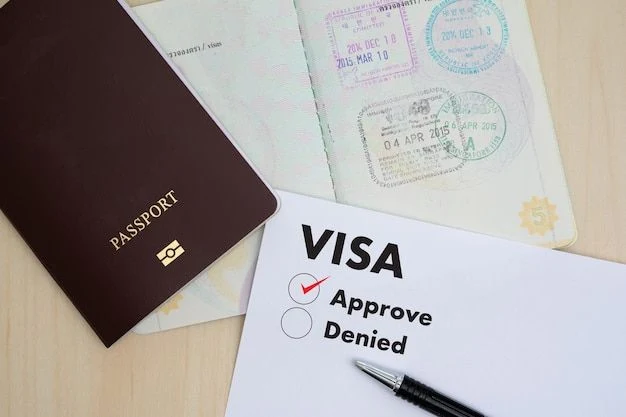
ISHCMC prepares a visa sponsorship letter, a statement of enrollment and a study plan for student visa applications, and parents file through the school’s visa partner. Children of foreigners on work or investor visas can receive a temporary residence card marked TT, valid up to three years; the immigration office confirms which visa types qualify today.
Families without a work visa get stuck here most often: evisa.gov.vn rejects many foreign cards, so the $25 single-entry fee or $50 multiple-entry fee does not go through, and a missed date means a border run in the middle of term. The form takes an evening on the portal if your card works.
BestBus Vietnam has offices in Da Nang and Nha Trang. For a school family it files the e-visa application, checks the data against the passport, picks the entry point and plans exits and extensions across the school year, and a standard e-visa takes 3 to 8 working days. Send me your term dates and I will tell you how many applications you need.
Which school should you choose?
Choose by curriculum first and city second. IB points to ISHCMC in Ho Chi Minh City or UNIS in Hanoi, a British path to BIS or BVIS, Cambridge to SIS in Da Nang and the American system to APU. Price follows the city: Da Nang costs roughly $12,000 to $14,000 less a year in the top grades than the two big cities.
| School | City | Curriculum | Tuition per year, 2026-27 | One-off fees |
|---|---|---|---|---|
| ISHCMC | Ho Chi Minh City | IB | $26,900 to $37,900 | about $1,900 admissions |
| BIS HCMC | Ho Chi Minh City | British, IB Diploma | $28,400 to $38,300 | ask the school |
| BVIS HCMC | Ho Chi Minh City | British bilingual | $18,800 to $27,200 | ask the school |
| UNIS Hanoi | Hanoi | IB | $17,460 to $39,870 | $600 application, $1,750 enrollment |
| BIS Hanoi | Hanoi | British, IB Diploma | up to $37,300 | ask the school |
| SIS Da Nang | Da Nang | Cambridge, Singapore | $20,300 to $25,500 | $110 test, $830 registration |
| APU Da Nang | Da Nang | American, AP | $9,600 to about $23,000 | ask the school |
A lapsed visa in the first week of term is an expensive way to learn that the portal needs a card it accepts. You can file the e‑visa application on the government portal yourself if your card goes through. Message me on WhatsApp with your child’s age, the school and the start date, and I will plan the visa schedule for the whole school year, including exits and extensions.
Frequently asked questions
Is there a discount for siblings?
UNIS Hanoi takes 10% off tuition for a third child enrolled at the same time and 15% for a fourth, applied to the youngest child. The discount covers tuition only, not application, enrollment or bus fees.
Can my child join in January?
At UNIS Hanoi, entry into the second semester costs 50% of annual tuition. The 2026-27 year there started on 12 August 2026, and the first semester’s payment was due by 1 June.
Is it cheaper to pay for the whole year at once?
At UNIS Hanoi, paying the full year in one payment saves 4% compared with two semester payments. Ask every other school the same question when you request its price list, since discount rules differ.
What does ISHCMC tuition include?
Tuition covers books, uniform, a tablet or laptop depending on grade and part of the activities. Transport and IB exam fees are paid separately.