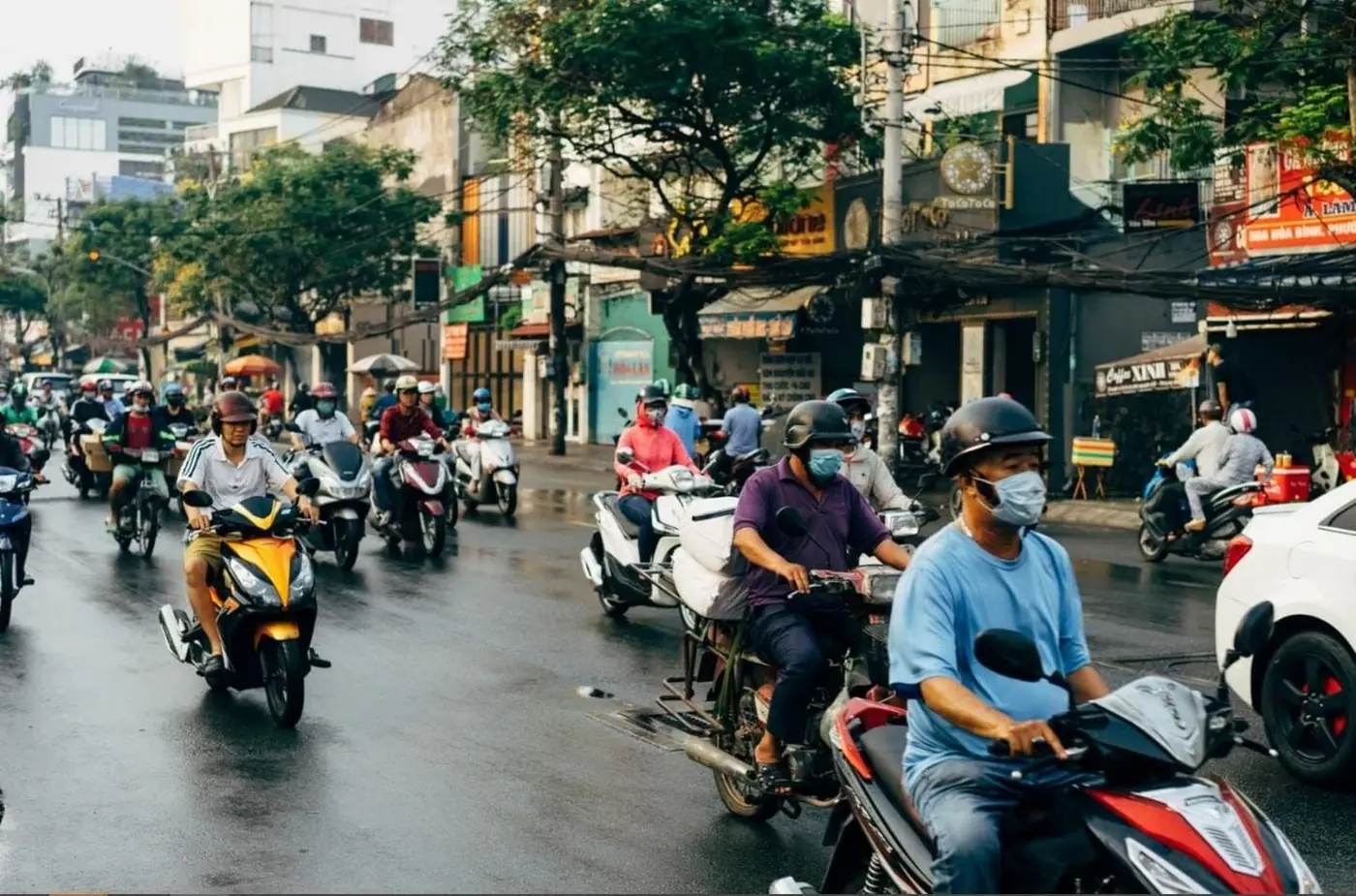
Grab is the default ride-hailing app across Vietnam - you install it, link a phone number, and book a car or bike with the fare shown as a range before you confirm. I run visa runs and airport transfers out of Da Nang, and Grab is what I use myself for anything inside the city. Here’s the setup and the three mistakes that cost me money before I learned them. For trips that leave the city, like a border crossing, Grab has no drivers at all - a separate transfer covers that instead.
How Do You Set Up Grab in Vietnam?
Setup takes about five minutes and doesn’t require a local Vietnamese SIM - here’s the order I do it in.
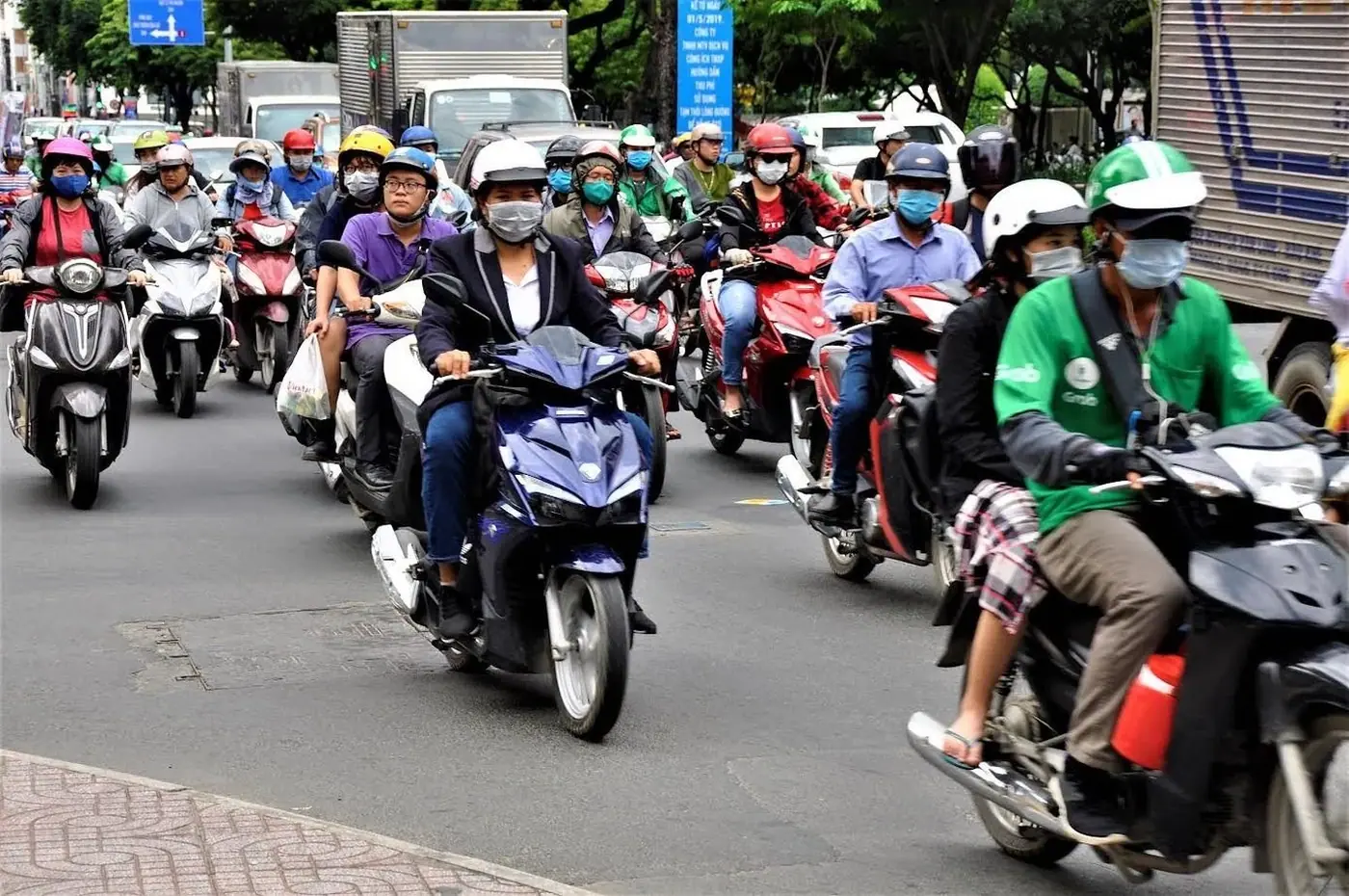
- Download Grab from the App Store or Google Play - your home-country account works fine, no VPN needed.
- Register with your regular phone number; the SMS code arrives within a minute on every carrier I’ve tested, including Russian numbers.
- Choose cash payment for your first week - card payments work too, but cash avoids currency-conversion surprises while you’re still learning local prices.
- Type your pickup and drop-off in English; Grab auto-matches the Vietnamese street name.
- Confirm GrabCar or GrabBike and wait - the driver appears on the map with a rating, plate number, and photo before you commit to the ride.
Why Does the Fare Show as a Range, Not a Fixed Price?
Grab quotes a price band, and it shifts trip to trip on the exact same route depending on live traffic. I had a ride where the driver’s meter jumped from 55,000 to 89,000 dong while the app’s ceiling was 64,000 dong - I said no and showed him the app screen instead. In every case I’ve had, that settles the fare at the app’s maximum, not the meter’s. Cars plastered with “cheap taxi” stickers, especially ones with Russian-language signage, are the ones most likely to try this move - a plain Mai Linh or Vinasun with an in-app rating is the safer pick.
How Much Does a Low Driver Rating Actually Matter?
Anything above 4.5 stars, I’ve had almost zero issues. Below that threshold, the same pattern repeats: the driver promises to arrive in a minute, stops answering messages, and the trip status flips to “in transit” while you’re still standing at the pickup point. You don’t lose money in that situation, but you can’t book another car either - the app assumes you’re already riding. My rule now is simple: below 4.5, I cancel and rebook rather than wait it out.

Is GrabBike Worth It Over GrabCar?
I stick to GrabCar even for short hops around Da Nang, but GrabBike runs two to three times cheaper on the same route if you’re not carrying luggage and the weather holds. Grab Rewards exists as a loyalty program, but it pays out little in Vietnam compared to neighboring countries - in Malaysia, five days of city rides earned me free doughnuts at the airport; here there’s rarely much worth redeeming points on.

Where Does Grab Stop Working in Vietnam?
Inside Da Nang, Hoi An, or Nha Trang, Grab covers almost every address you’d need. At the Lao Bao or Moc Bai border crossings, though, the app simply can’t find a driver - nobody runs that route through Grab. That’s the point where I usually get involved: I run a private transfer from Da Nang straight to the Lao border and back, timed with same-day e‑visa processing. All you need to send over is your travel dates and arrival city. If you’re mapping out the full trip budget, I broke down rent, food, and transport costs across Vietnam in a separate guide.
So Which Do You Actually Book: Grab or a Private Transfer?
Inside any city, Grab is the right call - filter for a 4.5-plus rating, pay cash for the first week, and the overcharge risk basically disappears. The moment your trip leaves the city for a visa run, a border crossing, or an airport pickup outside normal hours, Grab has no drivers waiting there, and you need something else entirely.
If your next stop is a border crossing rather than a city ride, a Grab download alone won’t get you there - you need a driver who actually makes that trip. I run e‑visa and visa-run transfers out of Da Nang myself; message me on Telegram with your dates and I’ll tell you what fits your route.