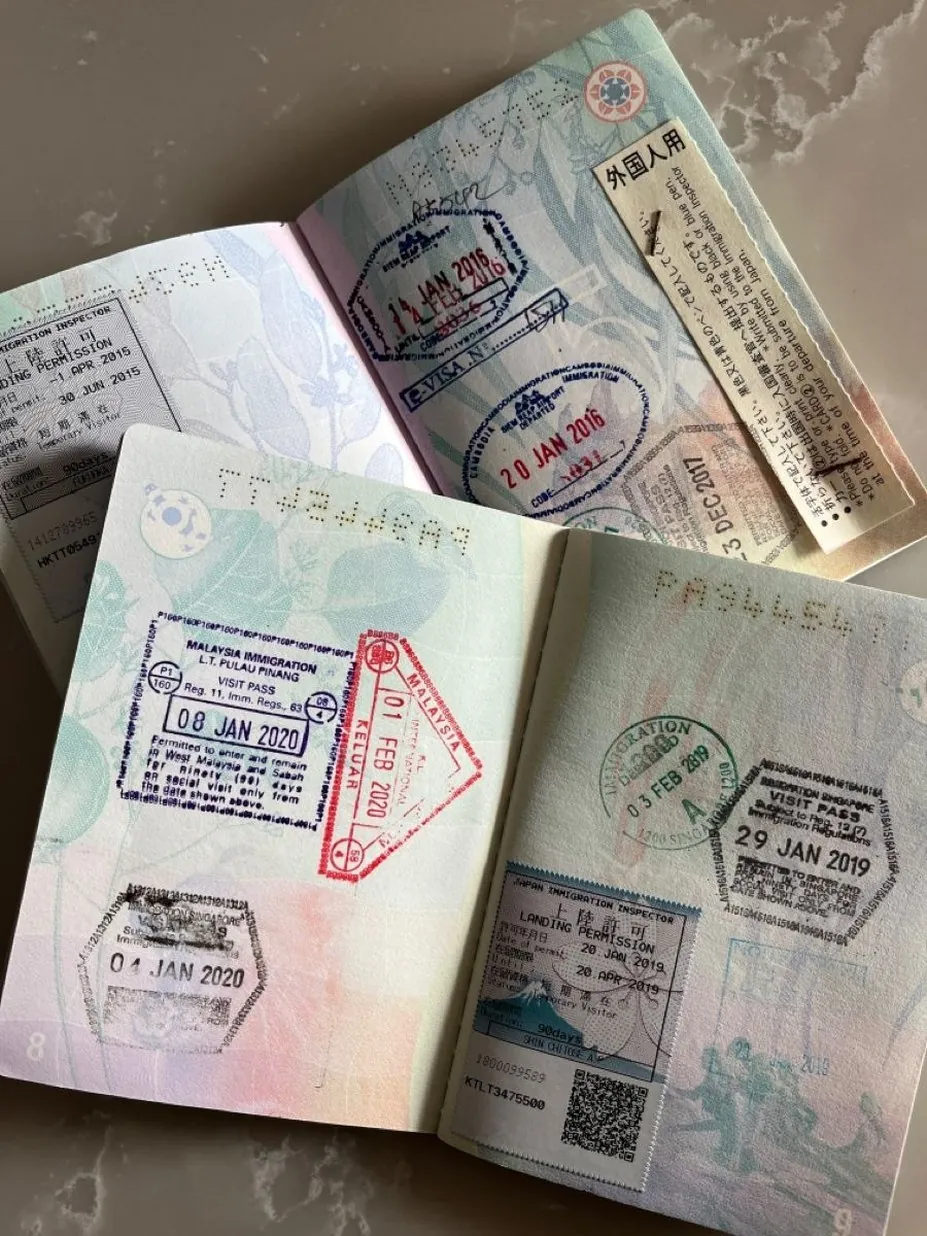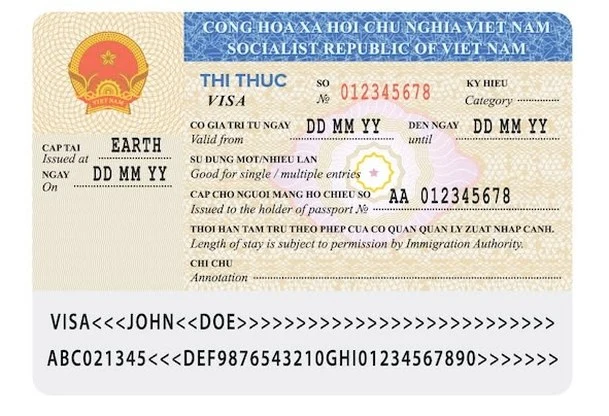
Vietnam has no residence permit that you can apply for just by living there. Staying long term means stacking short stays until you qualify for a TRC, a temporary residence card valid for up to 5 years depending on the basis: 45 days visa-free for Russian citizens, then a 90-day e‑visa, then a work contract, marriage, study place or investment that justifies the card.
How long can you really stay without a residence card?
For a Russian passport, entry without a visa is allowed for 45 days, and that rule runs until 14 March 2028. After that comes the e‑visa: 90 days, $25 for single entry or $50 for multiple entry, usually approved in about 3 working days on evisa.gov.vn. Other nationalities should check their own exemption period before planning anything around these dates.
Many remote workers live this way for years: e‑visa, a short trip out to Laos or Cambodia, then visa-free entry again. For a remote worker my pick is the e‑visa cycle with a hop to Laos, and the business visa only once the border trips become a bigger hassle than the agency fee. Border officers sometimes ask questions when the stamps pile up fast, so keep a return plan and proof of address ready.
What does your first year look like?
Your first year has three stages: landing and renting short term in months 0 to 1, visa-free entry and the first e‑visa decision in months 1 to 4, and the choice of a long-term basis between months 4 and 12. In month 0 to 1, book two weeks, walk the neighborhoods, then sign a lease. From month 2 you should decide whether the 90-day e‑visa fits your plan, and by month 4 you will have done your first border run or flown out to reset the clock.
Between months 4 and 12 you either keep cycling e-visas or find a basis for the card. I would not wait until month 11 to look. Employers and agencies need weeks to prepare files, and the legalised documents have to be ordered in your home country, which adds more time.
Which routes lead to a TRC card?
Four routes work: a work permit from a Vietnamese employer, marriage to a Vietnamese citizen, study at a local university, or investing in a local business. Work permit is the main path for IT specialists and English teachers; remote work for a foreign employer needs no permit but does not qualify you for the card either.

A business visa arranged through an agency with a local sponsor is widely used by freelancers, though it sits in a gray area and the rules shift without notice. I treat it as a bridge for a year or two and plan the next step before it expires. For a city comparison before you commit, read best places to live long term in Vietnam.
How do you get a TRC, step by step?
Expect several weeks to several months from the first document to the card in your hand. The sequence is:
- Enter on visa-free status or a 90-day e‑visa and secure a basis: an employer, a spouse or a school place.
- Get your diploma and a criminal record certificate legalised at home. Confirm with the employer whether Vietnam wants an apostille or consular legalisation. The certificate is valid for 6 months, so order the diploma first and the certificate second.
- Pass a health check at an approved clinic in Vietnam and get the health certificate the immigration file requires.
- Have the employer or agency file with the immigration department; processing takes 2 to 6 weeks.
- Collect the TRC and set a renewal reminder early.
This is the point where I usually get involved. You can do the e‑visa part yourself: the portal is free to open and the form is short. But many foreign cards fail on the payment page, and that is where people write to me. At BestBus Vietnam I file your 90-day e‑visa, pay the fee with a card the portal accepts and pick the right entry point. When it is time to reset the clock, the visa run from Da Nang fits into one day. All I need is a passport scan and the dates. Message me on WhatsApp and I will tell you what fits your dates.
How much money do you need to stay for a year?
Plan $3,000 to $5,000 per person as a starting cushion for the first three months; with remote income from $800 to $1,000 a month, $2,000 can be enough. Monthly spending for one person runs about $450 to $830 in Nha Trang, $535 to $940 in Da Nang and $650 to $1,150 in Ho Chi Minh City. Rent is the biggest line everywhere, with a studio at $200 to $500.

Russian bank cards do not work abroad, so carry cash in dong and a foreign card. Bring enough dong for the first week, since the foreign card may need a day to start working in local ATMs. For arrival costs and the first month, moving to Da Nang has a worked budget.
Where do people go wrong in year one?
Three mistakes repeat: arriving without legalised documents, skipping insurance and signing a one-year lease unseen. The first leaves you unable to file for a work permit, because the diploma and certificate have to come from home and take weeks. The second costs money: one visit to an international clinic starts at $50, and a hospital day at $500. The third ends with finding out the street is loud or the internet slow.
I also suggest budgeting for a border run every 90 days from day one.
The cheapest plan is the e‑visa cycle; start the TRC paperwork by month 4 if you have an employer or spouse. You can run the whole chain yourself: the portal, the border run, the documents at home. If you would rather not track deadlines and forms, drop me a line in WhatsApp with your arrival date and I will map out what to file this week.
Frequently asked questions
Can a Russian citizen get Vietnamese citizenship?
Rarely. The usual paths are marriage to a Vietnamese citizen or about 5 years of legal residence on a TRC, with fluent Vietnamese and stable income. Vietnam generally does not recognise dual citizenship, so naturalisation usually means giving up the Russian passport.
Do long-term residents pay Vietnamese income tax?
Spending 183 days or more in the country makes you a tax resident, taxed on a progressive scale of 5% to 35%. Non-residents pay a flat 20% on Vietnamese income. Check your own case with a local accountant before your first large payment.
Can you open a Vietnamese bank account without a TRC?
Usually not: VPBank and Techcombank open accounts for foreigners who hold a TRC. Without one, people pay in cash dong and use foreign cards for ATMs and online payments.
Is there a retirement visa in Vietnam?
No separate retirement visa exists, unlike in Thailand. Retirees usually rely on repeated e-visas with border runs, a business visa through an agency, or marriage. A budget of $500 to $700 a month is comfortable in Nha Trang.