
If you’re planning to stay in Vietnam beyond a month or two, the math tilts firmly toward long-term rental. A mid-range hotel room in Da Nang or Nha Trang for a month costs roughly the same as a two-bedroom apartment in a condo with a pool — except the apartment comes with a kitchen, proper workspace, and the feeling that you actually live somewhere. This guide covers everything from where to search to what to check before you sign.
Why Long-Term Rentals Beat Short Stays in Vietnam
Vietnam doesn’t do furnished short-term apartments the way Europe does. Rental contracts start at three months — that’s the threshold where landlords consider a stay “long-term” and start applying monthly pricing. Anything shorter is either a hotel or a daily rental at a significant premium.

The financial argument is straightforward. If you compare monthly rates between hotels and contracts signed for six to twelve months, you typically save 40-60%. And the longer the contract, the lower the per-month rate: a one-year lease runs 10-15% cheaper than a three-month one. Landlords prefer stability and will negotiate.
Beyond the money: you get a kitchen, so you stop eating every meal out. You get a consistent place to work. And you stop feeling like a tourist in transit.
Where to Search: Facebook, Local Sites, and Street Hunting
Facebook groups are the main channel for finding apartments in Vietnam’s expat cities. The process:

- Search “Rent apartment in Da Nang” (or Nha Trang, Ho Chi Minh City, Phu Quoc — whichever city you’re targeting)
- Join four or five groups. Some are private and require approval, so request to join a day before you need them
- Post your requirements in English: bedrooms, preferred district, budget, how long you need it
- Agents and landlords respond via Messenger — look in your message requests, not your inbox
Vietnamese property sites like Batdongsan.com.vn and Chotot.com have large listings but run entirely in Vietnamese. Use your browser’s built-in translator. Search for “cho thue” (for rent). Prices there are often listed in millions of VND per month — divide by roughly 25,000 to get the dollar equivalent.
Walking the neighbourhood still works. Once you know which district you want, rent a motorbike and look for signs reading “Cho Thue” or “Can Ho Cho Thue” (apartment for rent). Photograph the sign, call the number, or ask a local to call for you.
A note on agents: in Vietnam, landlords pay the agent’s commission. You pay nothing. That makes agents genuinely useful — they save time, handle language, and often have off-market listings.
Download Zalo before you start searching. It’s Vietnam’s dominant messaging app and the channel most landlords and agents actually use.
What Your Budget Actually Gets You in 2026
Prices below are for contracts of six to twelve months. Shorter terms run 10-15% higher.
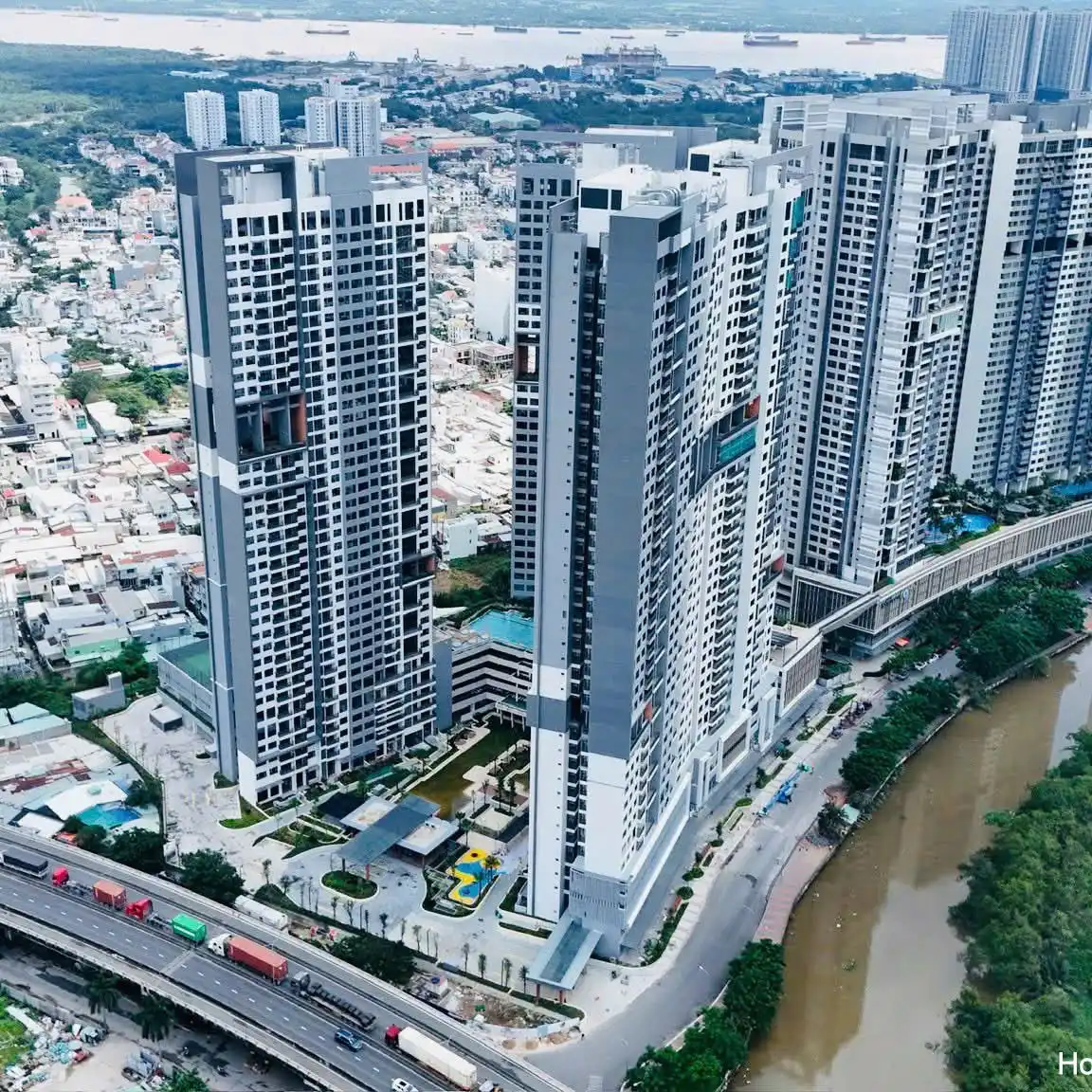
Da Nang: Studio or one-bedroom: $300-500/month. Two-bedroom apartment: $500-850/month. House or villa with three or more bedrooms: from $1,000/month.
Nha Trang: Studio or one-bedroom: $250-450/month. Two-bedroom: $400-700/month. Houses from $800/month. Larger Russian-speaking community, livelier beach scene.
Ho Chi Minh City (expat districts): Studio: $450-700/month. Two-bedroom: $700-1,200/month. The numbers reflect the premium for international schools, co-working infrastructure, and proximity to business hubs.
On top of rent, budget $60-110/month for utilities: electricity runs $40-80 depending on air conditioning use, water is roughly fixed at $4-10/month, and internet is often included in the rent or an extra $10-15.
At signing, expect to pay first month’s rent plus a deposit of one to two months. For a $500 apartment, have $1,000-1,500 ready in cash or transferable funds.
The Walk-Through Checklist: What to Inspect Before You Sign
Don’t let a good view rush you past a bad apartment. Work through this before agreeing to anything:
Water pressure. Turn on every tap at once. Weak pressure on upper floors is common and annoying to live with.
All air conditioners. Run each one for ten minutes. Ask when they were last serviced. In Vietnam’s heat, a poorly maintained AC unit is a real problem.
Mold. Check corners, behind bathroom fixtures, under the sink. The humidity is relentless.
Noise at different hours. A building that’s quiet at 11am can be loud at 11pm if there’s a karaoke bar nearby. Visit twice if you can.
Sun exposure. A west-facing apartment bakes in the afternoon. In practice, this means the AC runs constantly and your electricity bill doubles.
What “furnished” actually means. In Vietnam, furnished usually means furniture, AC, refrigerator, and washing machine. Confirm whether bedding, towels, and kitchen basics are included — sometimes they’re not.
Contract Basics: Deposits, Utilities, and What to Sign
Rental contracts in Vietnam are written in two languages — Vietnamese and English. Both copies are legally valid. You’ll need your passport to complete the paperwork. Each party keeps one signed copy.
The contract should specify: names of both parties, property address, lease term, monthly rent amount, deposit amount and conditions for return, who pays which utility bills, and terms for early termination.
Negotiate. A 5-10% reduction from the asking price is normal, especially for longer leases. If the landlord won’t move on price, ask for extras — parking, Wi-Fi, a cleaning session per month. Landlords would rather keep the unit occupied than let it sit.
Getting Your Visa Sorted Before You Move In
One thing that doesn’t wait while you’re apartment hunting: your visa. If your current e-visa is expiring and you’re still looking for a place, you need to handle the paperwork in parallel.

The practical problem most people hit is payment. The evisa.gov.vn portal rejects the majority of foreign bank cards at checkout — you fill out the form, reach the payment screen, and nothing goes through. We pay the government fee with a card the portal actually accepts, set the correct entry point, and turn the whole thing around in a single day. You need your passport details and planned entry date; we handle the rest.
Renting is one line item in a longer list — see our relocation guide for taxes, banking, insurance and the rest of what settling in involves.
For details and a quote, visit danangvisarun.com.