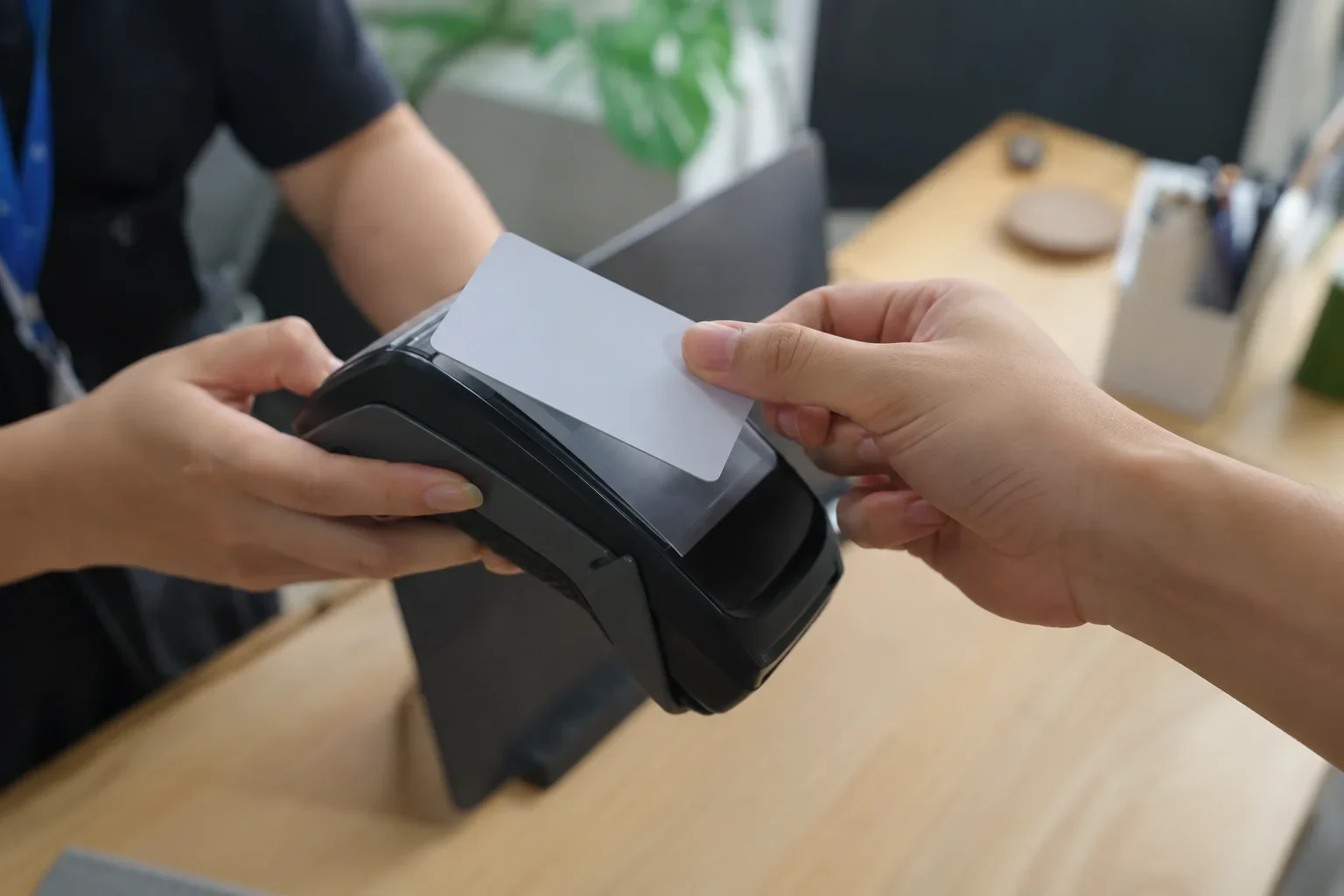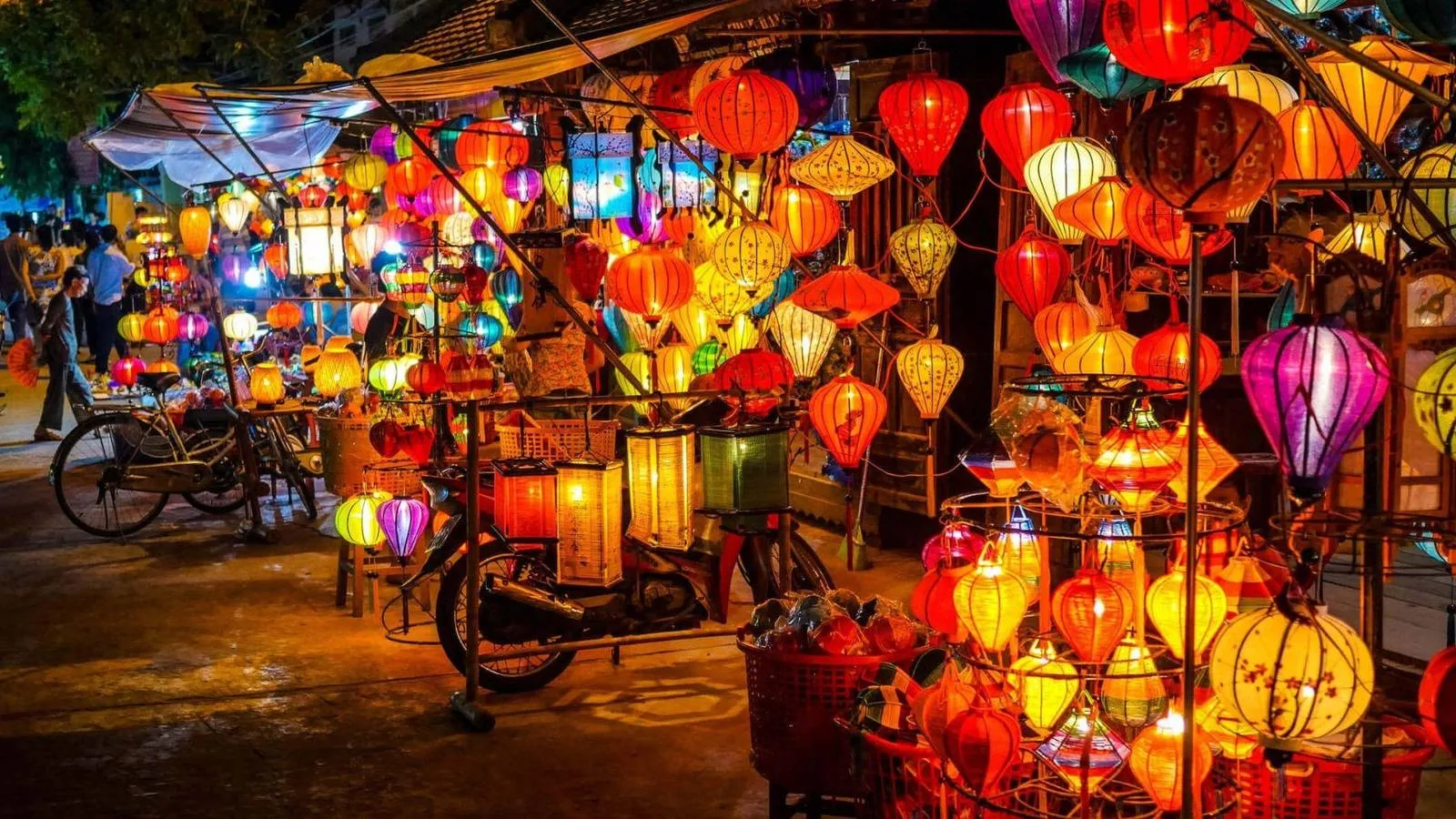
Short answer: carry cash for markets, street food, and motorbike taxis - none of them take cards. Your foreign card works fine at hotels, malls, and supermarkets. QR payment is everywhere in cities but needs a Vietnamese bank account to use, so a traveler on a short trip ends up leaning on cash plus card for almost everything.
If you’d rather have someone sort the paperwork side of a Vietnam trip before you land, that option exists too.
Where Does a Foreign Card Actually Work?
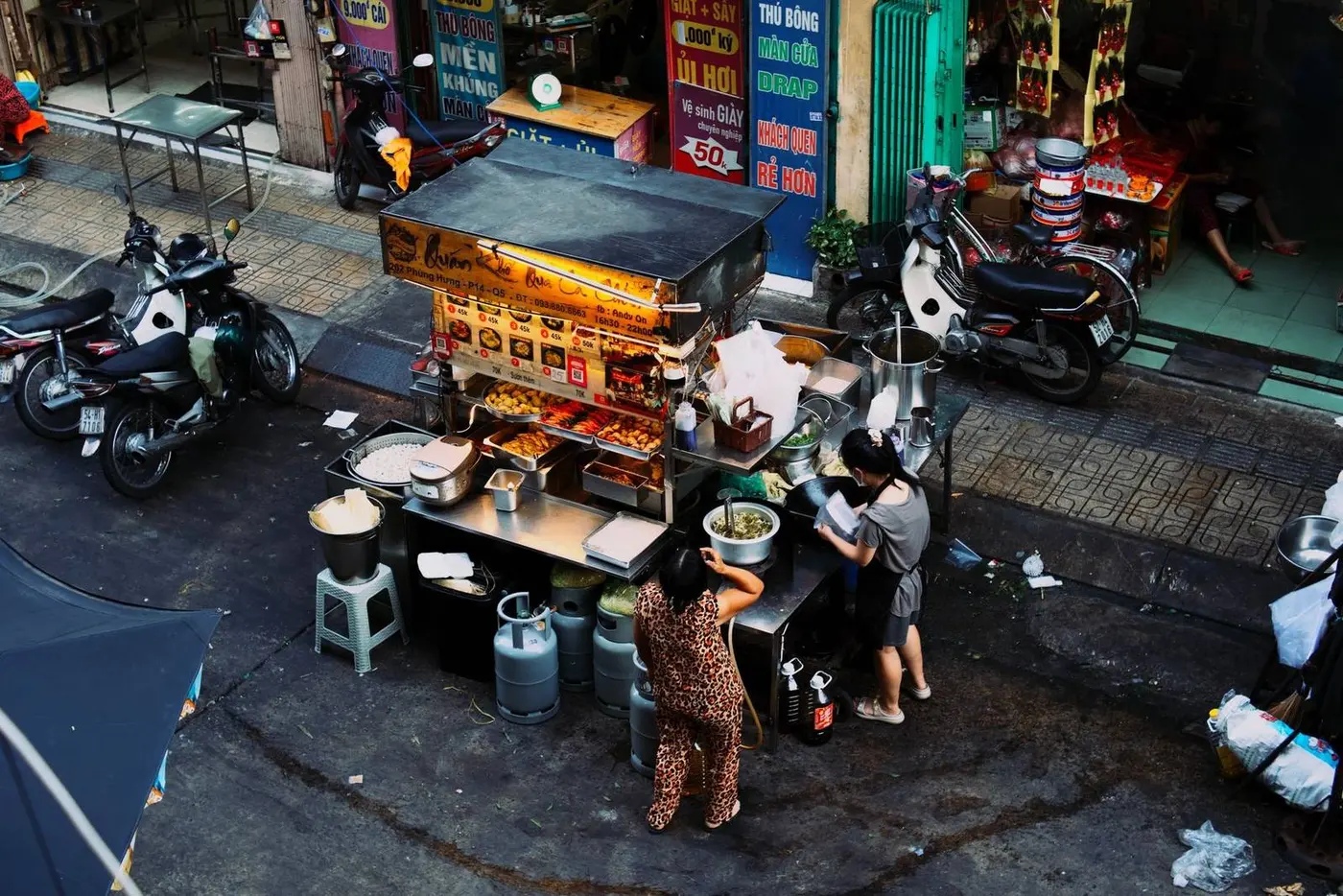
Hotels, shopping malls, supermarkets like Vinmart, and mid-range restaurants in Da Nang, Hanoi, and Ho Chi Minh City take foreign Visa and Mastercard without issue. Once you step off that path - a bowl of pho at a plastic-stool stall, a fruit vendor, a motorbike taxi flagged on the street - cards stop working entirely, and there’s no workaround: the vendor simply has no terminal.
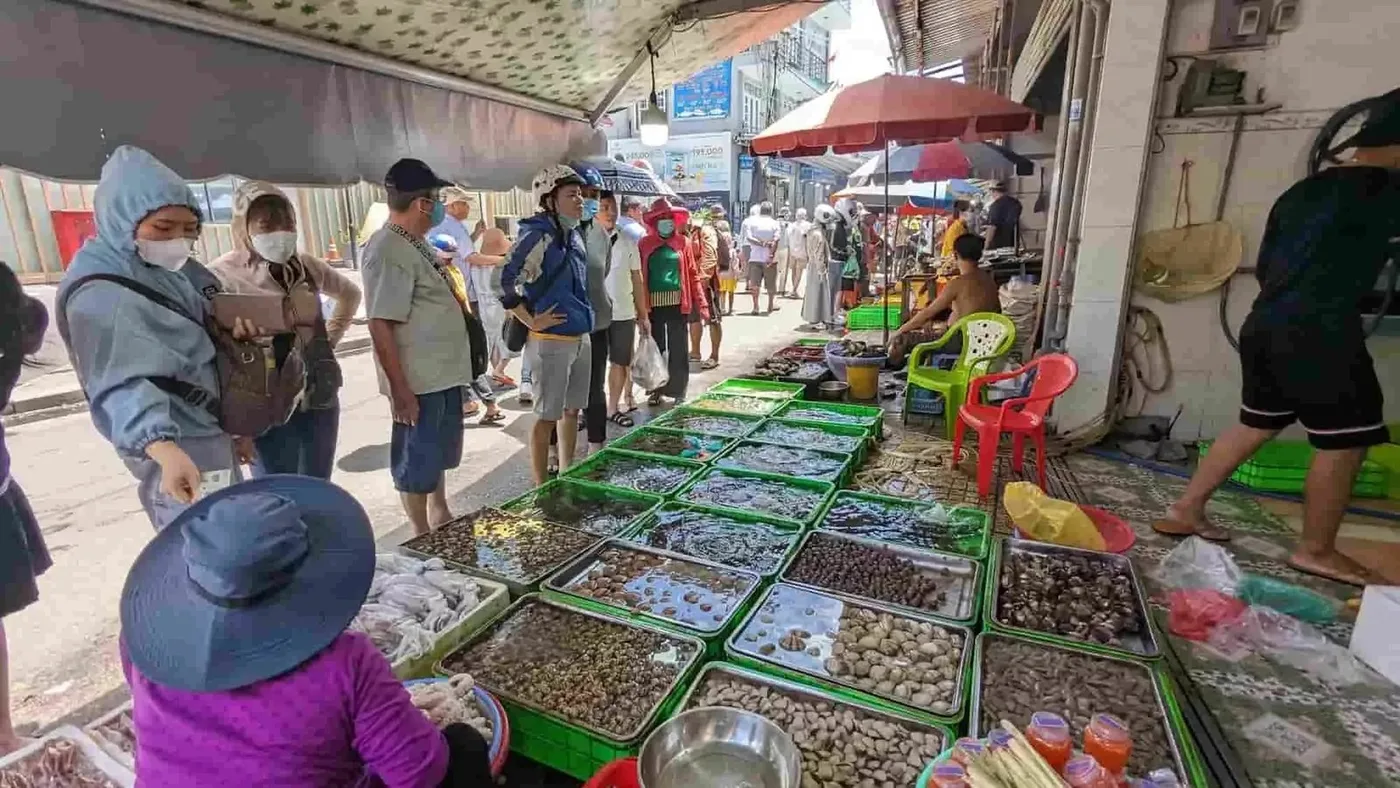
Why Is Cash Still Necessary Every Day?
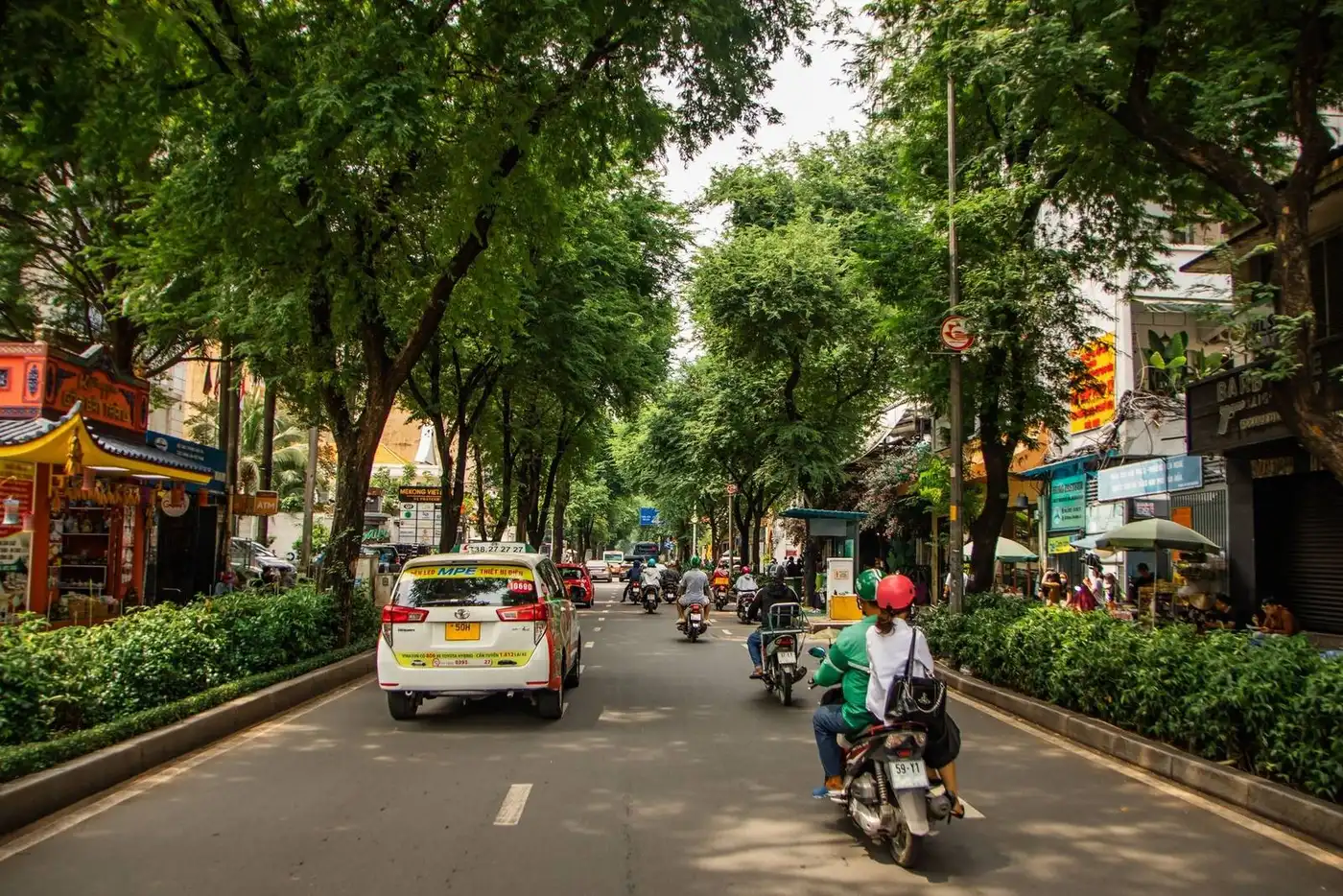
Markets, street food, motorbike taxis, and small guesthouses run cash-only. I carry roughly a week’s worth of small bills at all times - anything under 50,000 VND matters, because change for a big note isn’t always available at a street stall. Vietnamese ATMs typically charge a flat fee per withdrawal regardless of amount, so fewer, larger withdrawals save money over a trip.
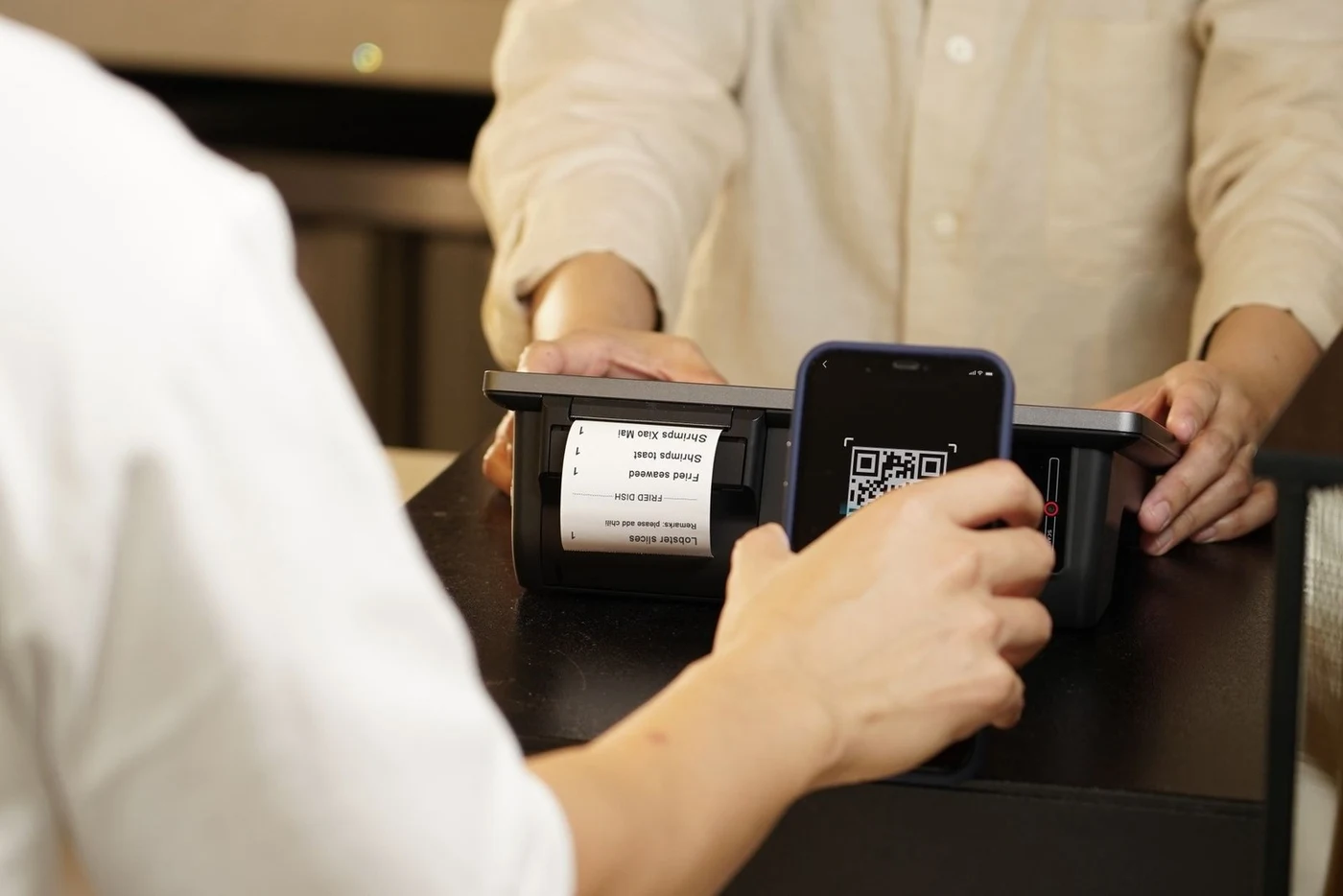
Does QR Payment Work for Tourists?
QR is Vietnam’s fastest-growing payment method in cities - vendors show a code, you scan it through a linked Vietnamese bank app, and money moves without a card network fee. The catch: scanning requires a local bank account tied to a Vietnamese SIM, something a short-term traveler generally doesn’t have. Treat QR as background noise on a short trip - it becomes genuinely useful once you’re staying long enough to open a local account.
Where Does the E‑Visa Fee Fit In?
The one payment that surprises travelers most isn’t in a shop at all - it’s thegovernment fee on the official evisa.gov.vn portal. The site rejects a meaningful share of foreign cards at the final step, with no clear reason given, after the applicant has already filled out the full form.
This is exactly where I usually step in. I pay the government fee with a card the portal actually accepts, confirm the correct entry point, and get the whole visa side wrapped in a day instead of a week of back-and-forth with a rejected payment. If your e‑visa is still ahead of you, BestBus Vietnam’s e‑visa service covers exactly this step - what’s needed on your side is just a passport photo and your travel dates.
What About Bigger Payments - Rent, Tours, Clinics?
Longer stays bring bigger transactions: apartment deposits and tour bookings are usually settled by bank transfer or QR rather than cash, and a private clinic will often take a foreign card for a large bill but ask about international insurance first - worth confirming by phone before the appointment. For the account side of that picture, opening a Vietnamese bank account as a foreigner is the guide I send people who plan to stay past a few weeks.
The Short Trip vs Long Stay Split
For a one-to-three week trip, cash plus a foreign card covers everything you’ll actually encounter - a local account isn’t worth the paperwork for that window. Stay longer and the math flips: QR and transfers become the default for rent and daily spending, while cash keeps handling markets and motorbike taxis either way. The one payment neither cash nor a foreign card reliably clears, at any length of stay, is the visa fee itself.
Getting stuck there is common enough that it’s usually the first thing people ask me about after landing. If that’s where you are right now, message me on WhatsApp and I’ll walk you through what’s left.
FAQ
Can I pay for everything in Vietnam with a foreign card? No. Hotels, malls, and supermarkets accept foreign cards, but markets, street food stalls, and motorbike taxis are cash-only with no card terminal at all.
Does a Mir card work in Vietnam? No, never. Mir isn’t linked to Visa or Mastercard, so Vietnamese terminals, ATMs, and the evisa.gov.vn payment page can’t process it at all.
Why did my card get declined on evisa.gov.vn? The official e‑visa portal rejects a meaningful share of foreign cards at checkout without explaining why. Try a different card first; if none work, a service that pays the fee on your behalf solves it in one step.