A long-term expat in Vietnam runs money through three layers, not one: a small cash buffer for daily spending, a foreign card for anything a local account can’t yet cover, and a local VND bank account for rent and recurring bills. Tourists get by on cash and one card for two weeks; that stack falls apart the moment your stay turns into months.
What does a monthly cash flow actually look like here?
Most long-stayers split spending three ways: cash for markets, street food and motorbike taxis; a foreign Visa or Mastercard for anything online or in malls; and a local VND account once rent, utilities and subscriptions start repeating every month. I keep roughly a week or two of cash on hand - enough for daily life, not enough to matter if a wallet goes missing. Everything recurring goes through the bank.

Vietnamese notes run from 1,000 to 500,000 VND, and locals drop the zeros in conversation - 50,000 VND is just “fifty.” It takes about three days to stop doing the mental math every time.
Do foreign cards actually work for daily spending?
Visa and Mastercard issued by a foreign bank work in most hotels, malls, chain restaurants and online bookings, and that’s the safest default for the first month while you’re still setting things up. Card networks issued only for domestic use inside another country - Russia’s Mir is the common example - generally don’t process point-of-sale payments here at all; withdrawing cash from a Mir card is sometimes possible at BIDV ATMs, but it’s a fallback for a lump sum, not a way to pay rent every month, since both the ATM and your home bank charge a fee on every withdrawal.
Carry two cards on two different networks and keep them in separate places - a wallet and a bag, not both together. Call your bank before you fly out; unannounced foreign transactions are the single most common reason a card gets frozen on day one.
Should you open a local VND bank account?
If you’re staying past the three-month mark, yes - a local account stops the currency-conversion fee that hits every single foreign-card transaction. BIDV opens accounts for foreigners holding a 90-day E‑visa, no work permit required, and a card is usually ready within one to three business days. I cover the paperwork and exact steps in a separate guide to opening a Vietnam bank account - read that before your first bank visit if you’re committing past a quarter.

Once rent, electricity and a local SIM plan sit on a VND account, the guesswork around exchange rates on everyday spending mostly disappears.
How much does it cost to move money in every month?
A one-off Western Union or MoneyGram transfer covers a single large payment - first month’s rent deposit, a medical bill - but repeating that trip to a payout counter every month is a waste of an afternoon. For a recurring transfer, it’s worth setting up one reliable channel into your Vietnamese account once and reusing it, rather than shopping for a new exchange counter every payday.
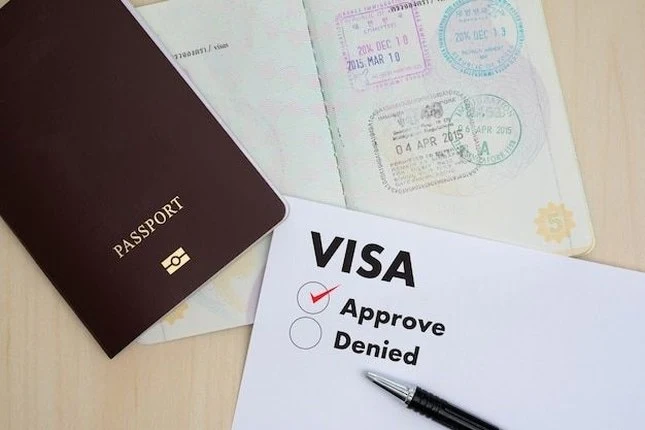
Where a local account isn’t an option yet, an e‑visa is usually the missing document - most banks that accept short-stay foreigners ask for one, and the official e‑visa portal is the only place to apply directly without a third-party fee. This is the step where a lot of new arrivals get stuck: the government fee on that portal rejects most foreign-issued cards outright, so people end up chasing a workaround instead of finishing the application. I pay the fee myself with a card the portal actually accepts and set the correct entry point on the application, so that part is off your plate before you’ve even opened a bank account.
What about QR pay apps like Momo and Zalo Pay?
Locals pay by QR code almost everywhere, through apps like Momo, Zalo Pay or their own bank’s app. Foreigners can’t sign up on day one - registration needs a Vietnamese phone number and a local bank account, both of which take a few weeks to set up. Grab is the exception: link a foreign card directly, and rides, food delivery and motorbike taxis stop needing cash from day one, before any of the local-account paperwork is done.

What should you choose after month one?
Two weeks in Vietnam runs fine on cash and a single foreign card. Two months or longer needs the local account layered on top, because every foreign-card swipe otherwise carries a conversion fee that a VND account skips entirely - and QR pay only opens up once that account exists. Set the account up in month one, not month three, and the fee stops adding up before it becomes real money.
Sorting out banking eats time that’s easy to lose while the visa clock is still running in the background. I handle the e‑visa paperwork and border crossing myself so that part isn’t one more account to open - message me on Telegram with your dates and I’ll walk you through what’s next.