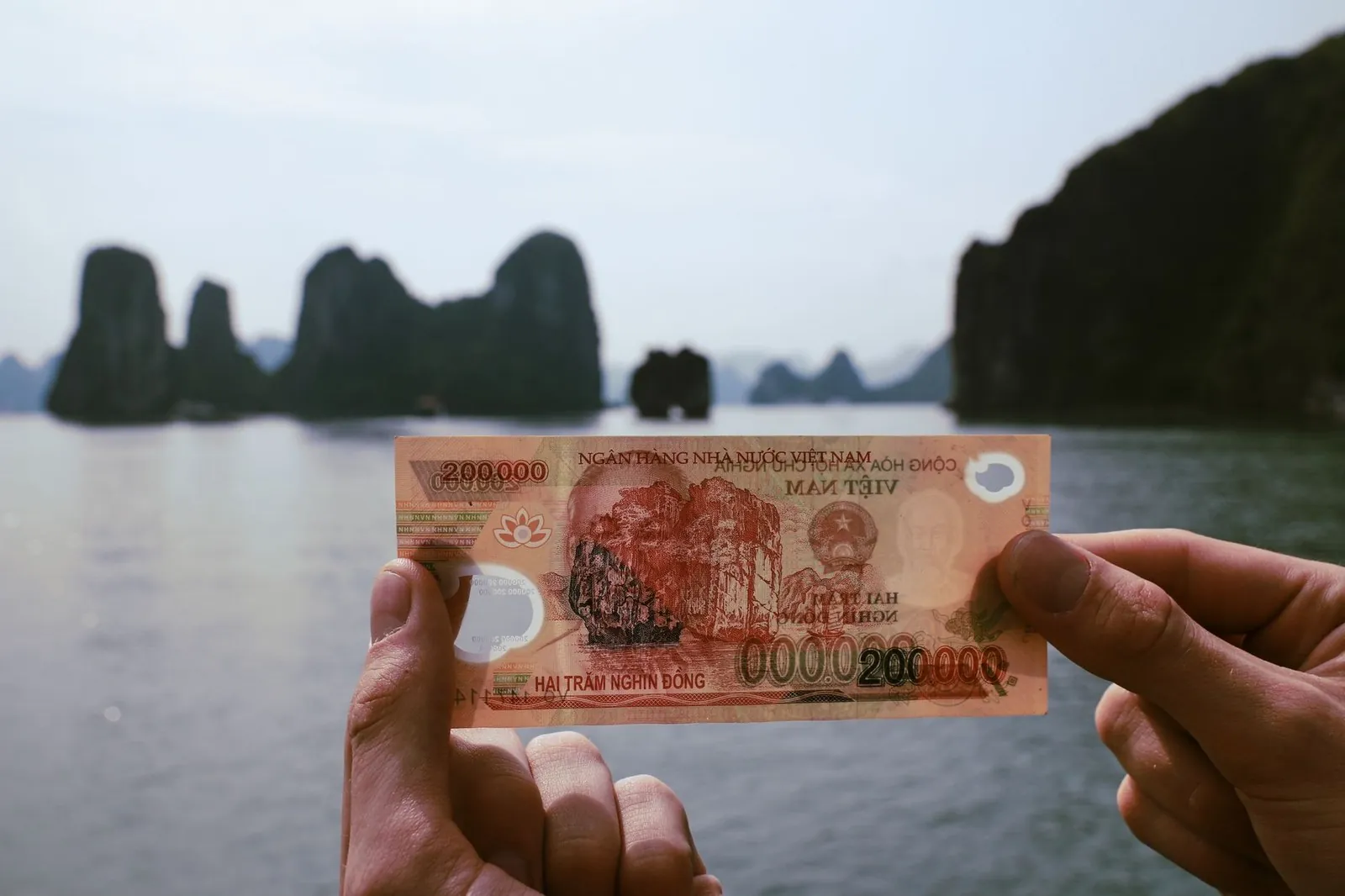
I pay for most things in Vietnam with a mix of cash and one working card, because no single method covers everything. A foreign Visa or Mastercard handles hotels and Grab, dong cash covers markets and street food, and a local e-wallet fills the gaps in between.
What Cards Actually Work in Vietnam?
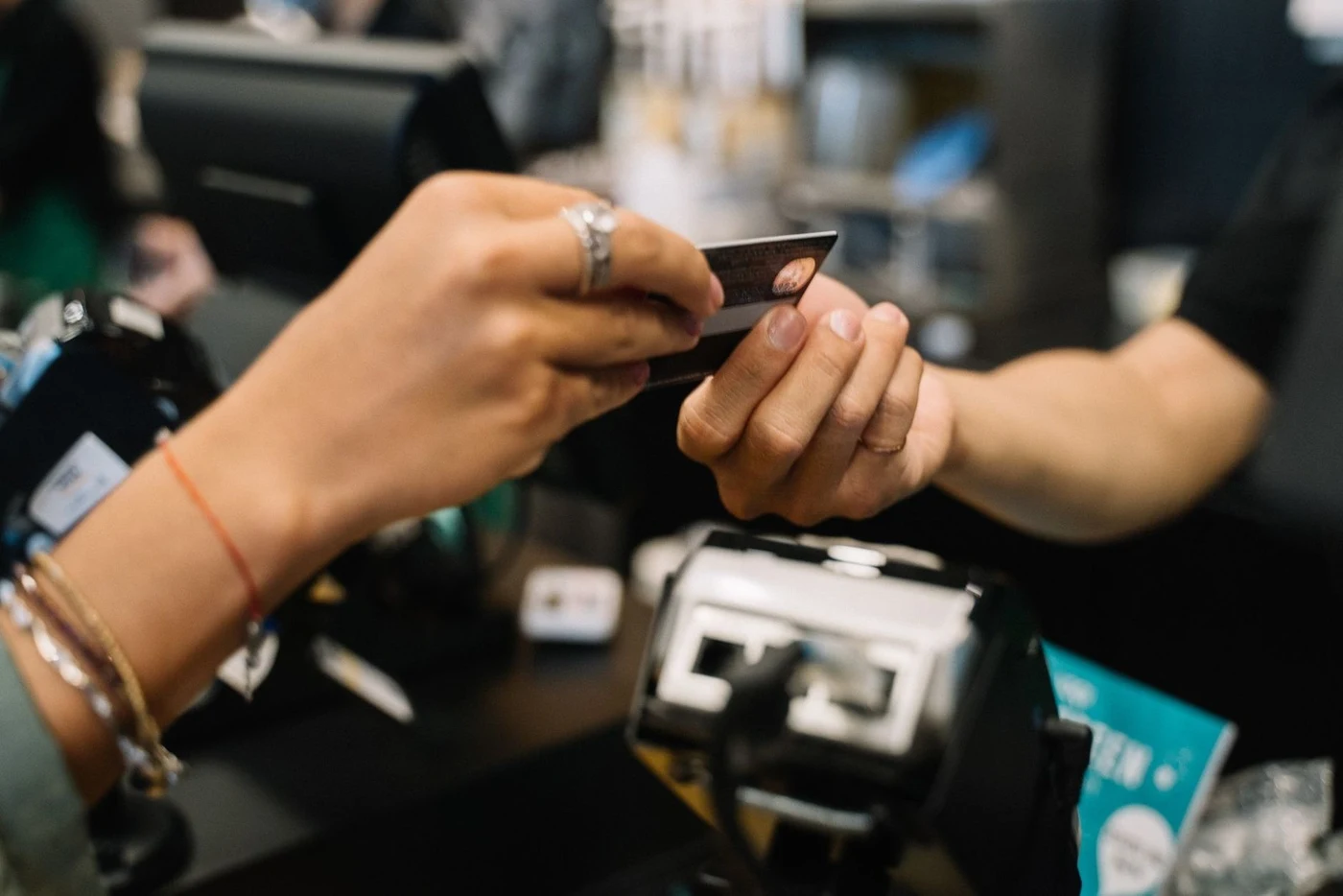
Visa and Mastercard issued outside Vietnam work at hotels, supermarkets, and most restaurants in Da Nang, Hoi An, and Ho Chi Minh City. The catch is the fee: foreign transaction charges usually run 2-4%, and small vendors often refuse cards under 200,000 dong ($8) because the terminal fee eats their margin.
ATM withdrawals are the more reliable route for cash. Vietcombank and BIDV machines charge the lowest flat withdrawal fee, usually 50,000-100,000 dong per transaction regardless of amount, so pulling a larger sum at once beats several small withdrawals. I stick to bank-branded ATMs after dark - standalone machines in tourist strips get emptied fast and charge higher fees.
How Much Cash Should You Carry?
I carry roughly 1,500,000-2,000,000 dong ($60-80) at any time and top up every few days from an ATM. Markets, mototaxis, and family-run cafes still run almost entirely on cash - no terminal, no QR code, just dong in hand.
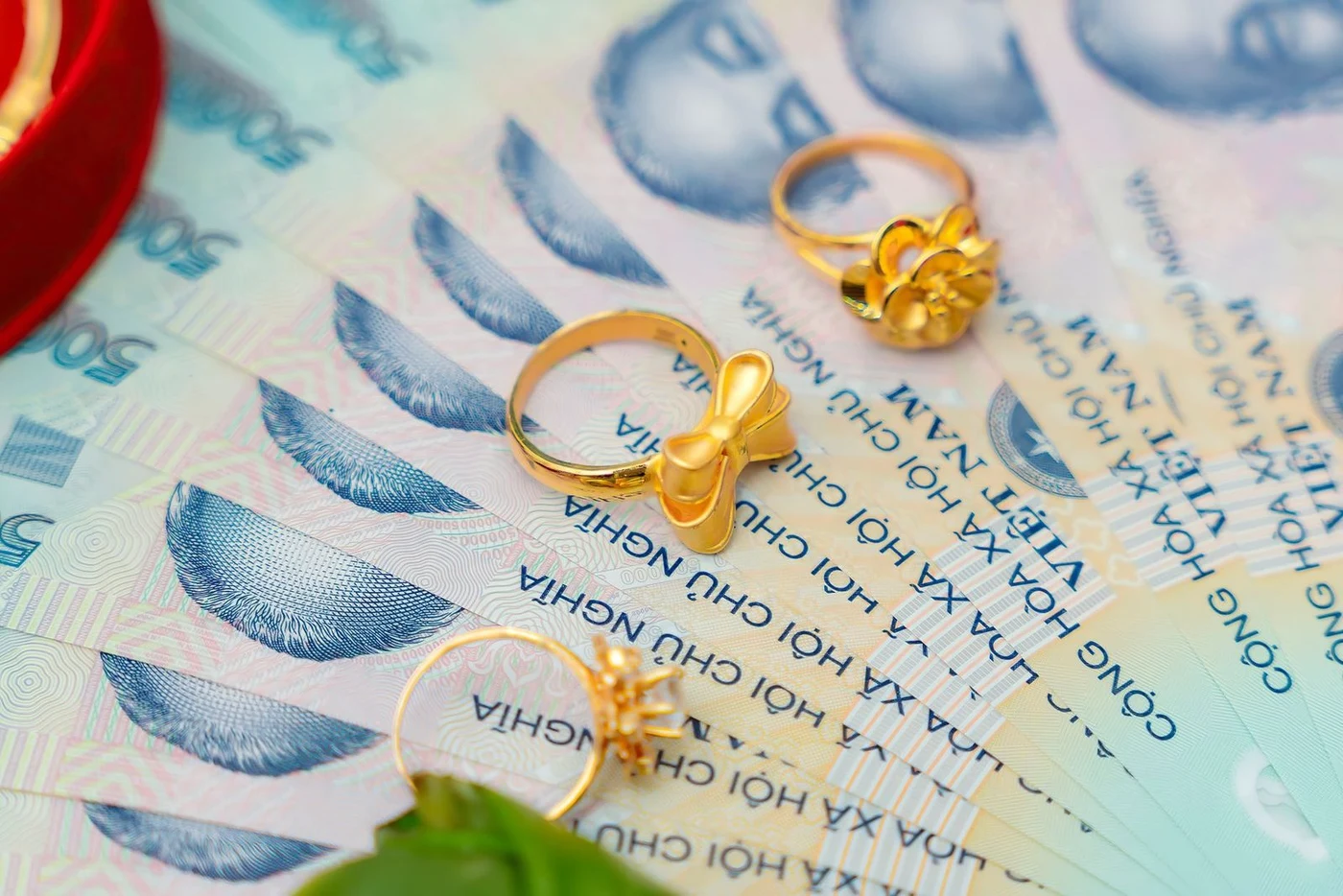
Currency exchange desks at gold shops beat both the airport counter and hotel front desk on rate. I’ve changed cash at three or four of them in Da Nang and the spread between them was under 1%, while the airport kiosk ran 5-8% worse.
How Do You Set Up Payments Before You Land?
- Call your card issuer and confirm foreign transaction fees before you travel - some cards charge nothing, others add 3%.
- Download Grab and link a card that already works internationally; cash top-up is a fallback if the card gets declined.
- Withdraw your first cash at the airport ATM on arrival, not before - airport exchange rates are the worst option on this list.
- Save the address of one Vietcombank or BIDV branch near where you’re staying for low-fee withdrawals.
- Keep a second card as backup in a separate bag; one blocked card shouldn’t end your trip.
Do Grab and Local Apps Take Foreign Cards?
Grab accepts most foreign Visa and Mastercard cards directly in the app, and it’s the easiest cashless payment I use daily for rides and food delivery. MoMo, the dominant local e-wallet, is harder to set up without a Vietnamese phone number and bank account, so most short-term visitors skip it entirely.
That gap between what works out of the box and what needs local paperwork is exactly where travelers get stuck mid-trip with no backup plan. If you’re already sorting out a visa run or an e‑visa extension while you’re here, the payment side is one more thing that can go sideways at the worst moment - a declined card at the border, a fee you didn’t budget for. Message me on Telegram and I’ll walk you through what to bring for your specific route.
What Happens If Your Card Gets Blocked?
Foreign banks flag Vietnam transactions as suspicious more often than you’d expect, especially the first withdrawal after landing. Call your bank’s fraud line before you fly and tell them the exact dates and country - a two-minute call beats standing at an ATM in Da Nang with a card that won’t work and no way to reach anyone.
I’ve had a card frozen mid-trip once, on day four in Hoi An. The fix took a WhatsApp call to my bank and twenty minutes, but only because I had a second card in a separate bag to cover meals and a hotel deposit while it got sorted.
Cash or Card: What I Actually Carry
For a trip under three weeks, one foreign card plus 1,500,000-2,000,000 dong in cash covers everything without a Vietnamese bank account. For longer stays, opening a local account becomes worth the hour at a BIDV branch, since it unlocks MoMo and removes the foreign transaction fee entirely.
Sort out your payment method before your visa run, not during it - a card declined at a border crossing is a worse problem than a card declined at a coffee shop. Send me your dates on Telegram and I’ll tell you what to plan for.