A multiple-entry e‑visa covers up to 90 days in Vietnam, and a work permit or repeat visa runs stretch that into years for people who never plan to leave. Short-term visitors on many passports get a simpler 45-day visa exemption instead, with no application needed at all.
I run visa-run trips out of Da Nang and talk to a lot of people who came for two weeks and are still here two years later. The math behind that isn’t complicated once you see the actual building blocks - it’s just rarely explained in one place.
When does a work permit make more sense than visa runs?
A work permit tied to a Vietnamese employer removes the need for repeat visa runs and typically supports a temporary residence card valid for a year or more. It makes sense once someone is working for a local company rather than remotely for a foreign one, since the permit process requires sponsorship from the hiring business.
For remote workers and digital nomads, this route usually isn’t available at all - a work permit needs a Vietnam-based employer, and freelancing for overseas clients doesn’t qualify. That’s exactly why most long-term foreign residents end up cycling visas instead of chasing a permit that was never going to fit their situation.
How does a visa run reset the clock?
A visa run means leaving Vietnam and re-entering on a new visa, and it’s the standard way long-term residents keep living here without a work permit. The most common route from Da Nang goes to Laos through the Lao Bao border crossing, with a new visa issued on re-entry.
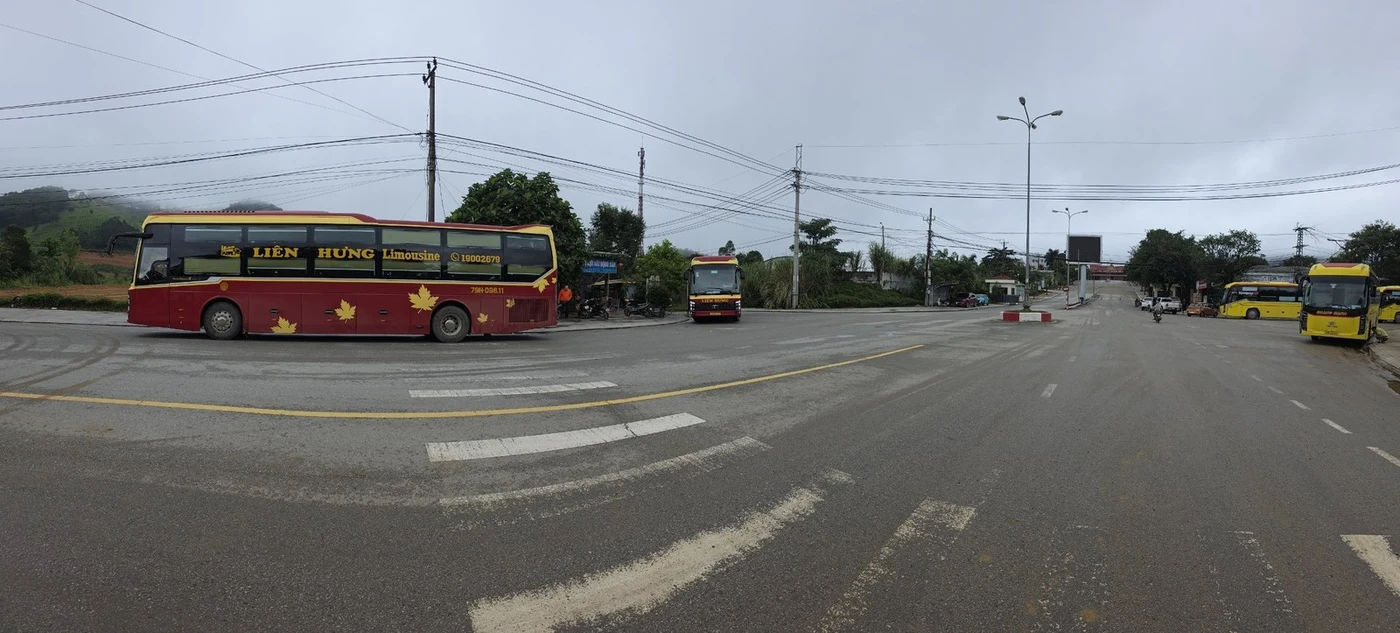
Most people doing this on the Laos side get a free entry stamp from Laos immigration - the cost sits on the Vietnam side, not the Laos side. A full round trip with transport, a new e‑visa, and the border crossing itself typically runs $125-160, done in a single day rather than stretched over a week of paperwork.
Best Bus runs this route out of Da Nang if the logistics of timing a border crossing yourself sound like more hassle than the trip is worth.
What does the 90-day e‑visa actually let you do?
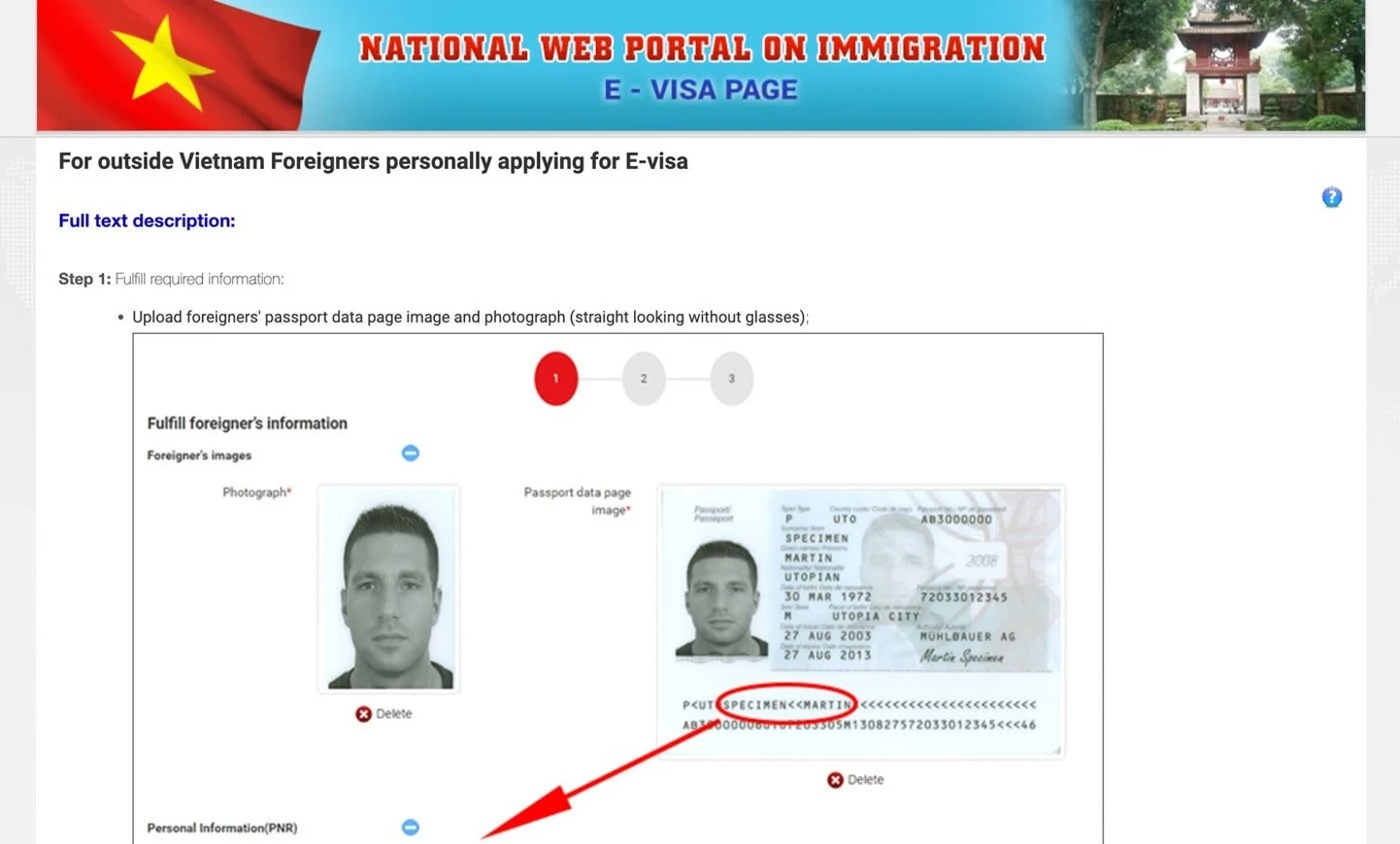
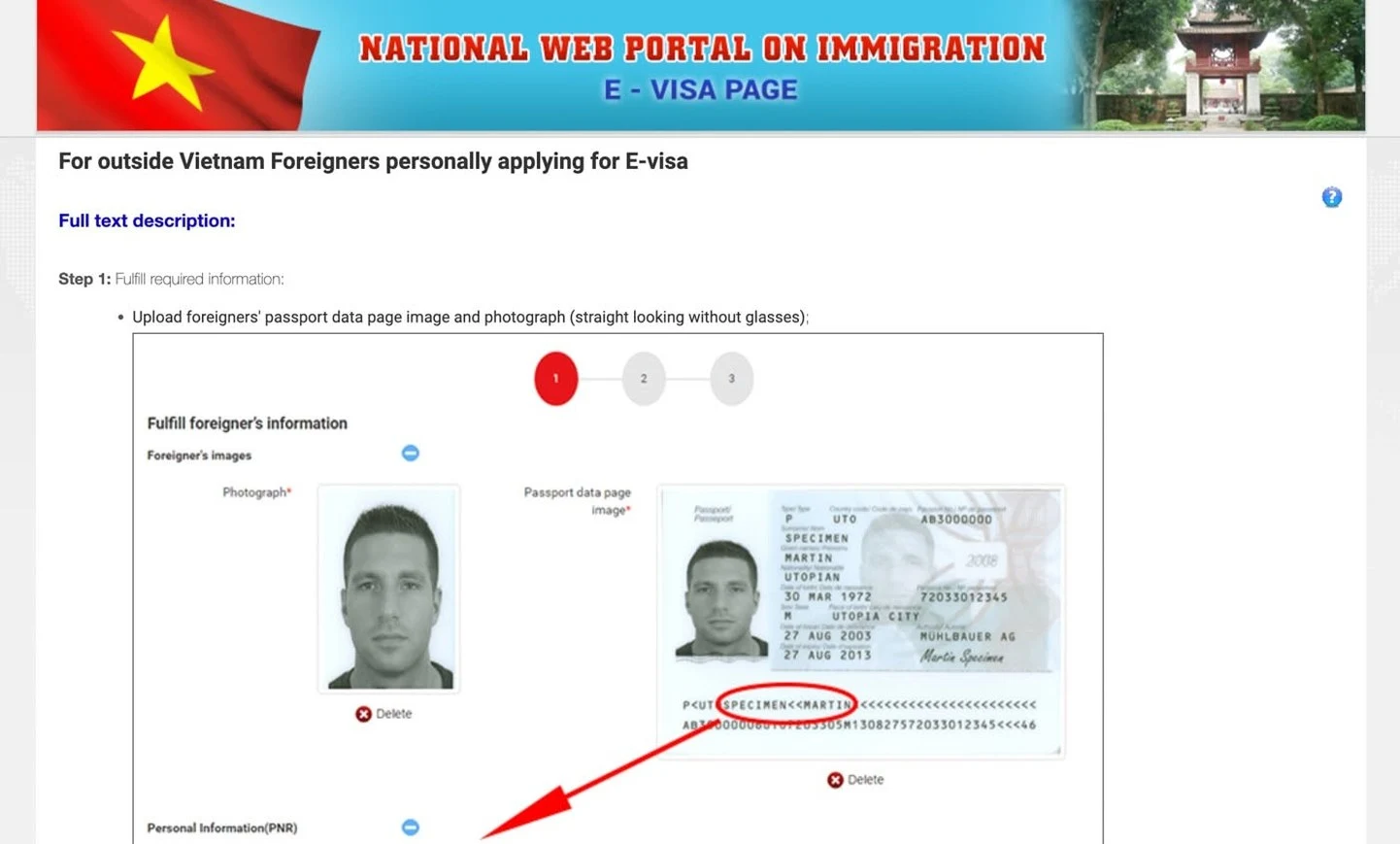
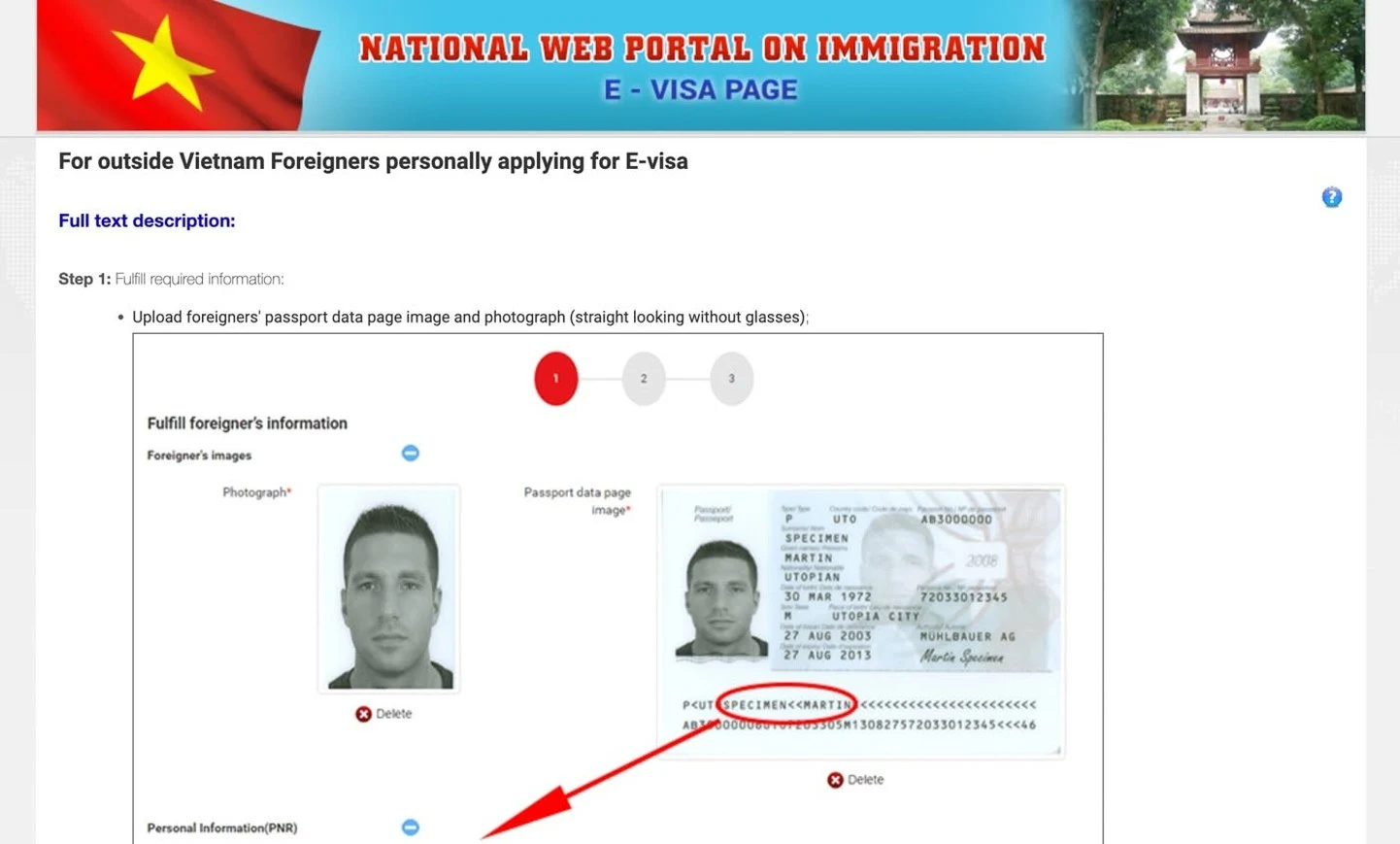
The e‑visa is what most of those visa-run trips renew, and it’s issued through the official portal in 3-5 business days for a single-entry or multiple-entry fee. The multiple-entry version is the one that matters for anyone planning to stay a while, because it lets you leave and come back within the 90 days without losing the visa.

That distinction trips people up constantly: pay for single-entry, then take a weekend trip to Bangkok, and the visa is void on return - you’d need to apply again from scratch. If there’s any chance you’ll leave the country even once during your stay, the multiple-entry version is worth the extra $25 upfront, since single-entry runs $25 and multiple-entry runs $50.
evisa.gov.vn also rejects a lot of foreign cards at the payment step, which is the single most common place applications stall out. If sorting through card errors on a government payment page isn’t how you want to spend an afternoon, I handle e‑visa applications end to end - passport details in, correct entry point selected, fee paid on a card the portal actually accepts, usually done within a day.
How long is Vietnam’s visa exemption for tourists?
Vietnam’s visa exemption lets eligible passport holders stay up to 45 days without applying for anything in advance, which is the shortest and simplest of the three options above. It’s a one-time window per entry and can’t be extended from inside the country - once it runs out, you either leave or you needed a visa before you got here.

For a short trip, that window is plenty. For anyone weighing a longer stay - working remotely, testing out Da Nang before committing to an apartment lease - it’s usually just the first stretch, not the actual plan, since renewing it from inside the country simply isn’t an option.
So how long can you actually stay in Vietnam?
Under six weeks, the visa exemption covers it with zero paperwork. Up to three months, the e‑visa - multiple-entry if there’s any chance of a side trip - is the right call. Past that point, most long-term residents settle into a visa-run rhythm every few months rather than treating it as a problem to solve once.
If you’re at the point of planning that first visa run and want the border-crossing logistics handled rather than figured out on the fly, message me on Telegram with your dates and I’ll walk you through what fits your situation.