Every long-stay traveler in Vietnam hits the same wall eventually: the visa-free window (or the 90-day e‑visa) runs out, and “just do another visa run” stops feeling like a plan. Here’s what actually gets you a legal long-term stay - the three real paths, what each one costs in time, and where people get stuck.
Why visa runs stop working once you’re past a few months
A visa run - cross into Laos or Cambodia and re-enter on a fresh e‑visa - resets your entry, not your life. It’s a fine bridge while paperwork is in progress, but it isn’t a residency strategy: airport transfers, border fees, and a day lost every 90 days add up fast for anyone renting an apartment, running a business, or building a routine in Da Nang or Hanoi. At some point the math flips from “run costs less than a work permit” to the opposite.
Three legal paths to a Temporary Residence Card
Vietnam issues a Temporary Residence Card (TRC) on three grounds: a labor contract (category LD), marriage to a Vietnamese citizen, or investment. The labor route is the one that applies to almost everyone I’ve helped with paperwork - an employer inside Vietnam signs a contract of 90+ days and files the work permit on your behalf. Investment residency starts at $120,000 (TRC up to 3 years), $2 million (up to 5 years), and $4 million (5-10 years) - real numbers, but not for a typical remote worker or small business owner. Marriage-based residency works regardless of where the marriage was registered, but the paperwork still needs full legalization through the Vietnamese consulate - rare in practice, maybe one case in five among people I’ve worked with.

A TRC gets you visa-free entry and exit for the whole validity period and the right to buy property (though not to commercially rent it out without a separate license). Citizenship after a TRC is close to unreachable - five years of documented residence plus personal presidential approval.
Getting a TRC through a work permit, step by step
The full process runs 6-12 weeks and happens entirely inside Vietnam - you can’t file from abroad, only fly in on a tourist entry and start once you’re here. Your tourist status stays valid while the paperwork moves; you just can’t work officially until the permit clears.

- Find an employer in Vietnam willing to sign a 90+ day contract and file for an LD-category work visa.
- Gather your documents: a passport valid 13+ months from the filing date, a diploma, and a criminal record check - translated and legalized.
- Your employer files the Work Permit with the local labor department (DOLISA) - review takes 2-4 weeks.
- Once the Work Permit clears, apply for the TRC card at the immigration office.
- Receive the card - usually 1-2 years on a labor basis.
- Renew 1-2 months before it expires; let it lapse and the whole process restarts from zero.
Where the paperwork actually breaks down
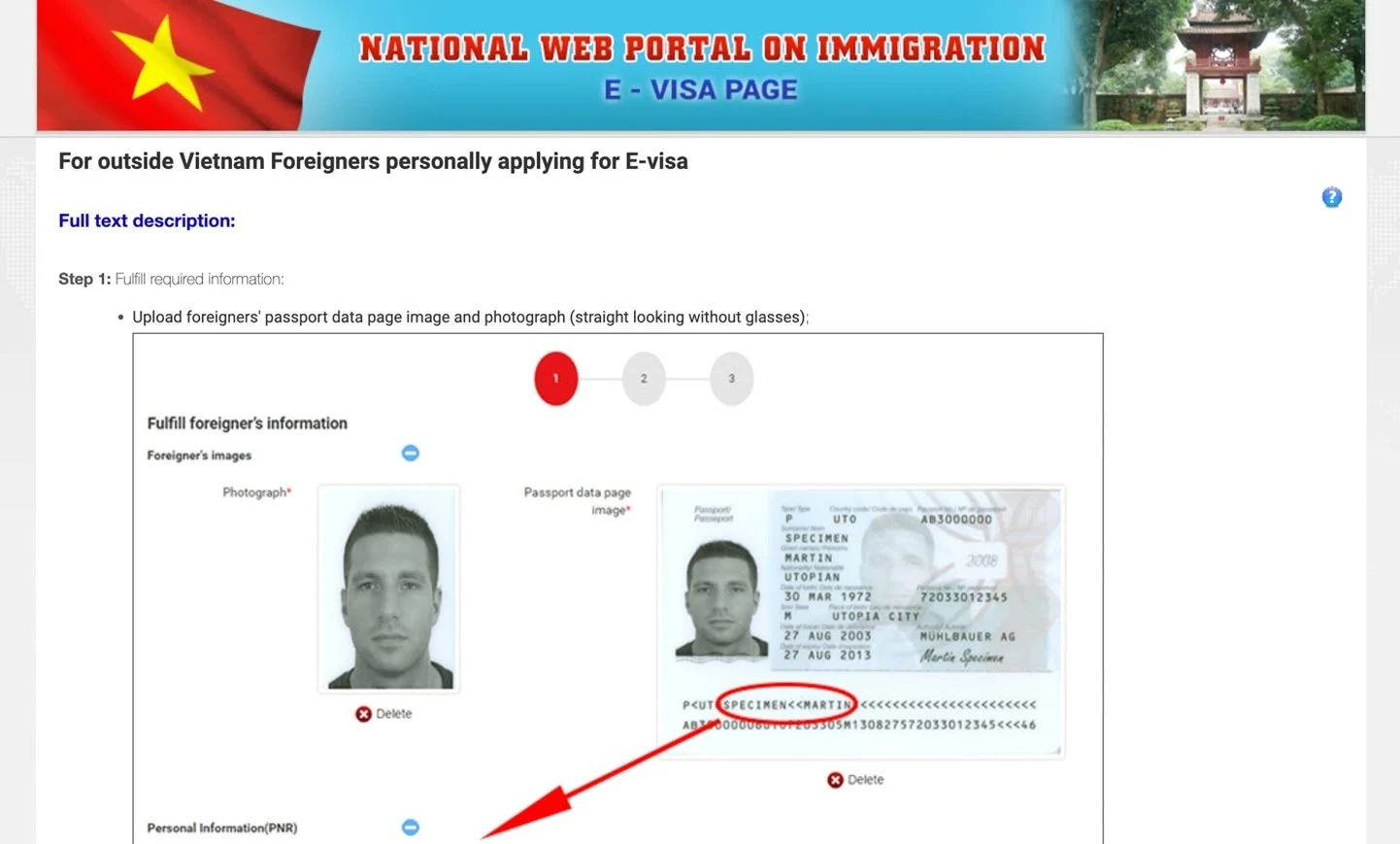
It’s rarely the employer that stalls things - it’s the criminal record check from your home country. Without a translation and consular legalization, DOLISA won’t even accept the file. While that document is in transit, the visa side of your stay doesn’t have to be your problem: I handle e-visas and bridge visa runs for exactly this gap, usually turned around same-day.
Bottom line: if you have an employer willing to sponsor you, the work permit route is the one that gets you a TRC without a six-figure investment or a Vietnamese spouse. It’s slower than a tourist visa and faster than most people expect once the criminal record check is out of the way — plan for two to three months from your first day of paperwork to card in hand, and bridge the gap with an e‑visa rather than letting it run out mid-process.
If chasing translators and filing solo isn’t how you want to spend the next two months, message me on Telegram - I’ll tell you exactly what your passport and contract need, and where the timeline is likely to slip.
For the visa mechanics behind all this - e‑visa vs. visa-free vs. visa run breaks down which one fits your situation while the TRC paperwork is still moving. Kazakhstan passport holders specifically should check Vietnam e‑visa rules for Kazakhstan citizens before they land - the visa-free allowance is shorter than for some neighboring countries, and running out of days mid-paperwork is the single most common way this process gets messy.
Frequently asked questions
How many visa-free days do foreigners get in Vietnam before needing paperwork?
It depends on your passport - some nationalities get 15-45 days visa-free, others need an e-visa from day one. Either way it’s short next to a work permit that takes 6-12 weeks.
Can I apply for Vietnam long-term residency before I arrive?
No. The whole process runs inside Vietnam - you fly in on a tourist entry first, then start the paperwork once you’re on the ground.