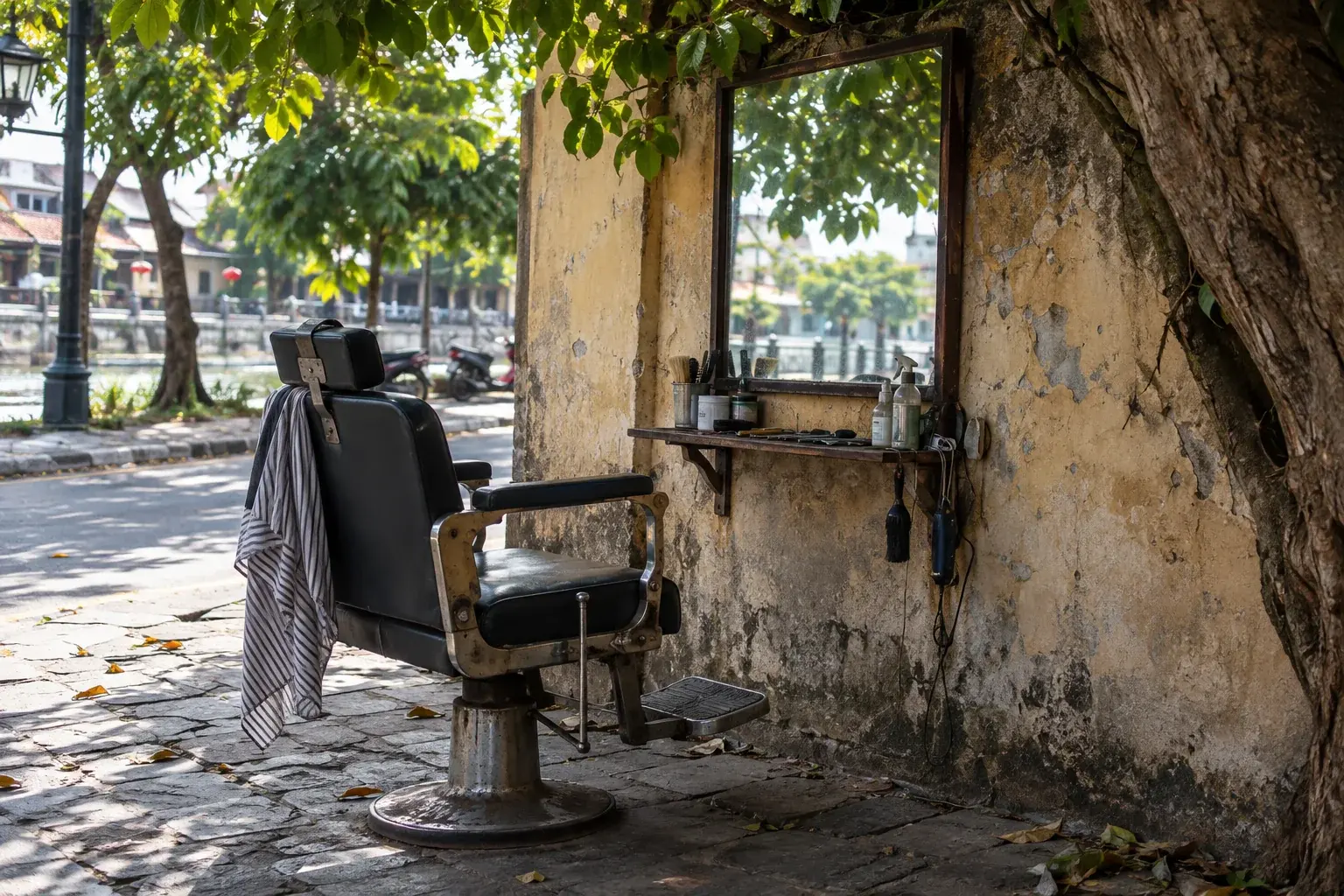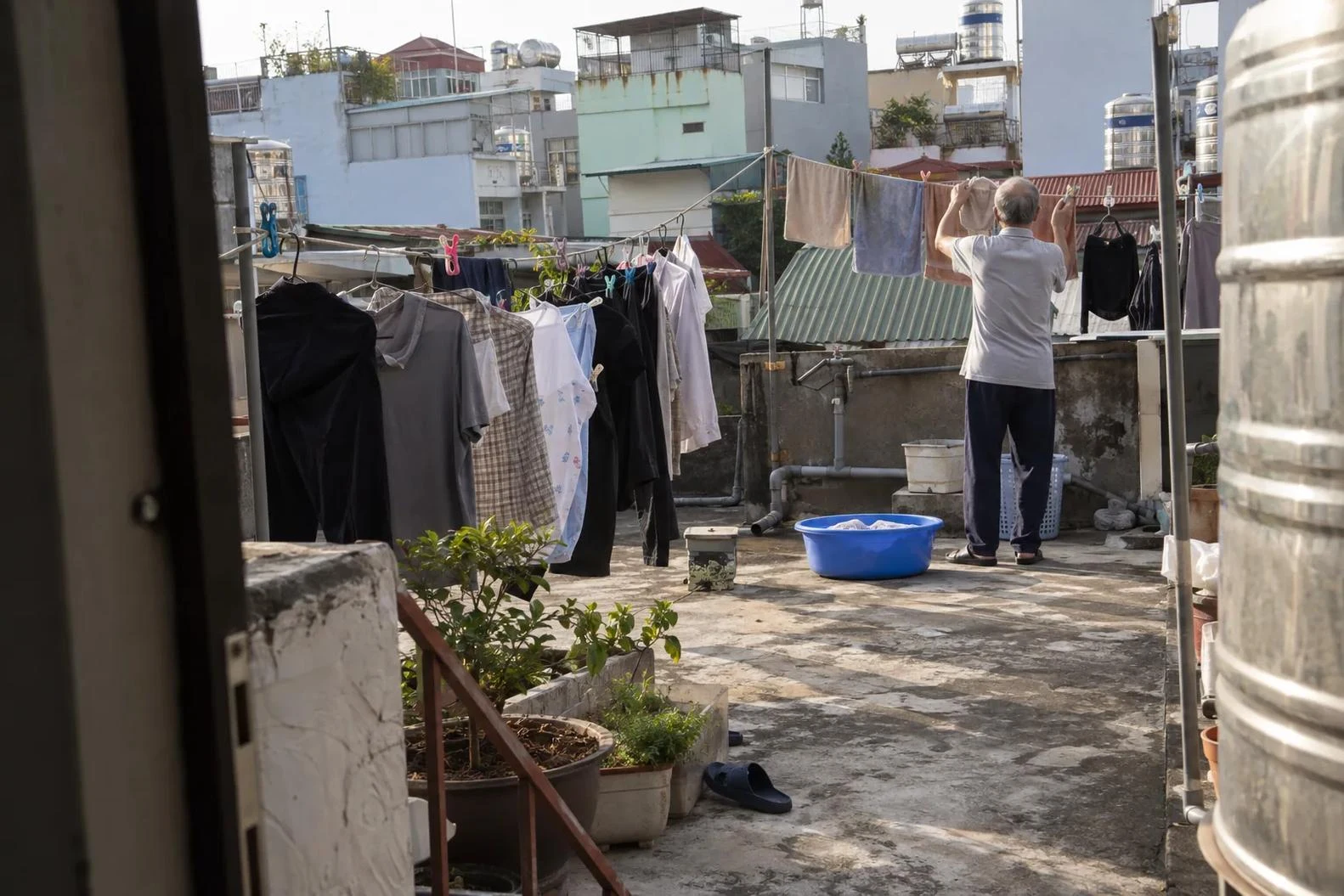
A part-time housekeeper in Vietnam costs 50,000 to 100,000 VND per hour, about 2 to 4 USD, and a full-time live-in housekeeper earns roughly 5 to 10 million VND a month, or 200 to 400 USD. Those are the ranges expats quote, and the final price depends on the city, the hours and the tasks.
I handle visas and residence paperwork for foreigners in Da Nang, so questions about daily life after the visa is sorted reach me often. Housekeepers come up almost every month, usually with the same worry: how much is fair, and does it need a contract.
How much does a housekeeper cost in Vietnam in 2026?
Hourly cleaners charge 50,000 to 100,000 VND, and a monthly live-in helper costs 5 to 10 million VND; these two models cover most arrangements.
- Hourly cleaner. Expect 50,000 to 100,000 VND per hour. Two visits a week of three hours each comes to 150,000 to 300,000 VND per visit, depending on the city and what you ask for.
- Monthly salary. A full-time live-in helper who cooks, cleans, does laundry and shops is quoted at 5 to 10 million VND a month. Forum posts I came across range from about 4 million VND for roughly 50 hours a week to 400 USD for an English-speaking helper with experience. The 4 million figure sits below the regional minimum wage quoted further down, so read it as an informal rate and not a target.
Hanoi and Ho Chi Minh City sit at the top of those ranges. Da Nang, Hoi An and Nha Trang are usually cheaper, in line with rent. If you are still working out your budget, compare these numbers with the Da Nang cost of living breakdown.
Paying far above the going rate does not make you a better employer. Long-term expats say a fair wage, a bonus for good work and respect for time off work better than a very high salary, which can raise expectations and make the housekeeper uncomfortable.
Part-time or live-in: which fits a foreigner?
A part-time helper fits one or two bedrooms, a regular cleaning day and a laundry load that the humidity makes harder than at home. You set the hours yourself, and if the arrangement does not work, you can change helpers.
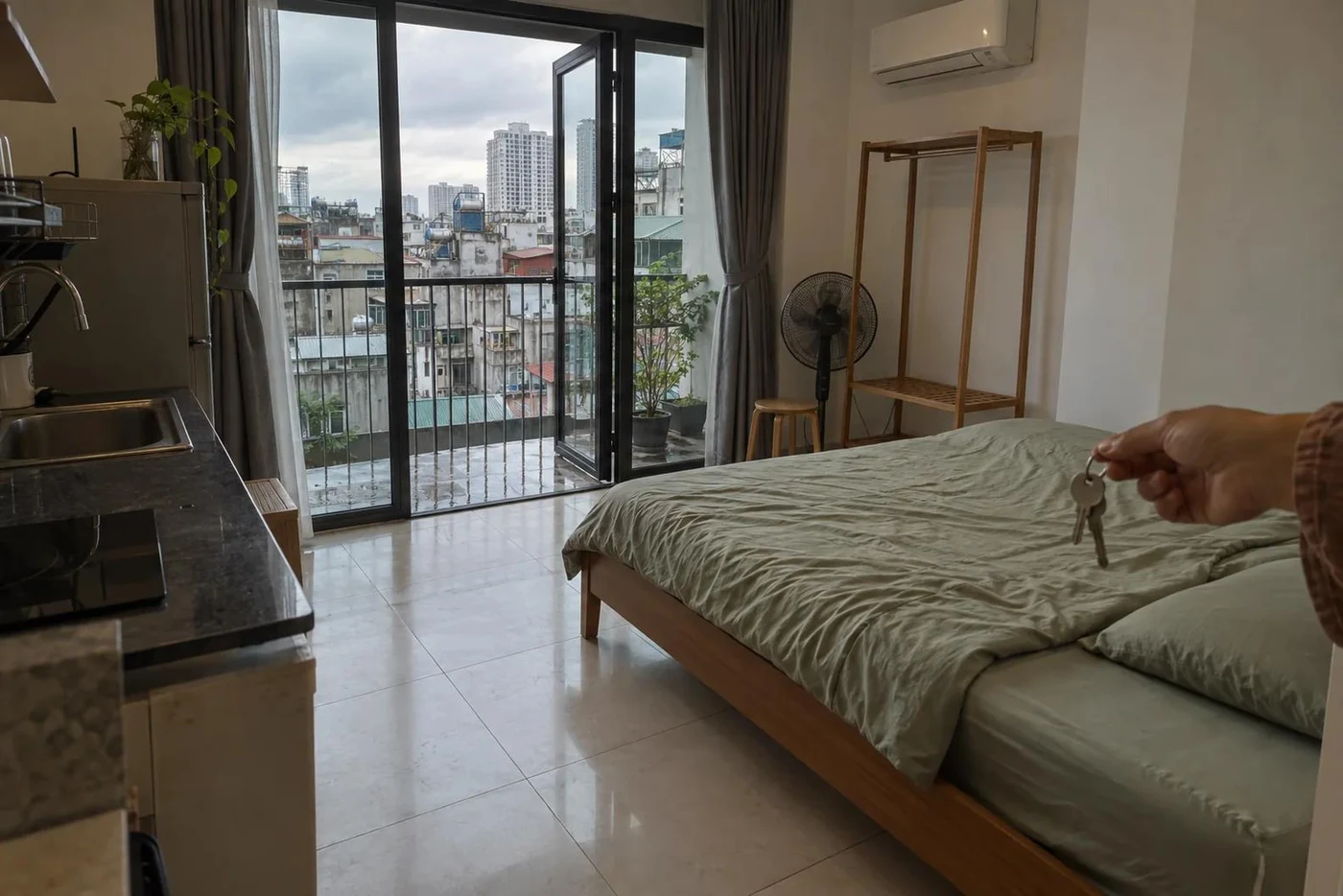
A live-in helper makes sense for a family with small children or an elderly relative. It also changes your home: someone lives with you, and privacy, meals and days off need clear rules. Most single expats and couples start part-time and add days later. A longer arrangement also depends on your own papers. If you are on a 90-day e‑visa you can track the end date yourself, but if you want the dates checked before you promise someone a year of work, our visa and residence services cover exactly that.
What do housekeepers actually do, and where are the limits?
In Vietnam the role is wider than cleaning. Many housekeepers cook, shop at the wet market, look after pets and run small errands. Some will cook for you when you look ill, and some will ask if you have eaten.

Boundaries blur easily, so write the task list down on day one: which rooms, how often, whether cooking and shopping are included, and what happens with the kids’ laundry. A phone translation app and a short list with photos solve most of the confusion that language creates. Expect some charades for the first weeks, which is normal.
Do you need a written contract for a housekeeper?
Yes, in principle. Vietnam’s Labor Code 2019 treats a domestic worker as an employee, and Decree 145/2020, in force since 1 February 2021, requires a written employment contract. An employer who skips it risks a warning and an order to make up social and health insurance contributions, as this summary of the rules explains.
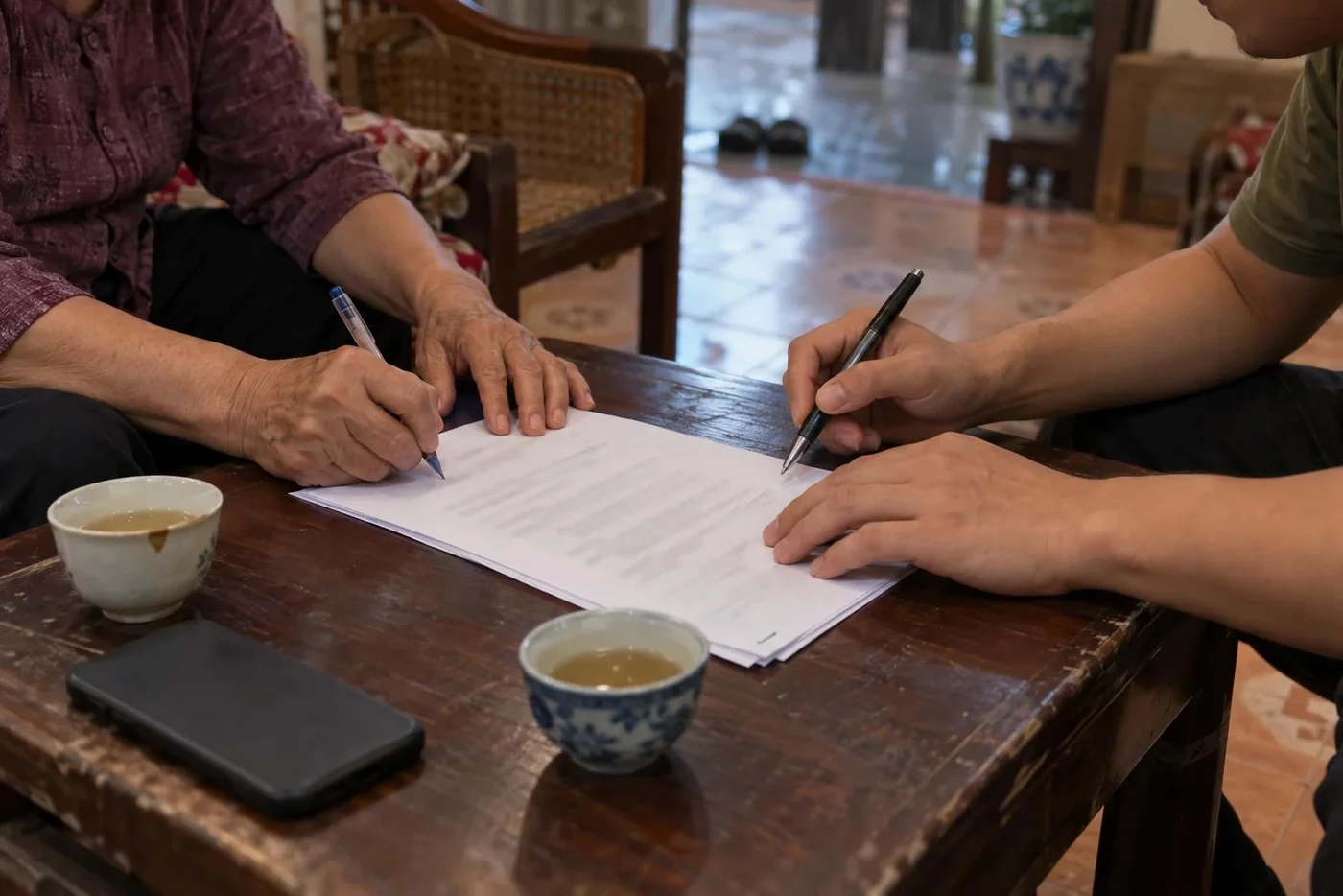
Most casual hourly arrangements never reach paper, but a one-page contract protects both sides when you employ someone several days a week. It should name:
- the monthly or hourly pay and the payment date;
- working days, hours and the main duties;
- paid days off and the Tet bonus;
- how either side ends the arrangement, and the notice period.
The decree also guarantees domestic workers a daily rest period, including at least six consecutive hours within 24, which matters for live-in arrangements. If you plan to leave the country for a 90-day e‑visa run in the middle of a contract, write down whether she is paid during your absence. For scale, the regional minimum wage under Decree 293/2025 is 5.31 million VND a month in Region I from 1 January 2026, and lower in other regions.
Where do expats find a reliable housekeeper?
Personal recommendation beats any listing. These routes work in practice:
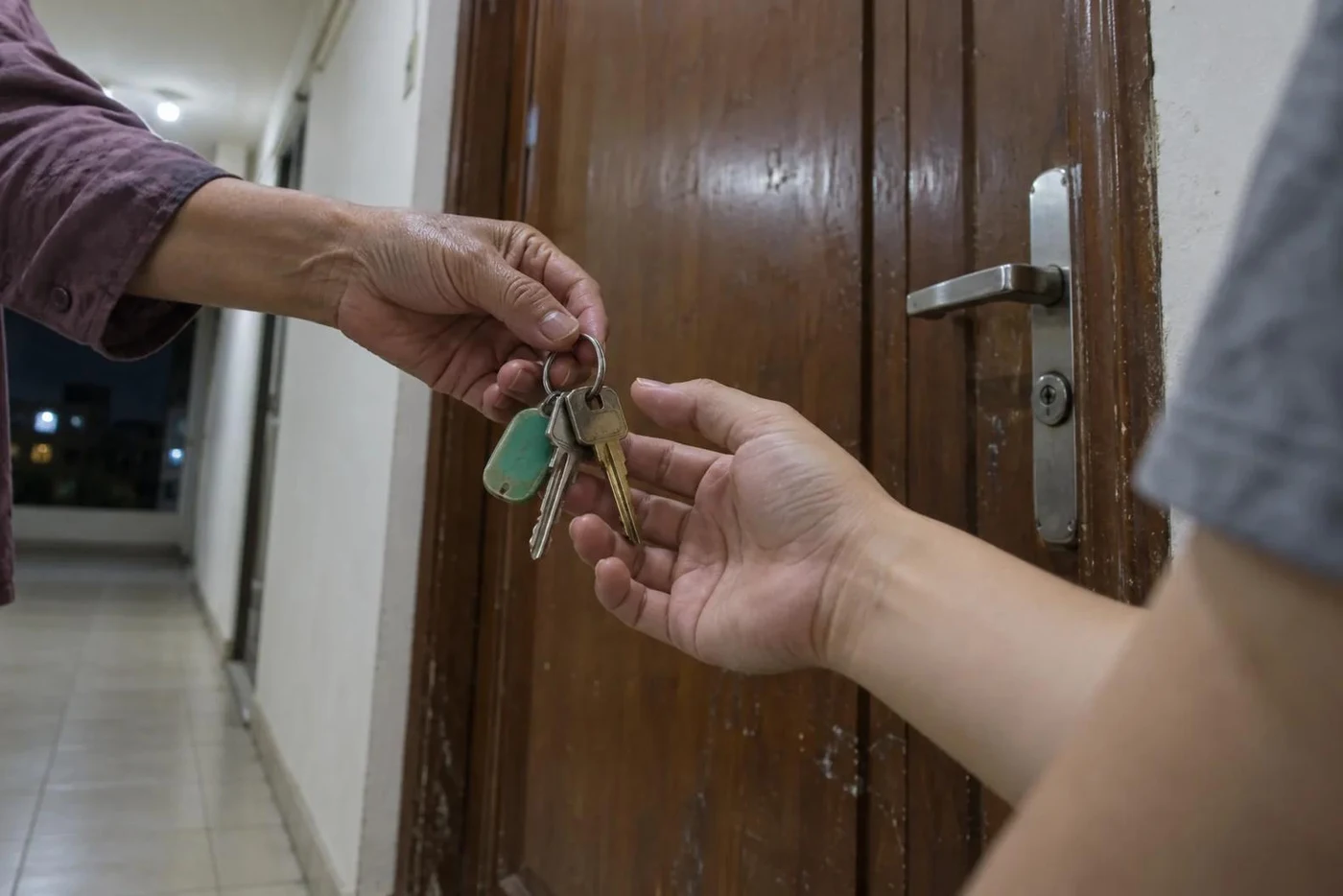
- Your landlord or building staff. Managers usually know cleaners who already work in the building and have been vetted by neighbours.
- Other expats. City Facebook groups and neighbours often pass on a helper who is moving on. The apartment hunting guide for Vietnam explains which groups are active.
- Agencies. They screen candidates and handle replacements, but the owner pays an agency fee that depends on the length of the contract.
- Serviced apartment cleaners. Some buildings sell a weekly cleaning plan with fixed hours.
Agree the price, the key arrangement and what stays locked before the first visit, and keep your passport, cash and documents out of reach.
What to do before you hire
Work through four steps, in this order.
- Fix the task list and the number of hours before you meet anyone.
- Ask your landlord and neighbours for a recommendation first.
- Run a one-week trial at hourly pay.
- Put the monthly terms into a short written contract.
If a long contract with a housekeeper has to fit a 90-day e‑visa, you can check the end date yourself on your approval letter, or you can message me on WhatsApp with your visa end date and city, and I will tell you which dates to plan around before you promise anyone months of work.