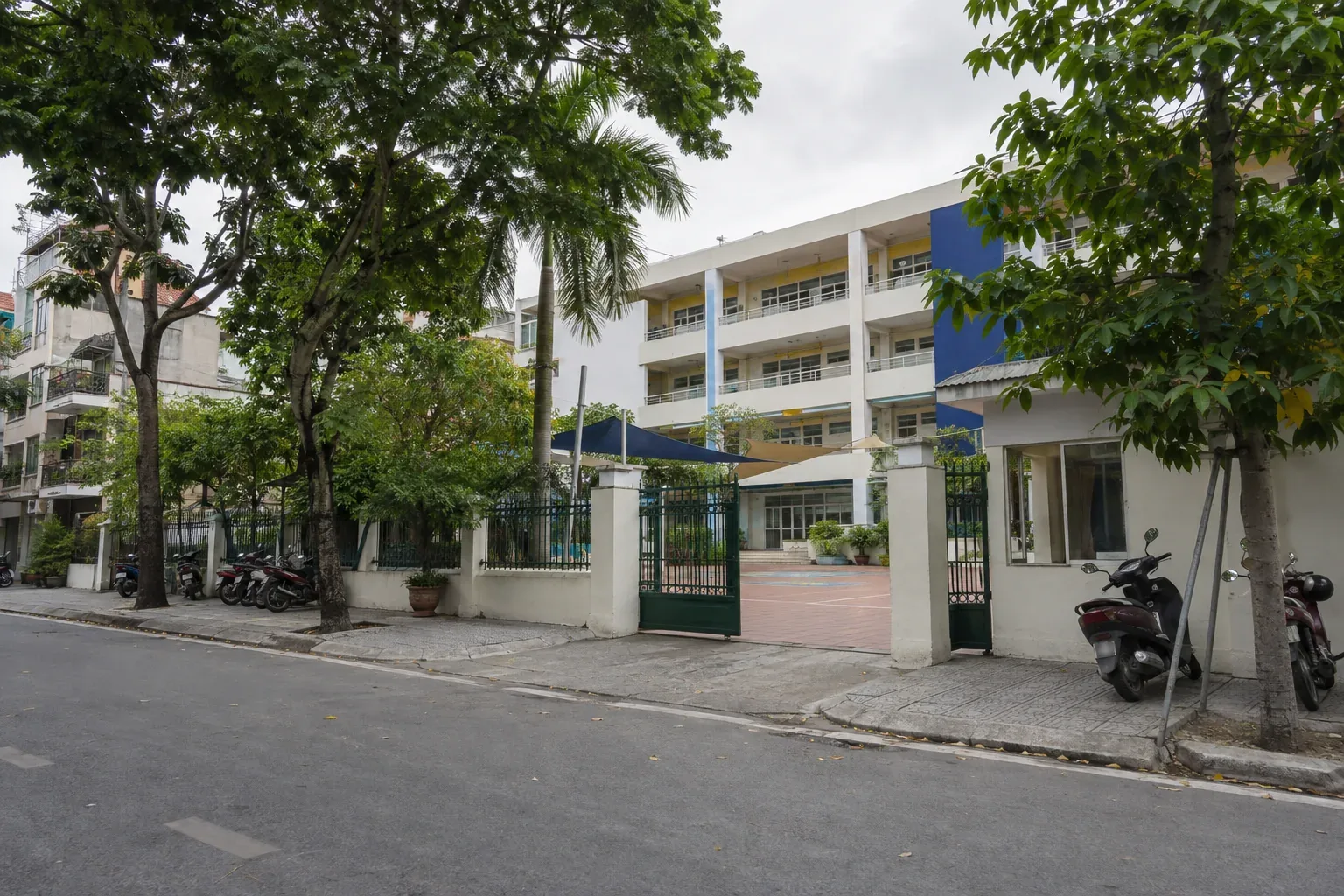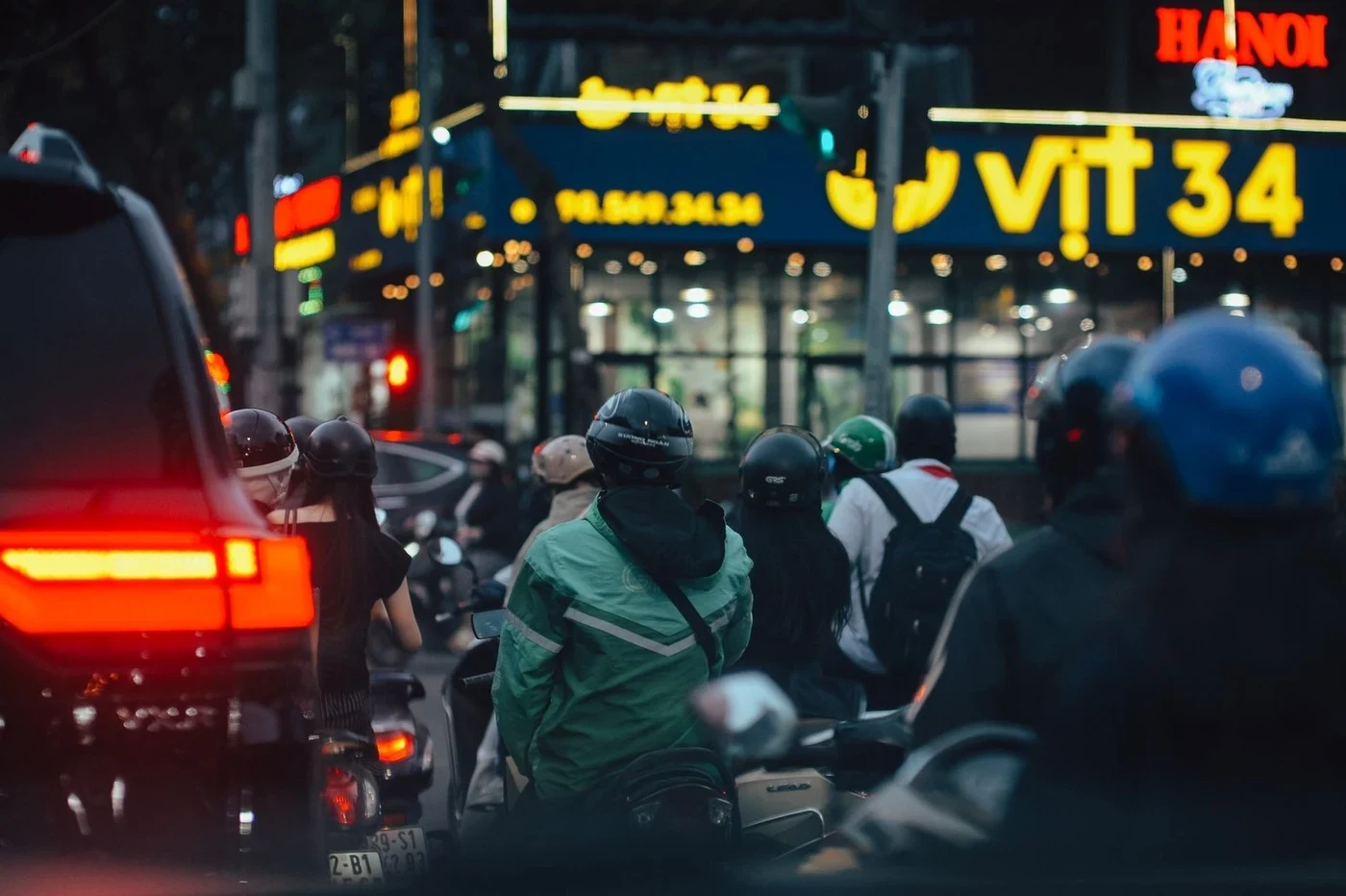
Hanoi’s smog season runs from September or October to March, and winter PM2.5 averages commonly land between 40 and 60 µg/m³, against a WHO annual guideline of 5 µg/m³. On the worst days the index reaches the 200s or 300s, and many expats stay indoors with a purifier running.
When is the air worst in Hanoi?
City officials say Hanoi’s air worsens from September to March, and the heaviest stretches usually come from December to February, when cold air sits over warmer air and traps pollution near the ground. Summer is far cleaner.
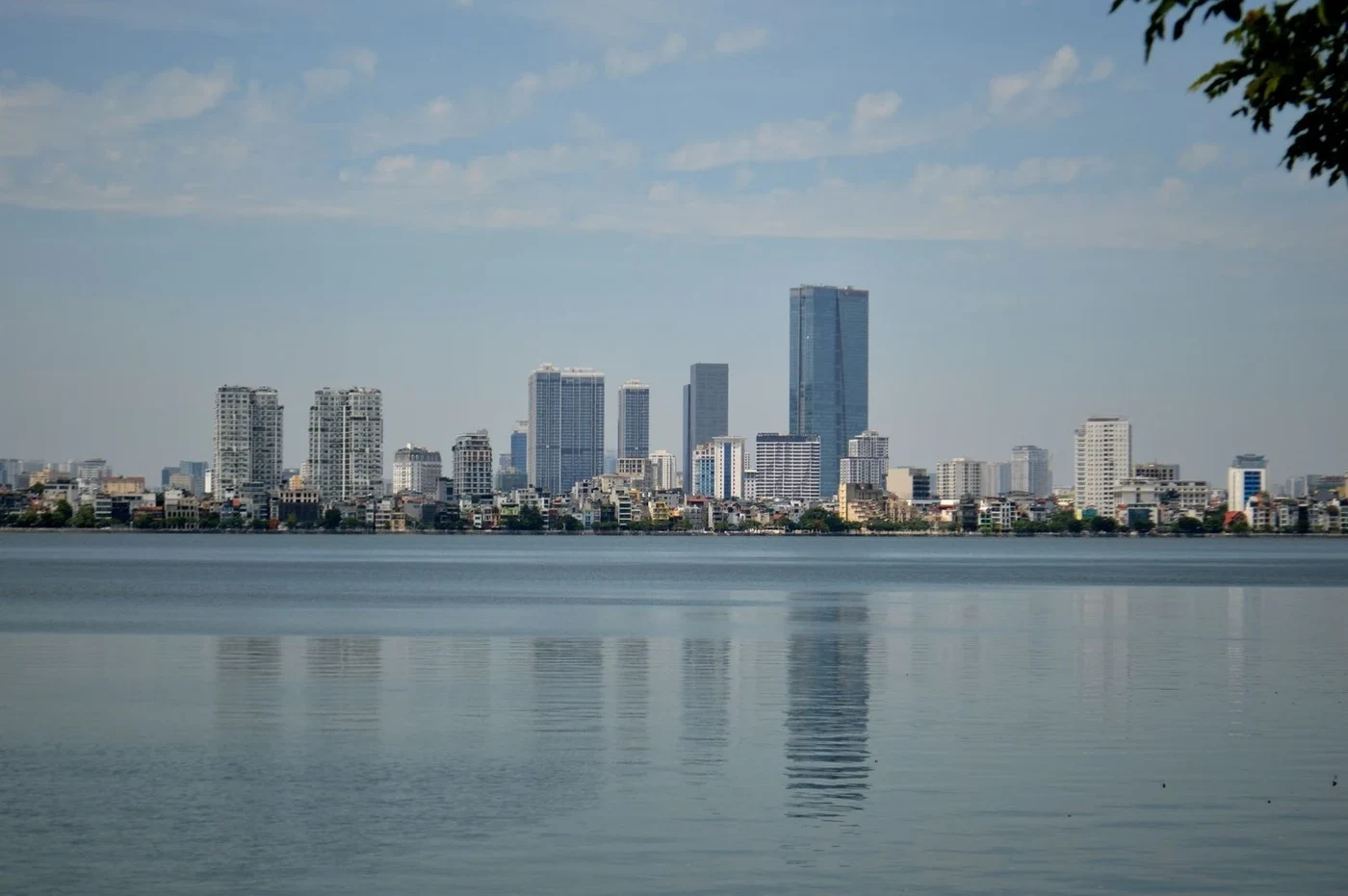
The city’s own list of causes covers vehicle exhaust, construction dust, industrial fuel, straw and rubbish burning, and charcoal stoves.
How do I check the air before I go out?
Open a PM2.5 app such as IQAir, or the city’s own portal moitruongthudo.vn, and read the number before you leave. An index above 150 is my line for putting on a mask and moving the run or the school walk indoors, and above 300 healthy adults should skip being outside at all. Early mornings tend to be the worst, so check again before an evening walk.
| PM2.5 index | What I do |
|---|---|
| Under 100 | Normal day outdoors |
| 101 to 150 | Mask for long rides, windows open briefly |
| 151 to 300 | N95 outdoors, purifier on, windows shut |
| Above 300 | Stay in, skip outdoor exercise |
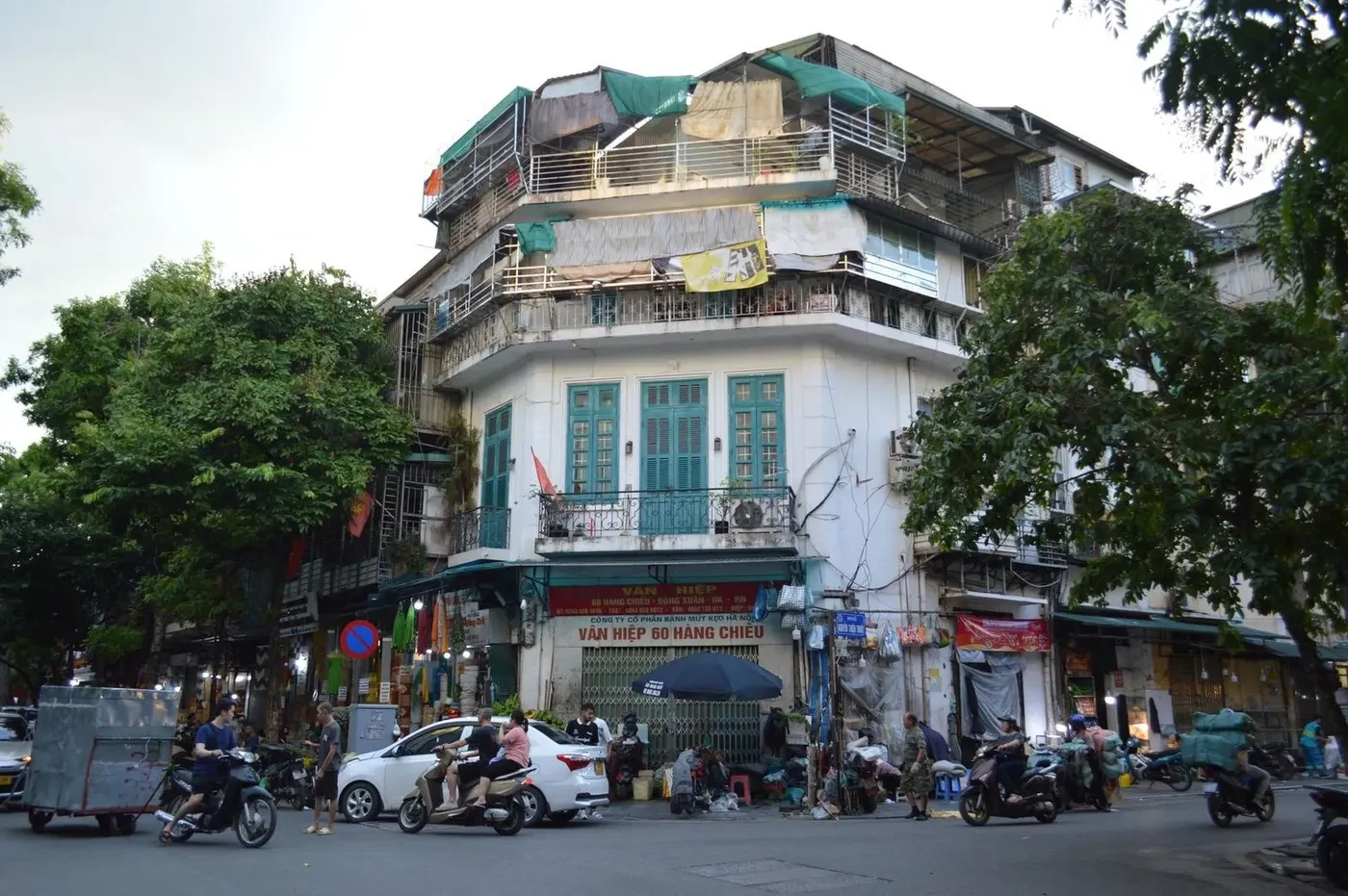
Which mask actually works?
A fitted N95, KN95 or FFP2 respirator is the only mask that filters fine PM2.5 dust properly. Surgical and cloth masks mostly stop larger droplets. Buy yours at a pharmacy, because fake KN95 masks circulate widely at street stalls, and swap the mask after several days of heavy use. Fit matters more than the label: a respirator that gaps at the bridge of the nose lets the dust straight in, so press the metal strip down and test the seal before you trust it.
Do air purifiers work in Hanoi’s damp winter?
Yes, a HEPA purifier sized for the room works, with one catch: Hanoi winters are cold and humid, and purifiers lose efficiency in very damp air while mould grows on walls and wardrobes. Pair each purifier with a dehumidifier, keep windows closed, and plan one unit per bedroom and one for your workspace. If the budget covers only one unit at first, I would put the bedroom ahead of the workspace, because that is where you breathe the same closed-room air all night.
A bedroom-size HEPA unit costs roughly $100 to $200 at local electronics shops, so check current prices before buying. Filters wear out faster in smog season, so budget for a replacement every few months.
Which kind of home helps with Hanoi smog?
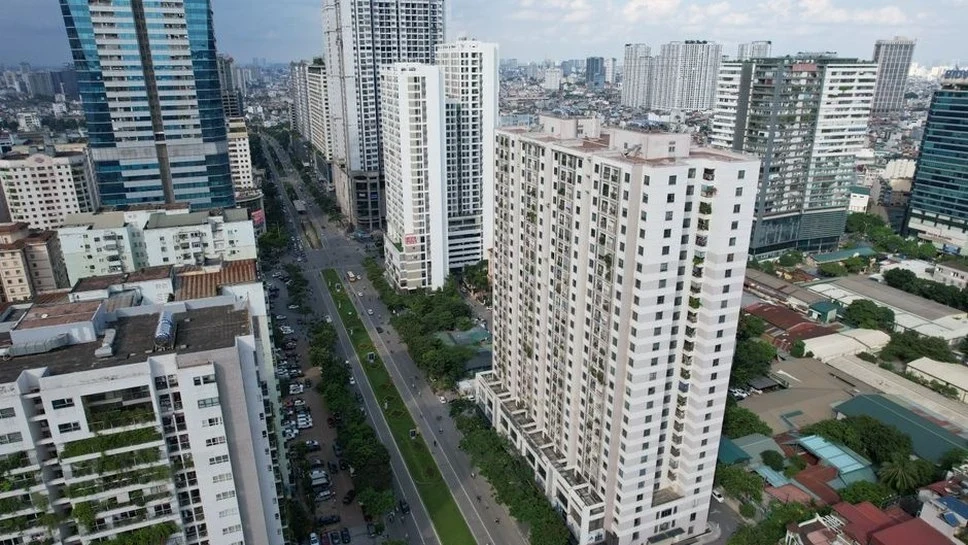
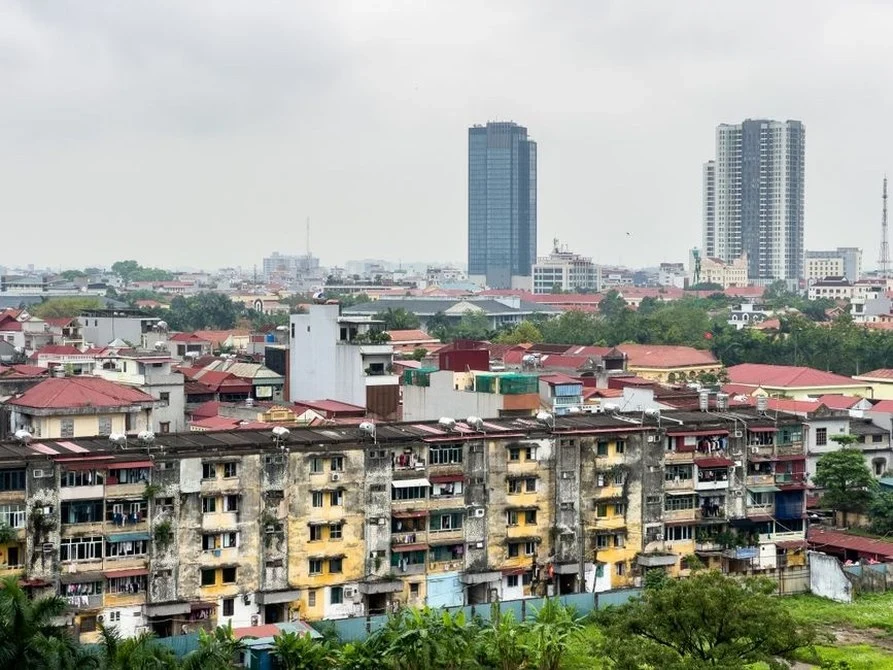
A newer apartment above the traffic with sealed double-glazed windows keeps indoor readings far lower than an old tube house with gaps around the doors. Tay Ho has more greenery and lake air, yet it sits under the same regional smog, so district choice helps with noise and street dust more than with PM2.5 itself. I compare areas and rents in best areas to live in Hanoi.
Who should be most careful with Hanoi air?
Children, older people and anyone with asthma or heart problems should limit outdoor time on bad days, and the authorities advise vulnerable groups to avoid outdoor activity in the morning. If you move with kids, check the school’s indoor-air policy and the clinic options in moving to Vietnam with kids. Make sure your policy covers respiratory visits, which I cover in expat health insurance in Vietnam.
Can I spend the winter somewhere with cleaner air?
Many long-stay expats leave Hanoi for the coast from December to February, and Da Nang, Nha Trang and Phu Quoc all have cleaner sea air than the capital. The weather and rent in those places are laid out in winter in Nha Trang and Phu Quoc and Da Nang in December.
The catch is the visa clock. A winter on the coast often runs past a single 90-day e‑visa, and moving cities does not reset it. The government fee on evisa.gov.vn is $25 for single entry and $50 for multiple entry, and a done-for-you 90-day e‑visa through me costs $55 with weekly processing, because the portal often rejects foreign cards at the payment step.
BestBus Vietnam has offices in Da Nang and Nha Trang and handles the application end to end: it files the form, checks the passport data, pays the government fee with a card the portal accepts and sets the entry point for your route. Processing takes about a week, or a day for urgent cases, and if your days run out a visa run from Hanoi can be arranged on request. Message me on WhatsApp with your arrival date and I will tell you when the e‑visa needs renewing.
What should I set up before my first Hanoi winter?
Install an air-quality app, buy a box of fitted N95 masks, order a purifier and a dehumidifier before the first cold week, and decide in October whether you are staying through January. Booking a coastal month early is cheaper than rushing in the first bad week.
The 90-day visa limit and the winter dates are easy to line up on a calendar yourself. The part that eats an evening is choosing between an extension, a border run and a new e‑visa, and I handle that part: send me the date your stay ends and the month you want out of Hanoi, and I will price the options.