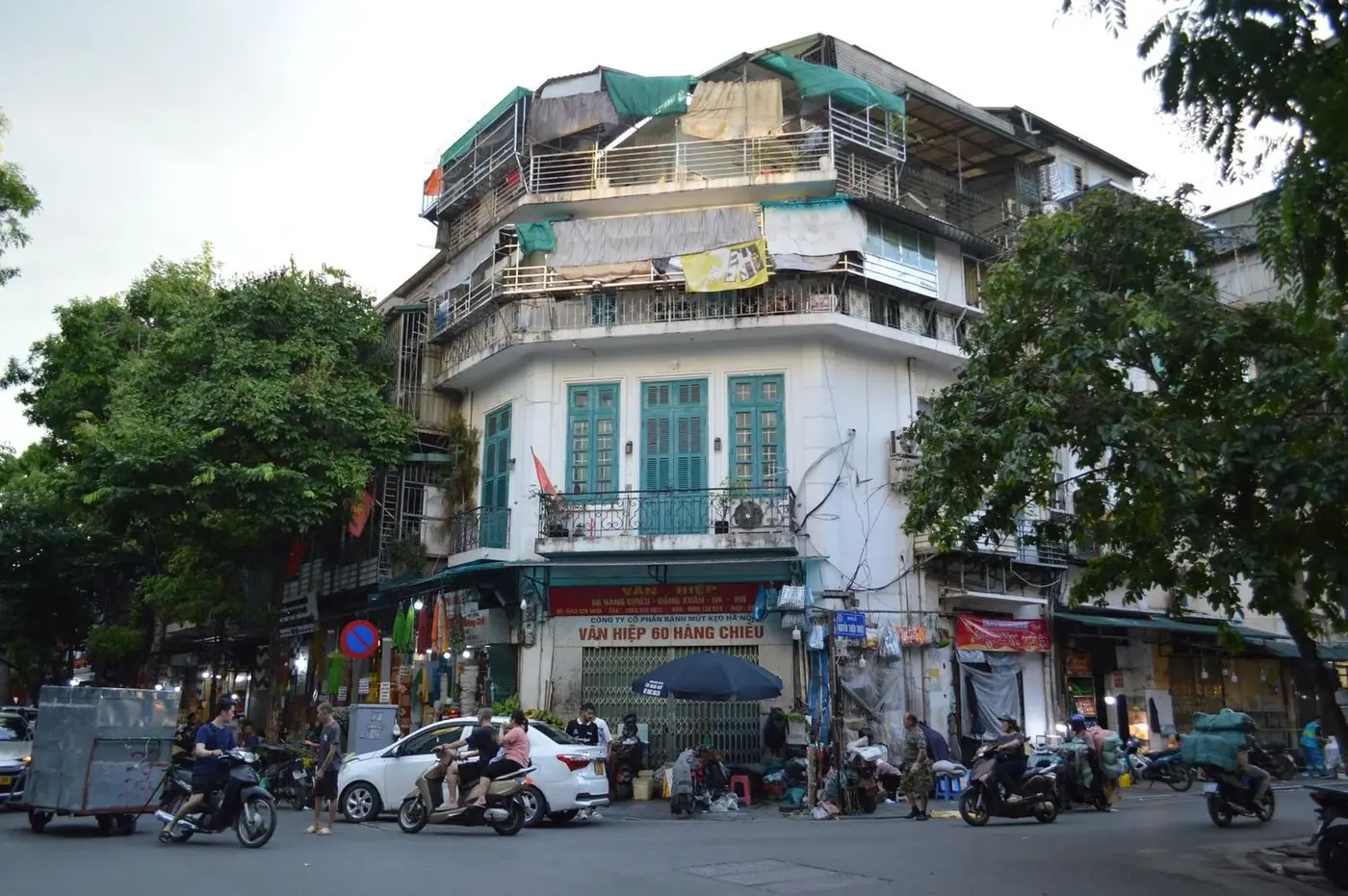
If you’re renting a scooter anywhere in Vietnam right now, you’ve probably seen the headlines about Hanoi banning gas-powered motorbikes. I run bus and visa-run logistics out of Da Nang, and half my messages this month have been travelers asking whether their rental plans just got complicated. Short version: not in Da Nang, and even in Hanoi it’s a lot narrower than the headlines make it sound.
The actual rule, not the headline version
Vietnam’s Prime Minister signed Directive No. 20 in July 2025, ordering Hanoi to phase out fossil-fuel motorbikes inside Ring Road 1 by mid-2026, with low-emission zone planning to start the same year. From January 1, 2028, the restricted area expands to cover Ring Roads 1 and 2 together. No date has been set yet for Ring Road 3, which is the outer boundary most of the city actually lives inside.
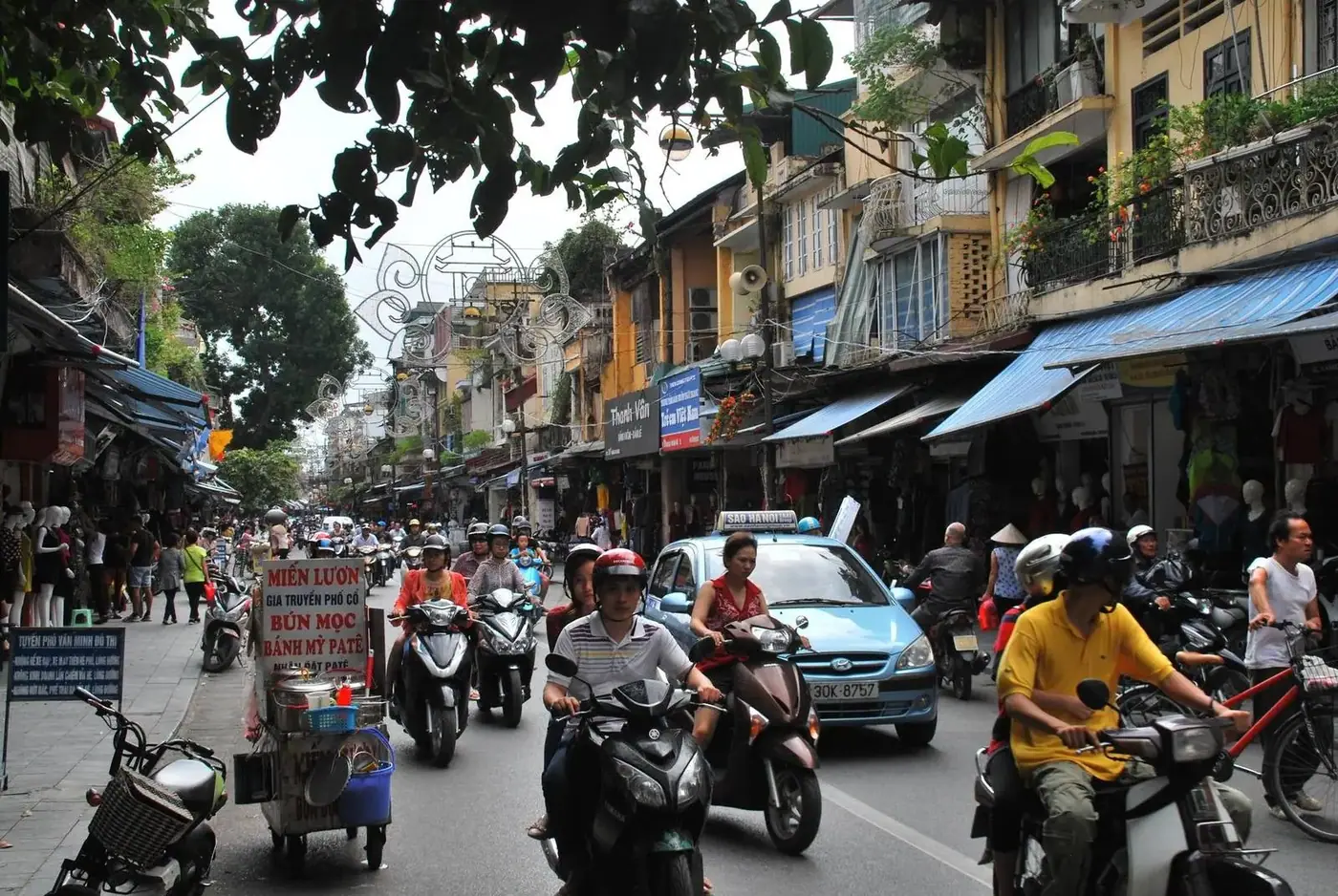
By mid-2026 the pilot got scaled back hard from the original proposal: it now covers a handful of streets in the Old Quarter (Hoan Kiem), and only during evenings and weekends. Gas-powered ride-hailing bikes are off-limits there for the whole pilot period; everyone else’s daily commute is unaffected for now.
Why the government is doing this at all
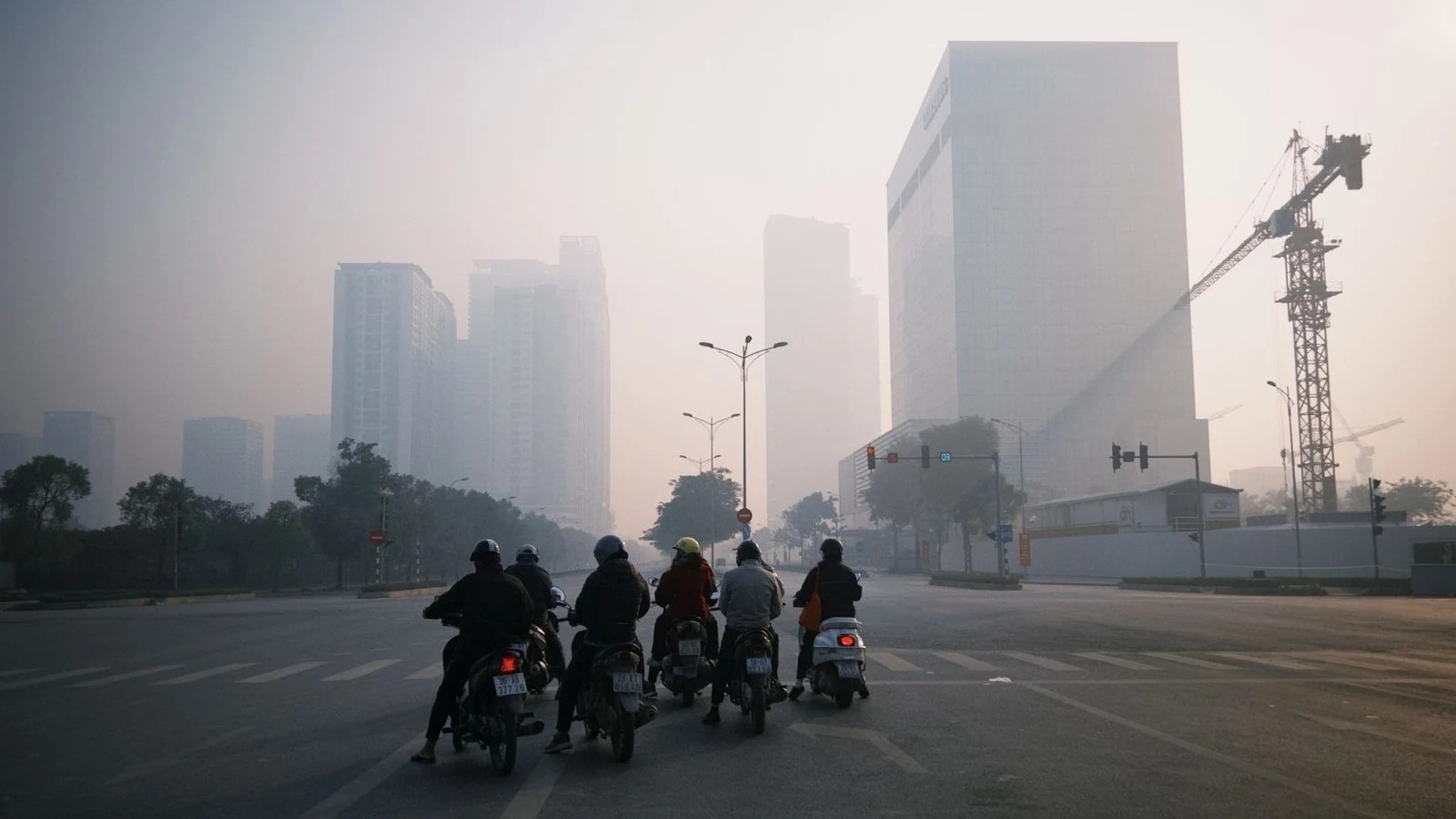
Start with the vehicle fleet itself: Hanoi runs on more than 6.9 million motorbikes, and roughly three-quarters of them are over a decade old - no modern emissions filtering, no catalytic upgrades, just aging two-stroke and early four-stroke engines doing daily commutes. Layer a fast-growing population of high-rises and construction sites on top of that, and you get days like January 3, 2025, when independent air-quality monitor IQAir briefly ranked Hanoi the most polluted city on the planet, with PM2.5 spiking to 266 micrograms per cubic meter - several times the WHO safety threshold. UNICEF’s estimate for the country as a whole: air pollution is linked to roughly 70,000 deaths a year.
That’s the math behind the staged approach: raise registration fees and licensing costs for gas bikes first, add paid parking for them in the core, and build out electric buses and charging points before flipping a hard switch anywhere. Ho Chi Minh City’s Department of Construction is weighing similar rules but hasn’t committed to anything yet.
What this means if you’re renting a bike
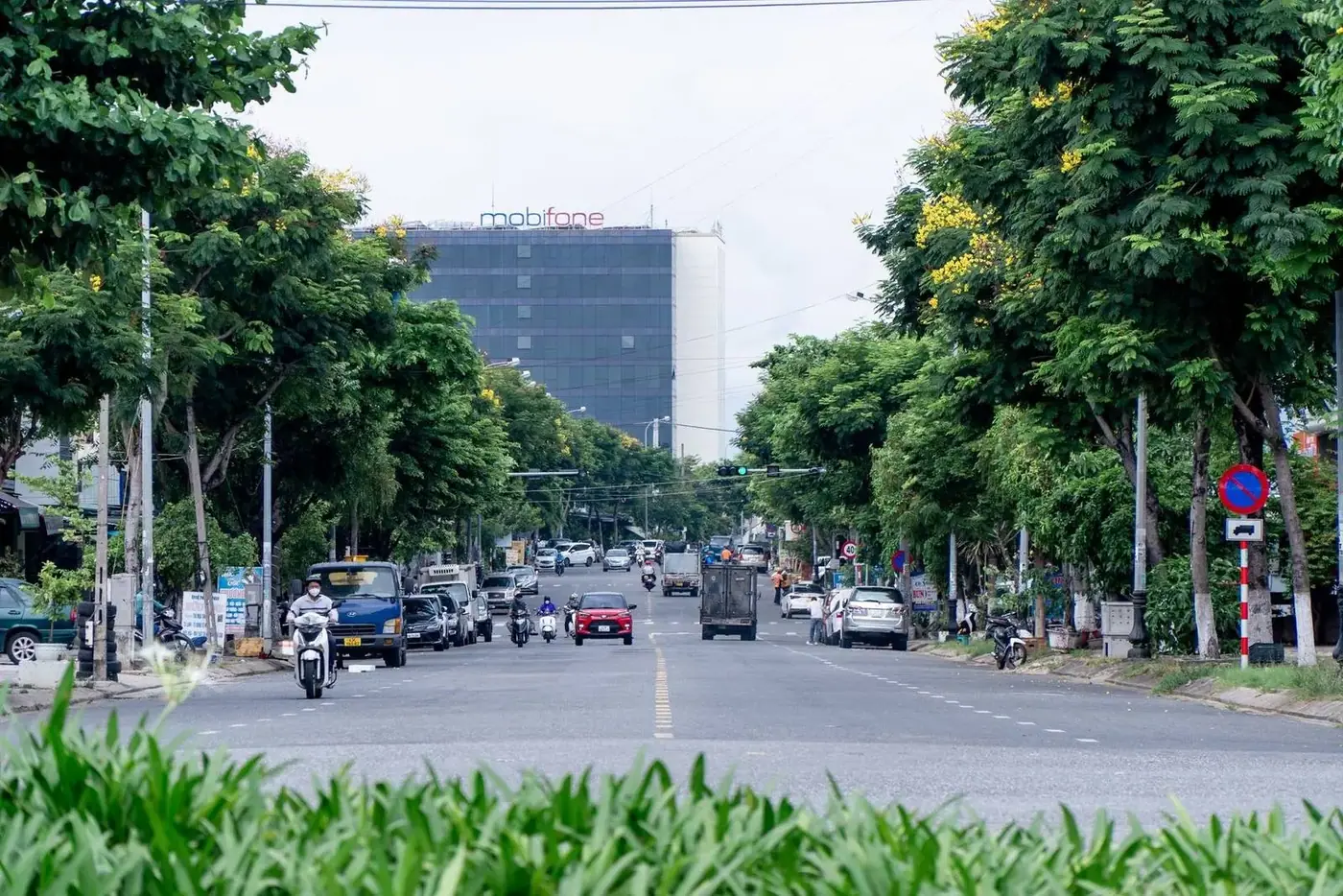
For Da Nang, Hoi An, or anywhere south of Hanoi - nothing changes. There’s no local rule targeting fossil-fuel scooters, and none of the ban’s phases currently reach beyond the capital. Rental shops, deposit terms, and license requirements are exactly what they were last month.
The one case worth planning around: if your route runs through Hanoi’s Old Quarter on a weekend evening, your gas-powered Grab ride there may get rerouted to an electric bike or car automatically inside the app - you don’t need to do anything, it just books differently. Renting a scooter for a day trip to Halong Bay or Ninh Binh works the same as always; the only variable is which hotel you’re based at and whether it sits inside that small restricted zone.
What Ho Chi Minh City might mean for the south
Ho Chi Minh City’s construction authority had a mid-July 2025 deadline to submit its own emissions-reduction proposals, and local reporting suggests it’s looking at gas-vehicle restrictions along similar lines to Hanoi’s - worth knowing if you’re comparing visa-run options across Da Nang, HCMC, and Nha Trang. Nothing has been signed there yet, and even if it is, expect the same slow rollout pattern: a small pilot zone first, ride-hailing restricted before private ownership, evenings and weekends before full-time. If you’re basing a longer trip around HCMC, it’s not a today problem - but it’s worth a quick check before you commit to a long-term rental contract there.

The longer trend worth watching
By 2045, the country wants gas-powered two-wheelers gone entirely - a full national phase-out. The nearer-term marker is 2030, when the plan calls for 22% of motorbikes and 30% of cars nationwide to be running electric. That’s a two-decade rollout happening city by city - Hanoi first, likely Ho Chi Minh City next, and the rest of the country well after that. If you’re planning a longer stay rather than a two-week trip, it’s worth checking local rules again closer to your travel date, since this is one of the few policies actually moving on schedule instead of stalling.
For anyone routing through Central Vietnam, planning a visa run, or just trying to figure out which border rules are current versus outdated, message me on WhatsApp - I’ll tell you straight whether something actually affects your route or if it’s just this month’s headline.