
From Hanoi to Da Nang is 760–820 km depending on your route — an overnight journey by train or sleeper bus, or 4–5 hours door-to-door by plane. Here’s what each option actually costs and how long it really takes, with no rounding.
How Far Is It from Hanoi to Da Nang?
The road and rail distance runs roughly 800 km. That puts you firmly in overnight-journey territory for both the train and the sleeper bus: 15–16 hours by train, around 22 hours by bus. The flight covers it in 1 hour 20 minutes in the air, but stretches to 4–5 hours once you account for both airports.
The route matters beyond just the numbers. Central Vietnam has one of the most dramatic stretches of coastline in Southeast Asia, and the section after Hue — where the train climbs the Hai Van Pass above the South China Sea — is something most people don’t expect.
Is the Sleeper Bus Worth It?
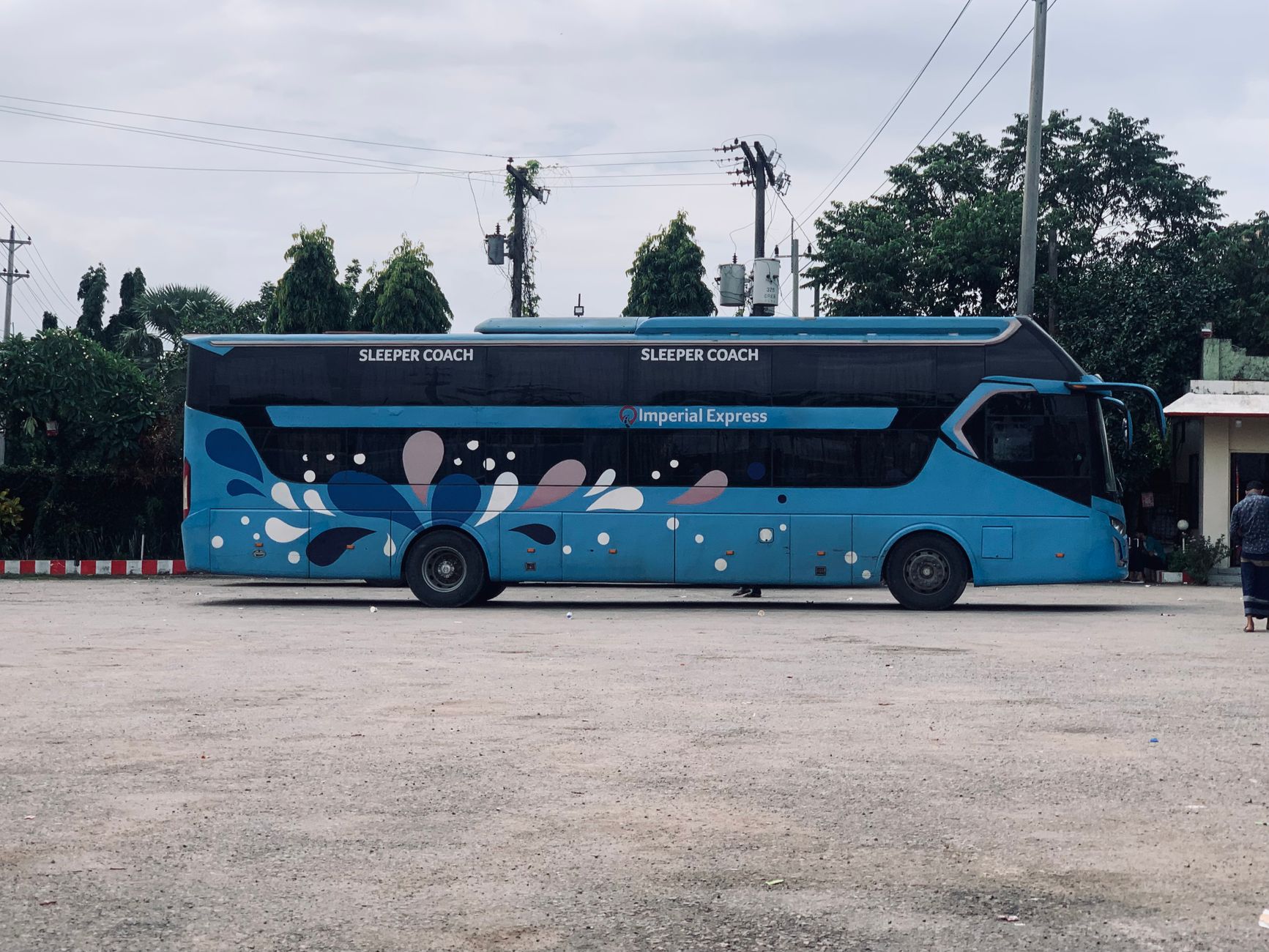
The sleeper bus is the cheapest option and runs constantly: 35+ operators and 127+ daily departures on vexere.com alone. Prices range from 450,000 VND ($18) to 1,350,000 VND ($54), with the average around 900,000 VND ($36). The FUTA Ha Son service is a reliable pick at the lower end — 480,000 VND, rated 4.8/5, departing at 17:20.
The actual journey time is around 22 hours, not the 16–18 you’ll see advertised. After rest stops, mountain road sections, and city traffic on approach, most buses clock closer to 22 hours. You depart early evening and arrive mid-to-late morning the next day.
The buses have two-tier bunk pods with curtains, a pillow, and a blanket. Sleeping is possible; it’s not comfortable by Western standards, but it works. The main thing to know going in: you won’t arrive rested. Plan a slow first morning in Da Nang.
Book on vexere.com — English interface, international card support, and the widest selection of operators.
Which Train to Take (and Which Class)

The Reunification Express (Tàu SE) is the best balance of price, comfort, and journey time for most travellers. The most popular overnight option is SE19 — departs Hanoi at 19:50, arrives Da Nang at 12:12 the next day (16 hours 22 minutes). SE3 is slightly faster: departs 19:20, arrives 11:05 (15 hours 45 minutes). For daytime travel, SE5 departs at 15:30 and arrives at 07:27.
Ticket prices for Hanoi to Da Nang:
Hard sleeper (6-berth, nằm cứng): $45–50. Soft sleeper (4-berth, nằm mềm): $55–65. VIP 2-berth private compartment: $110–130. Tourist carriages (Laman / Lotus): $85–140.
The 4-berth soft sleeper is the standard call. You get a padded bunk, AC that works, a reading light, and a power outlet. Four people per compartment keeps it quieter than the 6-berth alternative. You sleep from Hanoi and wake up near Da Nang.
The Hai Van Pass section is the payoff on this route. After Hue, the line hugs the coastline through a mountain pass above the sea. On the daytime SE5, or if you wake early on the overnight SE19, the left-side window facing south is where you want to be.
Book on 12go.asia for international card support, or dsvn.vn if you have a Vietnamese card. Book 3–5 days ahead for weekend departures.
If you need to sort your Vietnam visa alongside this trip, Da Nang is the right base for that. We handle e-visas and visa runs from here — same-day, pickup included — so it won’t eat into your travel days.
Does Flying Actually Save You Time?

VietJet Air, Vietnam Airlines, Bamboo Airways, Sun PhuQuoc Airways, and Vietravel Airlines all fly Hanoi Noi Bai (HAN) to Da Nang (DAD) nonstop. Flight time is 1 hour 20–25 minutes. Fares run $43–135 one-way depending on airline and booking time.
The real door-to-door breakdown: taxi from Hanoi center to Noi Bai airport takes 45–60 minutes and costs around $24. Add 1.5–2 hours for check-in and security, 1h 20m in the air, and 10–15 minutes to get from Da Nang airport to your hotel. Total: 4–5 hours center to center.
When the overnight train handles the same journey while you sleep and costs $55–65 all-in, the flight wins mainly when you need to arrive at a specific time — business travel, family trips, or short itineraries where the overnight option wastes a full day.
One important thing on VietJet: the base fare (sometimes as low as $24) doesn’t include checked luggage or seat selection. A 20 kg bag adds $15–25. Vietnam Airlines includes 23 kg free — compare total prices, not headline fares.
The Motorbike Route
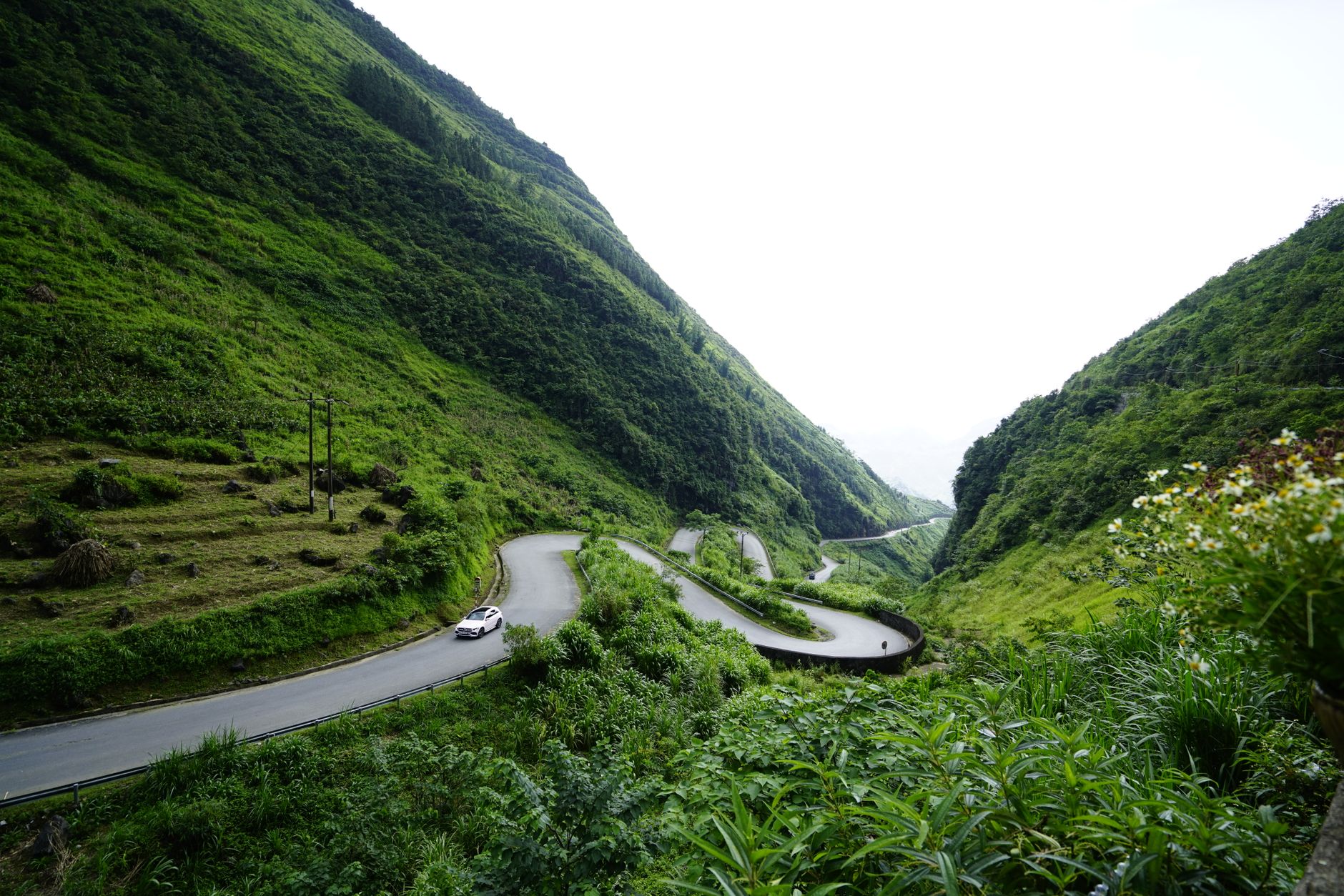
If you have riding experience and a flexible schedule, the Ho Chi Minh Road (Đường Trường Sơn) is worth building a trip around. The distance is 760–820 km. Riding pace gets you there in 3–5 days; 8+ days if you stop properly at Ninh Binh, Hue, and the Hai Van Pass.
Motorbike rental in Hanoi runs $8–15 per day. You need experience on a manual bike in mountain terrain — this is not a beginner option.
Key stops: Ninh Binh for the karst landscape, Hue for the imperial citadel, and the Hai Van Pass itself — the same section the train crosses, but on two wheels above the sea.
Which Option for Your Situation?
The sleeper bus suits budget travellers who want to minimise cost. The train is the right default for most people: reliable, comfortable enough, and you arrive rested. The flight makes sense when time is the priority — business travel, family trips, or short itineraries. The motorbike is in its own category: not faster, not cheaper, but a completely different experience.
For most people making this trip for the first time, the SE19 overnight train in a 4-berth soft sleeper is the call. You sleep from Hanoi and pull into Da Nang around noon with the afternoon free.
If you need a visa run, e-visa, or visa extension sorted for your Central Vietnam stay, danangvisarun.com handles it from Da Nang — same-day processing, pickup included, no intermediaries.