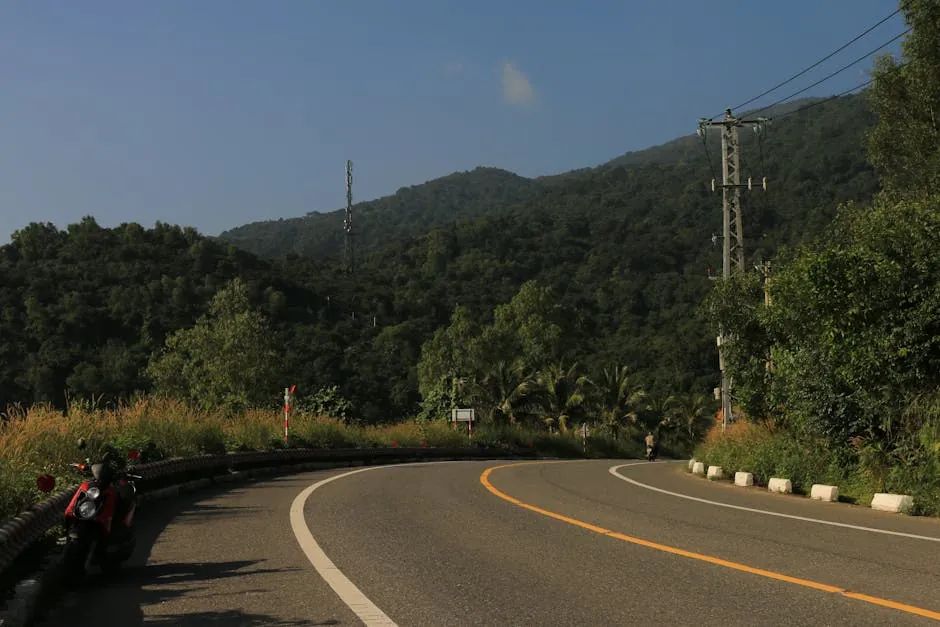
The Hanoi to Da Nang bus is 770 km and 16-18 hours in an overnight sleeper for 550,000-1,200,000 VND (about $22-$48). I’ve left Nước Ngầm station at 6:30 PM and walked across Dragon Bridge the next morning at 7:30. The train takes about the same time but costs 50% more. The flight is faster, but by the time you’ve added transfers in Nội Bài you’re back to five-ish hours door-to-door.
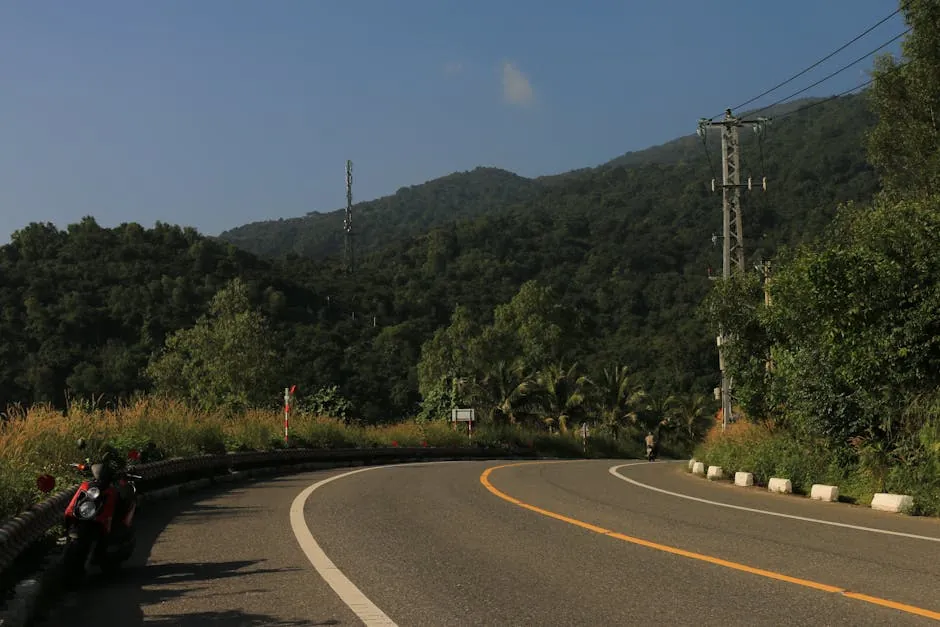
When the Bus Beats the Train and the Plane
Three options, three different trade-offs:
- Overnight sleeper bus: 550k-900k VND, 16-18 hours, you sleep through the ride.
- SE3 train: 16 hours 45 minutes, soft sleeper 900k-1.5M VND, four people per cabin.
- Flight: 1 hour 20 minutes in the air, ticket 800k-2M VND. Add 3-4 hours for Nội Bài transfer plus the same again on the Da Nang side.
I take the bus when my budget is under 800k, I don’t want to deal with an airport, and I need to wake up already in the city. I don’t take it if I’m carrying two big suitcases (the sleeper aisles are narrow), or if I’m taller than 6'1" — the bunks are roughly 1.7 metres and your feet hang off the end. If you get motion sick, go with the train: the mountain passes between Vinh and Huế still shake you around, even on the newer highway sections.

What the Buses Actually Look Like
Three vehicle types run this corridor:
- Regular sleeper: 36-40 two-tier bunks, curtain, a toilet at the back. Tight, seats don’t fully recline, but cheap.
- VIP cabin sleeper: your own pod with a privacy curtain, adjustable headrest, USB power. Quieter, better sleep — worth it if you’re a light sleeper.
- Limousine minivan with 9-11 seats: rare on the Hanoi-Da Nang line. You’ll see it more on Hanoi → Vinh or Hanoi → Huế.
The practical choice is regular sleeper or VIP cabin. A limousine for 770 km is tough — sitting upright for 17 hours is worse than lying flat. If you want a play-by-play of how that overnight actually feels — boarding in socks, the 2 AM cold, the rest stops in the dark — I wrote up what the night bus from Hanoi to Da Nang is really like.
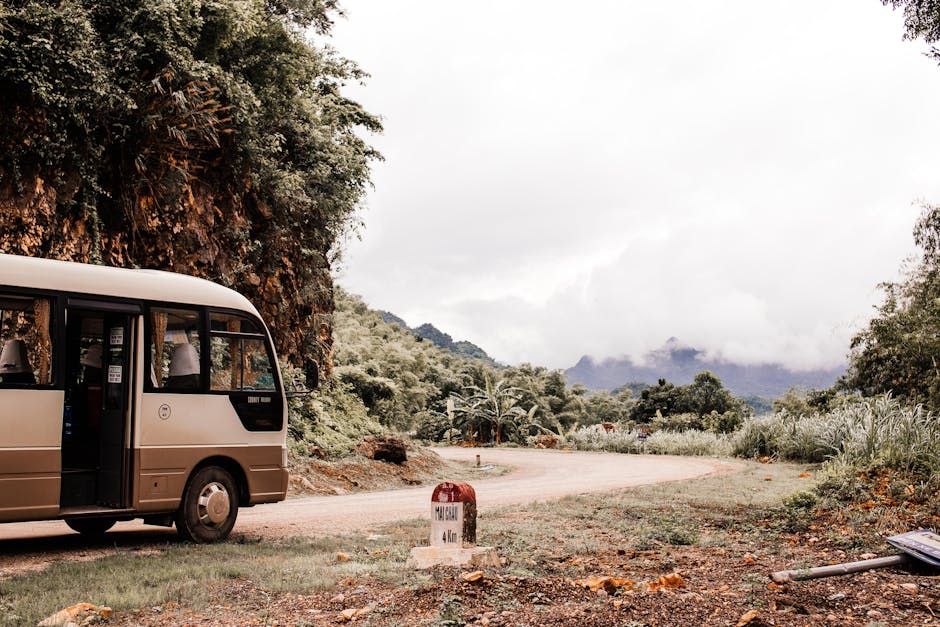
2026 Prices and Where to Book
Current pricing, as of April 2026:
- Regular sleeper: 550k-650k VND ($22-$26).
- VIP cabin: 850k-1.2M VND ($34-$48).
- Same-day walk-up: add 100-150k to the standard fare.
Three ways I book tickets:
- Through Vexere or 12Go — card payment, PDF e-ticket, and occasionally 5-10% discount codes. Easiest if you’re not in Vietnam yet.
- At the Nước Ngầm ticket counter in Hanoi — cash VND only, no English, but it works if your SIM is offline.
- Through our Telegram bot — faster than filling out forms on a phone, and we can sort seat preference and pickup point over text.
I usually ride in a cabin. Last November I paid 950k for one and slept through all but one rest stop. The regular sleeper at 600k is only worth it if the budget is genuinely tight.

Where the Bus Leaves and Where It Arrives
Departures in Hanoi come from three stations:
- Bến xe Nước Ngầm (Hoàng Liệt district) — the main southbound station, around 70% of services.
- Bến xe Giáp Bát — some operators run from here, handy if you’re east of the city.
- My Đình — rare for Da Nang, but check when you book.
Peak departure window is 4:30-8:00 PM, with most buses leaving between 6 and 7. Morning departures run through the day and arrive in Da Nang at night — they waste a whole day and I’d skip them.
In Da Nang you arrive at:
- Bến xe Trung tâm (201 Tôn Đức Thắng, Hòa Minh) — the main bus terminal on the west side.
- A handful of services drop on Nguyễn Văn Cừ street, closer to the centre.
Scheduled arrival is 9 AM-2 PM. A 30-90 minute delay around Huế due to traffic is normal — don’t panic.

What to Actually Pack
I’ve put this list together from my own mistakes:
- A hoodie or light jacket. The AC runs on max all night. By the window it’s genuinely cold.
- Eye mask and earplugs. Someone will take a loud phone call at 3 AM. It’s a law of physics.
- A 1-litre water bottle. Rest stops happen 2-3 times for 10-15 minutes, and nothing between them.
- A power bank. USB is not guaranteed on every seat — VIP cabin usually works, regular sleeper is hit-or-miss.
- An eSIM with Vietnam data. Checking the bus position while half-asleep is a small comfort.
- A light snack. Rest-stop canteens charge 80-120k for a plate of rice and chicken, and it’s mid-tier at best.
One thing worth knowing: if you’re getting off before the terminal (for example, to transfer to Hội An), tell the driver at boarding — “stop at Hội An” in English works — and remind them an hour out via Google Translate. Otherwise they’ll drive you to the final stop. Once you’re in Da Nang, the same overnight network branches out — I mapped the main bus routes around Central Vietnam if you’re continuing to Huế, Hội An or Phong Nha.

From the Da Nang Terminal to Your Hotel
Bến xe Trung tâm is on the western edge of the city, 8-10 km from the beach.
- Grab or Be to My Khe beach: 80-120k VND, 20 minutes.
- Local bus No.1 to the Hàn River: 20k VND, 40 minutes with stops.
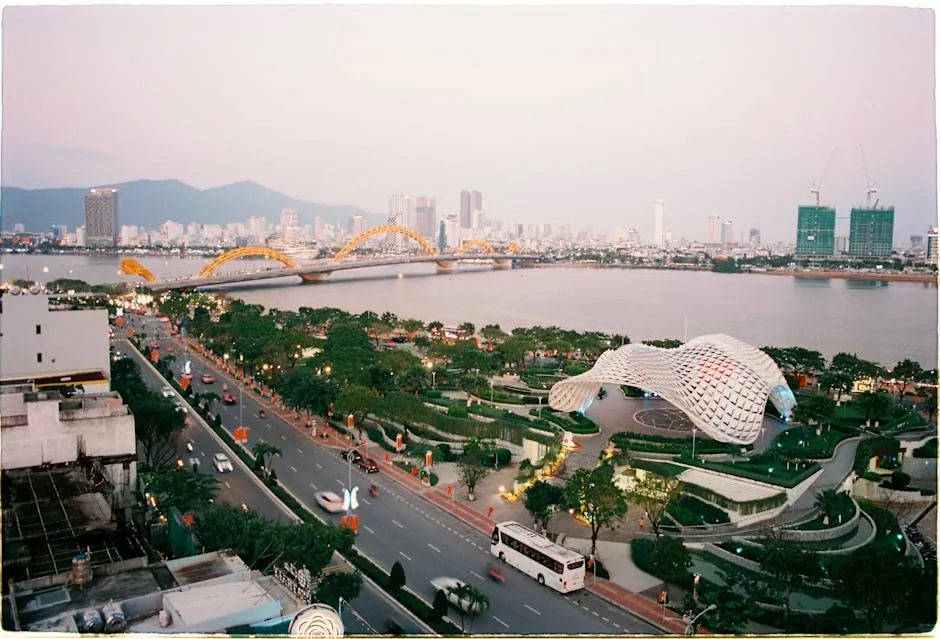
- On foot to Dragon Bridge: 40-50 minutes, if your backpack is light and it’s not July.
After an overnight bus, don’t try to save money here. A 100k taxi and another two hours of sleep at the hotel is worth more than the 80k you’d save on local transport.
If you’re planning a route through Central Vietnam and want a real person to double-check schedules or pickup points before you book, find us at danangvisarun.com or reach me directly:
- Telegram — message me and I’ll help with the Hanoi-Da Nang leg or connections onward, plus any e-visa, extension or visa run.