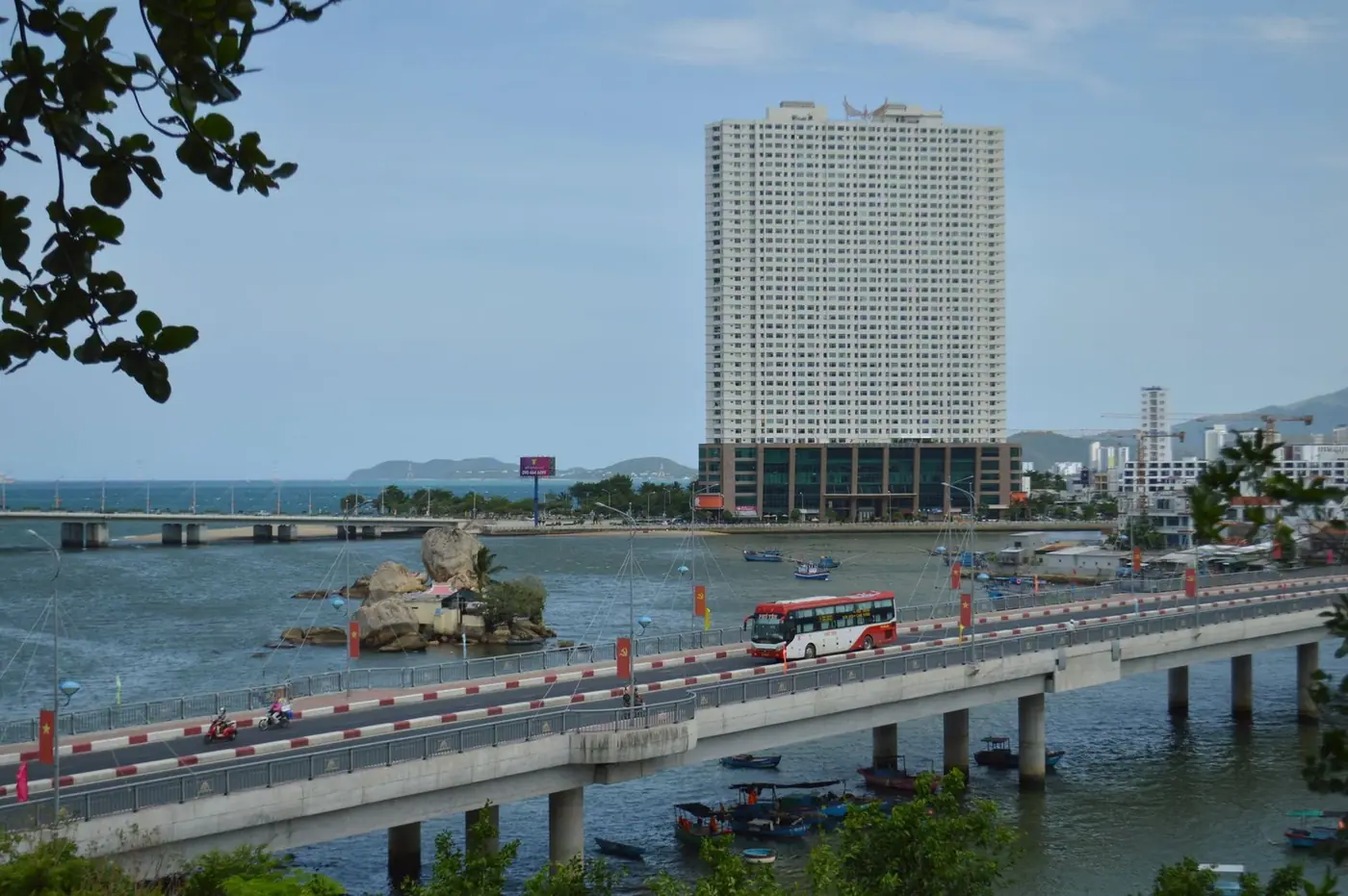
The Hanoi to Da Nang sleeper bus takes about 16-18 hours to cover roughly 790 km. That’s longer than flying (1h20m) or most trains on the same route, and it’s the slowest way to make the trip - but for a lot of backpackers, it’s still the right call.
I’ve done this route by bus twice, once as a first-timer with zero idea what to expect. Here’s what actually happens, not the polished version.
How Long the Hanoi to Da Nang Bus Actually Takes
A sleeper bus from Hanoi to Da Nang runs 16-18 hours depending on traffic, driver stops, and how many detours the company squeezes in for parcel drop-offs. Buses usually leave Hanoi in the evening from Nuoc Ngam station on the south side of the city, and arrive in Da Nang the next morning or early afternoon.

That’s roughly the same duration as the Reunification Express train (15-18h) and far longer than a 1h20m flight. Price for the bus usually lands around $20-45 one-way, though the exact number depends on the operator and whether you book a standard bunk or a VIP cabin - check the final price when you book on 12Go Asia or Vexere, since blog estimates are never exact.
Sleeper Bus vs Flight vs Train: What Makes Sense for This Route
If your budget is under $50 and you don’t mind losing a travel day, the bus wins - you save a night of accommodation and get to see the Hai Van Pass coastline along the way, which the train also shows but the flight skips entirely.
If your time matters more than the money, fly. A 1h20m flight for $30-60 beats 16+ hours on a bunk bed every time, especially if you’re only in Vietnam for two or three weeks total.
Step-by-Step: Booking and Boarding the Overnight Bus
- Book through 12Go Asia or directly with a Hanoi hostel - most hostels in the Old Quarter arrange sleeper bus tickets for guests and can flag reliable operators.
- Confirm your pickup point the night before - some tickets include a hostel pickup, others require you to get yourself to Nuoc Ngam station.
- Arrive 20-30 minutes early. Vietnamese sleeper buses don’t wait for latecomers the way flights sometimes do.
- Take your shoes off before boarding and put them in the plastic bag the driver hands you.
- Let the attendant assign your actual bunk - it may not match the seat number on your ticket, and that’s normal, not a scam.
- Keep your passport, phone, and cash with you in the bunk. Your main backpack goes in the luggage hold underneath.
- Expect 2-3 rest stops of 15-30 minutes each for food, a toilet break, and stretching your legs.

What to Pack for a 16-Hour Ride
Air conditioning on Vietnamese sleeper buses runs cold no matter what the temperature outside is - I’ve boarded in 35°C heat and still needed a hoodie within the first hour. If you’re hauling more than a backpack, check how much baggage a sleeper bus takes before you book. Bring:

- A hoodie or light jacket, even in summer
- Socks - bunks get genuinely cold overnight
- Earplugs - the horn gets used constantly, and that’s communication, not aggression
- Small cash for toilet stops (some cost around 5,000 VND)
- A power bank, since outlets aren’t guaranteed at every seat
Choosing Between a Standard Bunk and a VIP Cabin
A standard sleeper bunk gives you three rows of beds, minimal privacy, and a bed that’s roughly 1.7-1.8m long - workable if you’re under 5'6", tight if you’re taller. For a route this long, I usually recommend paying extra for a VIP cabin: two rows instead of three, a curtain, and a wider bed that actually fits taller travelers.

If you’re over 6ft, book VIP. Sixteen hours folded into a standard bunk is a rough way to arrive in a new city.
Where the Bus Actually Drops You Off in Da Nang
Most Hanoi-Da Nang sleeper buses drop passengers somewhere near the city center rather than at a fixed official terminal, and the exact spot depends on the operator - don’t assume it’ll be walking distance to your hotel (if you haven’t booked yet, pick your Da Nang area by trip length first). If you’re continuing on to Hoi An or Hue afterward, the connecting bus routes run separately and cost far less than the overnight leg - I’ve broken down Da Nang to Hue pricing here.
If your visa runs out while you’re mid-trip, that’s a separate headache from the bus itself, but it hits at the worst possible time - usually while you’re already exhausted from travel. I usually handle that part directly: paying the e‑visa fee with a card evisa.gov.vn actually accepts and double-checking the entry point before it becomes a problem at immigration.
Bus or Flight: How to Decide
Take the bus if you want to see the coastline, you’re on a tight budget, and losing a travel day doesn’t wreck your itinerary. Take the flight if you’ve got limited time in Vietnam or you’re not up for a bunk bed on winding mountain roads for 16 hours straight.
Either way, once you land in Da Nang the visa clock keeps running - if you’d rather not chase down a payment method the portal accepts, message me on WhatsApp and I’ll walk you through it the same day.