
Is Xanh SM cheaper than Grab? Yes, most of the time — but Grab, Xanh SM, and Be are the three ride-hailing apps you’ll actually use in Vietnam in 2026. Grab is still the safest default for foreigners - full English support, international card payments, nationwide coverage. Xanh SM undercuts Grab on price with an all-electric fleet, but its app is only partly translated and foreign cards don’t work in it yet. Be is the cheapest on paper, but coverage and English support are inconsistent enough that you should treat it as a backup, not your first install.
I’ve lived in Da Nang for over a decade and run visa-run transfers for expats and tourists across Central Vietnam. I use all three apps most days for the last mile - this isn’t a spreadsheet comparison, it’s what I actually reach for when I need a ride.
Grab vs Xanh SM vs Be at a Glance
| Grab | Xanh SM | Be | |
|---|---|---|---|
| Launched in Vietnam | 2014 | 2023 (Da Nang since June 2023) | 2018 |
| Fleet | Gasoline motorbikes & cars | 100% electric VinFast EVs | Gasoline motorbikes & cars |
| English app support | Full | Partial | Unverified |
| Foreign card payment | Yes (Visa/Mastercard/Amex/JCB) | No - Vietnam-issued cards only; cash works | Unverified |
| Coverage | Nationwide, incl. Da Nang | 30+ provinces, incl. Da Nang | Multiple cities, incl. Da Nang |
| Vietnam ride-hailing market share (GMV, Q4 2025) | 42.64% | 51.5% | 5.86% |

Grab in Vietnam: The Established All-Rounder
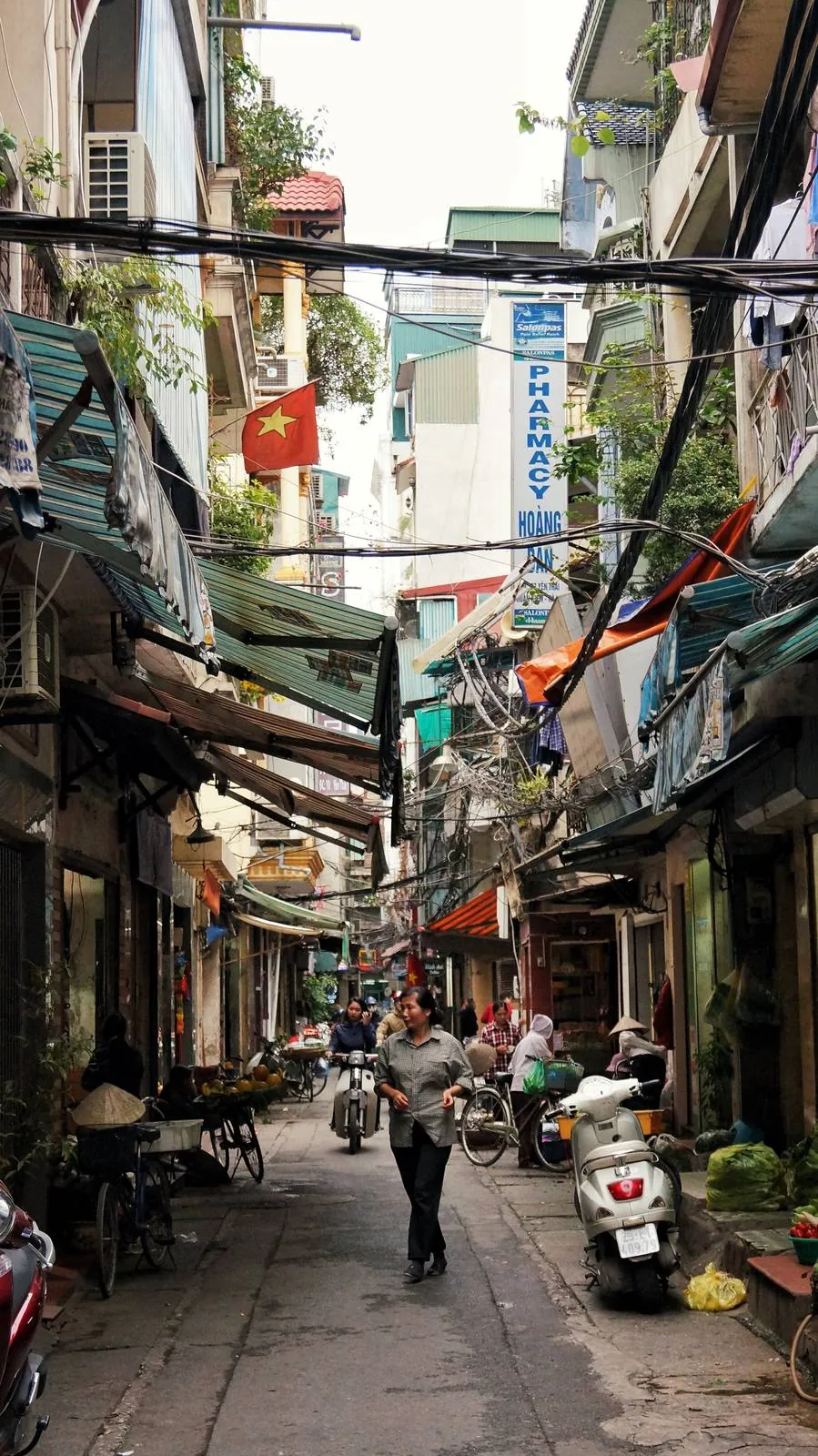
Grab is still the safest first install for anyone new to Vietnam. It works with a foreign phone number, takes international Visa, Mastercard, Amex, and JCB cards, and the whole app is in English. Grab pulled in $255 million in Vietnam in 2025 - its fifth-largest market worldwide - and covers every city you’re likely to visit, including Da Nang, Hoi An day trips, Hanoi, and Ho Chi Minh City.
The catch: Grab lost its long-held #1 spot to Xanh SM in Q4 2025, the first time that’s happened since Grab entered the country in 2014. Fares can run higher during peak hours and heavy rain, and the GrabFood/GrabMart/GrabPay ecosystem bolted onto the ride-hailing core makes the app feel cluttered if all you want is a bike or a car.
Pros: full English out of the box, works for tourists with zero local setup, nationwide reach, a decade of driver-rating history you can actually trust. Cons: not always the cheapest option anymore, gasoline-only fleet, surge pricing bites hard in bad weather.
Xanh SM: Vietnam’s Electric Ride-Hailing Leader
Xanh SM, VinFast’s ride-hailing brand, overtook Grab in Q4 2025 with 51.5% of Vietnam’s ride-hailing market by GMV against Grab’s 42.64%. Every car is electric - VF 5 Plus and VF e34 for standard rides, the VF 8 for the premium tier - and the service has expanded to 30-plus provinces since it started in Da Nang in June 2023.
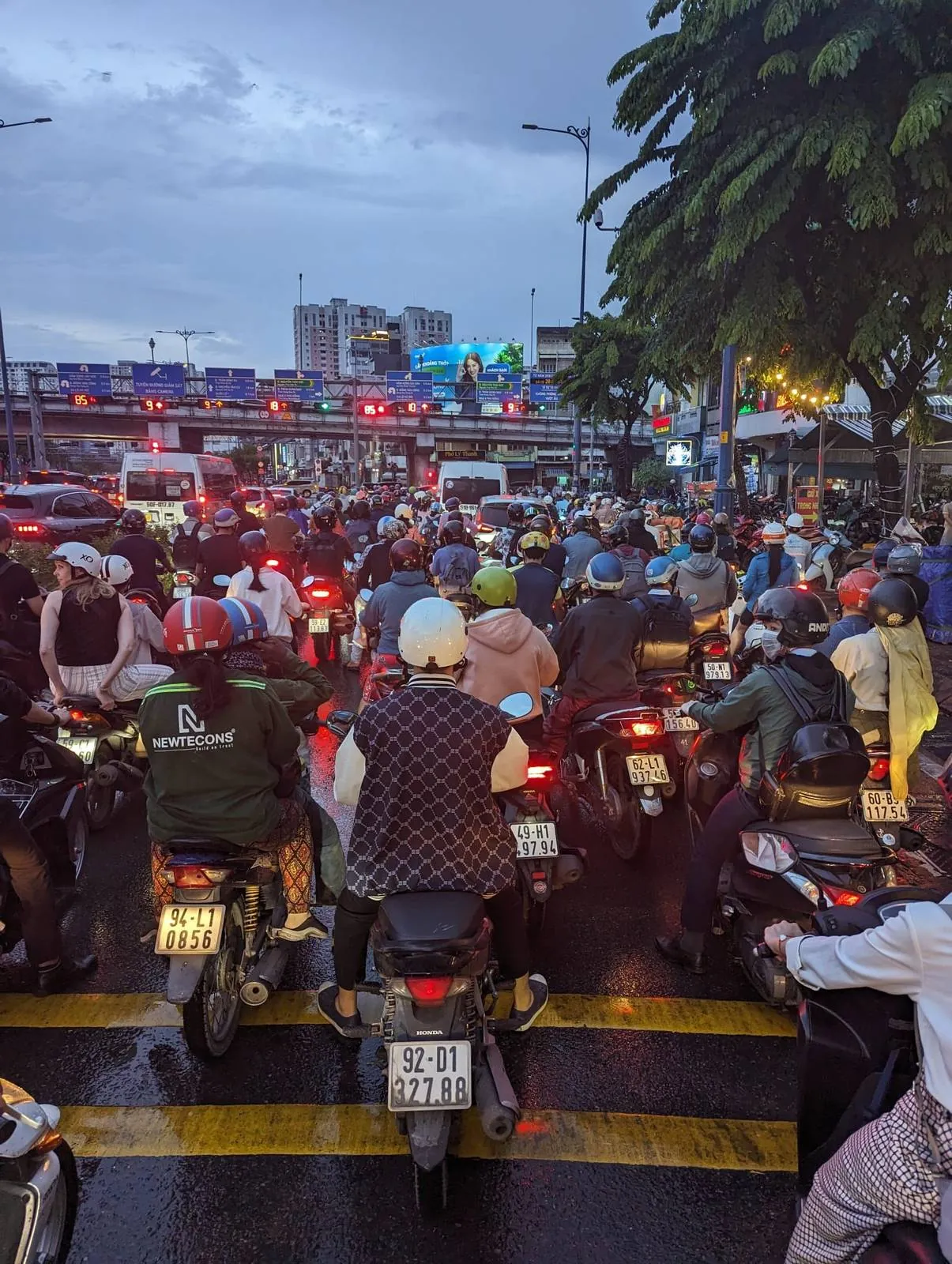
The gap: the app is only partly translated into English, so menus and driver messages can be confusing if you don’t read Vietnamese. More importantly for foreigners, in-app card payment currently only accepts cards issued inside Vietnam. Cash at the end of the ride works fine, so it isn’t a dealbreaker - just budget for paying cash unless you hold a Vietnamese bank card.
Pros: often cheaper on shorter routes, quiet new EVs, backed by Vingroup with capital raised to roughly $1.35 billion in February 2026. Cons: partial English interface, no foreign-card payment yet, and some riders report longer waits and cancelled bookings compared with Grab.
Be: The Vietnamese-Owned Budget Option
Be is Vietnam’s largest domestically-owned ride-hailing app, launched in Ho Chi Minh City in 2018, running gasoline motorbikes and cars in multiple cities including Da Nang. It’s positioned as the budget pick and even resells Xanh SM’s electric cars inside its own app through a feature called beVinFast - one app, two fleets.

What we can’t verify: the quality of Be’s English interface. We couldn’t find a single reliable source confirming how well it’s translated, so budget extra patience if you don’t read Vietnamese and lean on the map-pin function to set your destination. Market-share figures for Be also conflict wildly between sources - anywhere from roughly 6% to 25% depending on whether you’re counting ride GMV or a usage survey - so don’t repeat any single number as settled fact.
Pros: usually the cheapest on paper, a driver network Be says tops 100,000 partners, one app for both gas and electric rides. Cons: unclear English support, patchier coverage outside major cities, harder to judge service quality as a first-time visitor.
Which App Is Cheapest in Vietnam?
There’s no single cheapest app across the board in 2026 - fares shift by route, time of day, and weather, and no independent index tracks all three consistently. Xanh SM and Be both position themselves as cheaper than Grab, but Xanh SM’s fares can match or beat Grab’s during peak hours or rain, and the historical Grab-Be price gap has narrowed since 2024.
The practical move: open all three apps before booking anything longer than a short hop - a 10-15% fare swing between them on the same route is common. For longer point-to-point trips, none of the three is built for the distance; that’s a different category of transport, covered below.
How Do You Choose Between Grab, Xanh SM, and Be?
Pick based on three things: whether you read Vietnamese, whether your card is foreign-issued, and how far you’re going. Grab wins on English support and card payments. Xanh SM wins on price and ride comfort if you’re happy paying cash. Be wins on price if you don’t mind a partly-Vietnamese interface and patchier coverage.
None of these three apps will take you across a border or reliably book a multi-hour intercity run - this is where I usually get involved. I run scheduled sleeper-bus and private transfers between Da Nang, Hoi An, Hue, and the Laos border, and handle the e-visa paperwork before you land, paid on a card that the government portal actually accepts. If a ride-hailing app can’t cover the distance you need, message me on Telegram and I’ll sort the transfer and the visa side in one thread.
If you’re already looking at a border run or a longer transfer between cities, that logistics side is what I do full time. Book straight from danangvisarun.com, message me on Telegram with your dates. Either way I’ll walk you through the transfer and the e-visa together, no separate errands.
Frequently asked questions
Is Grab available in Da Nang? Yes. Grab has run in Da Nang for years, alongside Hanoi, Ho Chi Minh City, Hue, and Hai Phong, and Da Nang was one of the earlier cities where local authorities and Grab set up formal cooperation on ride-hailing rules.
Do I need a Vietnamese bank account for any of these apps? No. Grab works with a foreign phone number and international cards straight out of the box. Xanh SM and Be both take cash, so a Vietnamese bank account is never a hard requirement - it only unlocks in-app card payment on Xanh SM.
Is Xanh SM actually electric, and does the EV fleet matter day to day? Yes - every Xanh SM car is a VinFast EV (VF 5 Plus, VF e34, or the VF 8). In practice that means quieter, newer cars, though the fleet is younger and smaller than Grab’s petrol fleet since VinFast only started building it in 2023.
Which app has the best safety record? Independent data here is thin. Xanh SM has picked up complaints about cancelled bookings and long waits in review aggregators; Grab’s decade in Vietnam gives it the longest track record of the three. None of the three publish a public safety scorecard.
Can tourists use Xanh SM or Be without speaking Vietnamese? It’s harder than with Grab. Xanh SM’s app is only partly translated into English, and we couldn’t confirm Be’s English support at all - pointing at your destination on the in-app map works as a fallback with either one.