A deposit of one to two months’ rent, roughly 6 to 12 million dong ($230 to $460) on a 6 million dong studio, comes back in Vietnam only if your lease allows the deductions and your move-in photos prove the condition of the flat. The law sets no cap and no list of deductions, so the contract does the work.
The flat is the part you control. The visa side of a long stay can be handed off too, and I come back to it near the end.
How Much Deposit Do Landlords Ask For?
Expat guides commonly cite one month’s rent for an apartment and two for a condo, and a house can run to three. Nothing in the Civil Code 2015 or the Housing Law 2023 (in force since August 2024) caps the amount. It is negotiable, so negotiate it: the lower the sum, the less you have to fight for later.
Before you pay, check that the lease states five things: the exact amount in dong, what the deposit covers, the cases where the landlord may keep part of it, how many days after you leave it must be returned, and how it was paid. I always ask for a signed receipt on the day, whether I pay by bank transfer or in cash.
What Can a Landlord Deduct From Your Deposit?
A landlord can deduct only what the lease allows, because Vietnamese law gives no detailed list of permitted deductions. Faded paint, floors worn by ordinary living and damage that was there when you arrived are not your bill. Nobody defines “normal wear” for you, which is why the lease and your photos matter more than any statute.
| Item | Can the landlord deduct it? | What proves your side |
|---|---|---|
| Unpaid rent | Yes | Transfer records and receipts |
| Damage you caused | Yes, beyond normal wear | Move-in photos and the signed report |
| Cleaning | Yes, if the flat is not handed back as found | Dated photos after you clean |
| Unpaid utilities | Yes | Final meter photos and paid bills |
| Faded paint, worn floors | No | The lease wording and move-in photos |
| Damage already there | No | The signed move-in report |
Electricity is the deduction that surprises people most. The state tariff starts at about 1,984 dong per kWh, but landlords commonly bill a flat 3,500 to 4,500 dong, and a month of air conditioning makes the gap visible. Write the rate into the lease. I go through the rest of the move-in costs in where to stay in Vietnam for a month.
One thing not to wave at your landlord: Article 328 of the Civil Code makes a landlord who backs out of the deal return the deposit plus an equal amount. That rule covers pulling out of the contract, so it will not help you argue over a cleaning fee at move-out.
How Do You Protect the Deposit on Move-In Day?
Document the flat before you unpack, and make sure the landlord signs what you documented. A dated handover report with photos is the only evidence that settles an argument about damage later.
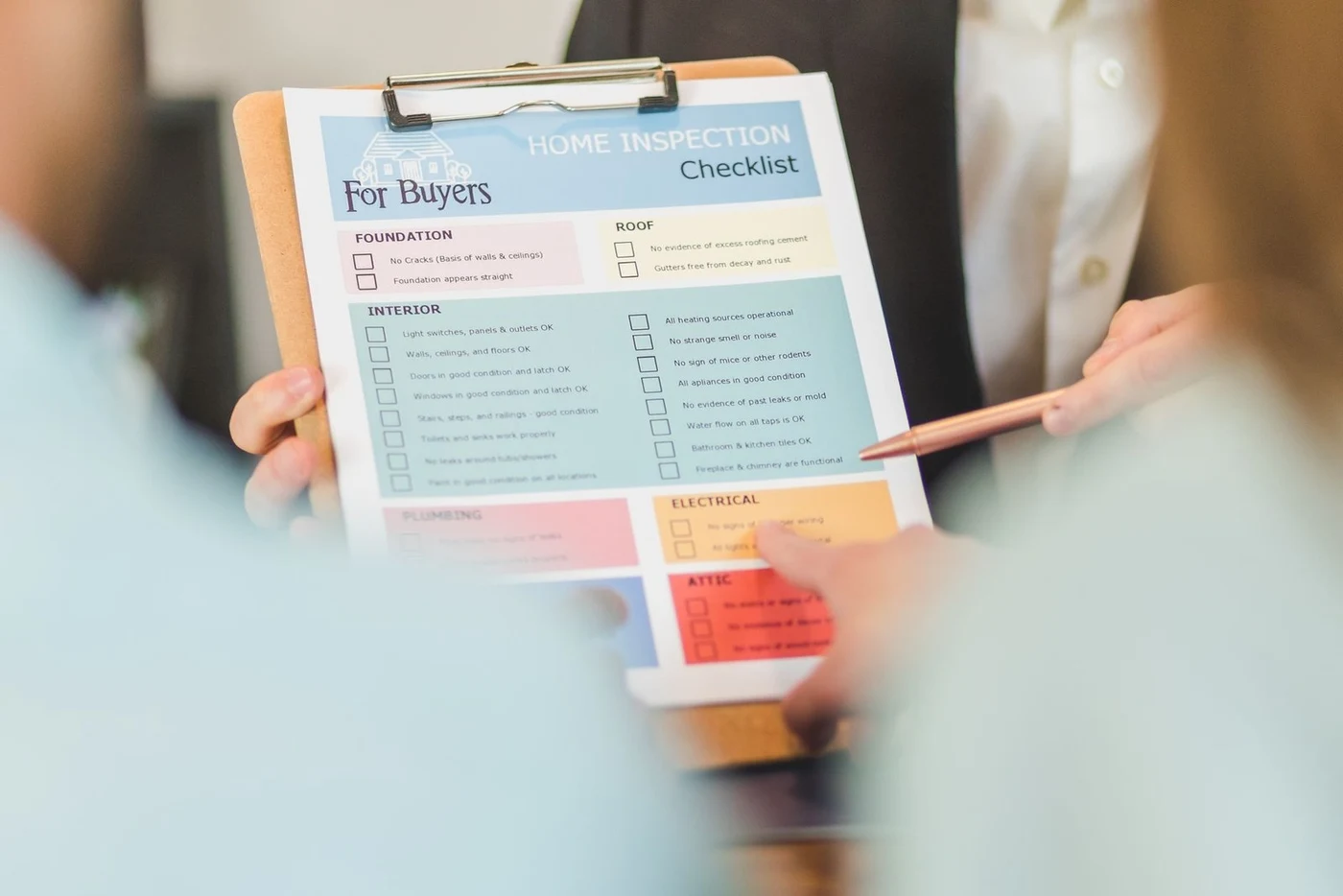
My move-in routine takes about 30 minutes:
- Photograph and film every room, including the inside of cupboards, the bathroom and the balcony.
- Close up any existing stain, crack or broken fitting, with the date visible on the phone.
- Photograph the electricity and water meters with the readings.
- Test the air conditioner, water heater, shower and sockets, and write down what does not work.
- Send the photos to the landlord in a chat message the same day, so the time stamp is on both phones.
I care most about the meter photos, because a utility dispute comes with a number that either side can check. If you are still choosing a place, how to find a flat through an agent or Facebook groups covers the search itself.
How Do You Get the Deposit Back, Step by Step?
Give written notice, return the flat clean, walk through it with the landlord and collect the money against a signed receipt. Done in this order, most deposits come back without a fight.

- Read the lease for the notice period and send your notice in writing, by chat message or email. If the lease is silent, 30 days is the figure commonly expected.
- Clean the flat properly, then take new photos and a video of every room plus final meter readings.
- Walk through with the landlord and compare the flat with your move-in report, item by item.
- Pay your last electricity, water and internet bills, and ask for any claimed deduction in writing with a receipt or quote.
- Take the balance by bank transfer, or in cash against a signed receipt, and hand over the keys only when the money is in your hand.
If you leave before the lease ends, expect to lose some or all of the deposit, since an early exit is a breach in most contracts. That is the case to plan around, and it connects to your visa.
What If the Landlord Will Not Return It?
Put the claim in writing with your evidence, then escalate in steps: direct negotiation by message, a mediation committee at ward level, arbitration if your lease contains an arbitration clause, and finally the People’s Court. For a deposit of a few hundred dollars a court case rarely pays for the time, so I stop at the ward committee, the cheapest rung.
Why Does Your Visa Matter for the Deposit?
A lease can outlast your permission to stay, and when it does you leave early and the deposit goes with you. A 12-month lease says nothing about how long you may remain in the country, and an e‑visa runs up to 90 days.
You can file the e‑visa yourself on the official portal, evisa.gov.vn, but some foreign cards are declined at payment and a wrong entry point costs days. If you would rather not carry that risk, I file it end to end through BestBus Vietnam, pay the fee with our own card, and refile for free with a refund if it is refused: ask me on WhatsApp and I will check your dates against your lease.
Which Habits Save the Deposit?
A lease with every number in dong, a signed move-in report, a clean flat and a written trail. I would not sign a lease longer than the permission I can show.
Count the days on your visa against the months on the lease before you pay anything. You can sort the visa out yourself on evisa.gov.vn, and if you want a second pair of eyes, send me your planned dates and I will tell you which visa fits.
Frequently asked questions
Can I count the deposit as my last month's rent?
Only if the lease says so. Landlords usually refuse, and withholding rent on your own can turn a deposit refund into a breach claim against you, so agree it in writing first.
What if the flat is sold and the new owner ignores my deposit?
Your lease and receipt are the proof that the deposit exists, so keep both, and ask the old landlord to confirm in writing that the money was handed to the buyer. Without that paper, the claim goes against the person who took the money.
The landlord wants me to pay for a repair without a receipt. Do I have to?
Ask for the receipt or a written quote from the repairer, and compare the item with your move-in photos. A deduction you cannot see in the signed report or the invoice is a claim, not a bill.