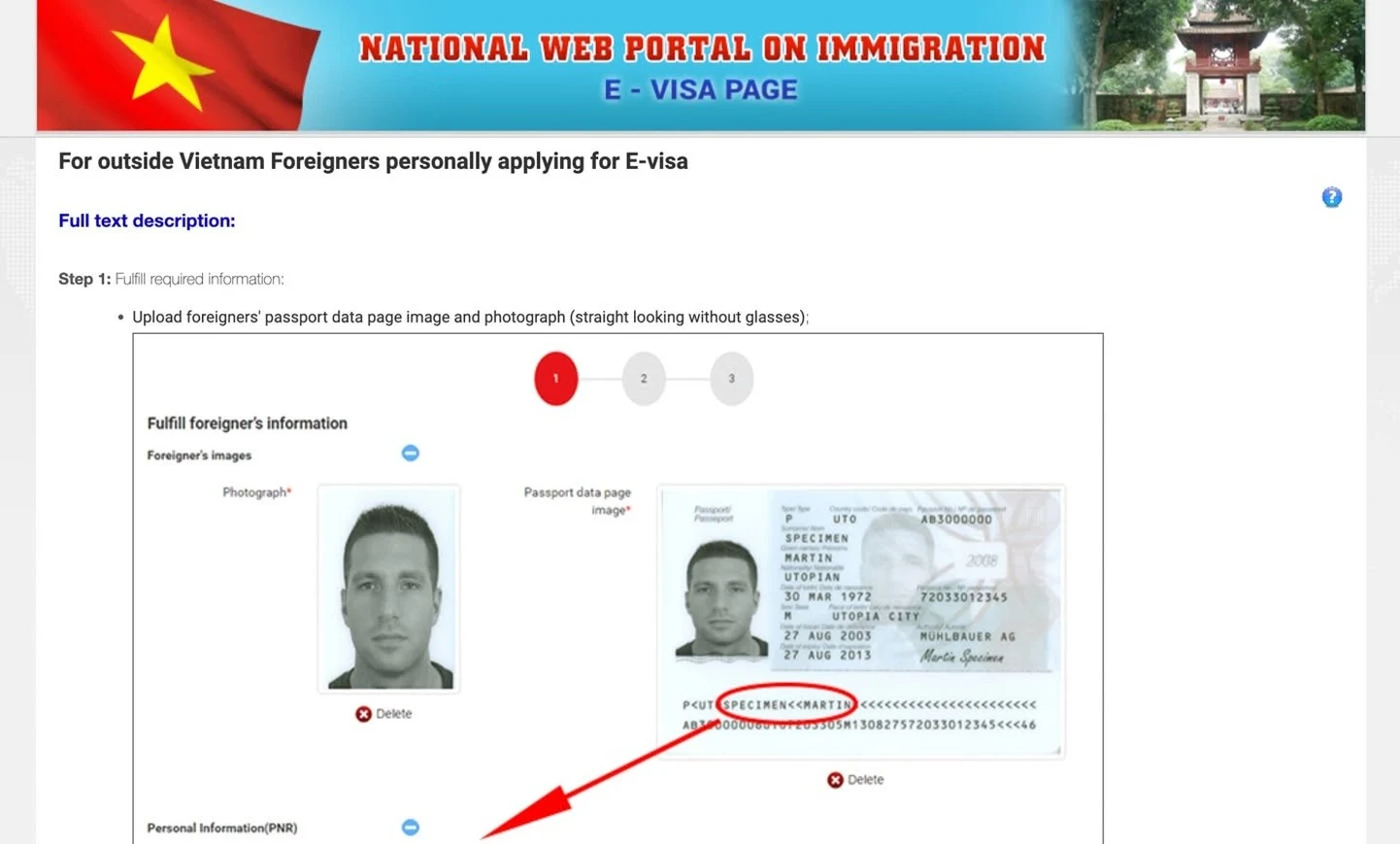
Vietnam treats you as a tax resident once you’ve spent 183 days in the country in a calendar year, or 183 days in any 12 consecutive months from your first arrival - cross that line and your freelance income is technically taxable here, not just back home. I’ve watched several long-stay friends in Da Nang get this wrong, so here’s the framework that actually matters.
Your entry-exit stamps already tell you exactly where you stand on that count, months before the date actually matters.
Who actually counts as a Vietnam tax resident
The 183-day rule runs two ways: total days in a calendar year, or any 12-month window starting from your first entry. The second version catches people who arrive in October - you can hit 183 days by April, long before December 31.
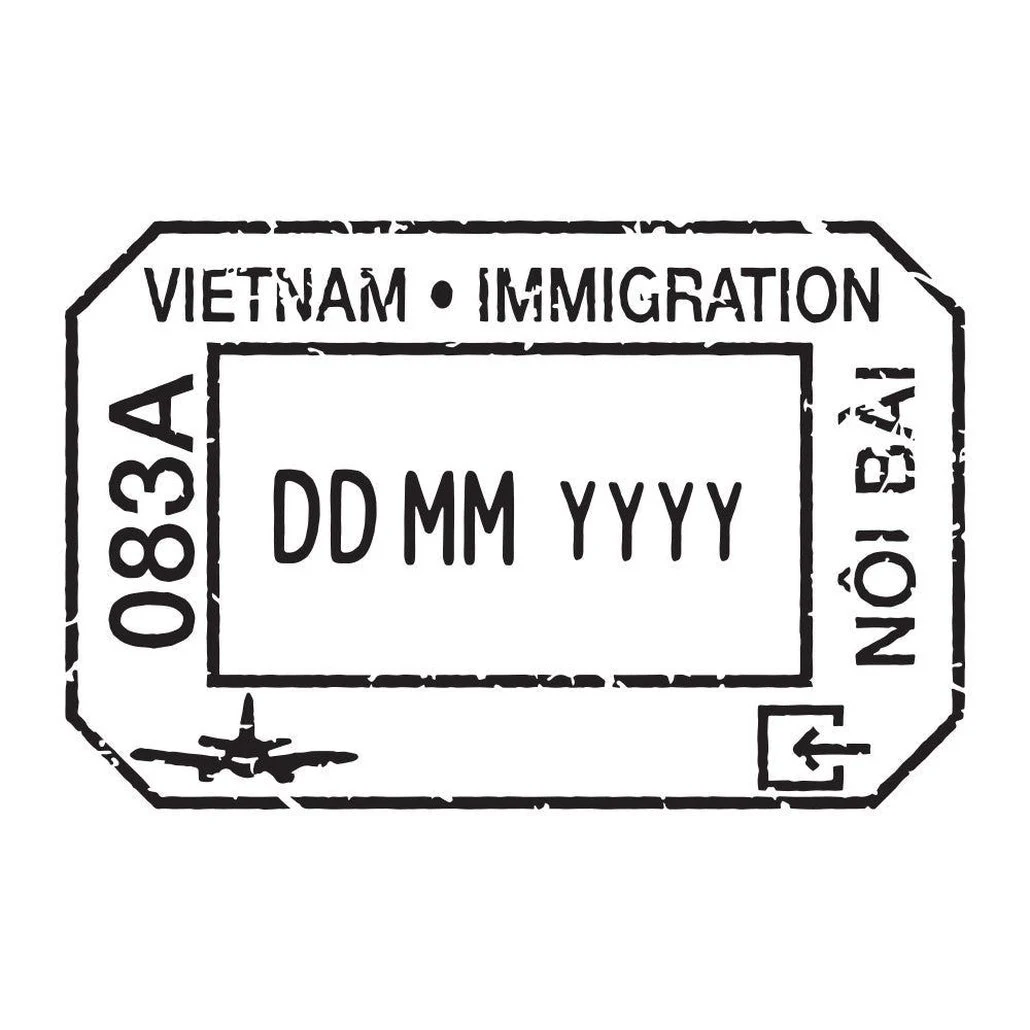
The counter runs on physical presence, not visa type. A tourist on visa exemption, someone on a 90-day e‑visa, and a TRC holder are all counted the same way. Stay under 183 days and Vietnam’s tax authority has no claim on your freelance income, wherever it’s registered.
What residency means for your home-country business
Your business registration abroad doesn’t disappear the moment you cross 183 days - it’s still valid wherever you set it up. What changes is that Vietnam, as a resident-status matter, can technically claim tax on income earned while you’re a resident here, separate from whatever you already pay at home.

Most freelancers I know keep paying their home-country tax exactly as before and just track their days to avoid crossing 183 where it matters for their situation. This is where people get stuck: figuring out what’s actually required versus what’s just risk-averse caution needs a local accountant, not a forum thread - the penalty for guessing wrong costs more than the consultation.
This is usually where I come in on the visa side of things - not the tax filing itself, but making sure your legal status in the country matches whatever timeline you and your accountant decide on. Message me on WhatsApp and I’ll help you work out how many days you have left before residency kicks in, and what that means for your visa.
Step-by-step: figuring out your status before it becomes a problem
This part doesn’t need a lawyer to start — the first steps are just counting stamps, and an accountant only gets involved once you have an actual number.
- Count your total days physically present in Vietnam this calendar year using your passport entry-exit stamps.
- Check the second scenario: would you hit 183 days in any 12-month window starting from your most recent entry.
- If you’re approaching the threshold, find a local accountant now - agencies in Da Nang and Ho Chi Minh City handle foreign freelancers on a retainer basis.
- Ask your accountant whether you need a Vietnamese tax code (mã số thuế) registered in your specific situation.
- Sort out your visa status for the length of stay you’re actually planning - residency and legal presence run on separate tracks, but they usually need to line up.
Avoiding double taxation
Vietnam and many home countries have double-taxation agreements that exist precisely to stop you paying twice on the same income. The exact credit mechanism depends on your income type, your home country, and how your business is structured there - so there’s no single percentage that applies to everyone, and I won’t pretend there is.

What’s true across the board: staying quiet and hoping it doesn’t come up isn’t a strategy. Undeclared resident income doesn’t disappear - it resurfaces at visa renewal, bank account opening, or a routine check, usually at the worst possible time.
What to actually do about it
If you’re doing 2-3 month stints and reliably staying under 183 days, Vietnam’s resident tax rules barely touch you - keep doing what you’re doing. If you’ve settled into Da Nang or Ho Chi Minh City full-time and you can see 183 days coming this year, putting off the accountant conversation costs more the longer you wait.

While you’re sorting out the accounting, your visa clock keeps running regardless - if your current visa is close to expiring and you don’t want to deal with a border run yourself, I handle the whole thing from Da Nang, pickup to return, same day. Message me your travel dates and I’ll tell you which visa option fits how long you’re actually staying.