The paperwork for a dog is the easy half of the trip. The half that goes wrong is airport day itself: the order you queue in, when you hand the crate over, and what you carry to open it at the other end.
This guide is only about the day of the flight and the first two days after landing. The document checklist lives in our pet import rules, and the costs are in the dog moving breakdown.
Before you even book the seat
You can’t buy a ticket for a pet through a normal checkout. The airline has to know a dog is flying, so someone has to call. One Russian owner who flew her dog to Nha Trang phoned the airline’s Moscow office, then had the ticket issued with a note about non-standard cargo. Whatever route you take, get the pet policy and the weight limit confirmed before you pay.
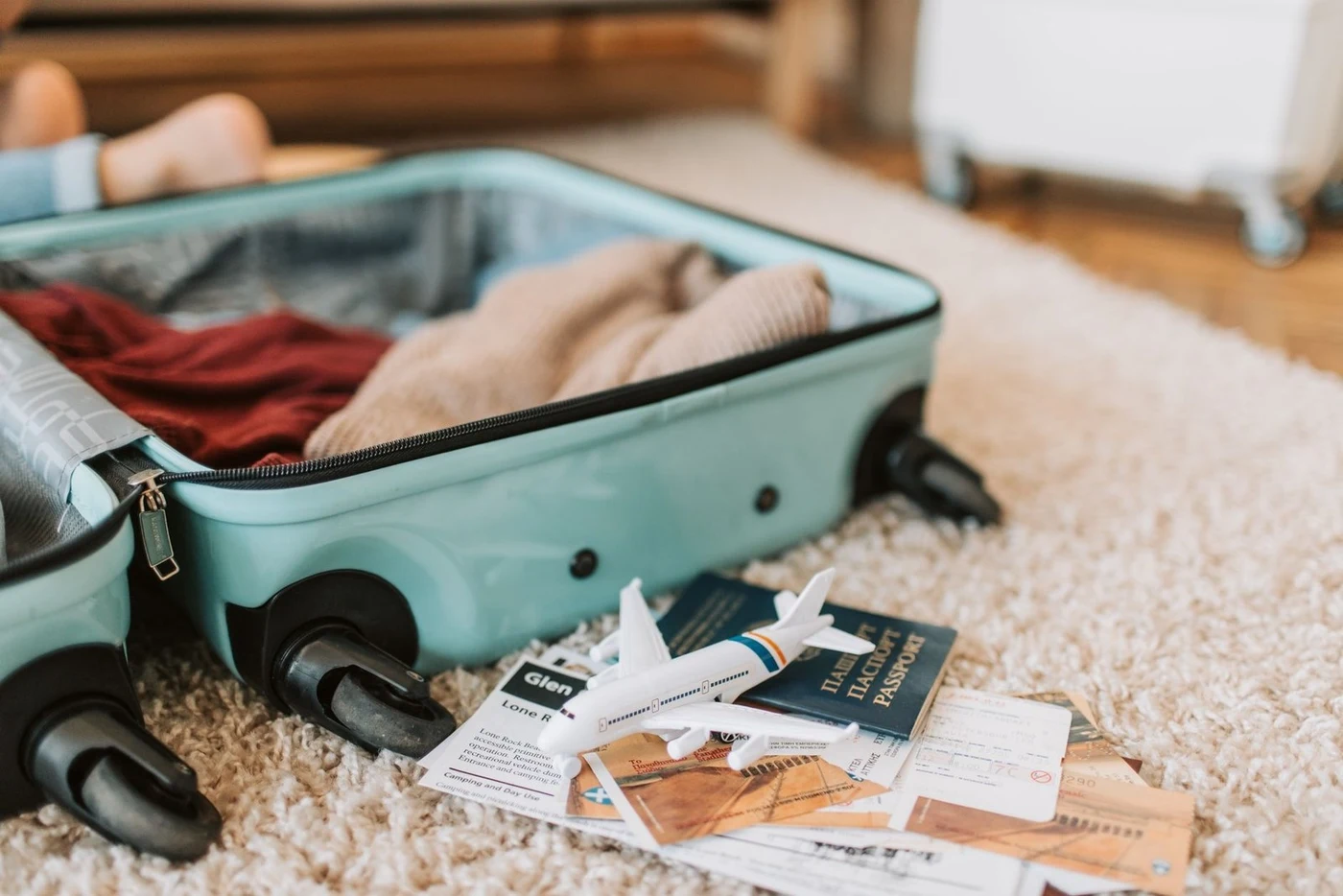
Pick a nonstop flight if there is one. A connection means a second carrier with its own pet rules, and you find out about them at the transfer gate.
Weight decides where your dog sits
Small pets, roughly 5 to 8 kg depending on the airline, can ride under the seat in a carrier. Vietnam Airlines counts the animal and the carrier together, so a dog that qualifies on its own can miss the cutoff once the carrier is weighed.
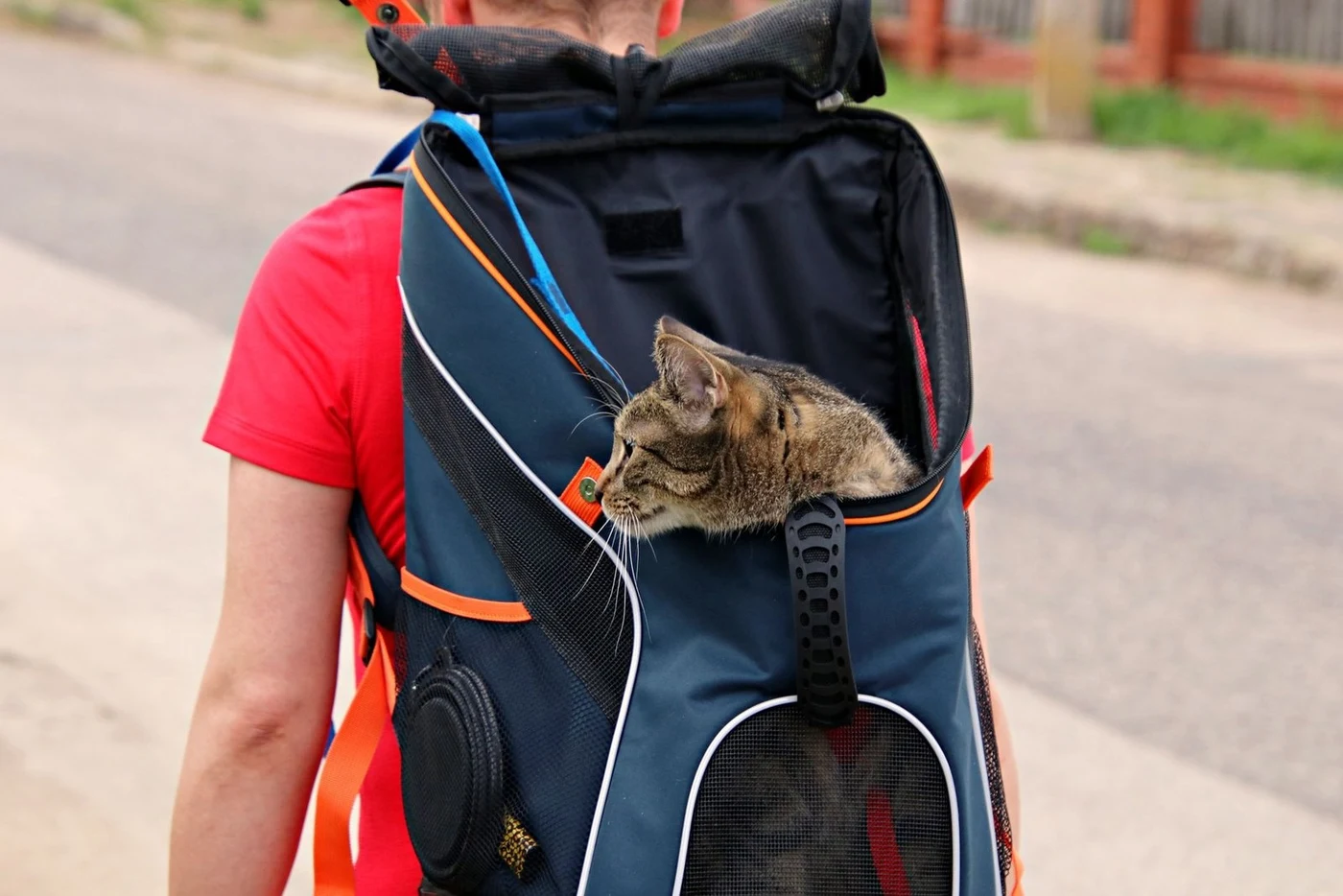
Anything heavier goes in the hold, in a rigid crate built for air travel. A 16 kg dog in a 4 kg crate fell into the “up to 32 kg” band in the case we’re drawing on, and the fare followed the combined weight. The crate has to be roomy enough that the dog isn’t cramped or sliding around, and it needs a water bowl attached.
The airport, in order
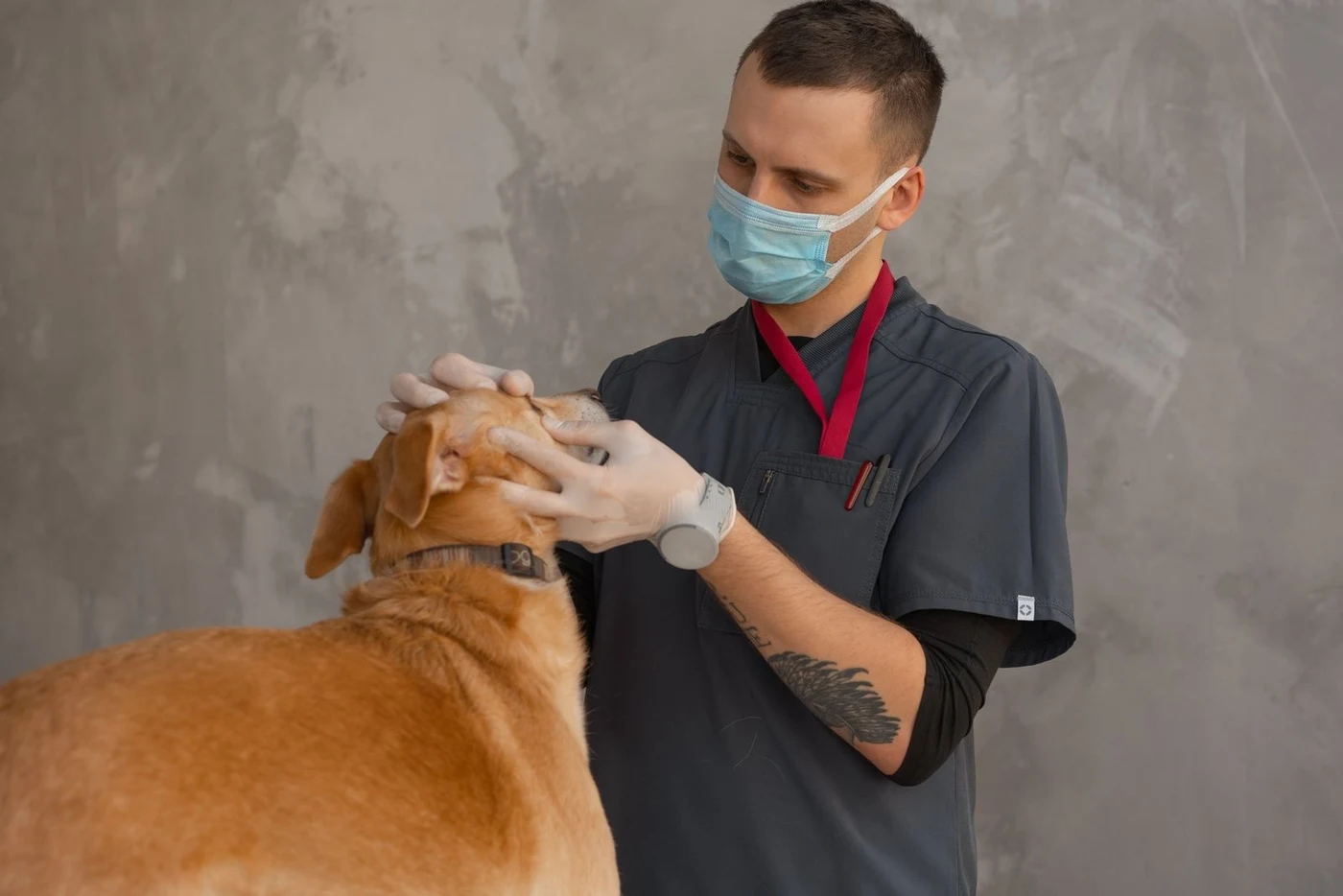
Arrive early. The dog goes to veterinary control first, and only then to check-in. Ask to hand the crate over last, about an hour before departure, so the dog spends as little time boxed as possible.
The crate gets sealed with plastic zip ties at the departure airport. Put a small knife or a pair of clippers in your carry-on. Otherwise you’ll be standing at the oversize belt in Vietnam trying to tear plastic with your hands while the dog waits.
What to expect on the ground
At the Vietnam end, don’t look for the dog on the regular belt. It comes out through the oversize baggage area, separately from your suitcases. In the account we’re drawing on, the dog came out alert and in good shape after the flight.
The first 48 hours
Plan the first two nights before you land. Big dogs are rarely welcome in Vietnamese apartment blocks, and many cafes and shops don’t let dogs in, so check the building’s pet policy in writing before you pay a deposit.
Keep the vaccination booklet and health certificate within reach for the first days: landlords and vets often ask for them. If you’re still choosing where to base yourself, the Da Nang relocation checklist covers what to sort in week one.
When someone’s flying with a pet, the trouble is usually the calendar: the visa, the vaccination window and the flight date all have to line up. That’s the part I handle, so nobody finds out at the airport that one date is a week off. Send me your flight date and how many weeks you have left on WhatsApp.