
Your first week in Vietnam after an emergency move from Russia comes down to five things: get mobile data within the first hour, book 3-7 nights of short-term housing before you fly, plan a card-free way to reach cash, understand that a real bank account waits for a TRC, and get your address declared to the local police within about a day of arrival. I moved to Da Nang myself and have walked several people through exactly this sequence since 2023 - here’s what actually works in 2026, not the theory.
If you’ve already read my step-by-step emergency relocation guide, this picks up where that one stops: you’ve landed, your 45-day exemption or e-visa is stamped, and now you have seven days to turn “I’m here” into “I’m functioning.”
How Do You Get Mobile Data as Soon as You Land in Vietnam?
Buy an eSIM before you board if your phone supports it - Airalo runs about $4 for 1GB and $8 for 3GB, Saily charges around $3.99 for 1GB over 7 days, both activate the moment you land with zero paperwork. It buys you a working connection for the taxi ride and the first booking confirmations.
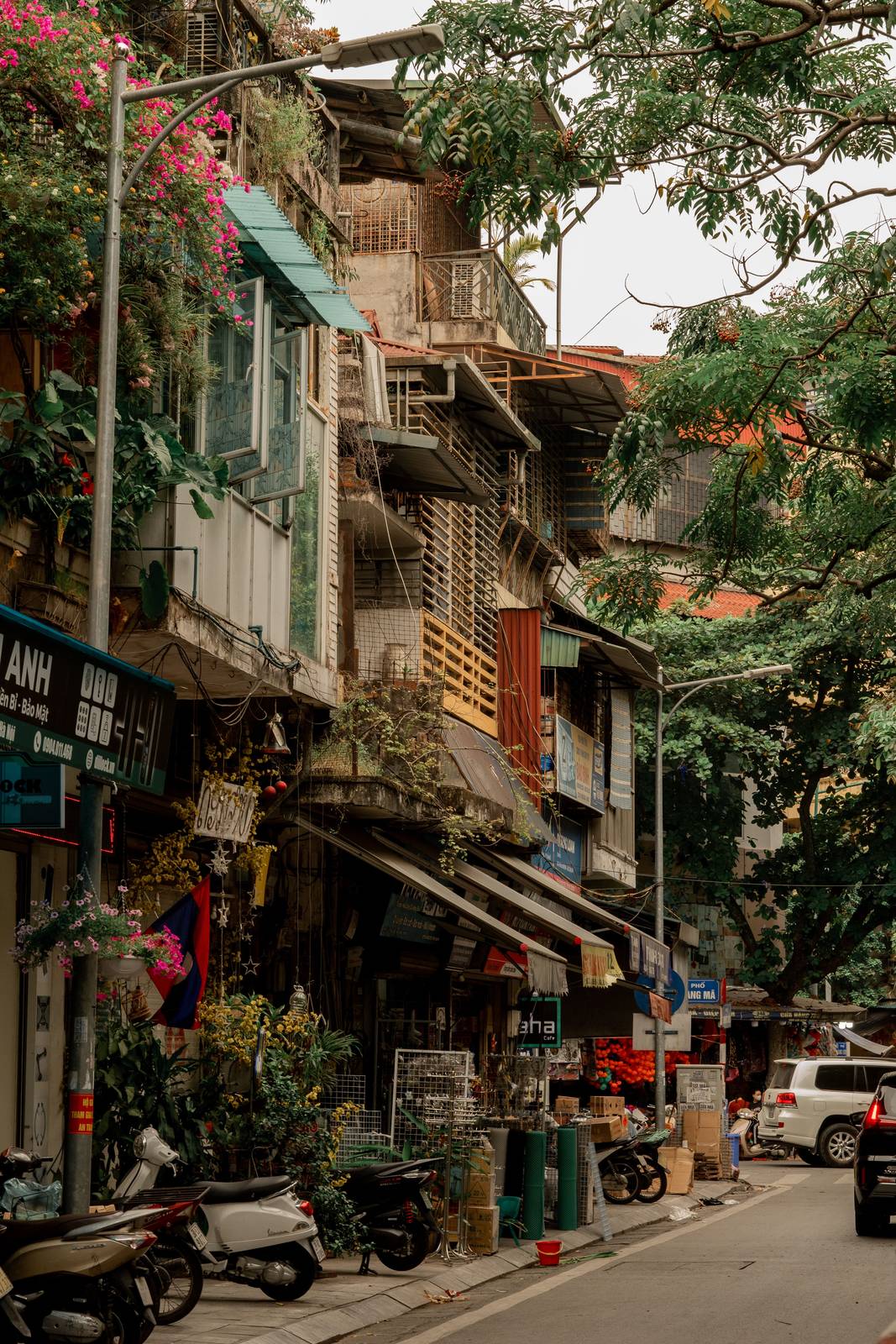
Once you’re settled, switch to a local physical SIM from Viettel, Vinaphone or Mobifone - a 7-30 day data package runs 60,000-250,000 VND (roughly $2.50-8), and all you need is your passport, no visa type required. Buy it from a carrier store in the city rather than the airport counter: airport SIM kiosks routinely charge 30-50% more for the identical package. Viettel has the widest coverage outside the big cities if you expect to travel around Central Vietnam.
Where Do You Stay for the First Week Without a Vietnamese Bank Account?
Book through a platform that takes a card you already have, then negotiate cash for anything beyond that. Airbnb requires a card on file for every booking under its own terms of service - there’s no pay-on-arrival option there. Booking.com has some cash-payable listings, but its cheapest non-refundable rates still need a card up front, so check the fine print per listing rather than assuming.

A basic 3-month-lease studio in Da Nang runs around 7-8M VND a month locally, a 1BR closer to 10M+ VND, but foreigner-facing listings in beachside areas like An Thuong or My An often quote close to double that for the same unit - so a short-term booking site rate is not the neighborhood’s real price. Treat week one as a scouting base, not your final address, and negotiate a longer local-rate lease once you can see apartments in person.
How Do You Get Cash in Vietnam When Your Russian Card Doesn’t Work?
Don’t count on a Mir card working here. BIDV suspended Mir acceptance back in September 2022 under US Treasury pressure, and in 2026 acceptance is still patchy and bank-by-bank - the one real exception is VRB, the Russian-Vietnamese joint bank, which runs a limited ATM network. Outside that network, a Mir card is a paperweight.

The working route for most people right now is converting USDT to VND through Binance P2P, which settles straight to a seller’s bank account, MoMo or ZaloPay within minutes once payment clears - crypto is legal to hold and trade as property under Vietnam’s 2026 Law on Digital Technology Industry. Once you do have a Vietnamese debit card, expect per-transaction ATM caps: Vietcombank sits around 3,000,000 VND with a roughly 50,000-55,000 VND fee, VPBank allows up to 10,000,000 VND fee-free at its own machines. Carry enough cash to cover your first 3-5 days - SIM, taxi, food, a rental deposit - while you set up a working VND channel, since neither MoMo nor VietQR is fully usable without a Vietnamese bank account behind them.
This is the exact point where my visa clients usually circle back to me. I don’t run a bank, but the reason most of them can’t open one yet is a paperwork gap I fix daily - getting them from an exemption stamp to a proper e-visa or TRC application without missing a document. If that’s where you’re stuck, message me on Telegram and I’ll walk you through what your specific visa status actually qualifies you for.
Can You Open a Vietnamese Bank Account in Your First Week?
Realistically, no - not on a tourist exemption or a bare e-visa. Banks typically ask for a passport, a visa valid 12 months or longer (or a TRC), sometimes a work permit, proof of a local address and an initial deposit, and most major banks decline applicants who only have a short-stay visa even though the law technically permits non-resident accounts.

Vietcombank, Techcombank, VPBank and TPBank are the names people mention most often as workable for foreigners, but that reputation mostly kicks in once you’re holding a TRC, not during week one. The realistic sequence is exemption or e-visa first, TRC application next, bank account after that - plan your first week’s money around cash and crypto, not a local account. One more wrinkle worth knowing: transfers above roughly 10M VND per transaction or 20M VND per day now trigger a biometric facial-recognition check under State Bank of Vietnam rules, so confirm the current threshold with your bank once you do get an account.
Do You Have to Register Your Address With the Police When You Arrive?
Yes, and the responsibility sits with whoever is housing you, not with you personally. A hotel, a serviced apartment’s management, or a private landlord is legally required to file a temporary residence declaration for any foreigner staying there, and most guides put the deadline at roughly a day after arrival - some cite 12 hours in major cities, others 24 in remote areas, so ask your landlord directly rather than guessing the exact cutoff.
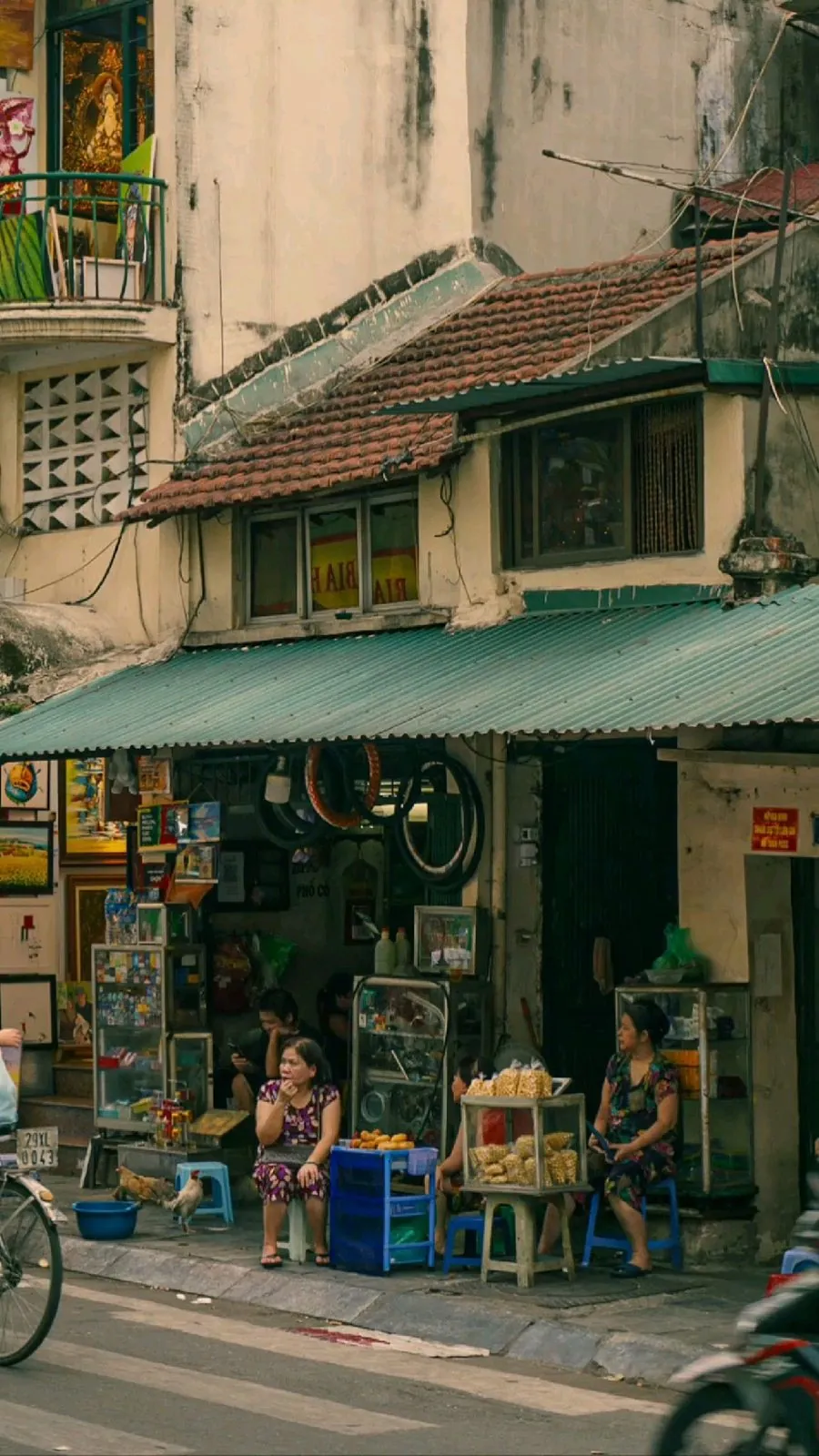
If you’re renting privately rather than through a hotel, confirm your landlord has actually filed the declaration - don’t assume it happens automatically. Missing it commonly draws fines in the 4-6M VND range for the individual and 8-12M VND for the hosting party, and it can complicate a later TRC application if the paper trail has gaps.
Your First 7 Days in Vietnam, Step by Step
- Activate an eSIM before boarding, or buy a physical SIM at a city carrier store within your first day.
- Book 5-7 nights of short-term housing on a card-accepting platform before you fly, not after you land.
- Set up a USDT-to-VND route through Binance P2P (or arrange a cash reserve) for anything a card can’t cover.
- Confirm with your host or landlord that your temporary residence declaration is filed within the first day.
- Scout longer-term apartments in person and negotiate the local-resident rate, not the foreigner listing price.
- Draft your e-visa or TRC application timeline so you’re not still on a bare exemption when day 30 arrives.
- Identify the nearest ATM with fee-free limits for your card type, and note your bank’s transfer thresholds before you need them.
Step 6 is the one people postpone and then pay for. If you’d rather not work out which document belongs to which stamp, what we handle on the visa side is listed in one place — e-visa, border runs, and what each actually requires.

Common First-Week Mistakes That Cost People Time and Money
Booking a 3-month lease sight unseen from a foreigner-priced listing before you’ve walked the neighborhood is the single most expensive mistake - you can pay close to double the local rate for weeks before you notice. Assuming a Mir card will work anywhere outside a VRB ATM is the second, and it leaves people stranded with no cash on day two. The third is treating the temporary residence declaration as someone else’s problem entirely and never following up - it’s usually the landlord’s job, but an unfiled declaration becomes your problem the moment you apply for a TRC and the immigration office asks for the paper trail.
Vietnam’s relocation options aren’t limited to Vietnam either - if you’re still weighing where to land at all, my comparison of Vietnam against Georgia, Serbia and Kazakhstan walks through banking, visas and cost of living side by side. And for the money question specifically, I’ve written up what actually works for sending money between Russia and Vietnam after the sanctions in more detail than I can fit here.
None of this - visa runs, e-visa applications, or TRC paperwork - pays me to appear in this list; I’m including my own service the same way I’d include anyone else’s, with the honest limits attached (I’m based in Da Nang and Central Vietnam, so if you’ve landed in Hanoi or Saigon, a local option will usually serve you faster). If you want a hand with the visa side specifically - turning a fresh exemption into an e-visa or planning your TRC timeline - reach out on Telegram, or just look at what we do directly on danangvisarun.com.
Frequently asked questions
How do I get a Vietnamese SIM card as soon as I land in Da Nang? Activate an eSIM (Airalo or Saily) before you board so you’re online the moment you land, then buy a physical SIM from a Viettel, Vinaphone or Mobifone store in the city within your first day - avoid the airport SIM counters, which run 30-50% higher for the same package.
Can I use my Russian bank card in Vietnam in 2026? A Mir card only works at VRB’s limited ATM network; outside that, treat it as non-functional. Most people instead convert USDT to VND through Binance P2P and carry enough cash for the first several days.
Can I open a Vietnamese bank account on a tourist visa or e-visa? Not usually. Most major banks require a visa valid 12 months or longer, or a TRC, plus proof of local address - a bare exemption or short-term e-visa on its own rarely gets you an account in week one.
What happens if I don’t declare my temporary residence in Vietnam? Your host is legally responsible for filing it, typically within about a day of your arrival, but an unfiled declaration commonly draws fines in the 4,000,000-6,000,000 VND range for you personally and can create problems later when you apply for a TRC.
Is MoMo or VietQR usable without a Vietnamese bank account? Only partially. VietQR needs a Vietnamese bank account behind it to send or receive, and MoMo’s full verification tier requires a Vietnamese citizen ID, so a brand-new arrival is limited to a lower-function version of either app until a local account exists.
Is it practical to use USDT to get spendable cash in Vietnam? Yes for most people right now - Binance P2P is the main liquidity venue, and it settles to a bank account, MoMo or ZaloPay within minutes of payment clearing, with crypto legal to hold and trade as property under the 2026 Law on Digital Technology Industry.