
The ferry to Phu Quoc in 2026 runs from two mainland ports, Ha Tien and Rach Gia, with fares from $8.75 one way and crossings suspended by port authority order whenever wave height passes about 1.5-2.5 meters. I’ve watched this happen from the Ha Tien dock - boats simply don’t leave, no matter what your ticket says.
I run visa-run transfers through this part of the country, so I check these routes more often than most - see the full visa-run cost breakdown if you’re weighing the border-crossing side of a trip like this.
How Much Does the Ferry to Phu Quoc Cost in 2026?
Three operators run the mainland-to-island crossing in 2026: Superdong, Phu Quoc Express, and Thanh Thoi, which runs the slower car ferry. Superdong and Phu Quoc Express both sail fast boats from Ha Tien and Rach Gia; fares depend on the port and class.
| Operator | Route | Crossing time | Adult fare |
|---|---|---|---|
| Superdong | Ha Tien → Phu Quoc | ~1h20min | $8.75 (230,000₫) |
| Superdong | Rach Gia → Phu Quoc | ~2h20-30min | $12.50 (330,000₫) |
| Phu Quoc Express | Ha Tien → Phu Quoc, economy | ~1h20min | $8.20 (216,000₫) |
| Phu Quoc Express | Ha Tien → Phu Quoc, VIP | ~1h20min | $12.50 (330,000₫) |
| Phu Quoc Express | Rach Gia → Phu Quoc, economy | ~2h20min | $12 (315,000₫) |
| Phu Quoc Express | Rach Gia → Phu Quoc, VIP | ~2h20min | $19 (500,000₫) |
Ha Tien is the cheaper, shorter crossing from either operator. Rach Gia costs more and takes roughly an hour longer, but it’s the better-connected mainland town if you’re coming from Ho Chi Minh City rather than the Vietnam-Cambodia border area.
Which Port Should You Leave From, Ha Tien or Rach Gia?
Leave from Ha Tien if you’re already near the Cambodia border or the far southwest coast - it’s the shorter, cheaper crossing at $8.20-12.50 depending on operator and class. Leave from Rach Gia if you’re coming down from Ho Chi Minh City or Can Tho, where the drive to Ha Tien adds real time without saving much on the ferry itself.
Both ports run multiple daily departures with Superdong and Phu Quoc Express, so the choice mostly comes down to which mainland town you’re already closer to - both ports run departures throughout the day.
Where Do You Land on Phu Quoc Island?
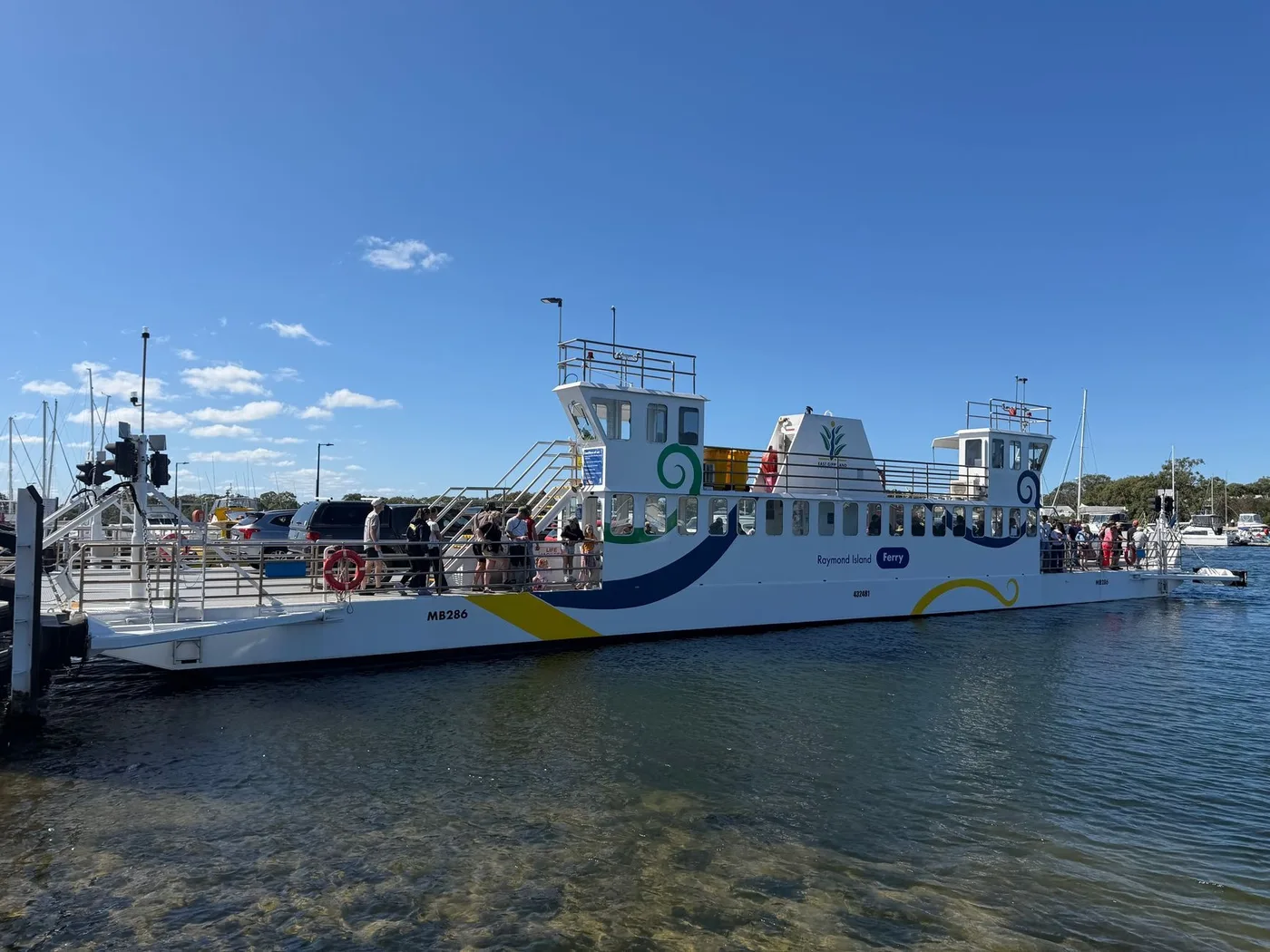
Every fast boat and car ferry from both mainland ports docks at Bai Vong, a terminal on the island’s east coast near Ham Ninh, open roughly 6:30 AM to 4:30 PM. Bai Vong sits on the opposite side of the island from Long Beach and Duong Dong, the main hotel strip, so plan on a taxi or shared minivan transfer after you land.
Budget 30-45 minutes and a separate fare for that cross-island transfer when you’re planning your arrival time - it’s easy to forget when the ferry schedule looks like the trip ends at the dock.
When Do Ferry Crossings Get Cancelled for Weather?
Vietnamese port authorities suspend every Phu Quoc crossing by official order when wave height reaches roughly 1.5 to 2.5 meters with strong wind - a documented case in November 2025 shut down Ha Tien, Rach Gia, and other Kien Giang island routes on the same day under a northeasterly wind pattern. A separate, less-documented case involves southwest monsoon winds gusting to force 7-8 in the same stretch of the Gulf of Thailand.

These suspensions cluster in the wet season, roughly May through October, though the exact wind threshold Vietnamese authorities use as an official cutoff isn’t published anywhere I’ve found - port officials make the call on the day, and it isn’t always the same number.
If your ferry gets cancelled for weather, Phu Quoc Express refunds the full ticket price with no extra compensation; I haven’t found a published Superdong policy for weather-related cancellations specifically, so ask at the counter rather than assume the same terms apply.
Is Ha Tien a Good Base for a Visa Run to Cambodia?
Ha Tien puts you close to the Prek Chak border crossing into Cambodia, toward Kep and Kampot, with sources putting the checkpoint somewhere between 7 and 15 kilometers from town. If your Phu Quoc trip lines up with a visa question anyway, that’s a genuine two-birds routing worth knowing about.
I’ve compared Ha Tien against the other two main visa-run border crossings separately if you’re weighing which one actually fits your route.
I handle visa runs through this corridor and the Central Vietnam land borders regularly, and the questions that come up are almost always the same: which card actually pays the e‑visa fee, and what happens if a border day gets rained out.
If a storm knocks out your ferry window or you’re juggling a visa deadline around this trip, that’s exactly the kind of scheduling mess I sort out for clients day to day - message me on Telegram with your dates and I’ll tell you if the timing actually works before you book anything.
Methodology: Where These Numbers Come From
Fares and crossing times come from operator schedules published on Phu Quoc Island Guide, cross-checked against each operator’s own fare structure where available; the November 2025 suspension case comes from a Kien Giang provincial news report on the specific storm event. Prices convert VND to USD at roughly 26,300₫ per dollar and drift with the exchange rate - treat the dollar figures as a close estimate, the counter price is what counts.
Frequently asked questions
How long does the Phu Quoc ferry crossing actually take?
About 1 hour 20 minutes from Ha Tien, or 2 hours 20 to 30 minutes from Rach Gia, depending on sea conditions on the day. Both times are for the fast boats; the Thanh Thoi car ferry runs slower and doesn’t publish a standard crossing time.
Can you buy a Phu Quoc ferry ticket on the day of travel?
Yes, at the terminal counter in Ha Tien or Rach Gia, though seats sell out on holiday weekends and peak dry-season dates. Booking online through the operator’s own site a day or two ahead avoids standing in a walk-up line for a sold-out sailing.
Is it cheaper to book the Phu Quoc ferry through a travel agent or the operator's own site?
The fare itself is usually the same either way - travel agents mostly just add a small handling fee on top. Booking directly through the operator’s own site (Superdong or Phu Quoc Express) does give you a cleaner paper trail if a sailing gets cancelled and you need to sort out a refund.
Do you need a passport for the domestic ferry to Phu Quoc?
Yes - Phu Quoc ferries check ID at boarding even though the route stays entirely within Vietnam, and foreign travelers need to show a passport at boarding. Vietnamese nationals can travel on a national ID card instead.
Do children get a discounted fare on the Phu Quoc ferry?
Superdong prices a child fare for ages 6-11, and kids under 6 travel free on an adult’s lap. That age band is a lightly documented detail industry sources only recently updated, so confirm it directly at booking. Phu Quoc Express runs a similar tiered structure with its own child and senior rates listed alongside the standard economy and VIP fares.