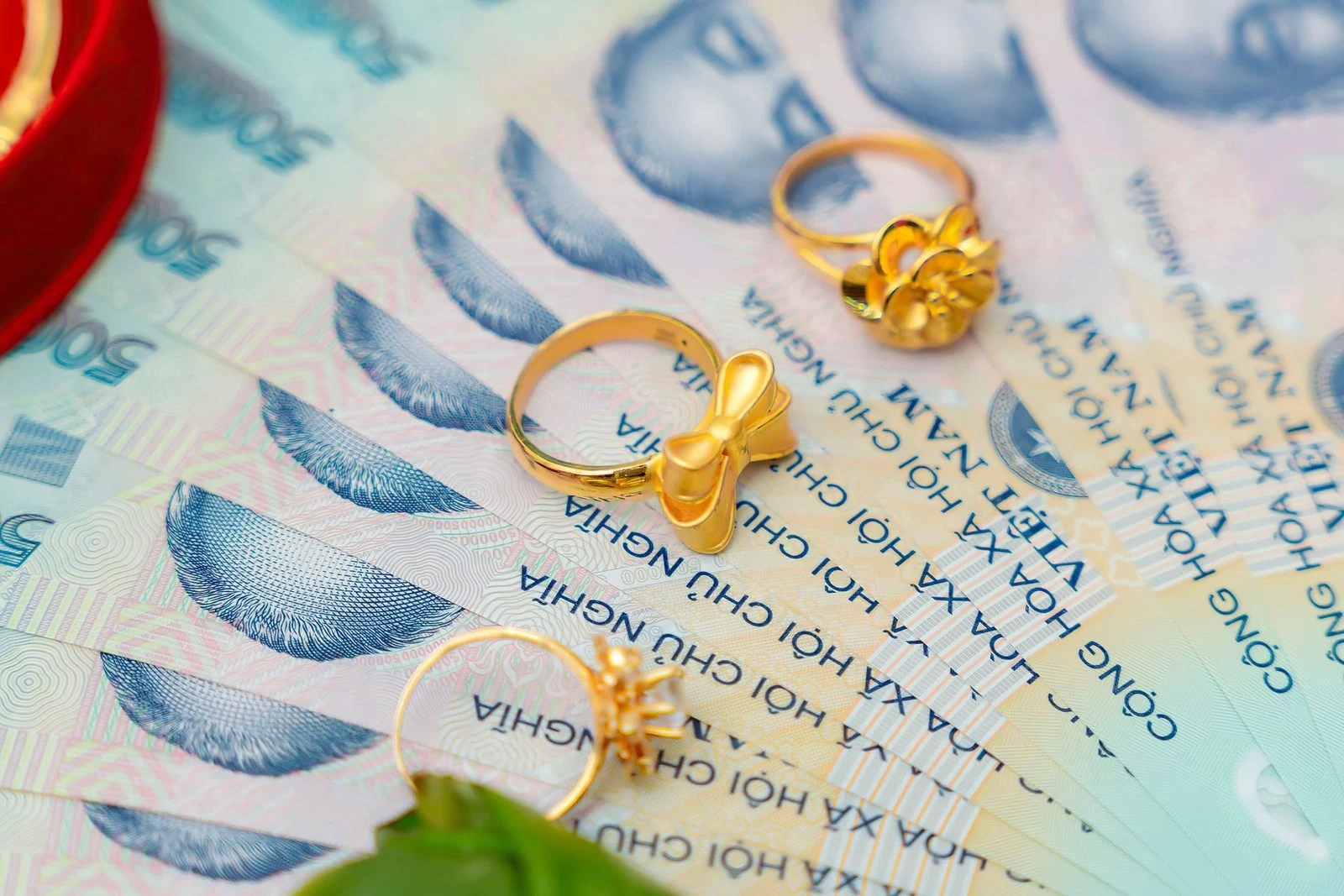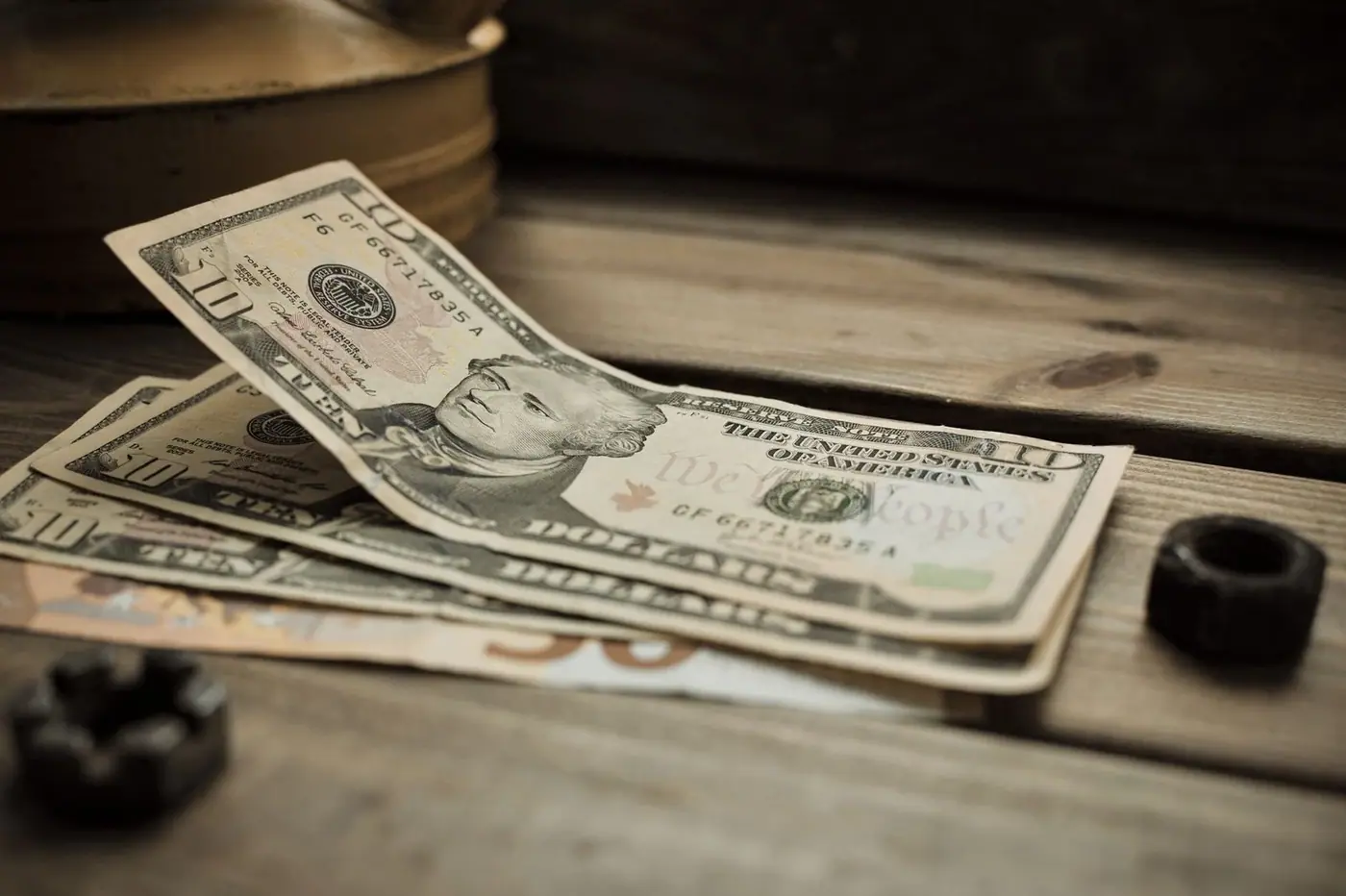
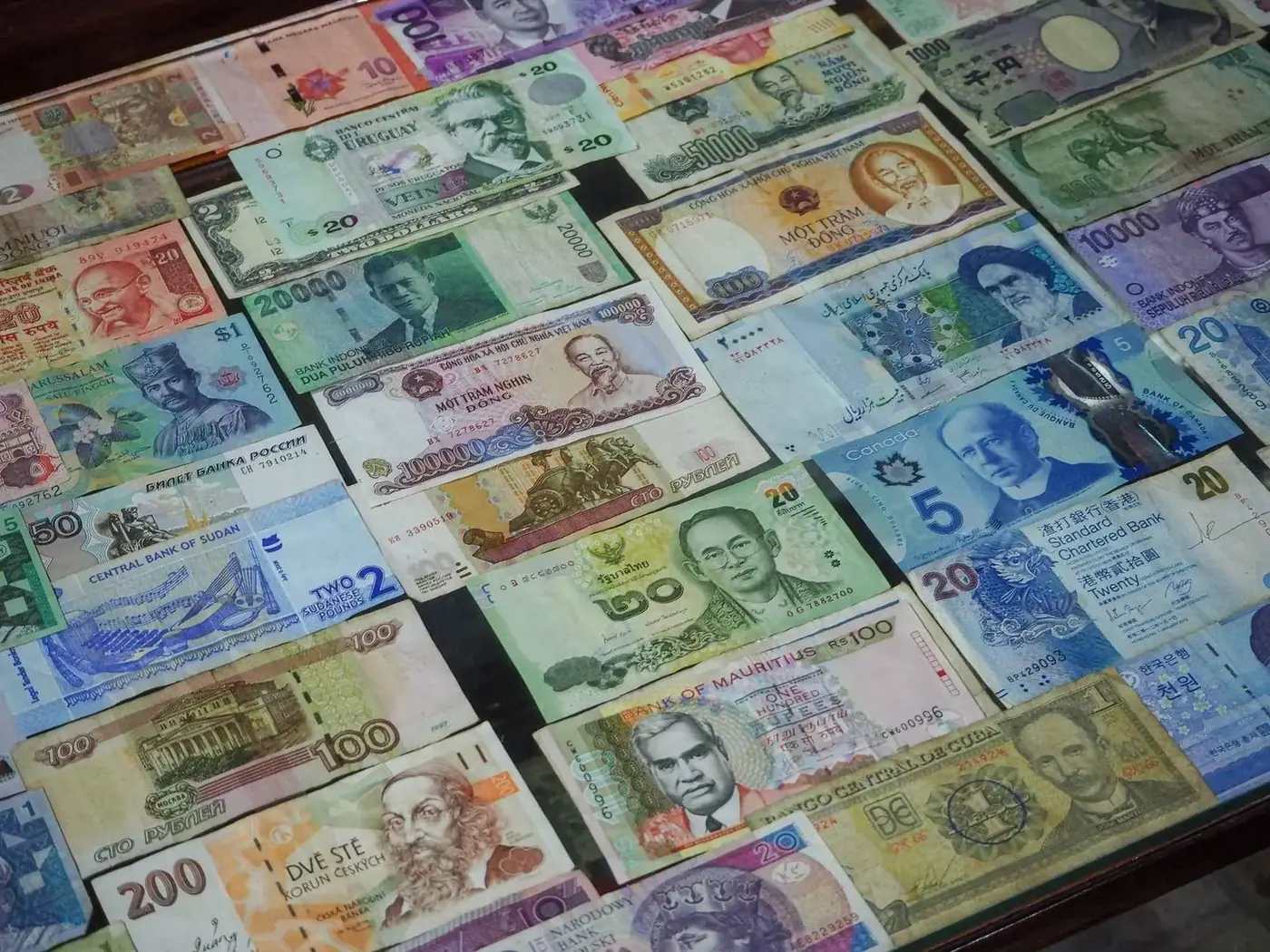
Dollars get the best exchange rate in Vietnam, and jewelry shops beat both banks and airport counters. I carry $50 and $100 bills in new condition and change most of it at a jewelry counter in the city, not at the airport, where I once lost close to 6% on a single transaction.
How much cash should you actually carry?
Vietnamese dong is the only currency you can spend on the street: food stalls, local buses, and small shops don’t take cards or dollars directly. I keep about $150-200 in dong on me at any time, small enough that losing it isn’t a disaster, large enough to skip a second exchange run mid-week. For a longer stay, once you’ve settled somewhere and opened a Vietnamese bank account, you can top up dong straight from an ATM instead of carrying weeks of cash at once.
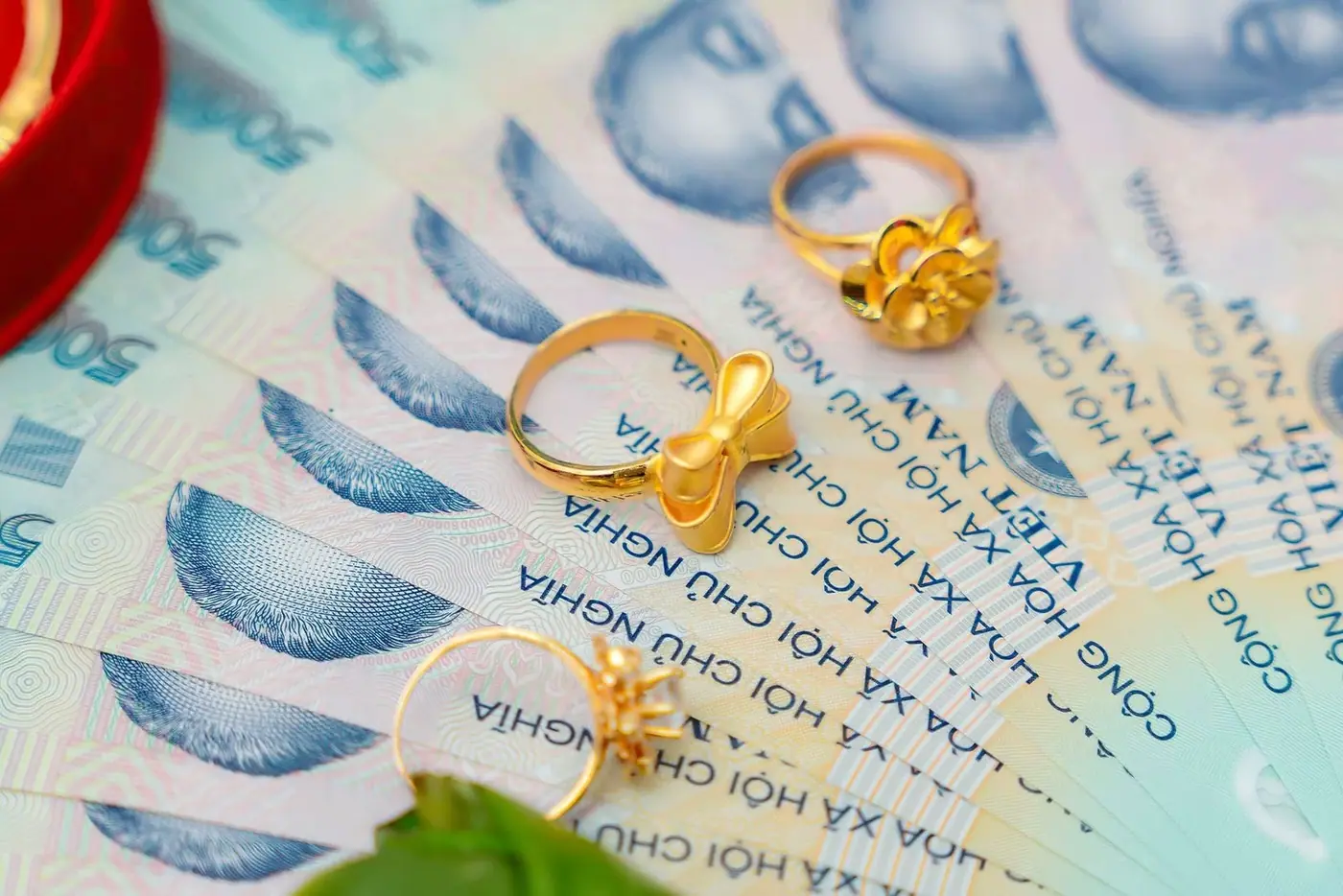
Why do jewelry shops give a better rate than banks?
Jewelry shops in Vietnam have traded gold and foreign currency side by side for decades, so exchanging cash there isn’t a shady workaround, it’s a normal local habit. I walk in, ask the dollar rate, count the dong twice before I leave, and I’m usually within 1% of the interbank rate. Airport counters and hotel desks routinely run 5-7% worse.
Do Visa and Mastercard work here?
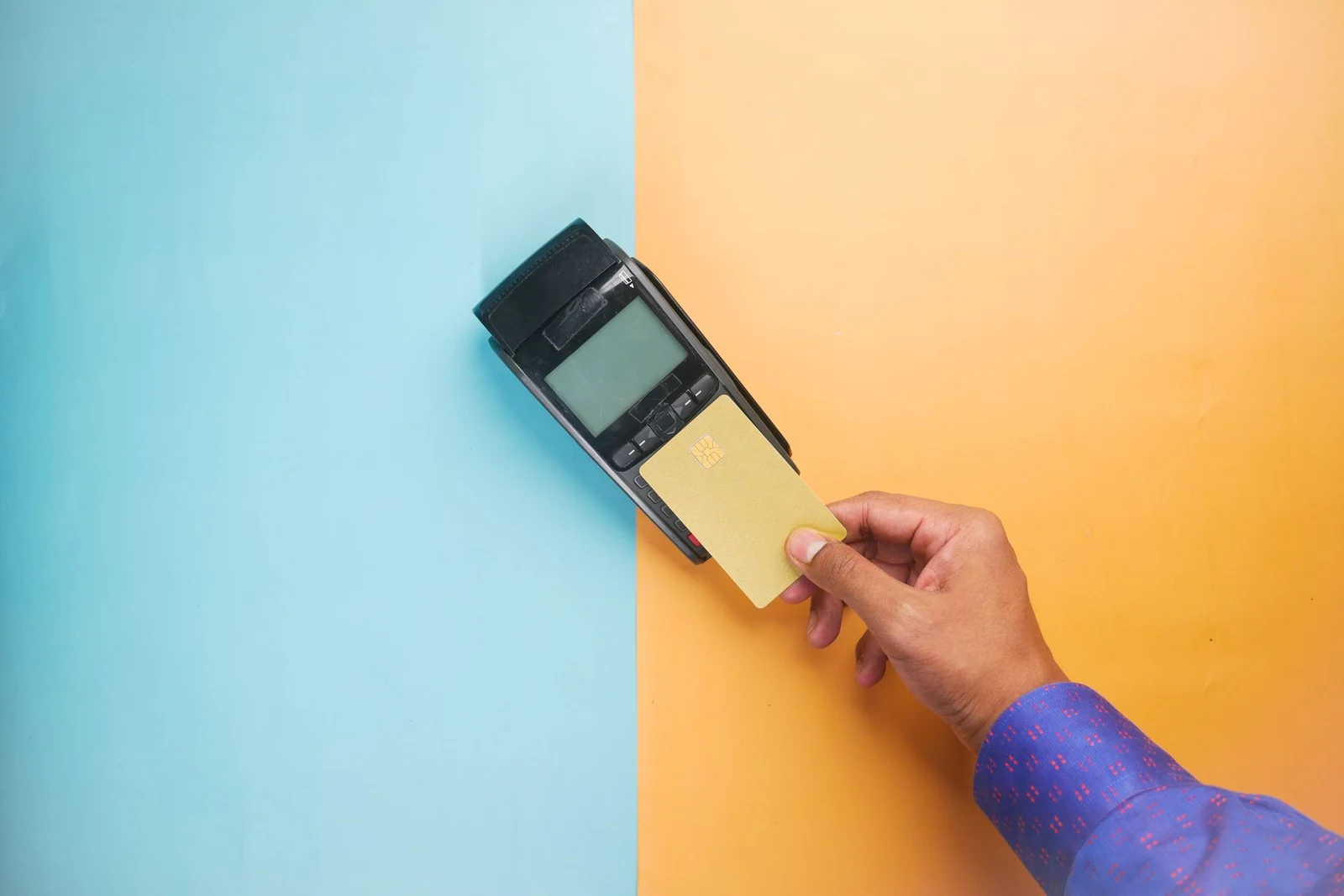
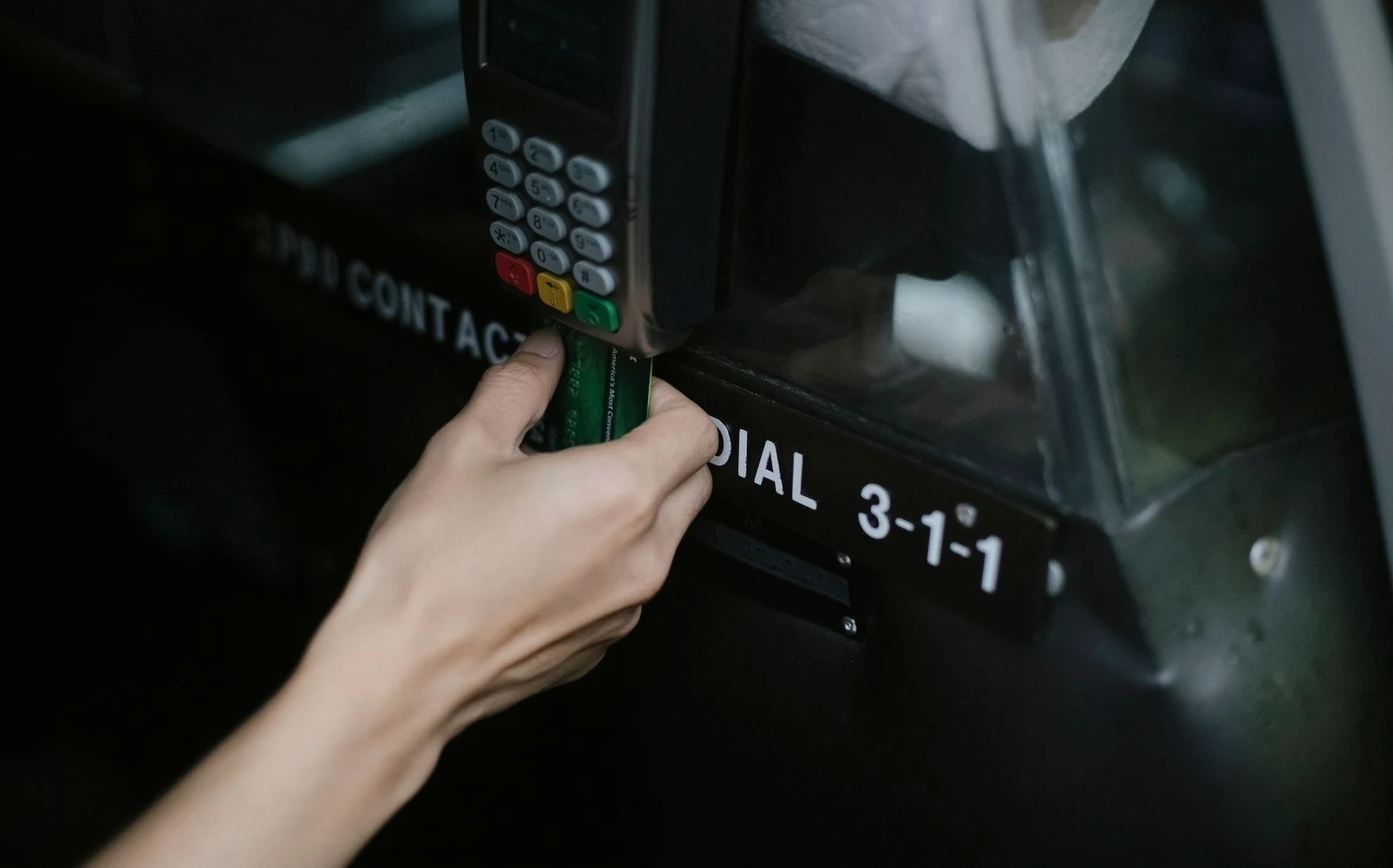
International Visa and Mastercard from most Western banks work fine at Vietnamese ATMs and hotel terminals, but they carry a foreign transaction fee, usually 2-3% on top of a flat ATM withdrawal charge. If your home bank charges its own fee too, a single withdrawal can cost $5-8 in combined fees before you’ve spent a dong.
What should you avoid when changing money?
Street changers who approach you outside a market are the one thing I steer clear of every time. The trick is a fast count, a distraction, and a stack that’s short by a few bills once you’re already walking away. A licensed jewelry shop with a storefront doesn’t need that trick to make money on the spread, which is exactly why its count is honest.
Step by step: changing money in Vietnam
This is the same order I follow every trip, from the airport to the last dollar in my pocket.
- Bring US dollars in $50 or $100 notes, new condition, no tears or stamps.
- Change a small amount at the airport, $50-100, to cover your first taxi and SIM card.
- Do the bulk exchange in the city at a jewelry shop near a market or main street.
- Ask the seller to count the dong twice in front of you before you put it away.
- Keep an ATM card as backup for the days you run out of cash between exchanges.
In Da Nang, two currency exchange counters, one near the beach and one in An Thuong, and a Vietcombank branch with ATMs are pinned on our Da Nang expat map as a starting point before you compare rates.
What about QR payments?
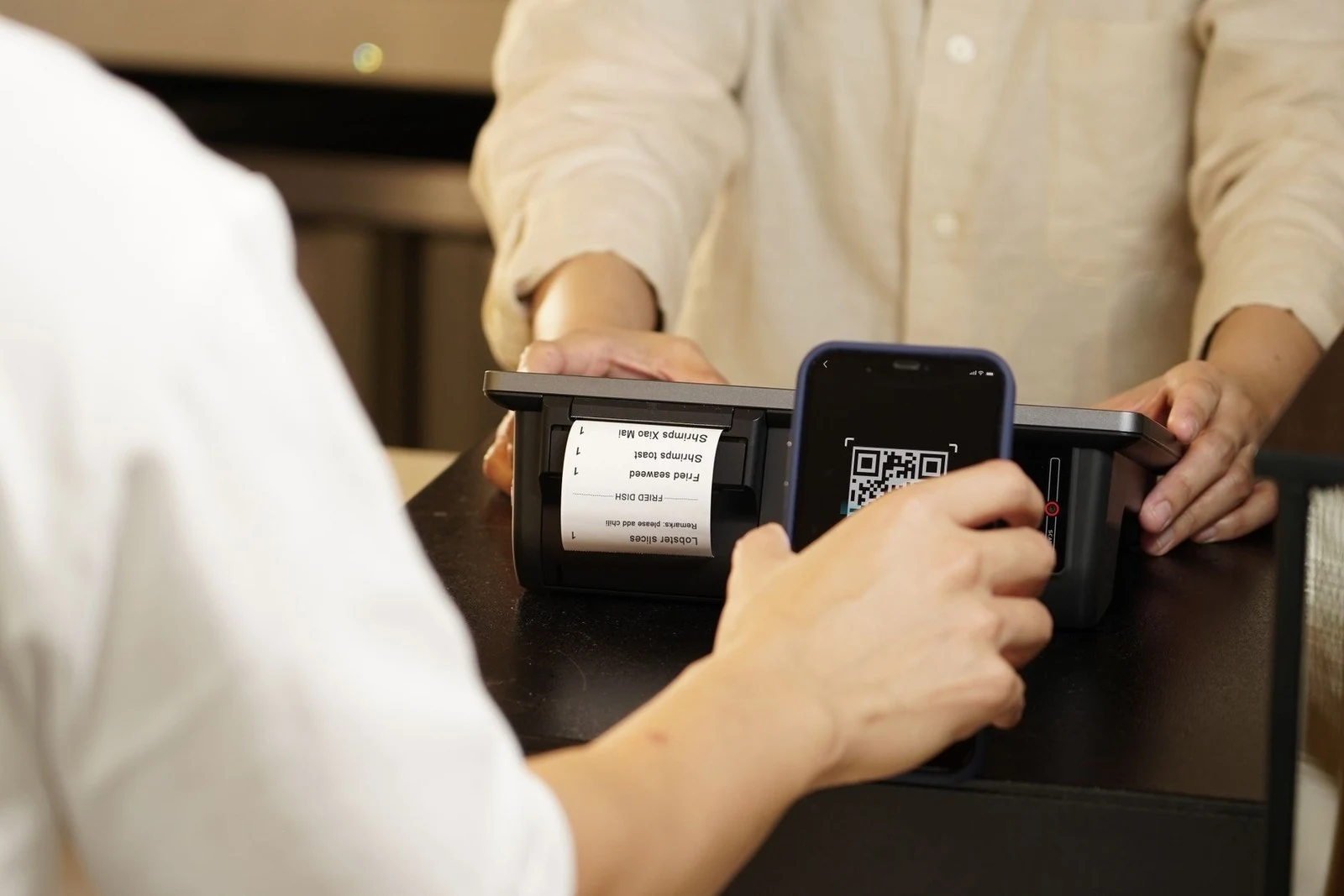
Vietnam’s own QR payment network, VietQR, has grown fast since 2025, and scanning a code at checkout is now common in cities like Da Nang and Ho Chi Minh City. Foreign cards and foreign bank apps aren’t universally linked to it yet, so treat VietQR as a convenience for the shops that support it, not your main payment plan for a multi-week stay.
Cash or card: how to decide
For a short trip under two weeks, a foreign Visa or Mastercard covers hotels and bigger purchases, and a small dollar exchange handles the rest. For anyone staying longer, jewelry-shop cash exchanges plus a backup card is the setup that has never let me down in three years of moving around central Vietnam.
If you’re sorting out money before a longer stay, the visa question usually lands on the same to-do list, and I’d rather you spend your first days settling in than stuck refreshing the official e‑visa portal. Message me on WhatsApp and I’ll walk you through what to bring and how the whole process actually goes.