A Vietnam e-visa costs $25 for single entry or $50 for multiple entry, takes 5-8 working days through the official portal evisa.gov.vn, and covers up to 90 days in the country - but one wrong date in the form can quietly cut that stay in half. If you’d rather skip the portal altogether, there’s a way to have it handled for you in a single day; more on that at the end.
I run visa runs and e-visa paperwork out of Da Nang, and I get messaged by the same three mistakes on this application every single week, even from people applying for the second or third time. Before you file, it’s worth knowing exactly how long the Vietnam e-visa takes to process so you can count backwards from your flight.
How Do You Apply for a Vietnam E-Visa Step by Step?
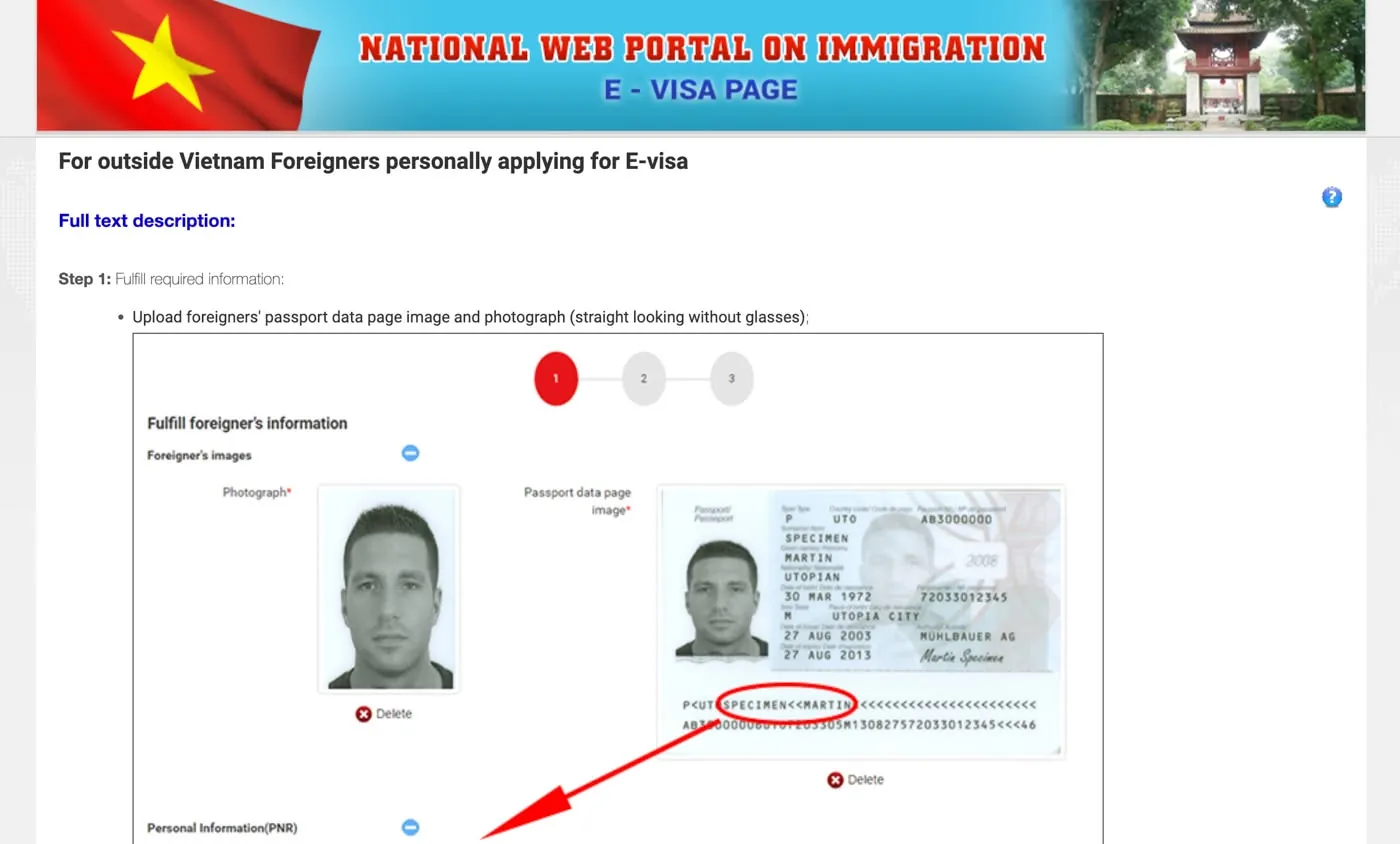
- Go to the official portal evisa.gov.vn, tick the consent box, and click NEXT.
- Upload a white-background photo (a phone selfie against a wall works) and a clean scan of your passport bio page, no fingers in frame.
- Enter your name, date and place of birth, nationality, and a working email - both your status update and the finished visa land there.
- Choose Single or Multiple entry, add your passport number and its issue and expiry dates, then set “valid from” to your actual arrival date.
- Set purpose of entry to tourism, add your hotel name and phone number, and change the length-of-stay field from the default 30 to 90.
- Enter your intended expenses (aim for at least $1,000) and clear the captcha.
- Review every field on the confirmation page, then pay immediately with a foreign-issued card.
What Does the “eVisa Valid From” Date Actually Mean?
Whatever date you type into that fourth-step “valid from” field is where your clock starts - not the day the visa is issued, and not the day you actually land. Enter your real arrival date, not earlier - the system won’t let you cross the border before it.

Land later than the date you typed in, and you don’t lose the trip, but you do lose days: the 90-day clock already started ticking on paper, whether you showed up or not. Our Vietnam e-visa service sets that field to match your actual flight so nobody bleeds days before the plane even leaves.
Do You Actually Need This Visa, or Does Your Passport Already Get Visa-Free Entry?
Not always. Russians get 45 days visa-free under government resolution 44/NQ-CP (7 March 2025), covering both the mainland and Phu Quoc island. Most other passports get a shorter window or none at all, so check your own nationality’s rule first - the form above only makes sense if you’re staying longer than your visa-free allowance, or want the freedom to cross the border more than once in a short window.
Purpose of entry only covers tourism, whichever visa type you pick. If you’re planning to work, this is the wrong form entirely, and using it for that purpose risks a hard stop at the border rather than just a paperwork rejection.
Single or Multiple Entry - Which One Should You Have Picked in Step 4?
Single entry ($25) lets you enter Vietnam once for up to 90 days. Multiple entry ($50) lets you leave and re-enter as many times as you want within that same 90-day window, and you can’t switch types once you’ve paid. Those government fees are only part of the picture — here’s the full rundown of Vietnam visa costs in 2026, extensions and service fees included.
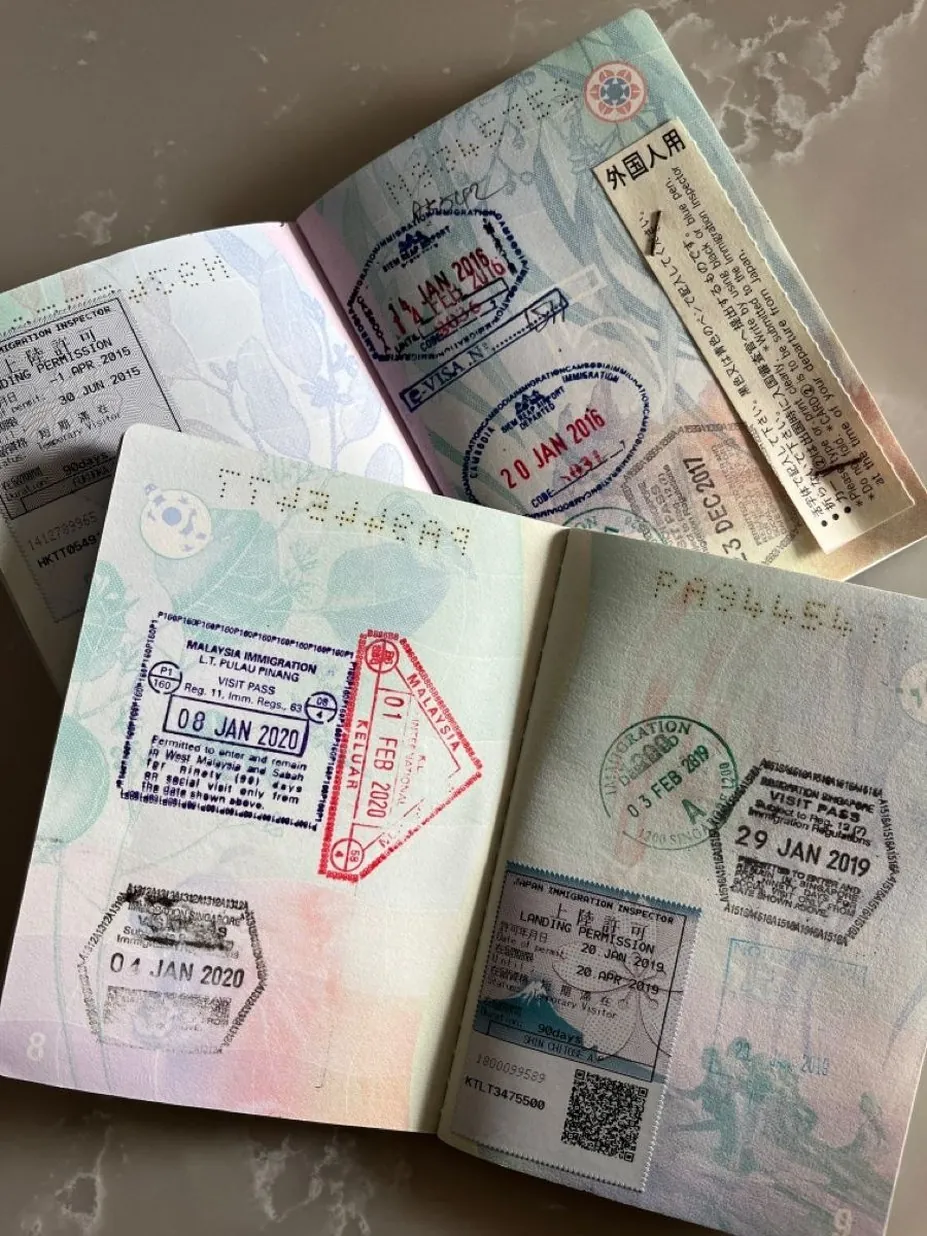
Pick single if you’re flying in and staying put for the whole trip. Pick multiple if you’re planning any side trip - a weekend in Bangkok, a run to Phnom Penh, a Laos loop - because a single-entry visa dies the moment you cross out, and you’d be buying a fresh one to get back in.
Can You Apply With a Child Listed on Your Passport?
Every child needs their own e-visa regardless of age, even one already listed inside a parent’s passport. If the child is under 14 and listed in a parent’s passport, that child can be filed under that same parent’s e-visa application rather than needing a separate document.
Neither a birth certificate nor the other parent’s written consent is required at Vietnamese immigration - that requirement, where it applies, belongs to your own country’s exit control, not to Vietnam’s entry rules.
What Happens If Your Card Gets Declined During Step 7?
The portal only accepts foreign-issued bank cards, and Russian-issued Visa and Mastercard are blocked outright - this is the single most common reason applications stall at the very last step. The payment only runs once per session, so a failed charge means starting the entire form over from scratch.
This is exactly where people usually message me - a declined card with no backup plan and a flight already booked. I handle the fee directly with a card the portal actually accepts, match the arrival date to the traveler’s real flight, and hand back a finished visa the same day; message me on Telegram and I’ll walk you through it.
Can You Fix a Mistake or Get a Rejected Application Reconsidered?
The most common errors are a misspelled name or a mistyped passport number, both worth double-checking before you pay rather than after. If you only spot the mistake once you’re already boarding, your only real option is hoping the immigration officer notices the inconsistency and lets it slide, which does happen more often than you’d expect.
There’s no in-country fix either: once your 90 days end, you have to exit and apply for a fresh e-visa from outside Vietnam, since the portal blocks new applications from travelers it can already see are still in the country. Russians and Belarusians who hit a snag still have the 45-day visa-free fallback, as long as they haven’t already used it on this trip.
If the card trap, the date field, or the whole form just isn’t worth the risk on your own passport, that’s the exact gap I fill: book directly on danangvisarun.com, message me on Telegram with your travel dates. I’ll get the visa matched to your actual flight and paid on a card the portal accepts.