Vietnam’s 90-day e-visa is issued online at the official portal evisa.gov.vn for a $25 government fee (single entry) or $50 (multiple entry), and it usually lands in your inbox within 3-8 working days. It gives you up to 90 days in the country, but the clock starts on the date you type into the form, not the day you land. If you’d rather skip the portal entirely, there’s a way to have it done for you in a single day; more on that below.
I run visa runs out of Da Nang and sort these e-visas constantly, including for people who message me from the airport because their card just got declined. So here’s the honest version: whether you even need the 90-day visa, which type to pick, and where the portal quietly costs travelers a week.
Do you actually need the 90-day e-visa?
Not always. Russians get 45 days visa-free (government resolution 44/NQ-CP, 7 March 2025), so a shorter trip needs no visa at all, mainland or Phu Quoc island included. Most Western passports get shorter or no visa-free entry, so check your own before you pay for anything.

The 90-day e-visa is for people staying longer than the visa-free window, or planning to hop in and out of the country. If you’re a digital nomad settling in for a season, or a long-stay traveler who wants Cambodia and Laos side trips, this is the visa that fits. If you’re still weighing routes, I broke down the e-visa versus visa on arrival versus a visa run separately. For a two-week beach holiday, it’s overkill.
Single or multiple entry: which should you pick?
Single entry costs $25 and lets you enter Vietnam once for up to 90 days. Multiple entry costs $50 and lets you cross the border as many times as you want within the same 90-day window. The passport type in the form is the same (Ordinary passport); the only real choice is the entry field.
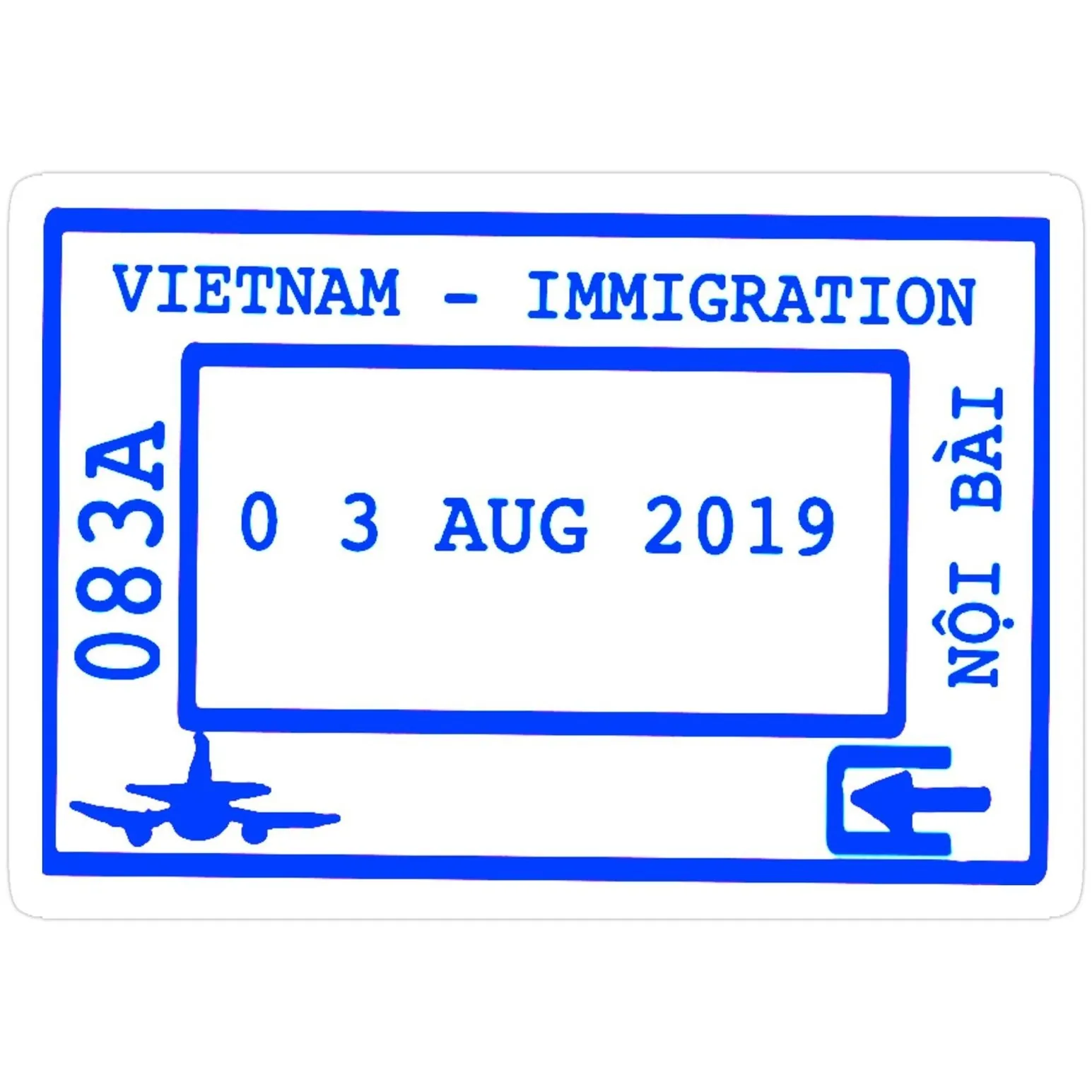
Pick single if you’re flying in and staying put. Pick multiple if you plan any side trips, like a weekend in Bangkok, a run to Phnom Penh, or a Laos loop, because a single-entry visa dies the moment you leave, and you’ll be buying a new one to get back in. For $25 more, multiple entry buys you the freedom to move; for a long stay it’s usually worth it.
How do you apply step by step?
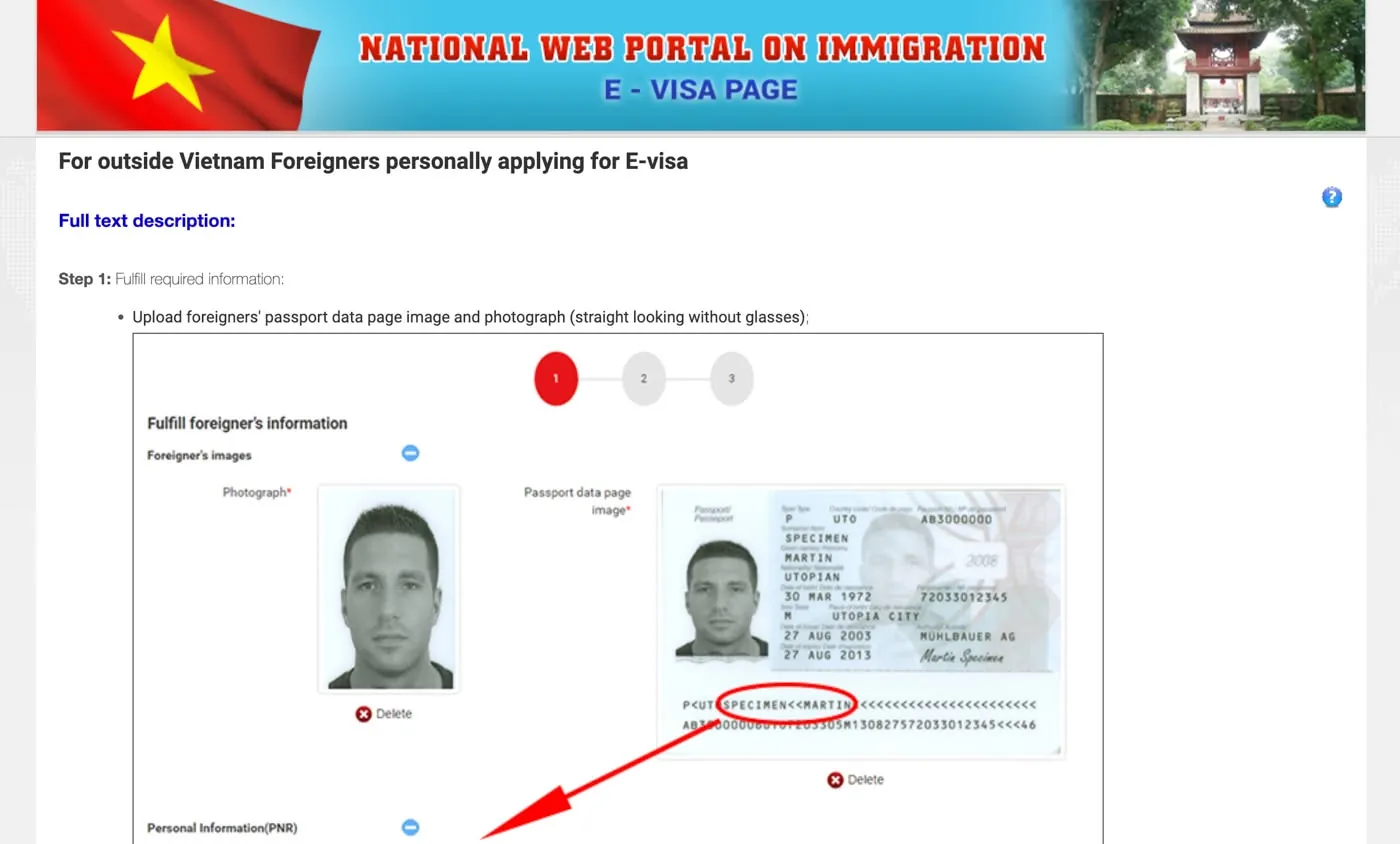
- Open the official portal evisa.gov.vn, tick the consent box, and hit NEXT.
- Upload a white-background photo (a phone selfie works) and a clean scan of your passport bio page, no fingers in the frame.
- Enter your name, date and place of birth, nationality, and a working email, because the status update and the visa itself both go there.
- Choose Single or Multiple entry, add your passport number and dates, then your Vietnam hotel address and an emergency contact.
- Set the purpose to tourism, change the stay field from 30 to 90, add estimated expenses, solve the captcha, and click Review application.
- Check every field on the review page, then pay the fee immediately, since a failed payment can wipe the form and make you start over.
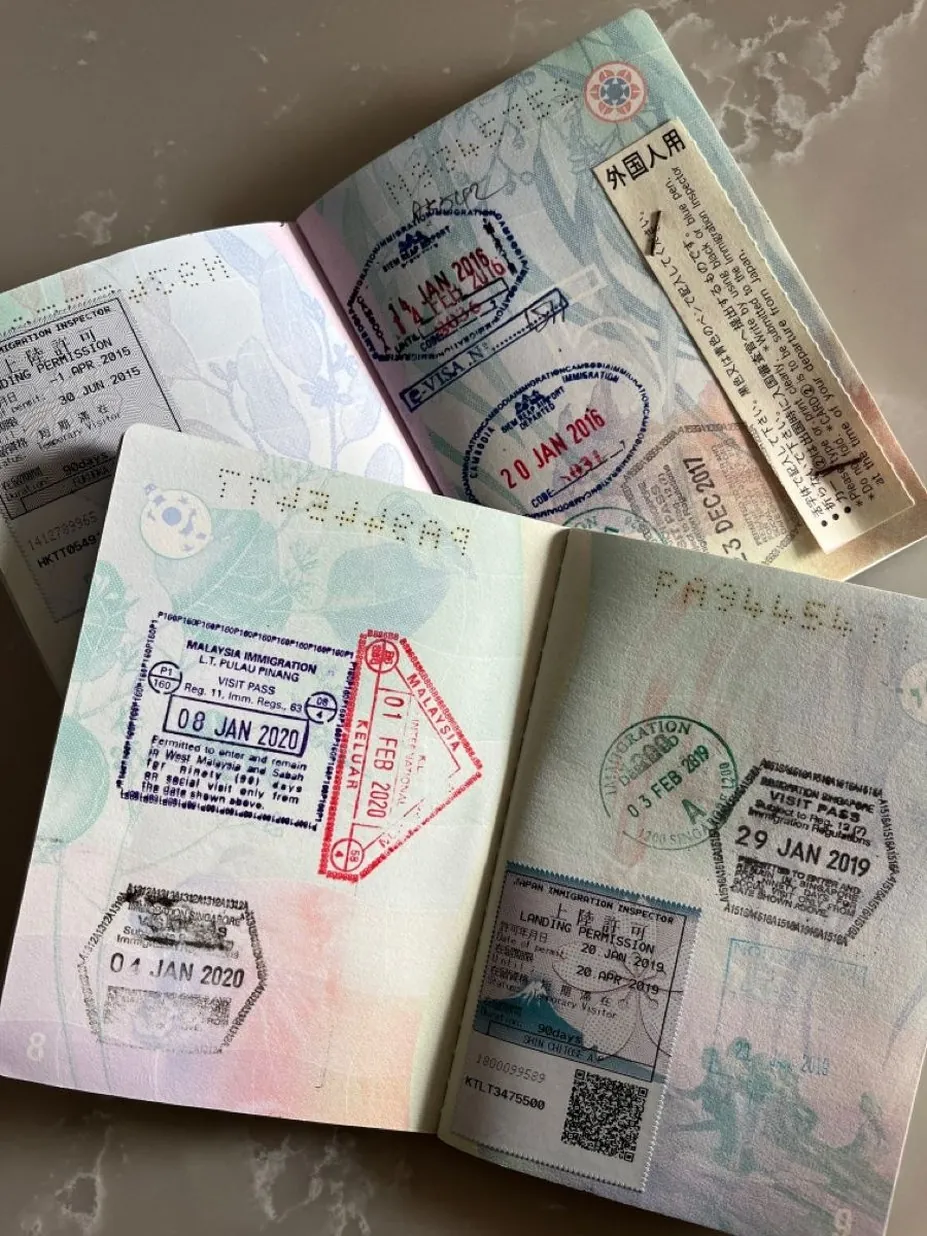
Why won’t the portal take my card?
Because evisa.gov.vn only accepts foreign-bank cards, and a lot of them fail anyway. Russian VISA and Mastercard are blocked outright by sanctions, and even some Western cards get declined by the payment gateway with no clear reason. The paperwork isn’t what stops people. The payment is.
This is where I usually get involved. I pay the government fee with a card the portal actually accepts, set the correct entry point, and keep the whole thing to a single day instead of a week of retries. If the payment step is the part you dread, message me on Telegram @learnx1000 and I’ll check your dates and passport before you touch the portal.
What mistakes cost travelers the most days?
Three form fields do the damage. “Grand eVisa valid from” is the date your visa switches on, so put the exact day you fly in, because you can’t enter before it, and if you enter later, you’re burning days off your 90. The “Intended length of stay” field defaults to 30; if you don’t change it to 90, that’s the visa you get, and nobody warns you.
The third trap is timing. The portal officially takes up to 15 working days and often goes offline for maintenance, sometimes for a full day. I tell people to leave at least ten days, not the three the forums promise. Applying two days before your flight is how a holiday turns into a scramble. When it’s that close, our Vietnam e-visa service has a same-day track built for exactly this.
Can you extend the 90-day visa without leaving?
No. There’s no in-country extension for the e-visa; the migration portal simply doesn’t offer it. When your 90 days run out, you leave, do a visa run, get a fresh visa, and come back, or (if you’re Russian) fall back on the 45-day visa-free rule for a bit longer. You also can’t apply for the next visa while you’re still inside Vietnam; the system sees you’re in the country and rejects it.
If the border logistics are the part you’d rather hand off, that’s my day job out of Da Nang. Book or read the details on danangvisarun.com, message me directly on Telegram @learnx1000. Tell me your dates and passport and I’ll tell you whether single or multiple entry is the smarter buy.
Frequently asked questions
How much does a Vietnam 90-day e-visa cost in 2026?
$25 for single entry and $50 for multiple entry, paid as a government fee on evisa.gov.vn. The portal only accepts foreign-bank cards, and Russian VISA and Mastercard are blocked, which is where most applicants get stuck.
Single or multiple entry: which is better for 90 days?
Single entry ($25) allows one entry for up to 90 days; multiple entry ($50) lets you leave and re-enter as often as you like within the 90 days. Pick multiple only if you plan side trips to Cambodia, Thailand or Laos.
Can I extend a Vietnam 90-day e-visa without leaving?
No. There is no in-country extension. After 90 days you must exit, get a new visa, and re-enter, or if you are Russian, use the 45-day visa-free allowance.