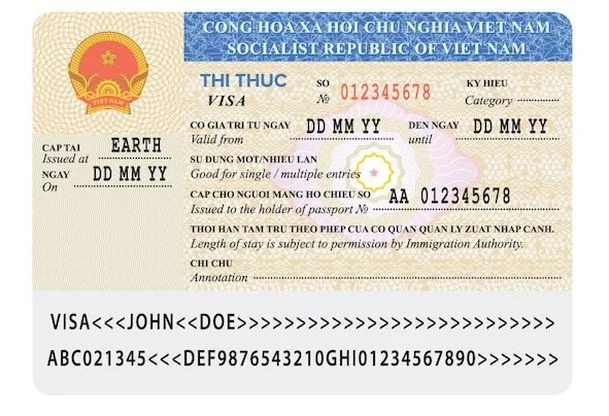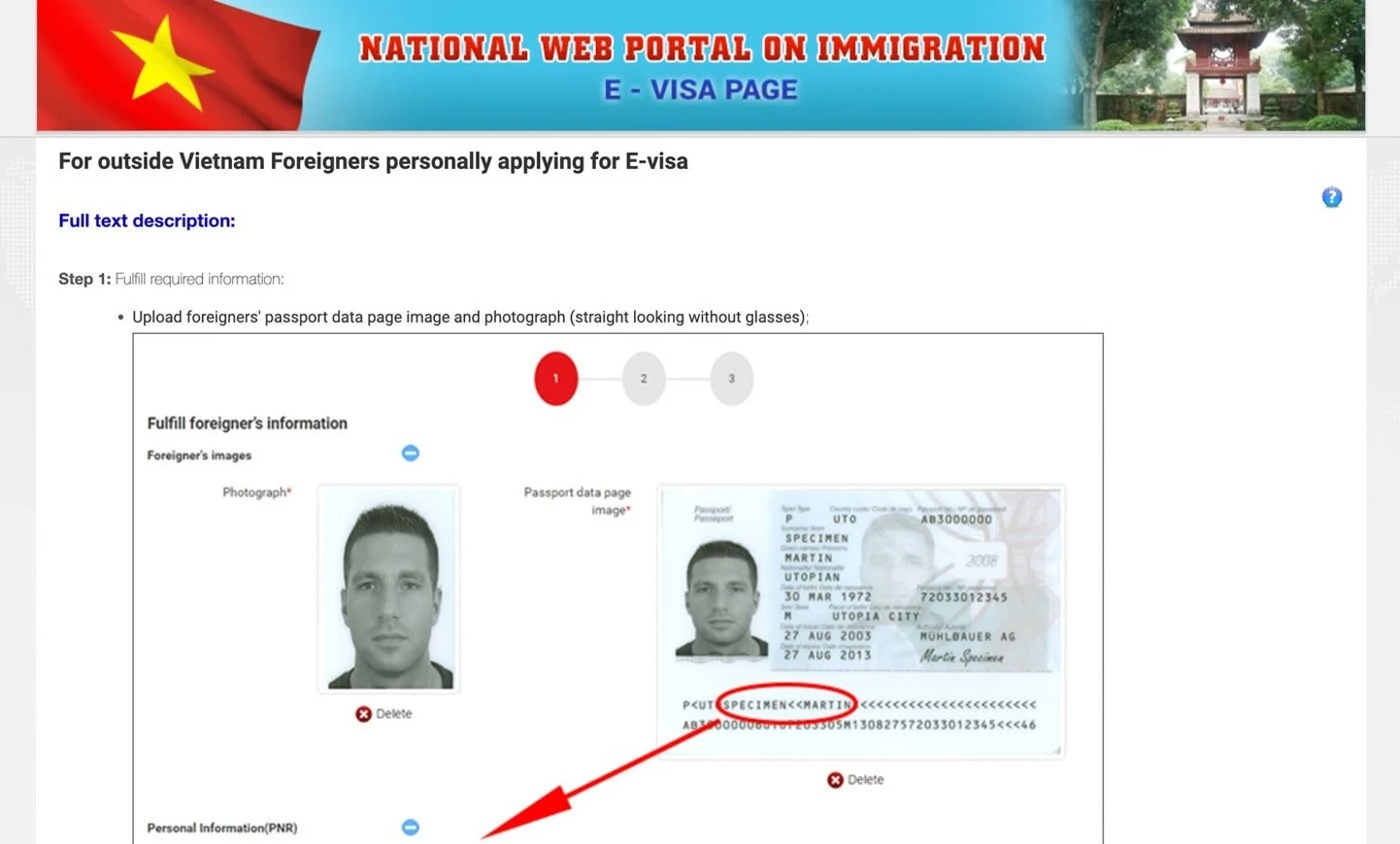
You can legally stay in Vietnam for about 180 days straight. No TRC, no business visa, no sponsor, no in-country renewal. What you need is two ordinary 90-day e‑visas, both filed before you fly, and one border crossing between them. Government fee for the pair: $50.
Here’s the whole scheme - what to do, when to file the second application, and the exact point where this plan usually breaks.
What you get
- Around 178-180 days in Vietnam back to back - two 90-day windows joined by a single exit.
- $50 in government fees for both visas ($25 each), set by Circular No. 28/2026/TT-BTC of March 27, 2026.
- Both visas approved and in your inbox before departure. Nothing gets decided or issued at the border - you arrive with the document already in hand.
- No last-minute scramble. Once your visa expires the day after tomorrow, rush processing is the only option left - that’s roughly $120 instead of $25, plus a day of nerves.
File only through the official portals, evisa.gov.vn or thithucdientu.gov.vn. The domain evisagov.vn - no dot before “gov” - is a private lookalike, and the real portal warns about it directly.
How to file both e-visas: 5 steps
- Check your passport validity against the second entry date. A visa can’t be issued closer than 30 days to your passport’s expiry - that’s Article 9 of Law No. 47/2014/QH13 as amended by Law No. 23/2023/QH15. Count from the second entry, not the first: less than about 4 months left and the 180-day plan is already dead.
- Work out your second entry date: arrival day plus 90. That’s the day you physically cross the border and come back.
- File both applications at once, while you’re still outside Vietnam. Visa #1 gets “valid from” set to your arrival date, visa #2 to your second-entry day. Both approvals land in your inbox before you fly.
- Enter on visa #1 and stay the roughly 90 days it covers.
- On day 88-90, exit and re-enter. Any land crossing works - Lao Bao, Moc Bai, Ha Tien - or a short flight out and back. Visa #2 switches on with the crossing itself; it never activates on its own.

Both applications go in while you’re physically outside Vietnam, so the contested question - “can I apply for the second one from inside the country?” - never comes up. Two simple portal rules hold the scheme together, and evisa.gov.vn states both: a single-entry visa is voided the moment you exit, and a new visa only starts working with a real border crossing.
Where the plan breaks
The passport. The most common failure, and it happens before you even file. If your passport expires in 5 months and the second entry lands in 4, visa #2 simply won’t be issued for the length you need, no matter how many times you reapply.

Counting on an extension from inside. A tourist e‑visa cannot be extended or reissued while you’re in Vietnam, under any circumstance. The only categories renewable in-country are the DN business visa and the 5-year exemption certificate for people of Vietnamese origin - neither applies to a tourist.
A gap at the handoff. Even a couple of days between visa #1 expiring and visa #2 being used fall under Decree No. 282/2025, in force since December 15, 2025: fines start around $20, and deportation becomes possible from 16 days. That’s why the exit is planned for day 88-90, not for the last day.
Why a multiple-entry visa at the same $50 won’t do it

This is the classic mix-up: a multiple-entry visa gets read as an extension. It isn’t one. Multiple-entry lets you leave and return within the same 90 days - issued January 1, it still expires March 31, however many times you hop over to Laos. Same $50, half the result. Six straight months come only from two consecutive visas.
A done-for-you 90-day e‑visa booking covers each half of this scheme, and the handoff itself runs like any other visa run from Da Nang - exit, stamp, back the same day.
I usually fill out both applications myself, pay the government fee with a card the portal actually accepts, and watch that the second one doesn’t stall right when it’s time to cross. If you’d rather hand the planning over - message me on WhatsApp with your arrival date and passport expiry, and I’ll come back with both filing dates for your case.
Frequently asked questions
How much does a 180-day Vietnam visa cost?
Two single-entry e-visas cost $50 total ($25 each), the same as one multiple-entry visa for 90 days. The difference is what you get: two consecutive visas add up to roughly 178-180 days, while one multiple-entry visa still caps out at 90.
Can I extend my Vietnam visa without leaving the country?
Not a tourist e‑visa, under any circumstance. In-country renewal is only available for the DN business visa and the 5-year exemption certificate for people of Vietnamese origin - neither category applies to a regular tourist.
What happens if I overstay my Vietnam visa by a few days?
Overstays under 16 days are fined 500,000 to 2 million dong under Decree No. 282/2025. Past 16 days, authorities can apply deportation, decided case by case based on severity.
How many times can you do a visa run in Vietnam?
There’s no official numerical limit in any regulation found. In practice, frequent back-to-back visa runs raise the odds an officer asks extra questions - about a return ticket or a booking - but that’s a risk that grows with frequency and no supporting documentation, not a formal denial.
What passport validity do I need for a Vietnam e‑visa?
Your passport must remain valid at least 30 days longer than the visa period you’re requesting - that’s a legal requirement, not an agency guideline. For a 180-day plan, count your passport’s remaining validity from your second entry date, not your first - that’s where the plan most often breaks.
What's the difference between single-entry and multiple-entry for a long stay?
A single-entry e‑visa is voided the moment you exit and can’t be reused for re-entry - that’s the visa used for the two-visa 180-day scheme. A multiple-entry visa allows several exits and re-entries, but all of them stay inside the same 90-day validity window instead of extending it.