
Foreigners in Da Nang can get a fiber connection from FPT, Viettel, or VNPT with nothing more than a passport copy and a valid visa copy - no residency card required, and most providers send a technician within 24 to 48 hours of payment.
If sorting out visa paperwork on top of setting up a household already feels like a lot, there’s a faster way to handle the visa side while you deal with the router — what that covers is laid out on our services page.
Which provider should you actually pick?
FPT is the strongest pick for most foreigners in Da Nang or Nha Trang: it has English-language hotlines and staff who actually speak English in tourist-heavy offices, which matters more than any discount the first time you’re doing this in a new country. Viettel wins if you live outside the city center, where its coverage runs deeper and its network reportedly holds up better during undersea cable outages.
VNPT tends to run a little cheaper, especially on long prepayment terms, but expect older routers and slower paperwork - it’s the state-owned option, closer to a national telecom than a nimble ISP. There are also smaller cable operators like SCTV, worth considering only if none of the big three cover your building.
What speed and price should you actually budget for?
Entry-level fiber (80-150 Mbps) runs 180,000-250,000 VND ($7-10) a month, enough for browsing and video calls for one or two people. The 150-300 Mbps tier costs 250,000-350,000 VND ($10-14) and comfortably handles remote work, streaming, and a household of several devices. Anything from 300 Mbps up to 1 Gbps runs 350,000-1,000,000+ VND ($14-40+), aimed at heavy uploads or IT work.
Paying 6 months upfront usually gets you 1 month free; paying 12 months gets 2-3 months free, plus free installation and router. Combo internet-plus-TV packages add just 30,000-50,000 VND ($1-2) a month if you want the cable box thrown in.
What documents does a foreigner actually need?
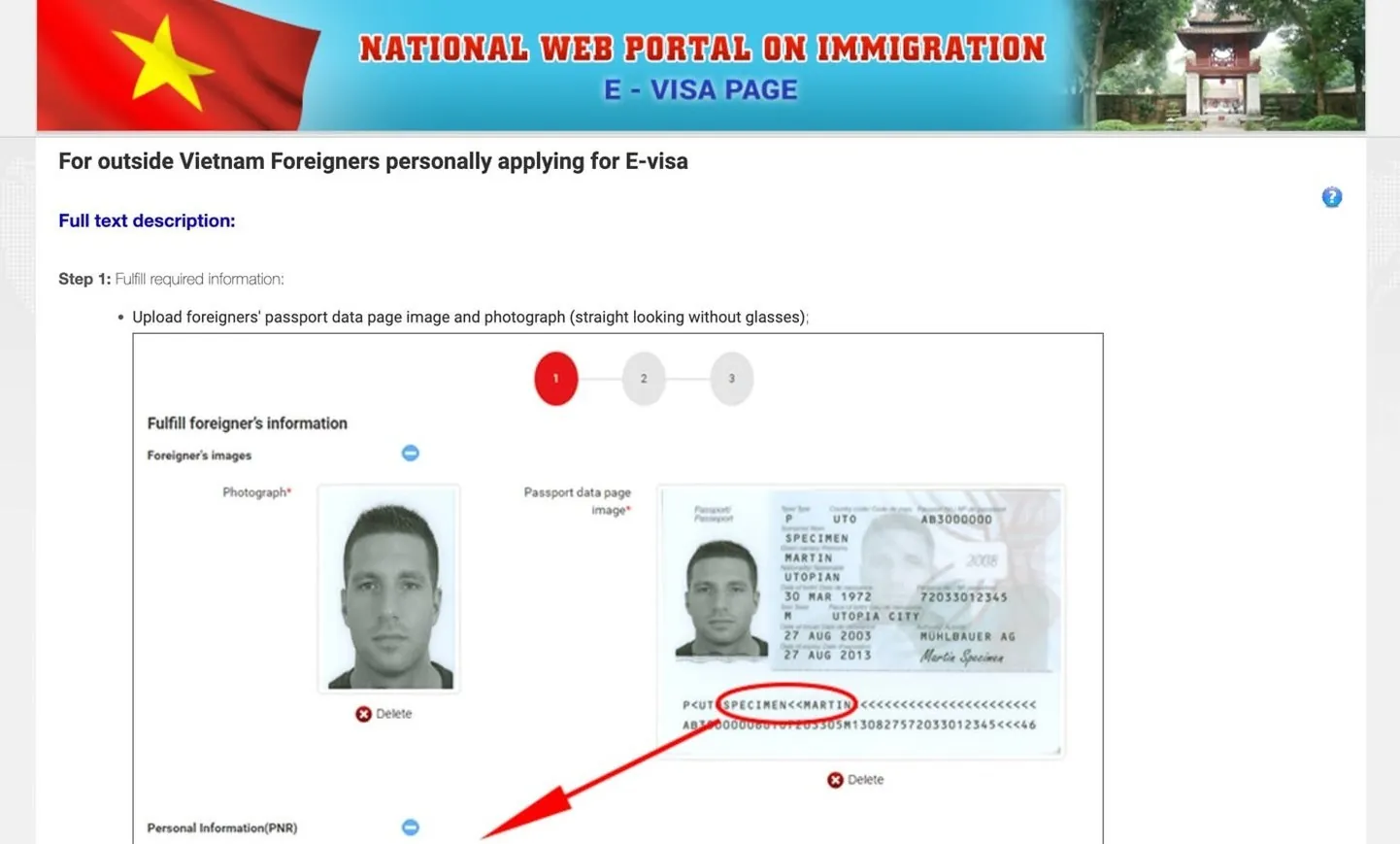
Providers ask for a copy of your passport, a copy of your current visa or temporary residence card (TRC), and either a 6-12 month prepayment or a 500,000-1,000,000 VND ($20-40) deposit if you’d rather pay monthly. Prepaying waives the deposit entirely.
This is usually where the timeline gets messy - when your visa runs out before your internet contract does. I handle exactly that mismatch for people settling into Da Nang long-term: sorting a visa extension or a longer-stay option so contracts like internet, rent, and phone plans don’t trip over an expiry date. What that takes from you is your target move-in date and how long you’re planning to stay - the visa length gets matched to that before you sign anything with a fixed term.
Step by step: how do you actually get connected?
- Ask your landlord or neighbors which provider is already wired into the building - in nearly every Vietnamese condo, all three of the big providers are already available.
- Bring your passport and visa copy to the local office, or fill out the online request form and wait for a callback, which will most likely be in Vietnamese.
- Pick your speed tier and prepayment term, sign the contract, and pay.
- Wait for the technician’s call, usually within 24-48 hours, to confirm you’re home.
- The technician runs the fiber line, sets up the router, and confirms the connection is live - the whole visit takes 30 to 60 minutes.

What happens when the connection actually slows down?
Vietnam’s international bandwidth runs through a small number of undersea cables, AAG and APG being the best known, and when one of them breaks - from ship anchors, earthquakes, or, as the local joke goes, sharks - access to sites outside Vietnam can slow to a crawl for one to several weeks while repairs happen. Local Vietnamese sites and services keep running at full speed the entire time, so the outage is specifically about reaching Google, Facebook, or anything hosted overseas.
Heavy rain during the wet season can also cause short local outages, usually fixed within an hour. When your connection does act up before you call support, unplugging the router for 30 seconds and plugging it back in solves the majority of issues - a universal fix that works here just as well as anywhere else. For rent and neighborhood context before you even sign a lease, see our Da Nang apartment rent price breakdown and the best neighborhoods for expats. For the rest of what settling in long-term involves, see our relocation guide.
Setting up internet is the easy part of moving to Da Nang - the visa paperwork is usually what eats your first week instead. If you’d rather have someone handle the visa run or e-visa extension while you deal with the router, I keep current visa-run and e-visa options on danangvisarun.com.