A dog bite or scratch in Vietnam means one thing: wash the wound and go to a clinic the same day, even if the dog looked healthy. Rabies can’t be treated once symptoms start, but the shots work if you begin them early. Below is what to do in the first hour, where to get treated, what the course costs and how it fits around a visa stamp.
In short: wash for 15 minutes, start the shots within a day, expect 5 visits over 28 days, and budget roughly $60-120 for the vaccine, with immunoglobulin and an international clinic’s fee on top.
What should you do in the first hour after a dog bite in Vietnam?
Wash the wound under running water with soap for at least 15 minutes, then put on an antiseptic such as povidone-iodine, and only after that head for a clinic. The washing alone cuts the amount of virus in the wound, so it comes before the taxi or the bike ride. The mistake that costs most is a quick splash and a rush to the bike; the fifteen minutes at the tap do more than a faster ride. Don’t stitch, suck or squeeze the bite, and don’t wait for swelling or fever.
Almost all human rabies in Vietnam comes from dogs, 98-99% of cases according to a Vietnam travel guide on rabies, and roughly 70-90 people die each year, mostly rural residents who skipped treatment. Tuoi Tre reported a rabid dog biting three people in Da Nang in March 2026, with seven outbreaks in the city that year. The risk in the city is low, and a rabid dog there has still bitten people this year.
Where do you get rabies shots in Da Nang, Nha Trang or Hanoi?
Go to a large city hospital or an international clinic and say “rabies, dog bite” at the desk. In Da Nang I would start with Vinmec International Hospital or the state Hospital C, in Nha Trang and Hanoi with the Pasteur Institute or Vinmec. State hospitals are cheaper but busier, and the international ones are easier if you need English or immunoglobulin on the same day. Confirm stock by phone before you go. Smaller health posts often run out of immunoglobulin, so in a village or on a trek head to the nearest provincial hospital.
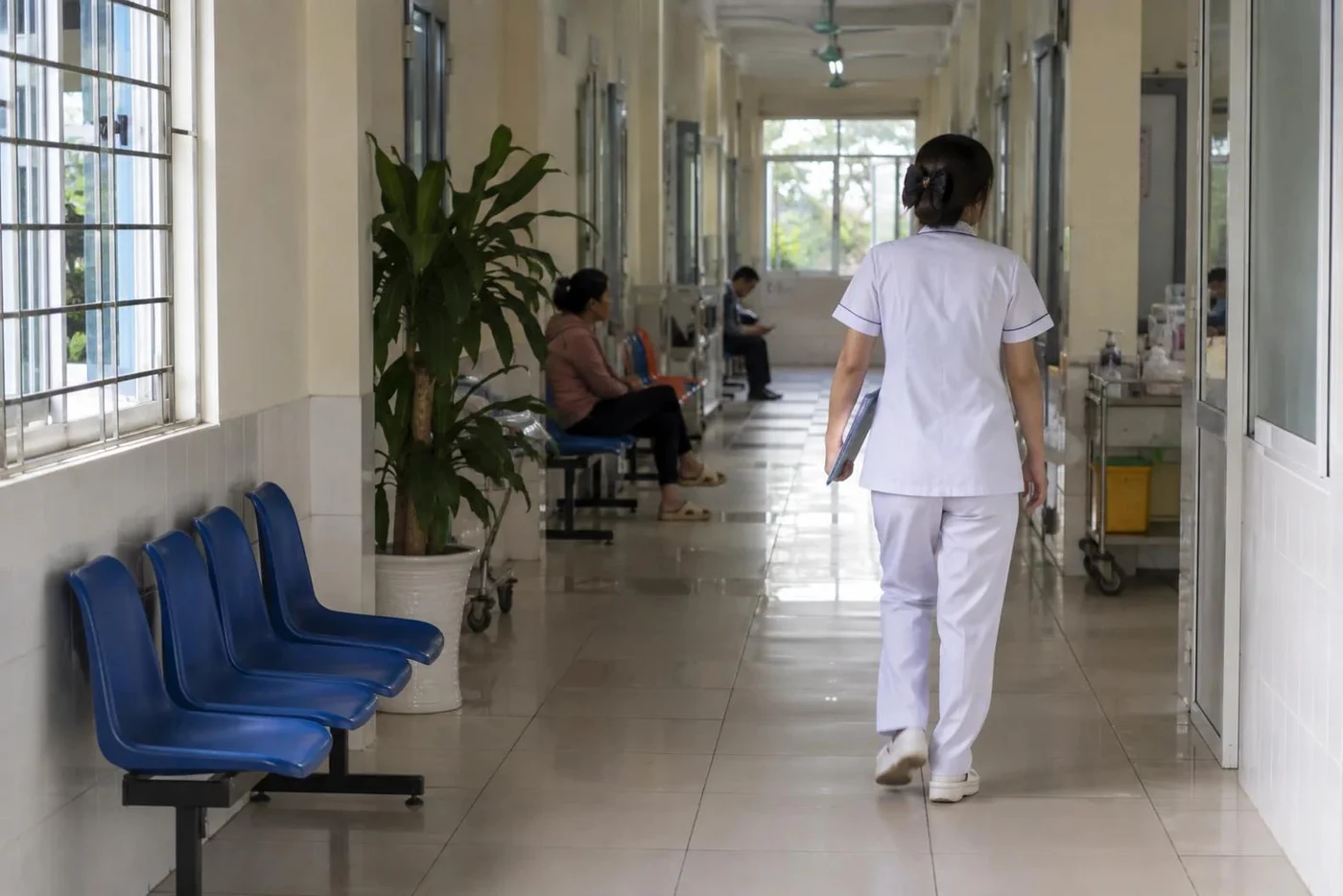
Price is a poor first filter for me. On the phone I ask three things: do you have the rabies vaccine today, do you have immunoglobulin today, and can you give me a printed schedule. A clinic that can’t answer all three is a waste of your first hour. My comparison of health insurance for expats lists which policies pay for this kind of visit.
How many shots do you need, and does a pre-trip vaccine change it?
Without any earlier vaccination you get a full course of 4-5 doses plus immunoglobulin injected around the wound. The classic five-dose schedule (Vinmec summarises the WHO recommendations) falls on days 0, 3, 7, 14 and 28, and the clinic may use a shorter regimen, so follow its printed card. With a rabies course done before the trip, you need only two booster doses and no immunoglobulin.

That difference is the reason the pre-trip course is worth having for a long stay. Dose zero counts from the first injection, which may not be the day of the bite, so don’t delay the first visit to “be sure”.
How much does rabies treatment cost in Vietnam?
Expect about $17 for one dose of Verorab (around 450,000 dong in a 2026 price listing) and about $21 or more per immunoglobulin dose (around 550,000 dong for 0.5 ml, and the dose is calculated by body weight). State hospitals charge Vietnamese citizens as little as 250,000 dong, and foreigners usually pay more. Five vaccine doses at the Verorab price come to about $85, and that is where my figure starts.
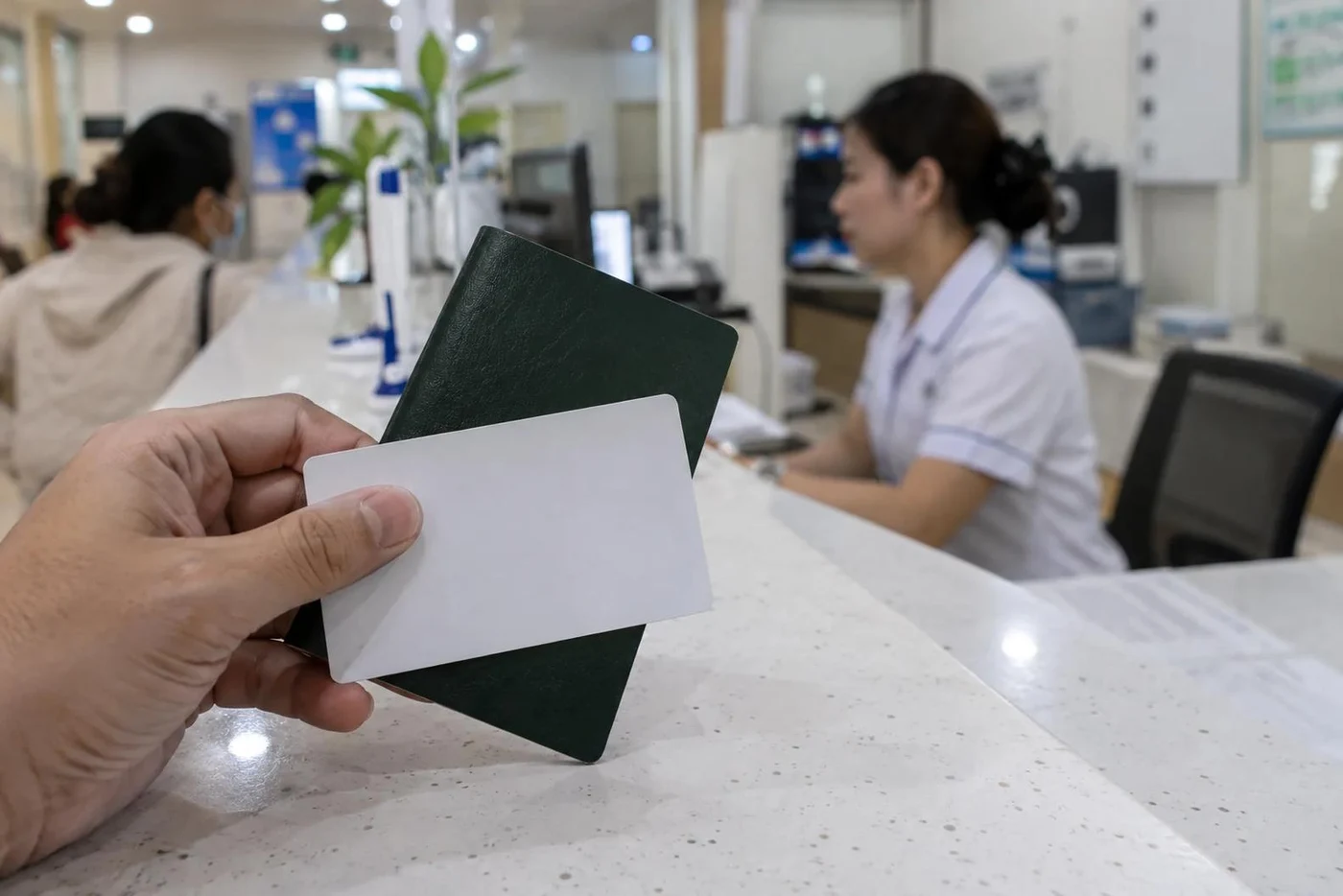
A realistic range for a foreigner is $60-120 for the vaccine course alone, with immunoglobulin and an international clinic’s consultation added on top. A written bill and the vaccination card matter more than the lowest quote, because your insurer and any later doctor will want them. Before you buy a policy, check that animal bites are covered by name, as not all travel policies pay for them automatically.
What if the course is longer than your visa?
The full schedule runs 28 days, so a stamp that ends on day 20 turns a medical problem into a border problem. Don’t leave the country in the middle of the course and don’t skip a dose. Tell the clinic where you will be next, because your card lists the schedule and dates, and a doctor in another country can continue the course from it.
You can file an extension or an e‑visa yourself on evisa.gov.vn. This is the part where I step in if you’d rather not juggle forms between doses: if your stay is short, I plan the extension or a border run around your dose dates, and I handle the e‑visa application for you. For a 90-day stay an e‑visa from my team covers the whole course with room to spare. Message me on WhatsApp with your stamp expiry date and your dose dates and I will tell you what fits.
How do you avoid bites in the first place?
Don’t pet stray or unfamiliar dogs and cats, don’t feed monkeys at temples, and be careful in caves, where a bat bite can go unnoticed. Children get bitten more often and usually on the head and neck, which shortens the time the virus needs to reach the brain, so keep an eye on them in markets and villages. If you wake up in a room where a bat was present, see a doctor even without a visible bite.
Tuoi Tre also wrote in May 2026 about a Vietnamese teenager diagnosed with rabies six months after a dog bite, so a bite you forgot about is still a reason to ask a doctor.
The rule I follow is simple: wash, go, finish the course. If you also need a visa that matches your treatment dates, write to me on WhatsApp and I will sort the paperwork while you take care of the doses.
Frequently asked questions
Do I need rabies shots after a lick on unbroken skin?
Usually not, because saliva on intact skin is not an entry route. A lick on a cut, a scrape or the lips and eyes counts as an exposure, so wash it and ask a doctor the same day.
I missed a dose day. Do I start over?
Usually not. Go to the clinic as soon as you can and carry on from the dose you missed, because the course is counted from the first injection. Show the card and let the doctor adjust the dates.
Will insurance pay back what I paid in cash for the shots?
Only if the policy covers animal bites and you keep the paperwork. Ask the clinic for an itemised bill with diagnosis and dates, and keep the vaccination card, then file the claim from home or through the insurer’s app.
What if the dog is a neighbour's pet that looks healthy?
Treat the bite the same way. Many household dogs in Vietnam are unvaccinated, and a calm animal proves nothing. Ask the owner for the vaccination booklet, photograph it, and still go to a clinic.