Yes, foreign Visa and Mastercard cards work in Vietnam at most ATMs and city shops — the exceptions are specific enough to plan around rather than worry about.
Do Visa and Mastercard Work in Vietnam?
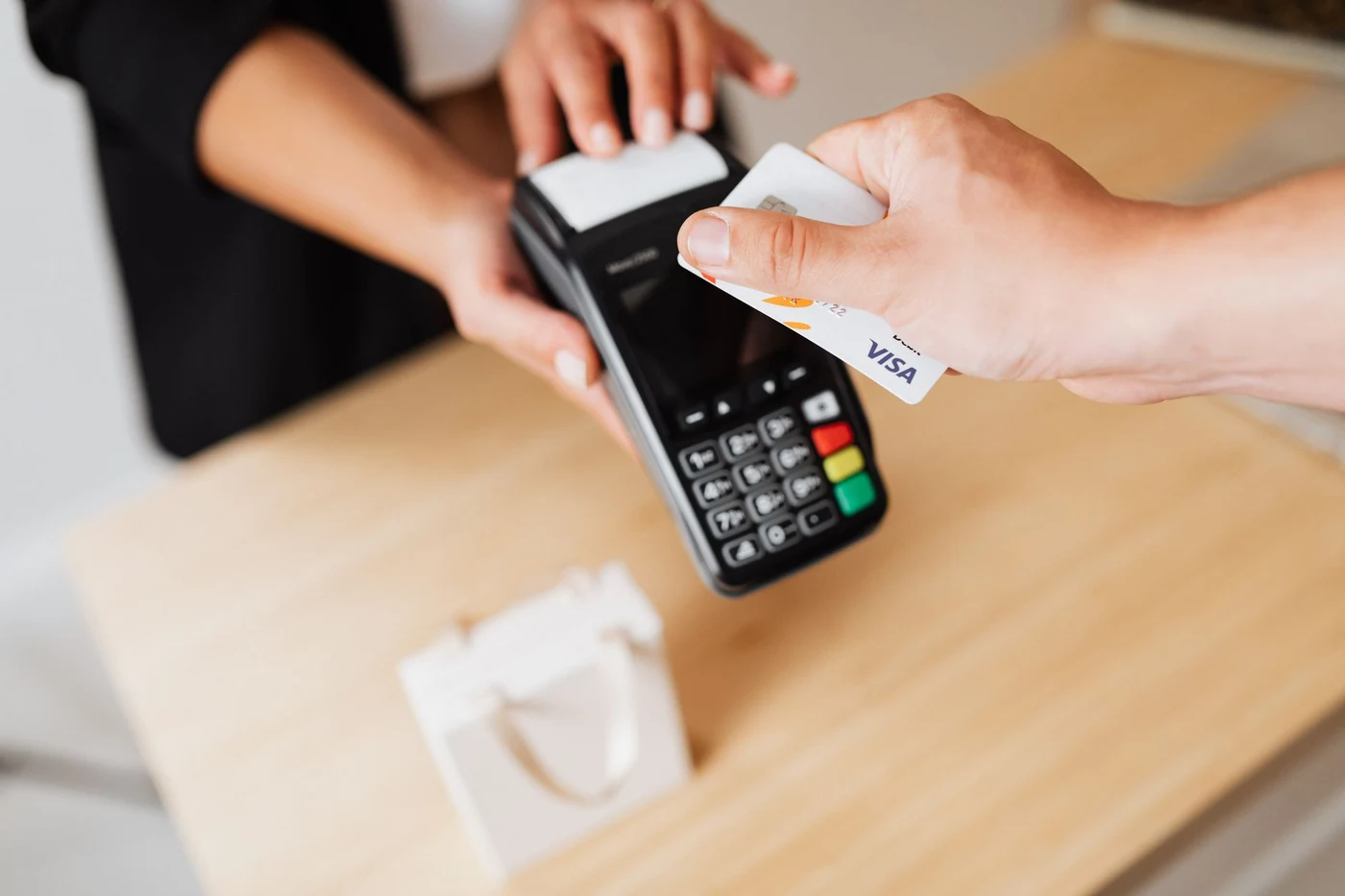
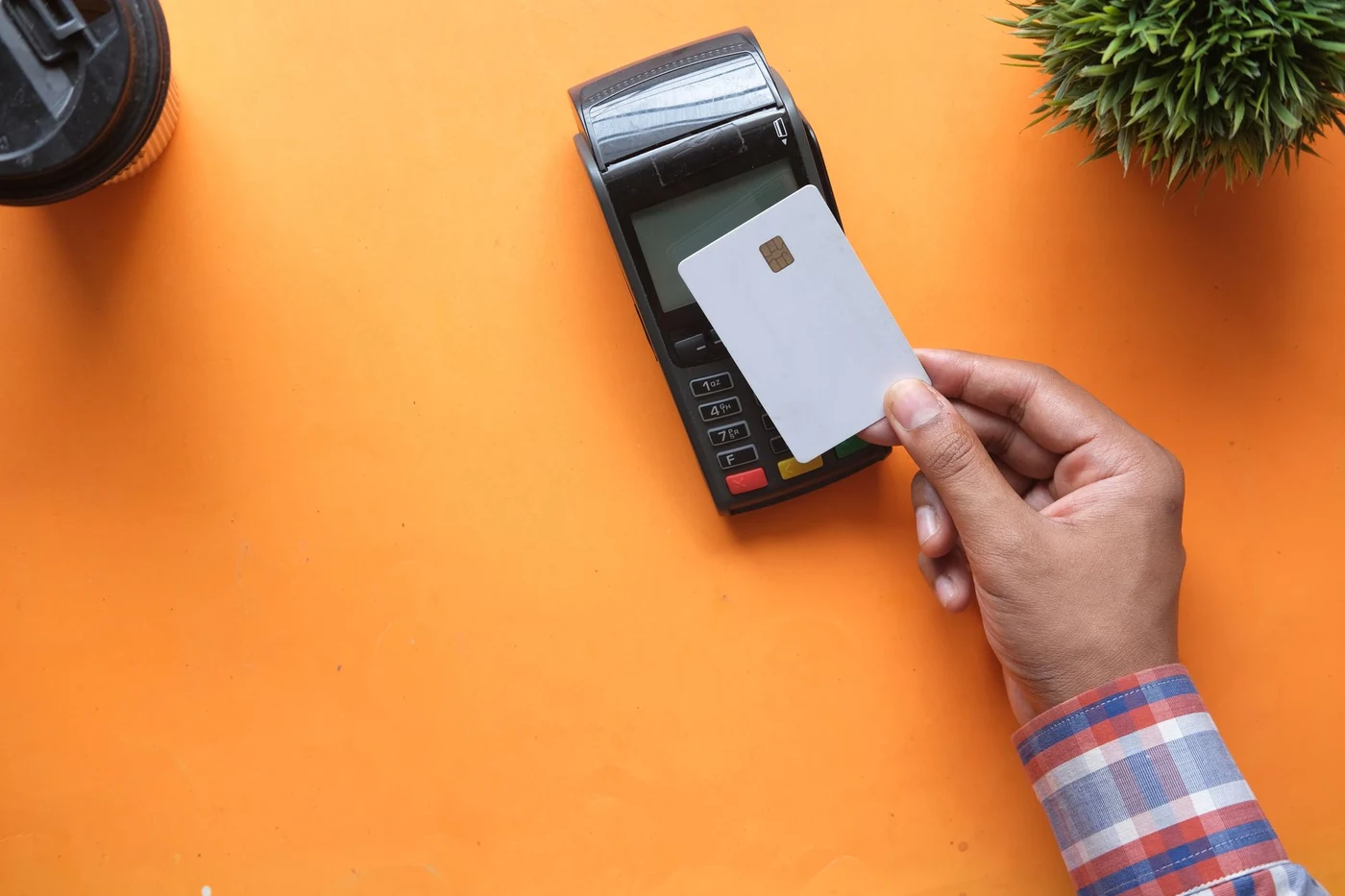
Visa and Mastercard debit and credit cards work at the vast majority of ATMs and at POS terminals in supermarkets, malls, hotels and mid-range restaurants across Da Nang, Hanoi and Ho Chi Minh City. The gap is smaller businesses — street food stalls, local buses, motorbike taxi drivers — which run almost entirely on cash. A card that works fine at a Circle K convenience store can be useless three streets over at a noodle stall.
The most common failure isn’t Vietnam rejecting the card, it’s your home bank flagging the very first swipe abroad as suspicious and freezing the transaction. That’s a five-minute phone call to fix, not a sign the card doesn’t work here.
What About UnionPay?
UnionPay cards are accepted at ATMs run by BIDV, Vietcombank and Agribank, and by shops that display the UnionPay logo on their card reader — mostly in tourist-heavy districts and larger stores. Coverage thins out fast once you leave Hanoi or Ho Chi Minh City for smaller towns, so a UnionPay card works as a second option, not a sole plan.
Why Your Card Might Get Declined
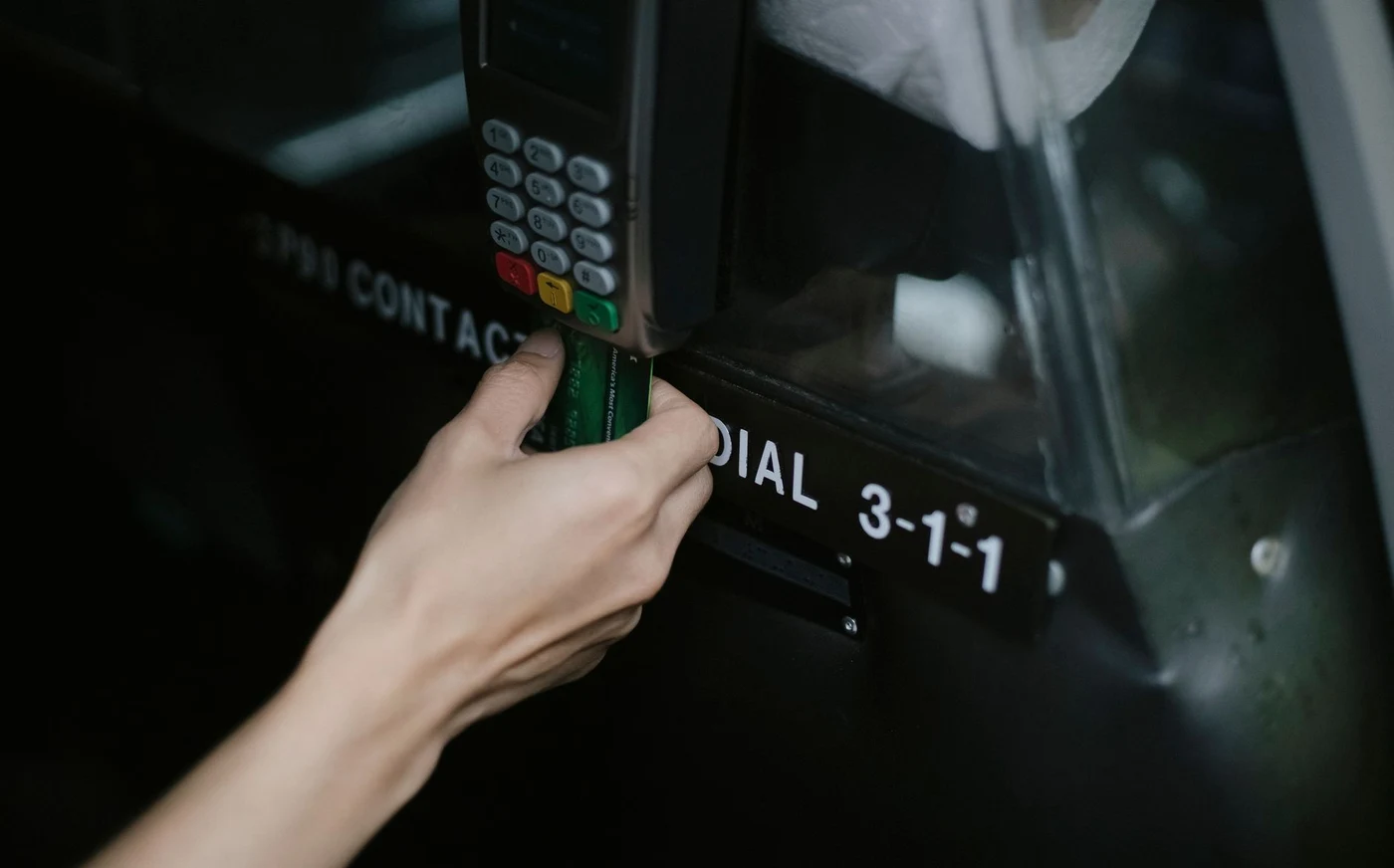
Three things cause most declines, and none of them mean the card is broken. First, a foreign-transaction fraud hold from your issuing bank, triggered by the sudden change in country. Second, a daily ATM withdrawal cap that’s lower than you expect once converted to VND — some cards cap out around 2-4 million VND per transaction, so a big withdrawal gets split into several tries. Third, a specific bank’s ATM having a bad day with international cards, while the machine next door reads the same card fine.
This is exactly the kind of friction that trips people up on the Vietnam e‑visa payment page too — evisa.gov.vn rejects a wide range of foreign-issued cards at checkout for reasons that have nothing to do with your balance. If that’s the wall you’ve hit trying to apply for your e‑visa, we pay the government fee with our own verified card and handle the application end to end, so a blocked card at checkout doesn’t cost you a day of your trip.
How to Pay Safely in Vietnam
- Call your bank before you fly and add a Vietnam travel notice — this alone prevents most first-day freezes.
- Test a small ATM withdrawal on day one, ideally at the airport, before you need real cash for a taxi or hotel deposit.
- Carry a second card on a different network (not a spare Visa if your main card is also Visa) so one frozen card doesn’t strand you.
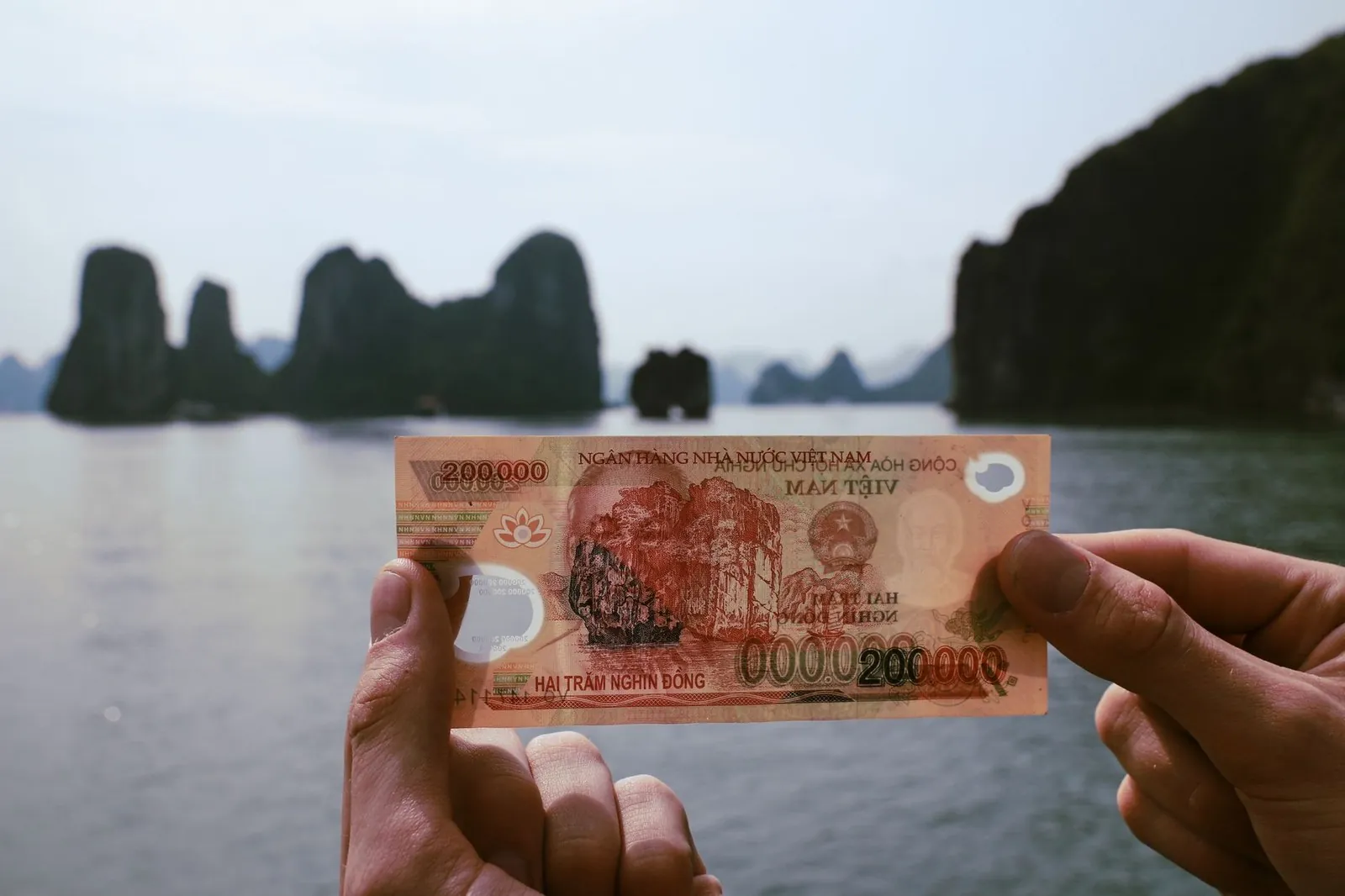
- Keep some cash on hand — 1-2 million VND covers markets, local buses and small eateries where cards simply aren’t an option.
- Get a local SIM early so you can receive a bank’s SMS or app confirmation code if a transaction needs extra verification.
If your card keeps failing specifically on the e‑visa payment portal rather than at ATMs or shops, that’s a gateway issue, not a travel-notice issue — a growing list of foreign banks just don’t clear evisa.gov.vn’s checkout at all. Message us on WhatsApp with a screenshot of the error and we’ll tell you within minutes whether it’s your bank or the portal — and get your visa moving either way.
Card trouble abroad is rarely permanent, it’s usually just the first 24 hours before your bank and the local ATMs settle into recognizing each other. Test early, carry a backup, and keep enough cash that a frozen card is an inconvenience rather than a crisis. If the one place your card won’t cooperate is the e‑visa payment step itself, that’s the one part of the trip you don’t have to solve alone — write to us on WhatsApp and we’ll get your e‑visa paid and filed the same day.