A divorce in Vietnam takes 6 to 9 months and costs roughly 12-28 million VND when both spouses agree and 22-68 million VND when it is contested, once lawyers, translations and legalization are counted. Poorly prepared files cause most of the delays, so the paperwork decides how long you wait.
Which Court Will Take Your Case?
Cases with a foreign element usually go to the provincial-level People’s Court. That covers any case where one spouse is a foreigner, assets sit abroad or the court needs help from another country. The law firm sources still describe district courts, but all district courts were dissolved on 1 July 2025 and replaced by regional courts, as Baker McKenzie explains. A simple case with everyone and everything in Vietnam may now land in a regional court, so ask the court clerk or your lawyer which one takes your file before you pay for copies.
If both spouses are foreigners living in Vietnam, Vietnamese authorities settle it under Vietnamese law. If a Vietnamese spouse lives abroad when you file, the law of the country where the couple lives applies, and Vietnamese law applies only when there is no shared residence. A mutual-consent petition is filed where either spouse lives, and a contested one where the defendant lives.
What Paperwork Does a Mutual and a Contested Divorce Need?
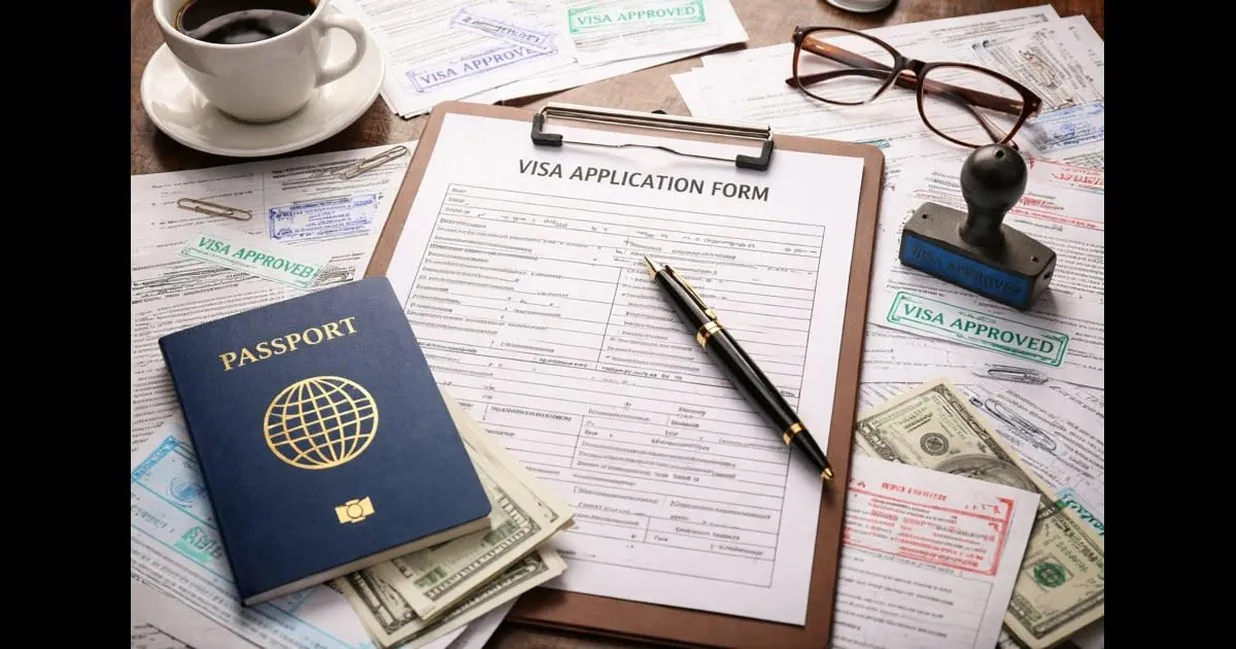
A mutual-consent case needs a petition for recognition of the divorce, the original marriage certificate, proof of residence, notarized copies of both passports, any children’s birth certificates and papers for shared property. A contested case adds the court’s petition form plus evidence for your claims on property, custody and alimony.

Anything issued abroad must be translated and legalized by a consulate before Vietnam accepts it. A foreign marriage certificate falls in that group. I would prepare two full sets, because a court can send an incomplete file back and each return costs weeks.
How Do the Costs Add Up?
Adding the lines below gives roughly 12-28 million VND for a mutual divorce and 22-68 million VND for a contested one, and the lawyer is the biggest line. Figures come from Viet An Law for 2026, so treat them as a range: the final bill depends on the dispute, and a property dispute adds a percentage of the disputed value on top.
- Court fee: about 300,000 VND without a property dispute, otherwise a percentage of the disputed value.
- Translation and notarization: 500,000-3,000,000 VND.
- Consular legalization: 1,000,000-5,000,000 VND.
- Lawyer: 10-20 million VND for a mutual divorce, 20-60 million VND for a contested one.
What Is the Real Timeline?
Plan for 6-9 months in total. After filing, the court reviews your papers in about 8 working days and asks for an advance on the fee. You pay it at the civil judgment enforcement office and bring the receipt back to the court. Preparation then takes 4-6 months, and the hearing comes 1-2 months after the decision to go to trial.

What Happens to Property and Children?
Real estate abroad follows the law of its country, so a Vietnamese court will not split a house in Michigan or an apartment in Europe. Dropping property claims makes the case cheaper and quicker. My advice is to keep a foreign house out of the petition, since the court cannot rule on it and you would pay for a dispute that ends with no result. On custody the court looks at the child’s interest. Under 36 months, the mother is usually preferred, and for older children the court weighs who can give better care.

Is It Smarter to File in Vietnam or Back Home?
If you live in Vietnam and have no property fight at home, filing locally is usually the cheaper route. Viet An Law describes a case of a couple living in Ho Chi Minh City with a house in the US: the wife wanted custody and no asset split, and filing in Vietnam meant no trip to the US and lower fees than a US lawyer. I lean toward filing here for a custody-only goal like that one, and at home when the house is the real fight. The same logic fails when most of the fight is about assets abroad, because a Vietnamese judgment does not divide them. Ask a lawyer in your home country whether a Vietnamese decree will be recognized there before you pay for translations.
One more trap applies if you married abroad and never registered the marriage in Vietnam. You can still file, but the foreign certificate must be legalized by a consulate and entered at the Department of Justice first, and the petition has to explain why the marriage was not registered earlier. Budget extra weeks for that step.
What Happens to Your Visa After the Divorce?
If your stay rests on a marriage-based temporary residence card, the basis disappears once the marriage ends, and you need another status before the card runs out. Read how visa extension without leaving the country works and what temporary residence card renewal involves, and do it while the case is still running. A card that expires halfway through a six-month case is the most common way people end up scrambling, and the usual fix is a visa extension filed at the immigration office, which you can also do yourself. If you would rather hand it over, I can check whether your card will last until the verdict.
You can sort out the extension on your own at the immigration office. If you would rather not spend days on it, we file e-visas end to end and refund you if an application is rejected, so message me on WhatsApp with your expiry date and the court dates.
Frequently asked questions
What if my spouse lives abroad?
The case becomes harder than a domestic divorce, because the other party’s details must be verified abroad and the court may need international judicial assistance. Expect the 6-9 month timeline to stretch, and keep the other spouse’s last known address ready.
Will a Vietnamese divorce decree be valid in my home country?
Not automatically. Recognition depends on your home country’s rules, so ask a lawyer there before you pay for translations. The Vietnamese judgment will usually need a translation and may need legalization.
Can I leave Vietnam while the divorce case is running?
None of the sources I checked bars it, but the court may call you for mediation or the hearing, and your visa or card must stay valid. Confirm the dates with your lawyer before you book a flight.
Do I need to attend court in person?
Not necessarily. You can authorize a lawyer to handle the case, though your presence can help when custody is disputed.
What is the advance on court fees?
After the court accepts your papers it tells you how much to pay in advance. You pay at the civil judgment enforcement office and bring the receipt back to the court, which then formally accepts the case.