
Da Nang is the cheapest of the three at $700-1,500/month all-in, runs on a 90-day e-visa with no income proof, and pairs with fast fiber internet. Chiang Mai costs more ($900-3,000/month, now 11.7% pricier than Ho Chi Minh City per Numbeo’s May 2026 data) but gives you Thailand’s 5-year Destination Thailand Visa. Canggu sits highest at $900-2,500/month and gates entry behind a $60,000/year income requirement for its digital nomad visa. Which wins depends on your budget and how much visa paperwork you’re willing to do.
I’ve lived in Da Nang for years and watched this exact question get asked in every nomad Facebook group: Da Nang, Chiang Mai, or Bali? I’ve spent real weeks in all three, and I run visa logistics for a living, so I’ll give you the honest breakdown - including where Da Nang loses.
Da Nang vs Chiang Mai vs Bali: quick comparison table
| Da Nang, Vietnam | Chiang Mai, Thailand | Canggu, Bali | |
|---|---|---|---|
| Monthly budget | $700-1,500 | $900-3,000 | $900-2,500 |
| 1BR rent | $200-500 | $300-600 (Nimman pricier) | $750-1,150 (villa) |
| Visa for nomads | 90-day e-visa, $25-50 | DTV: 5yr multi-entry, 180+180 days | E33G: 1yr, non-renewable |
| Visa income proof | None | 500,000 THB (~$14-15k) savings | $60,000/yr income + $2k balance |
| Coworking/month | $50-150 (Enouvo, DNC) | $110-115 (Punspace) | $110-125 (Dojo Bali) |
| Internet | Fast fiber, no hard 2026 country figure found | Fast, Bangkok fiber tests 100-200 Mbps | Slower - 47 Mbps avg fixed broadband nationally |

How much does it cost to live in Da Nang as a digital nomad?
A careful budget in Da Nang runs $700-1,300/month; a comfortable one with a nicer apartment and eating out often lands at $1,000-1,500. A 1BR near My Khe beach runs $200-500/month, food is $250-350, a scooter and fuel add $50-80, and a coworking desk at Enouvo Space or DNC (Danang Coworking Space) costs $50-150. That’s the lowest entry cost of the three cities by a wide margin.
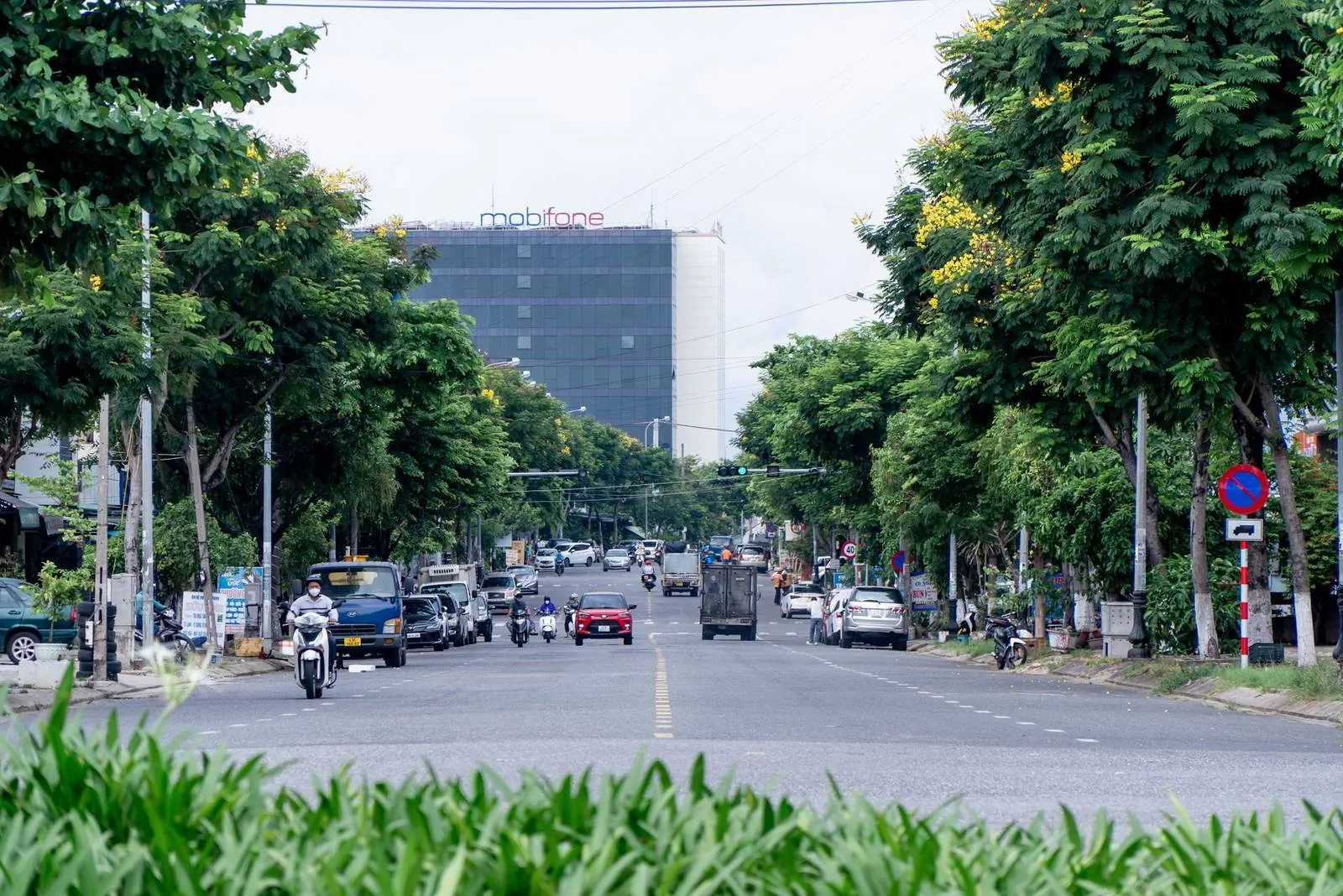
Da Nang is also the fastest-rising nomad destination in Southeast Asia for 2026 - more coffee-shop-coworking hybrids, more Korean and Russian long-stayers, and rents are creeping up as a result. Get in now and the math stays favorable; wait two years and Da Nang may look more like Chiang Mai does today.
The catch: Vietnam has no dedicated digital nomad visa. You’re on a 90-day e-visa (single entry ~$25, multiple entry ~$50), it can’t be renewed from inside the country, and a proposed “Golden Visa” for long-term residents has no launch date as of 2026. Every 90 days you either fly out and back in, or do a land border run - Lao Bao into Laos is the shortest hop from Da Nang, roughly 6 hours each way, with a same-day return possible. If you’re weighing the e-visa against a visa run or arrival visa, I broke down all three options in my honest e-visa vs. visa run comparison.
This is where I usually get involved. I run visa-run logistics from Da Nang myself - pay the government fee with a card that evisa.gov.vn actually accepts, sort the right entry point for your nationality, and keep the whole round trip to a single day instead of a week of guessing. What that takes from you is your nationality and how many days you’ve got left on the current e-visa - the rest, from the government fee to the entry point, gets mapped around those two things. The full rundown of what’s included is on our services page.
How much does it cost to live in Chiang Mai as a digital nomad?
Chiang Mai runs $900-1,500/month on a tight local budget, but a realistic comfortable range - private apartment, coworking membership, eating out - is $1,800-2,500/month, with some long-stayers at $3,000. A 1BR condo in trendy Nimman runs $350-600, while Old City or Suthep drop to $300-500 and the outskirts to $200-350. Numbeo’s May 2026 data puts Chiang Mai’s cost of living, excluding rent, 11.7% higher than Ho Chi Minh City - the gap between Vietnam and Thailand has widened, not narrowed.

Chiang Mai’s real edge is the visa. The Destination Thailand Visa (DTV) is valid 5 years with multiple entries, each entry good for 180 days and extendable once to roughly a year per entry - the longest runway of the three cities without touching a residency program. It requires 500,000 THB (about $14,000-15,000) in savings held for at least 3 months, plus a ~10,000 THB fee, and it bars working for Thai clients - foreign employer or foreign clients only.
If you earn more, Thailand’s Long-Term Resident (LTR) visa has two relevant tracks. The Wealthy Global Citizen category dropped its income test entirely in February 2025 - it now asks for $1 million in net assets plus a $500,000 investment in Thailand instead. The separate Work-from-Thailand Professional category still requires $80,000/year in verified income, though the employer’s minimum revenue bar was cut from $150 million to $50 million.
Punspace, with locations at Tha Phae Gate and Wiang Kaew, runs about 3,899 THB/month (~$110-115) for a coworking membership; CAMP works more informally - buy a drink, get the wifi.
Is Bali or Canggu worth it for digital nomads in 2026?
Canggu is the priciest of the three and the one with the steepest entry paperwork. A budget stay in a shared room or homestay runs $900-1,200/month; a comfortable private villa with a scooter, gym, and mixed dining lands at $1,500-2,500. A 1BR pool villa costs 12-18 million IDR/month (roughly $750-1,150), up about 18% year-over-year in 2026 - rents there are climbing faster than in either Da Nang or Chiang Mai.

Indonesia’s E33G “Second Home Remote Worker” visa (the one people call the 5-year digital nomad visa) is actually valid for just 1 year and cannot be renewed - you reapply from scratch after it expires. It requires proof of foreign-source income of at least $60,000/year plus a $2,000 bank balance on hand, and self-processed fees run $530-700 (more like $1,100-1,600 through an agent). The genuinely long-term option - Indonesia’s Second Home Visa, 5-10 years - is investment-based, needing a deposit or property purchase around IDR 2 billion (~$130,000), and isn’t really a nomad-income-tier product.
Coworking in Canggu costs about the same as Chiang Mai - Dojo Bali runs roughly 1.8 million IDR/month (~$110-115) - but the traffic in Canggu has gotten noticeably worse over the past two years, and internet reliability outside the coworking spaces is inconsistent: Indonesia’s national average fixed broadband speed sits around 47 Mbps, meaningfully behind what you’ll get on fiber in a Da Nang apartment or a Chiang Mai coworking space.
How do I choose between Da Nang, Chiang Mai, and Bali?
- Budget first: if $700-1,000/month all-in matters more than visa runway, Da Nang wins outright.
- Visa runway matters more than rent: the DTV’s up-to-1-year-per-entry, 5-year validity beats a 90-day e-visa or a non-renewable 1-year Indonesian visa - pick Chiang Mai.
- You clear $60k+/year and want the “digital nomad visa” label specifically: Canggu’s E33G is built for you, but budget for the highest monthly cost of the three.
- You hate visa admin and want simplicity over a multi-year runway: Da Nang’s e-visa is the least paperwork per entry, even though you’ll do it more often.
- Internet reliability outside coworking hours: Da Nang and Chiang Mai both beat Bali here on national averages.
I’m honest that Da Nang isn’t the fit for everyone - if you want beach-club nightlife or an established Western nomad social scene at Canggu’s scale, Vietnam’s Central Coast is quieter and younger as a nomad hub. But for anyone doing the actual monthly-budget math, it’s the value champion of the three in 2026. If you’re leaning toward staying past a single 90-day cycle, my full breakdown of long-term visas, Work Permits and monthly costs covers what happens after year one.
Between visa runs and rent negotiations, the paperwork is the part that eats your week, not the decision itself. If you’re leaning Da Nang and the 90-day e-visa cycle is the only thing giving you pause, book a visa run or e-visa directly on danangvisarun.com and get it off your plate before the decision, not after.
Frequently asked questions
What about Ho Chi Minh City or Bangkok instead of Da Nang and Chiang Mai? Ho Chi Minh City and Bangkok are the higher-cost, higher-energy versions of the same choice - bigger coworking scenes and expat networks, but rent and daily costs run above what’s listed here for Da Nang and Chiang Mai. If budget is the deciding factor, the smaller city in each country beats its capital every time.
How do I actually apply for Vietnam’s e-visa? You apply directly at evisa.gov.vn with a passport photo and your passport’s biodata page scanned, then pay online - no agency or in-person visit required. The portal’s own processing window is up to 3 working days, and there’s no paid rush option on the government site itself. Worth knowing before you pay - the fee isn’t refunded if the application gets declined, so double-check your scans before you submit.
Do I pay rent and daily bills in dong, baht, or rupiah, or do landlords expect USD? In Da Nang, rent is usually quoted in USD but paid in Vietnamese dong at the going rate, and day-to-day spending runs in dong. Chiang Mai and Canggu work the same way with baht and rupiah - USD quotes for rent, local currency for everything else.
What if I’m moving as a couple or with a kid - does the cost breakdown roughly double? Rent doesn’t double - a 1BR apartment costs the same whether one person lives in it or two, so a couple mostly adds to food and transport, not housing. A child adds childcare and international-school research to the list, which isn’t covered in the cost ranges above.
What if my Thailand DTV or Bali E33G application gets rejected - what’s the fallback? Fall back to what doesn’t require pre-approval - Vietnam’s 90-day e-visa has no income or asset test, so it’s the fastest option to fall back on while you sort out a second attempt somewhere else.
Which is better for digital nomads: Vietnam, Thailand, or Bali? There’s no single winner - it’s budget vs. visa runway. Da Nang wins on monthly cost, Chiang Mai wins on visa length and social infrastructure, and Canggu wins only if you already clear the $60k/year income bar and want the label “digital nomad visa” specifically.