A sleeper bus from Da Nang to Nha Trang runs overnight, covers roughly 520-540 km in 10-12 hours, and costs about $10-17 for a standard reclining berth or $17-27 for a VIP pod. I book this route for clients and friends several times a month, and the numbers below come from carrier schedules, aggregator listings, and what I actually see on the ground.
I’ve lived in Da Nang for years running bus and visa-run bookings across central Vietnam, and this route is one of the ones I get asked about most - usually from people who assume Nha Trang is a short hop and are surprised it’s an overnight ride.
How Much Does the Da Nang to Nha Trang Sleeper Bus Cost?
A standard sleeper berth on this route costs $10-17 (250,000-450,000 VND), and a VIP cabin pod costs $17-27 (450,000-700,000 VND). Aggregator listings on Vexere show the full route range as wide as 280,000-900,000 VND once every operator and tier is included.

| Ticket class | Price (USD) | Price (VND) | What you get |
|---|---|---|---|
| Standard berth | $10-17 | 250,000-450,000 | Reclining 2-tier pod, shared blanket, AC |
| VIP cabin | $17-27 | 450,000-700,000 | Curtained pod or 1-2 person cabin, more legroom |
| Full route range (all operators) | $11-35 | 280,000-900,000 | Budget to premium tier, per Vexere |
The gap between the cheap and expensive end isn’t random - it tracks the operator’s fleet age and whether the ticket includes a private cabin instead of an open pod. A $12 ticket and a $30 ticket both get you to Nha Trang at roughly the same hour; the difference is how much you sleep.
Which Bus Companies Run Da Nang to Nha Trang?
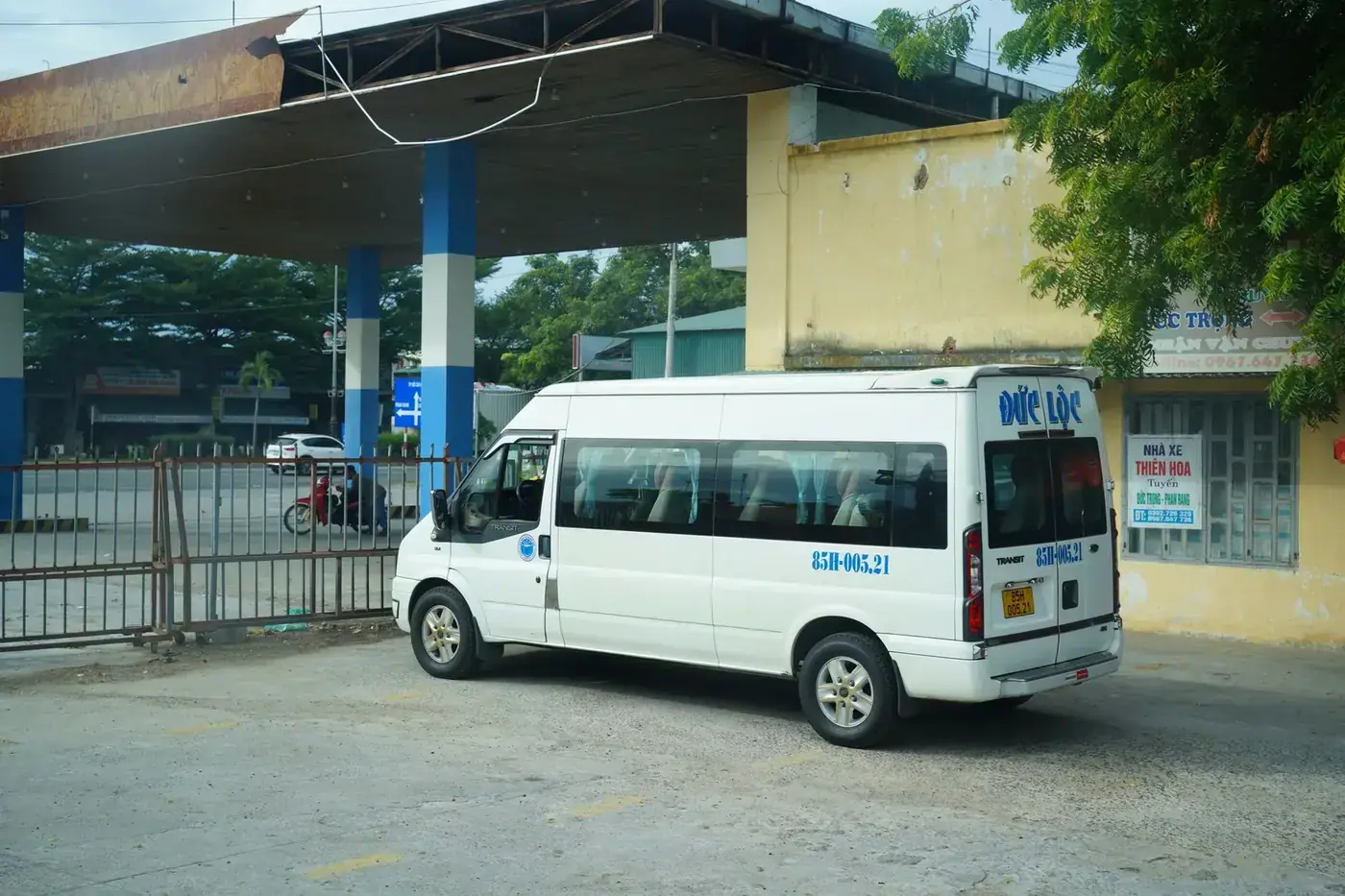
The route is served by a mix of national and regional operators, with Futa Bus - also known as Phuong Trang - being the biggest name most travelers recognize. Smaller regional lines fill in the schedule gaps between Futa’s departures.

Named carriers on this corridor include Futa Bus, The Sinh Tourist, Hanh Cafe, Lien Hung, Quang Hanh, Ha Linh, Cocovip Limousine, Duc Duong, An Phu, Queen Cafe, Techbus VN, Viet Nam Travel Bus, and Sapa Discovery. I run a sleeper on this same highway myself for Best Bus clients heading south, and the honest pitch for it over a random street-booked ticket is one thing: I know which of these buses actually has a working AC unit that night, because I check before I put a client on it.
What Time Do Sleeper Buses Leave, and How Long Is the Ride?
Most operators leave Da Nang in the early evening, roughly between 15:00 and 20:30, and arrive in Nha Trang the next morning between 03:00 and 07:15. Futa Bus specifically runs two nightly departures, at 20:00 and 20:40, landing between 06:40 and 07:00.
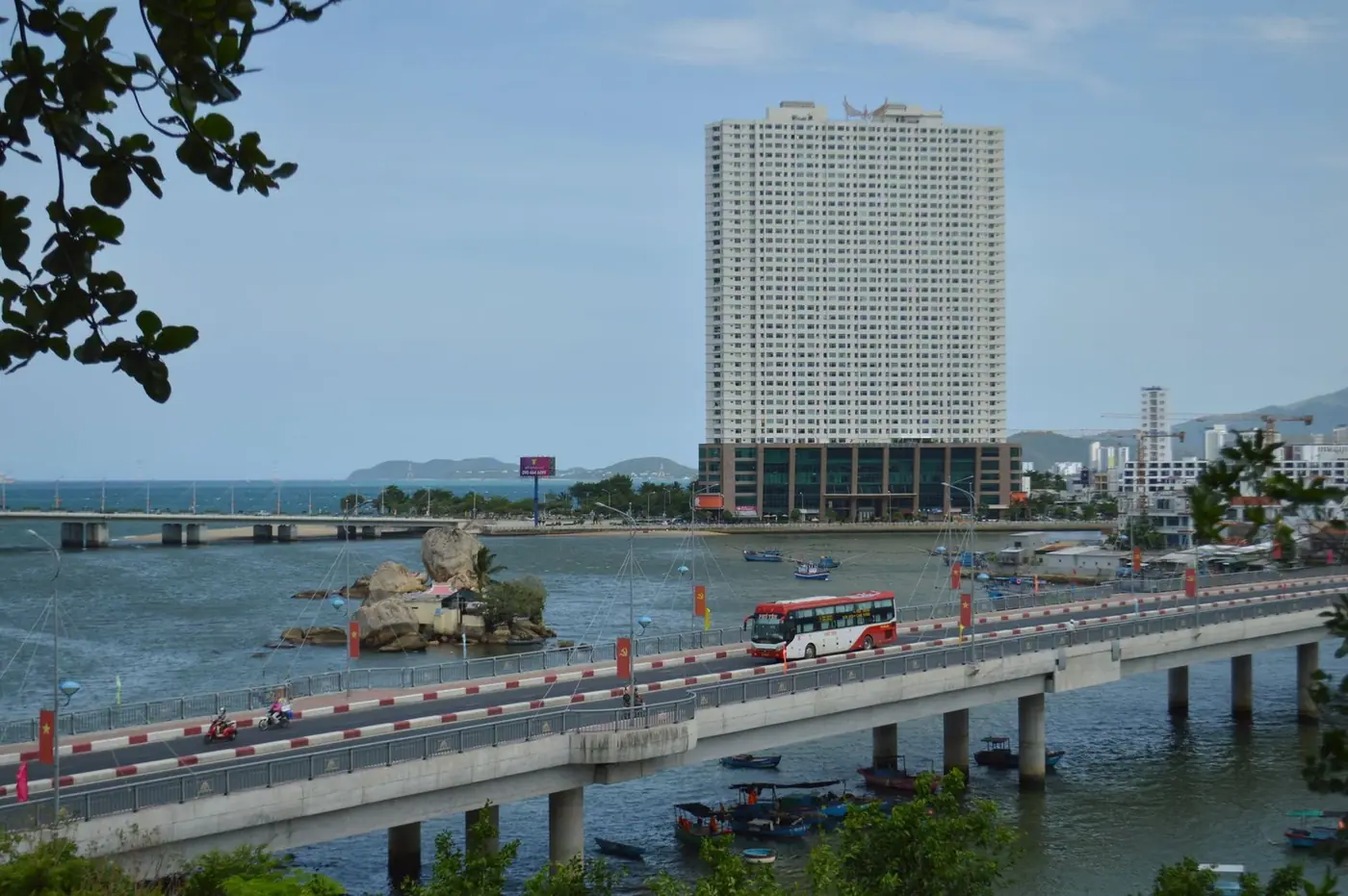
That 10-12 hour window covers roughly 520-540 km of coastal highway. A couple of general Vietnam distance guides quote a shorter 9-11 hour figure, but every schedule I checked from the actual operators lands closer to 10-12 hours once rest stops are counted - book the later end of that range if you have a morning appointment in Nha Trang.
What Is It Actually Like Onboard?
Vietnamese sleeper buses on this route are two-tier coaches with about 40 reclining pod berths that lean back to roughly 160 degrees, and air conditioning runs on every bus. What you shouldn’t count on: a working toilet. Some buses have one, but it’s frequently locked, so the real bathroom plan is a rest stop every 2-4 hours for 15-20 minutes.
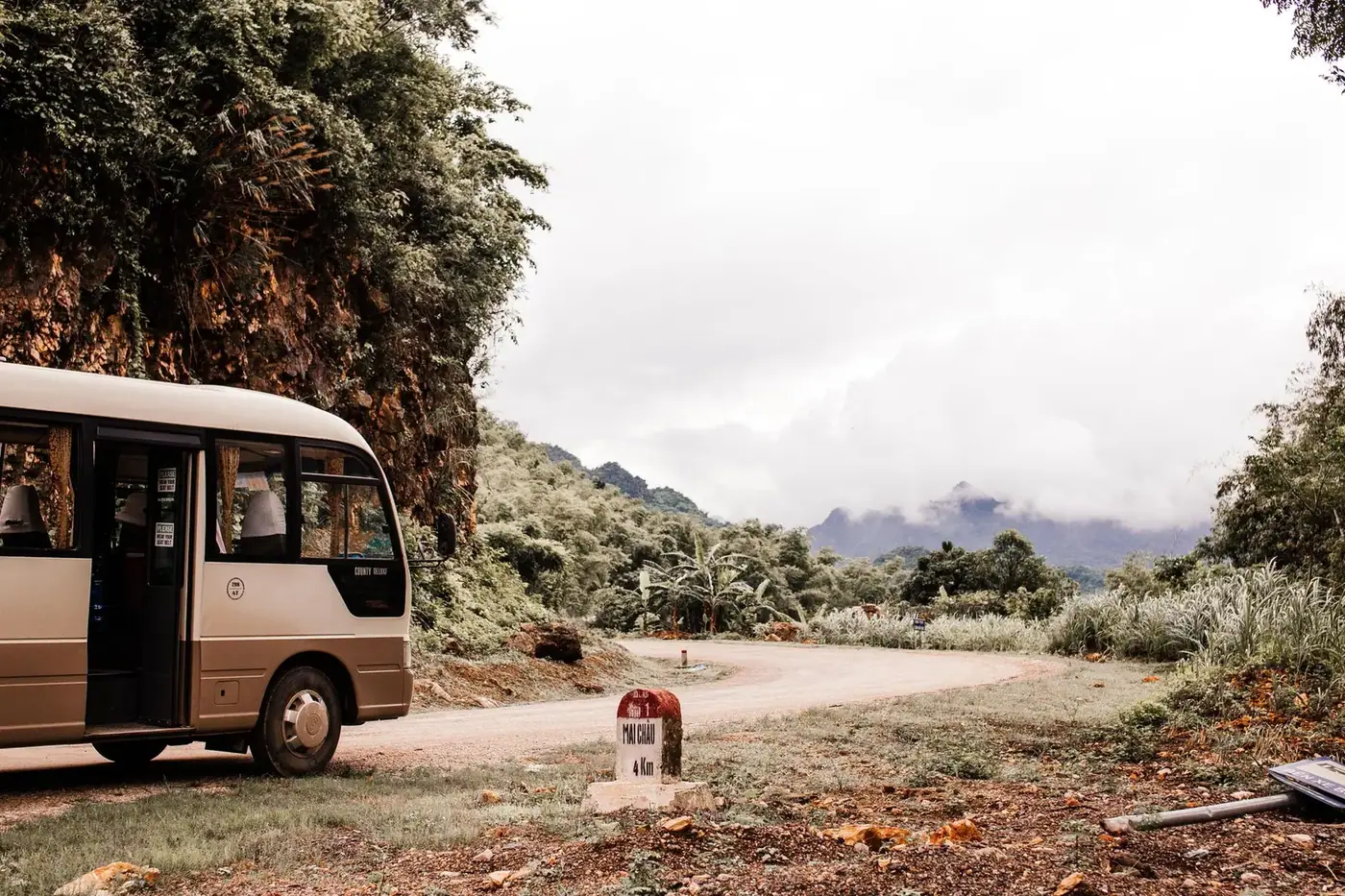
Two things catch first-timers off guard. First, theft - a phone left in the overhead net or a bag stashed in the hold is the single most common complaint about this bus class, so keep your passport, cards, and phone in a body-worn bag while you sleep and put a cable lock through your hold luggage. Second, motion sickness - Vietnamese drivers brake and accelerate hard on mountain sections south of Da Nang, and if you’re prone to nausea, ask for a lower-tier berth away from the front row.
This is the part of the job I actually do by hand: on the Best Bus sleeper, I check the toilet and AC before departure and seat clients away from the front row if they mention getting carsick, because a bad first sleeper-bus experience puts people off overland travel for the rest of their trip.
Sleeper Bus vs Train vs Flight: What’s the Cheapest Way to Nha Trang?
The sleeper bus is the cheapest option at $10-27, the train sits in the middle at $16-65 depending on class, and flying is the fastest but most expensive choice at $40-150 one-way. Which one wins depends on whether you’re optimizing for price, time, or comfort.
| Mode | Duration | Price (one-way) | Best for |
|---|---|---|---|
| Sleeper bus | 10-12 h | $10-27 | Budget travelers, flexible schedule |
| Train (regular seat) | 9.5-11.5 h | $16-18 | Similar price to bus, fixed timetable |
| Train (tourist sleeper, e.g. Violette Train) | 9.5-11.5 h | $50-65 | Comfort without flying |
| Flight (Da Nang-Cam Ranh) | 1-1h10m | $40-150 | Time-poor travelers, short trips |
| Private car/taxi | 9-10 h | $230-530/vehicle | Groups of 3-4, door-to-door |
Vietnam Railways runs several Reunification Express trains on this stretch - SE1, SE3, SE5, SE7, SE9, SE11, SE21, SE23, and SE41 - with regular seats from $16-18 and tourist sleeper cabins like Violette Train running $50-65. Flights connect Da Nang and Cam Ranh Airport, about 25 km south of Nha Trang city center, in roughly an hour on Vietnam Airlines or VietJet Air, with fares as low as $40-45 if you book weeks ahead and closer to $150 during peak dates.
For anyone comparing this specific pair of cities against a shorter hop, my breakdown of sleeper bus versus train across Vietnam covers the tradeoffs route by route, and if Nha Trang is a stop on a longer visa-run loop, my visa run options from Nha Trang piece walks through the border side of the trip.
If you’d rather skip comparing thirteen bus companies and just get a seat confirmed, I book this route for clients regularly - reply with your travel date and whether you want standard or VIP, and message me on WhatsApp and I’ll confirm which operator has a seat for that night.
Methodology: Where These Numbers Come From
Prices and schedules above come from route-tracking sites and booking aggregators - Vexere, general Vietnam transport guides, and operator schedule pages - rather than a single carrier’s official price list, because the carriers themselves don’t publish a stable list for this exact leg. Expect real fares to shift by 10-20% with the season and how close to departure you book; the ranges here are the band I’ve seen hold steady across 2025-2026, not a single locked-in price.